If your lower back aches by mid-afternoon and your desk chair keeps sinking into the carpet pile, you are facing a common dilemma: should you fix the floor or fix the seat? Chair mats for carpet and seat cushions under $50 solve two very different problems, and confusing them is the fastest way to spend money without actually feeling better at your desk. This guide breaks down what each accessory actually does, when you need one, the other, or both, and how to choose the right option for your room, your chair, and your budget.
What a Chair Mat for Carpet Actually Solves
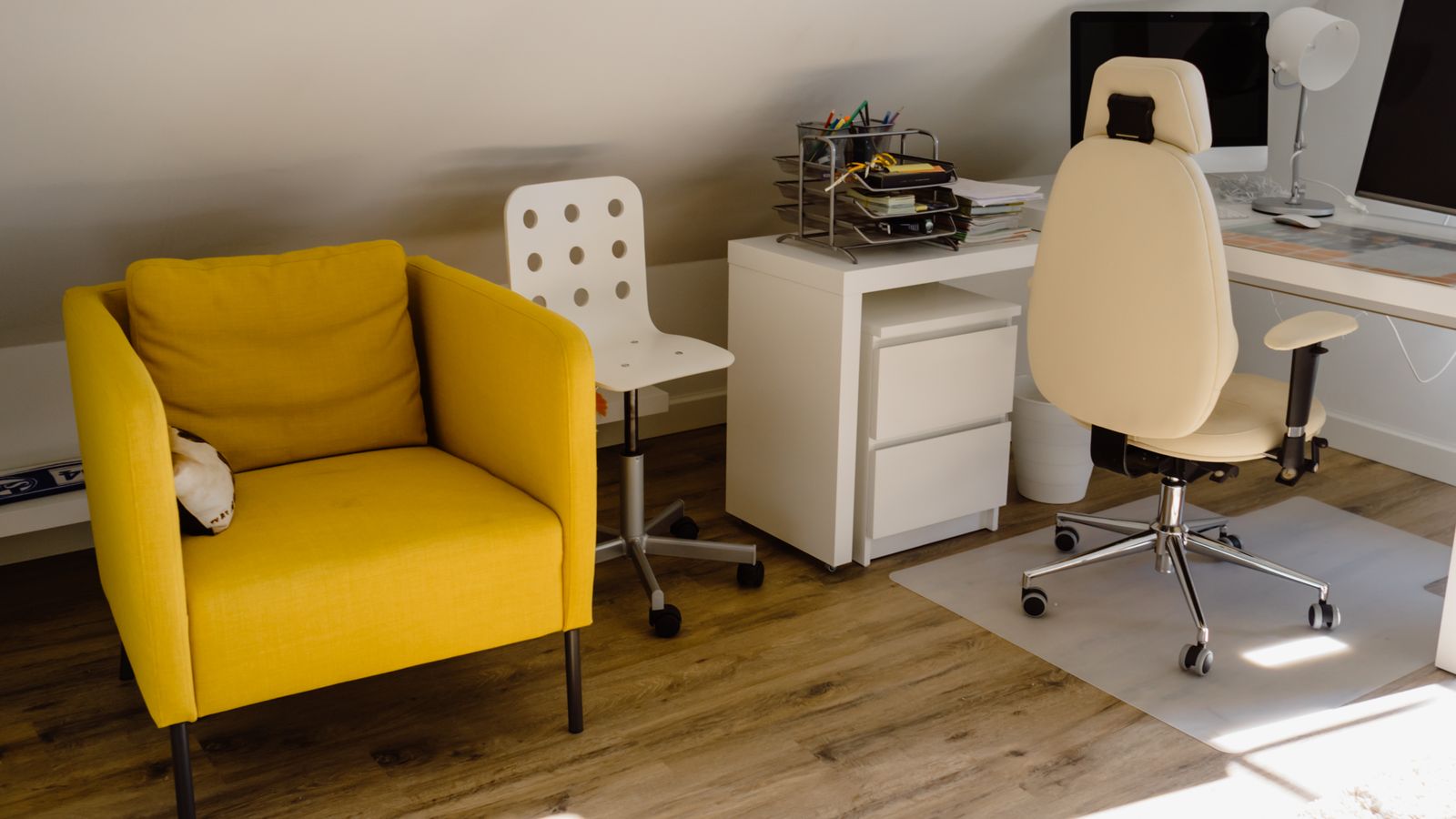
A chair mat is a rigid or semi-rigid sheet of plastic, polycarbonate, or vinyl placed under your desk chair so the casters roll freely instead of dragging through carpet fibers. On thick or plush carpet, wheels sink in, catch on the pile, and force you to push harder every time you scoot toward the keyboard or reach for a file. Over months, that resistance wears down both the carpet and the caster wheels themselves, leaving flattened tracks and frayed fibers under your desk.
The core benefits of a carpet mat are mechanical, not postural. It restores smooth rolling motion, protects the carpet from indentation and wear, and reduces the physical effort needed to move your chair throughout the day. If you notice your chair feels “stuck” when you try to roll it, or if you see visible wear patterns in the carpet near your desk, a mat is the more relevant fix. For a closer look at durable options built specifically for thick pile, see this roundup of Chair Mats for Carpet.
What a Seat Cushion Under $50 Actually Solves
A seat cushion, by contrast, addresses comfort and posture at the point of contact between you and the chair. Budget cushions in memory foam, gel-infused foam, or molded U-shaped designs redistribute pressure across the seat pan, relieve tailbone pressure, and can correct minor posture issues caused by a worn-out or overly firm factory cushion. If your chair’s original padding has compressed flat after a couple of years, or if you sit for long stretches and feel numbness or soreness in your hips and lower back, a cushion targets that problem directly.
Cushions do nothing for how your chair rolls across the floor — they solve a body-contact problem, not a flooring problem. Because they sit directly under you, quality and shape matter more than price alone. Browse a curated list of budget-friendly picks in this guide to seat cushions under $50 to compare foam density and shape options before buying.
Chair Mats vs Seat Cushions: Side-by-Side Comparison
Purpose
Chair mats protect flooring and improve rolling mobility. Seat cushions improve sitting comfort and support posture. They are not interchangeable, and buying the wrong one for your actual complaint means the problem persists.
Typical Price Range
Carpet-rated chair mats typically run from around $30 for a basic PVC mat to $120+ for large polycarbonate mats rated for heavy use. Seat cushions under $50 cover a wide range of quality, from thin foam pads around $15 to well-constructed gel-memory-foam hybrids closer to the $50 ceiling.
Installation Effort
Mats require you to clear the area, unroll or lay the mat flat, and sometimes anchor carpet-gripper spikes on the underside. Cushions need zero installation — you place them on the seat and adjust the attachment strap, if included, in under a minute.
Lifespan
A quality carpet mat can last 5+ years with minimal wear since it is rigid and simply sits in place. Foam cushions compress over time and typically need replacing every 1–2 years of daily use, depending on foam density and your body weight.
Impact on Chair Height and Ergonomics
Adding a cushion raises your seated height by 1–3 inches, which may push your desk and monitor out of ergonomic alignment unless you also raise the chair or desk. A mat does not change your seated height at all — it only changes how the chair moves across the floor.
Signs You Need a Chair Mat, Not a Cushion
- Your chair casters catch, drag, or make it hard to roll smoothly across the carpet.
- You see flattened, matted, or discolored carpet patches under your desk area.
- You have thick, plush, or high-pile carpet (anything over half an inch of pile height).
- You are wearing down caster wheels faster than expected due to friction.
- Your main complaint is physical effort moving the chair, not soreness while sitting still.
Signs You Need a Seat Cushion, Not a Mat
- Your tailbone, hips, or lower back ache after 30–60 minutes of sitting.
- The factory seat padding on your chair feels flat, hard, or visibly compressed.
- You sit on hardwood or tile flooring where rolling resistance is not the issue.
- You need extra height to reach a desk that sits slightly too tall for your chair’s range.
- Your discomfort is localized to your seat contact point, not your ability to move the chair.
When You Actually Need Both
Plenty of home offices genuinely benefit from pairing both accessories: a mat under the chair for smooth rolling on carpet, and a cushion on the seat for pressure relief during long work sessions. This combination makes the most sense if you work 6+ hours a day at a desk, sit on thick carpet, and are using an older or budget chair without built-in lumbar support or high-density factory foam. Buying both under $50 combined is realistic if you choose a basic PVC or low-pile mat and a foam (not gel-hybrid) cushion, keeping each purchase closer to the lower end of its price range.
If tailbone pressure specifically is your main complaint rather than general soreness, a targeted alternative worth comparing is a contoured or massage-style cushion — see this list of best massage cushions for options designed around pressure-point relief and gentle vibration therapy rather than flat foam padding alone.
How to Choose the Right Chair Mat for Your Carpet
Match Mat Thickness to Carpet Pile
Low-pile carpet (under 0.5 inches) works fine with a standard 2.5mm PVC mat. Medium to high-pile carpet needs a thicker mat, typically 3.4mm or more, often with carpet-gripper teeth on the underside to prevent shifting.
Check the Weight Rating
Match the mat’s rated capacity to your body weight plus chair weight. Most standard mats support up to 275 lbs; heavier-duty polycarbonate options rate higher and resist cracking under repeated rolling pressure.
Consider Mat Shape
Rectangular mats suit simple desk setups. Contoured or lipped mats extend slightly under the desk to give you a dedicated foot zone, useful if your desk sits flush against the mat’s edge.
Material Matters
PVC mats are the most affordable and adequate for light use. Polycarbonate mats cost more but resist yellowing, cracking, and denting far better over years of daily rolling.
How to Choose the Right Seat Cushion Under $50
Foam Type
Memory foam contours to your body but can retain heat. Gel-infused memory foam adds a cooling layer, useful if you sit for long stretches. Basic polyurethane foam is the most budget-friendly but compresses faster.
Shape
U-shaped or coccyx-cutout cushions relieve direct tailbone pressure, ideal if you have existing lower-back or tailbone sensitivity. Flat rectangular cushions distribute weight more evenly but do less for targeted pressure points.
Density
Higher-density foam holds its shape longer and resists the “pancaking” that makes cheap cushions useless within a few months. Look for cushions that specify a foam density rating rather than just “memory foam” as a generic label.
Cover and Maintenance
A removable, washable cover matters more than most buyers expect — cushions absorb sweat and daily use grime, and a non-removable cover shortens the practical lifespan considerably.
Budget Tips for Combining Both Under a Tight Budget
- Buy the mat first if your carpet is visibly damaging casters — floor protection prevents a more expensive chair repair later.
- Choose a basic foam cushion over a gel-hybrid if budget is tight; the pressure relief difference is smaller than the price gap suggests for occasional use.
- Watch for bundle discounts from the same retailer, since mats and cushions are often stocked in the same “home office accessories” category.
- Prioritize the mat if you use a rolling chair on carpet daily; prioritize the cushion if your chair already has a hard, non-rolling base like a kneeling chair or stool.
Common Mistakes to Avoid
- Buying a mat too thin for your carpet pile — a 2mm mat on thick shag carpet will still bow, curl, and fail to smooth out rolling resistance.
- Choosing a cushion by price alone — the cheapest cushions under $50 often use low-density foam that flattens within weeks, wasting the purchase.
- Ignoring seat height after adding a cushion — a 2-inch cushion can push your knees above hip level, undermining your existing ergonomic setup unless you readjust the chair.
- Assuming a mat fixes back pain — a mat improves mobility, not lumbar support; if your issue is soreness, a mat alone will not resolve it.
Frequently Asked Questions
Can I use a chair mat on top of a rug over hardwood?
Yes, as long as the mat is rated for the combined thickness of the rug. Thin, low-pile rugs generally work fine with a standard carpet-rated mat.
Will a seat cushion damage my chair’s factory upholstery?
No, most cushions rest on top of the existing seat and use a non-slip base or strap rather than adhesive, so they will not damage the upholstery underneath.
How often should I replace a budget seat cushion?
Expect to replace a foam cushion under $50 roughly every 1 to 2 years with daily use, sooner if you notice visible flattening or the foam no longer springs back after sitting.
Do chair mats work on all carpet types?
Most mats are rated for low or medium pile carpet. Very thick, high-pile, or shag carpet may need a specialty mat with deeper carpet-gripper teeth to stay in place.
Is it worth buying both a mat and a cushion at once?
If your budget allows it and you have both a mobility issue (carpet drag) and a comfort issue (seat soreness), yes — they solve entirely separate problems and complement each other well.
Final Thoughts
The choice between a chair mat for carpet and a seat cushion under $50 comes down to identifying which problem you actually have: is your chair hard to move, or is your body sore after sitting in it? Matching the fix to the actual complaint saves money and gets results faster than guessing. For many home offices on thick carpet with an aging chair, investing in both delivers the most noticeable everyday improvement — smoother movement plus better comfort — without needing to replace the chair itself.