A solid wood desk is one of those furniture purchases that quietly changes how a room feels. Unlike laminate or veneer surfaces, real wood carries its own grain, weight, and warmth, and it tends to outlast almost everything else in a home office. But solid wood also behaves differently than engineered materials — it expands and contracts with humidity, it scratches and dents in its own way, and it rewards a bit of care that particleboard desks simply don’t need. If you’re new to owning one, this guide walks through what to expect, how to set it up, and how to keep it looking good for years.

Why Choose a Solid Wood Desk in the First Place
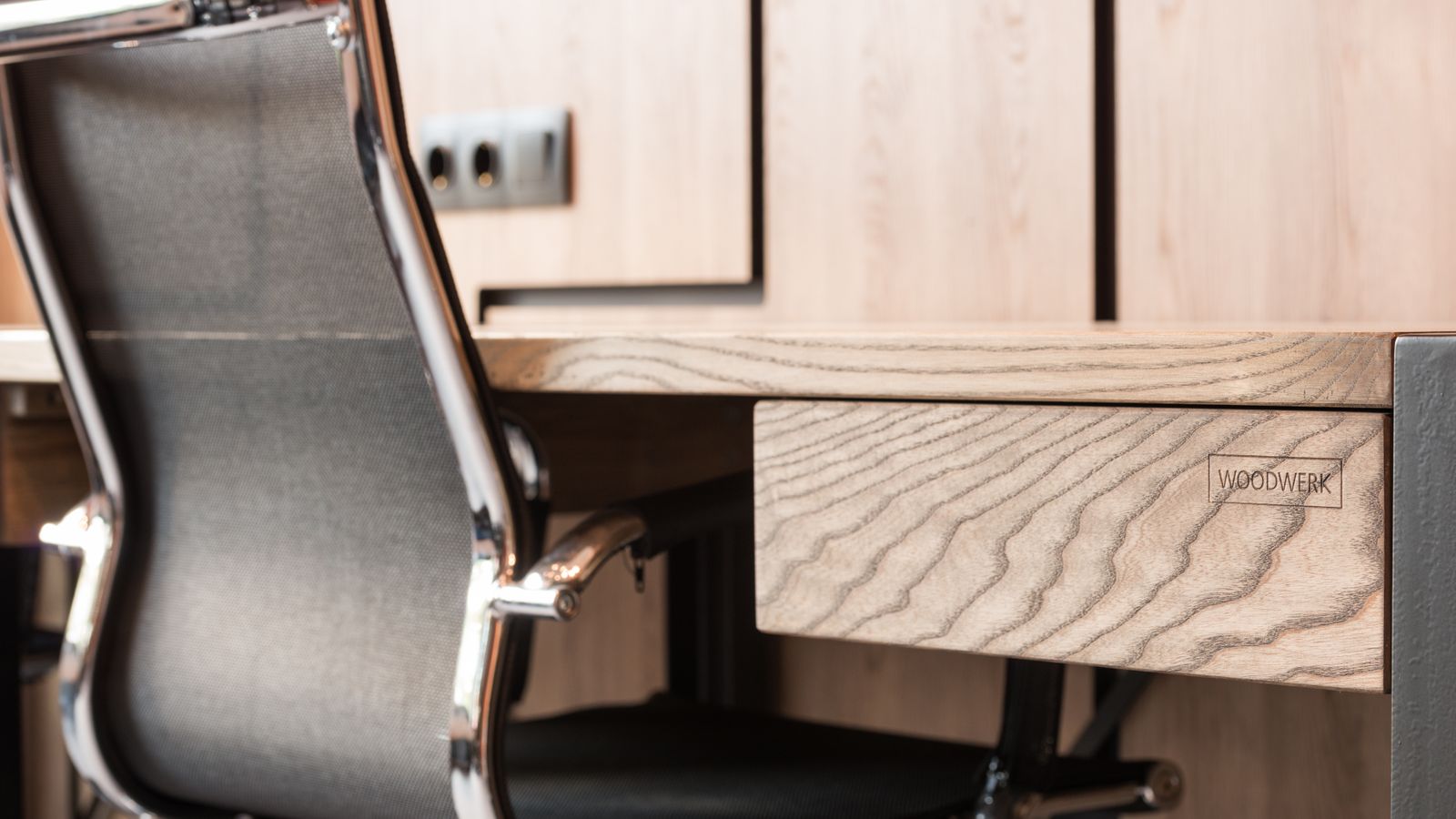
Before getting into care and setup, it helps to understand what makes solid wood different from the manufactured-wood desks most people are used to. A solid wood desk is built from actual boards of a single species — oak, walnut, maple, pine, acacia, and similar hardwoods and softwoods are common choices — rather than a particleboard or MDF core wrapped in a thin veneer or laminate.
The appeal is straightforward: solid wood is more durable over the long term, it can be sanded and refinished multiple times if the surface gets worn, and it simply looks and feels more substantial. Many owners also like that no two solid wood desks are identical; the grain pattern is unique to that specific piece of timber. If you’re comparing options before buying, it’s worth browsing a curated list of Solid Wood Desks to see how different species, finishes, and price points compare side by side.
Understanding Wood Species and What They Mean for You
Not all solid wood desks behave the same way, and the species used has a real effect on weight, durability, and price.
Hardwoods
Oak, walnut, maple, and cherry are dense, heavy, and highly resistant to dents and scratches. They tend to cost more but hold up extremely well under daily use, including years of typing, writing, and moving equipment around.
Softwoods
Pine and fir are lighter, more affordable, and easier to move, but they mark and dent more easily. A dropped stapler or a dragged chair leg can leave a visible mark on pine in a way it wouldn’t on oak. That doesn’t make softwood a bad choice — it just means you should expect some character marks over time, which many owners actually like.
Reclaimed and Live-Edge Wood
These desks use timber with visible history — old barn beams, salvaged flooring, or a slab with its natural bark edge left intact. They bring a lot of personality to a room but can have more surface variation, so it’s worth checking the finish quality before buying.
Setting Up Your Solid Wood Desk Correctly
Getting the setup right from day one prevents most of the problems new owners run into.
Choose a Stable Location
Avoid placing a solid wood desk near heating vents, radiators, direct sunlight through a window, or exterior doors with big temperature swings. Because wood is a natural material, it absorbs and releases moisture from the air, and rapid changes in humidity or temperature can cause warping, cracking, or gaps in joints over time.
Let It Acclimate
If your desk was shipped from a different climate, especially in winter, give it a day or two in the room before you start using it. This lets the wood adjust gradually rather than reacting all at once to the change in humidity.
Level the Legs
Solid wood desks are heavy, and an uneven floor can put uneven stress on the frame and joints over months of use. Most quality desks include adjustable feet — take a few minutes to level the desk with a small spirit level before loading it up with monitors and equipment.
Distribute the Weight
Spread monitors, printers, and other heavy items across the surface rather than clustering everything on one side or corner. This is especially important on desks with a thinner top or a single-pedestal design, where uneven loading can stress the joinery over time.

Protecting the Surface From Day-to-Day Wear
A little prevention goes a long way with solid wood, since scratches and stains are far easier to avoid than to fix.
- Use coasters and mats. Water rings from mugs and glasses are one of the most common complaints from new solid wood desk owners. A simple coaster habit prevents most of them.
- Add a desk pad for typing areas. A felt or leather desk pad protects the finish from keyboard and mouse wear, which can slowly dull a finish in the area you use most.
- Avoid direct heat sources. Laptops running hot, space heaters, or hot mugs placed directly on the wood can cause discoloration or finish damage.
- Lift, don’t drag. Sliding heavy equipment across the surface is one of the fastest ways to scratch a finish. Lift items when repositioning them.
- Watch for direct sunlight. UV exposure can fade or unevenly discolor wood over time, especially on desks placed near large windows. Consider a blind or UV-filtering film if your desk sits in direct light for long stretches of the day.
Cleaning and Maintaining the Finish
How you clean a solid wood desk depends on its finish, but a few habits apply almost universally.
Daily and Weekly Cleaning
Dust regularly with a soft, dry microfiber cloth. For light cleaning, a barely damp cloth followed immediately by a dry one removes most dust and fingerprints without introducing excess moisture into the wood.
Avoid Harsh Chemicals
Skip all-purpose sprays, ammonia-based cleaners, and abrasive pads. These can strip or cloud the finish, especially on oil or wax finishes. Look for a cleaner specifically labeled safe for wood furniture.
Condition Periodically
Desks with an oil or wax finish benefit from reconditioning every few months to a year, depending on use. A quality furniture wax or wood conditioner replenishes the surface and helps guard against drying and minor scratches. Desks with a polyurethane or lacquer finish generally don’t need this — check the manufacturer’s care instructions to know which type you have.
Handle Spills Immediately
Wipe up liquid spills right away rather than letting them sit, even on a sealed finish. Standing water is one of the most common causes of white rings and finish damage.
Common Beginner Mistakes to Avoid
A few habits trip up almost everyone new to solid wood furniture.
- Placing the desk against an exterior wall in a humid climate without any airflow behind it, which can encourage warping over time.
- Using generic all-purpose cleaning wipes instead of wood-safe products, which can dull or cloud a finish.
- Overloading one side of the desk with a heavy monitor arm or dual-monitor setup without checking the desk’s weight rating.
- Skipping the acclimation period after delivery, especially with desks shipped in winter or from a different climate zone.
- Assuming all finishes are maintained the same way — an oiled finish and a lacquered finish need different care routines entirely.
Matching a Solid Wood Desk to Your Workflow
Solid wood desks come in a range of styles, and the right one depends on how you actually use your workspace.
If You Want an Industrial Look
Pairing solid wood tops with metal frames is a popular combination that adds structural rigidity while keeping the warmth of natural wood on the surface. If that aesthetic appeals to you, it’s worth comparing options among industrial desks, which often blend a solid wood or wood-veneer top with a steel base for extra stability.
If You Need a Sit-Stand Setup
Solid wood tops are heavier than laminate, which means not every standing desk frame is rated to support one, particularly if you’re also adding monitor arms, a dual-monitor setup, or other equipment. Before combining a solid wood top with a motorized frame, check the frame’s weight capacity — a roundup of the best standing desks for heavy setups is a good place to compare frames built to handle heavier, denser tops without sacrificing lift stability.
If You Work With a Lot of Equipment
Multiple monitors, a docking station, and peripherals add both weight and heat near the desk surface. Favor a desk with a thicker top and a sturdy leg or panel base, and keep cable management in mind so cords aren’t dragging across the finish.
Budget Considerations
Solid wood desks span a wide price range, and it helps to know what you’re paying for at each tier.
Entry-Level Solid Wood
Often pine or a lighter hardwood with a simple finish. These are a good way to get real wood into your space without a big investment, though they’ll show wear a bit faster than denser hardwoods.
Mid-Range Options
Typically oak, acacia, or mango wood with a more durable finish and better joinery. This tier tends to offer the best balance of durability and price for most home offices.
Premium Hardwood Desks
Walnut, cherry, or thick live-edge slabs fall into this category. They cost significantly more but offer superior durability, refinishing potential, and resale value, making them a long-term investment rather than a short-term furniture purchase.
Whatever your budget, it’s worth comparing a few models directly rather than buying the first one you see — small differences in top thickness, leg design, and finish quality can make a noticeable difference in how the desk holds up.
Frequently Asked Questions
Is a solid wood desk worth the extra cost compared to laminate?
For most people who plan to keep a desk for many years, yes. Solid wood can be sanded and refinished when it shows wear, while laminate typically needs to be replaced once the surface is damaged.
How do I know what finish my desk has?
Check the product listing or manufacturer’s care sheet. As a rough test, oil and wax finishes tend to feel slightly matte and absorb a small amount of water if left uncovered, while polyurethane and lacquer finishes feel harder and more plastic-like to the touch.
Can a solid wood desk be used with a standing desk frame?
Yes, as long as the frame’s weight capacity accounts for the extra density of solid wood plus any monitors or equipment you plan to add. Always check the frame’s rated weight limit before mounting a solid wood top.
Will my solid wood desk change color over time?
Some natural darkening or slight color shift is normal, especially with woods like cherry or walnut, and it’s generally considered part of the wood’s character. Uneven fading from direct sunlight is avoidable with proper placement or window coverings.
How often should I clean or condition the desk?
Light dusting weekly is enough for most desks. Conditioning frequency depends on the finish — oil and wax finishes typically benefit from reconditioning every few months, while sealed finishes need it far less often.
Final Thoughts
A solid wood desk is a long-term investment that rewards a bit of ongoing care with decades of use, unlike disposable particleboard alternatives. Understanding the wood species, setting it up in a stable environment, and building a few simple maintenance habits will keep the surface looking good long after a laminate desk would have been replaced. If you’re still shopping, take the time to compare a few models — from classic hardwood designs to solid wood desks built with an eye toward industrial styling or heavy-duty standing setups — before settling on the one that fits your workspace and workflow.