Setting up a desk is never really a one-size-fits-all project. A tiny apartment corner, a shared family office, or a dedicated home studio each call for a different layout, different furniture proportions, and different priorities. This guide walks you through the full process of getting started with your desk setup for your specific space, so you end up with a workstation that actually fits the room and the person using it, instead of a generic arrangement copied from someone else’s photos.

Start by Measuring Your Space, Not Your Wish List
Before you look at a single product page, grab a tape measure. Note the width and depth of the wall or nook you plan to use, the ceiling height, the location of outlets, and any obstructions like radiators, baseboards, or window sills. Many desk-buying mistakes happen because someone falls in love with a large L-shaped unit before confirming it will actually clear a doorway or leave enough room to push a chair back comfortably.
As a rule of thumb, leave at least 30 inches of clearance behind the chair for walking space, and make sure the desk itself is at least 42 inches wide if you plan to use two monitors. If your space is tight, look at compact and wall-mounted options designed specifically for small footprints, such as the picks featured in our roundup of the best desks for apartments.
Define Who the Desk Is For
A desk setup should be built around the person using it, not just the room. A student doing homework has very different needs than a professional editing spreadsheets eight hours a day, and both differ from a hobbyist who needs surface area for sketching or drafting.
For Focused Desk Work and Writing
If the primary activity is reading, journaling, or long writing sessions, prioritize a clean, distraction-free surface with good lighting and minimal cable clutter. A narrower desk against a wall, paired with a comfortable task chair, is often plenty. Our guide to the desks for writers covers models built with this exact use case in mind, focusing on comfortable working heights and quiet, uncluttered surfaces.
For Detailed, Visual, or Technical Work
Architects, designers, engineers, and anyone working with large drawings, blueprints, or multiple reference materials need significantly more surface area and often a sturdier, more stable frame. If this describes your work, it is worth browsing dedicated options like the Desks for Architects collection, which highlights desks with generous tabletops and the structural rigidity needed for precise, detail-oriented tasks.
For Shared or Multi-Purpose Rooms
If the desk lives in a bedroom, living room corner, or a room used by more than one family member, think about how it will be used at different times of day. A fold-down or compact desk that can be tucked away, or a design that doubles as a console table, tends to work better than a bulky permanent installation.
Choose the Right Desk Type for the Space
Once you know the dimensions and the person, narrow down the desk category. The most common types include:
- Compact writing desks — ideal for apartments, dorm rooms, and small bedrooms where floor space is limited.
- Corner and L-shaped desks — good for rooms with an unused corner, offering more surface area without extending far into the walking path.
- Standing or height-adjustable desks — best for people who sit for long stretches and want the option to alternate postures throughout the day.
- Drafting or drawing desks — suited to architects, artists, and anyone who needs an angled or oversized surface.
- Wall-mounted or floating desks — a strong choice when floor space is at an absolute premium and a permanent footprint is not an option.
Matching the desk type to both the room and the person prevents the common mistake of buying a striking desk that simply does not work with how the space is actually used day to day.
Think Through Layout and Traffic Flow
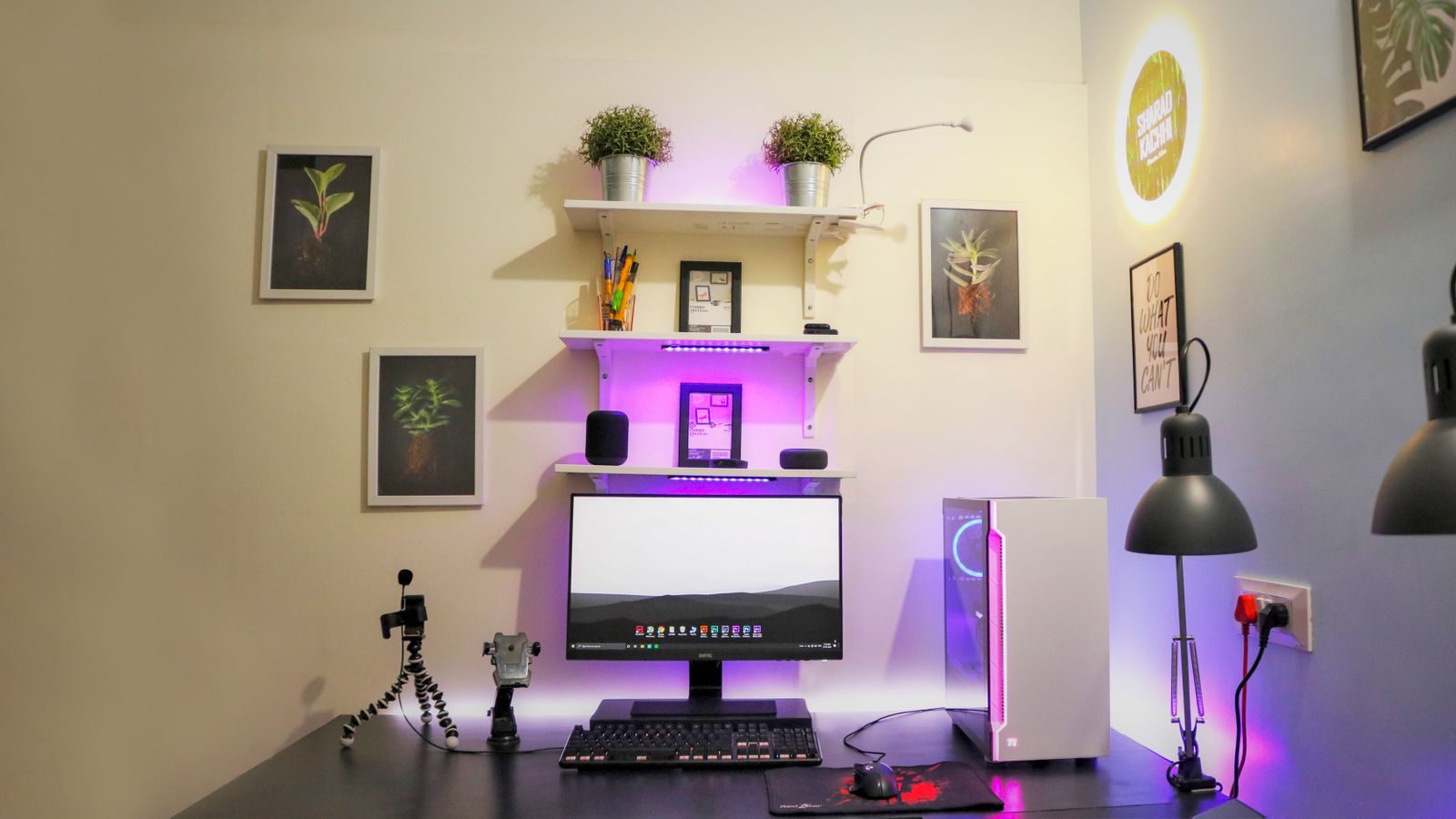
Once you have a shortlist of desk types, sketch out where the desk will sit relative to doors, windows, and other furniture. A desk facing a window can reduce eye strain from screen glare if positioned correctly, but avoid placing a monitor directly opposite a bright window, since the contrast makes the screen harder to read.
Also consider the flow of the room. If the desk sits along a path people walk through often, choose a design with a shallower depth so it does not create a bottleneck. In shared spaces, position the desk so the person sitting there is not facing a doorway others constantly walk past, which can be distracting during focused work.
Plan for Power, Lighting, and Cable Management
A great desk setup falls apart quickly if cables are trailing across the floor or the outlet is three feet away. Before finalizing the exact spot, check where the nearest outlets are and whether you will need an extension cord, a power strip, or a desk with a built-in grommet for cable routing.
Lighting matters just as much. Natural light is ideal for daytime work, but you should also plan for a desk lamp or overhead fixture for evenings. Position the light source so it does not create glare on a monitor or shine directly into your eyes while working.
Set a Realistic Budget
Desk setups can range from a modest folding table to a fully outfitted workstation with an adjustable base, monitor arm, and matching storage. Before shopping, decide roughly how much you want to spend on the desk itself versus accessories like a chair, lighting, and organizers. A sensible approach is to allocate the largest share of the budget to the desk and chair, since those two pieces affect comfort and posture the most, and treat smaller accessories as optional upgrades you can add later.
If your budget is limited, a simple, well-built compact desk paired with good lighting will outperform an expensive statement piece that does not fit the room properly.
Common Mistakes to Avoid
- Buying a desk before measuring the space, then discovering it blocks a door or drawer.
- Ignoring desk height relative to your chair, leading to wrist or shoulder strain.
- Choosing a large L-shaped desk for a small room simply because it looks impressive online.
- Forgetting to plan for cable routing until after the desk is already assembled.
- Placing the desk directly under harsh overhead lighting without a secondary task lamp.

Putting It All Together: A Simple Checklist
- Measure the available wall space, depth, and clearance behind the chair.
- Identify who will primarily use the desk and what kind of work they do.
- Pick a desk type — compact, L-shaped, standing, drafting, or wall-mounted — that matches both the room and the person.
- Map out the layout relative to windows, doors, and foot traffic.
- Confirm outlet locations and plan for cable management before assembly.
- Set a budget that prioritizes the desk and seating first, accessories second.
- Order the desk, then revisit lighting and organization once it is in place.
Frequently Asked Questions
How do I know what size desk fits my room?
Measure the wall length and subtract at least 30 inches for walking clearance behind the chair. Compare that number to the desk’s listed width and depth before purchasing, and check the space against options built for smaller rooms, like the best desks for apartments, if your available footprint is limited.
What desk height is comfortable for most people?
A standard desk height of around 28 to 30 inches works for most adults of average height, but if you are notably taller or shorter, look for an adjustable-height option so you can fine-tune the fit.
Do I need a standing desk to get started?
Not necessarily. A standing desk is a helpful upgrade for people who sit for long periods, but a well-chosen stationary desk that fits your space and work style is a perfectly good starting point.
How much should I budget for a full desk setup?
It depends heavily on the room and the person using it. A simple writer’s setup can be modest, while a detailed workstation for architects or designers with larger surfaces may cost more. Decide on the desk and chair budget first, then add accessories as needed.
What if my desk needs to serve more than one purpose?
Look for compact or foldable designs that can be tucked away or repurposed easily, and keep the surface as clutter-free as possible so it adapts to different tasks throughout the day.
Final Thoughts
Getting your desk setup right starts with understanding your room and the person who will actually sit there every day. Measure carefully, match the desk type to both the space and the work being done, and plan for power and lighting before you commit to a layout. Whether you need a focused writing nook, a detail-oriented workstation for technical projects, or a compact solution for a small apartment, taking these steps first will save you from costly rearranging later and help you build a desk setup that genuinely works for your space.