Choosing between an electric standing desk, a wall mounted desk, and a small desk comes down to one question: what does your space and your body actually need? Each option solves a different problem — ergonomics, square footage, or budget — and picking the wrong one means either wasted money or a workstation you stop using within a month. This guide breaks down how each desk type works, who it’s built for, and how to make the right call for your room.
What Each Desk Type Actually Offers
Before comparing features side by side, it helps to understand what each desk category is designed to solve. These aren’t interchangeable products — they’re built around different priorities.
Electric Standing Desks
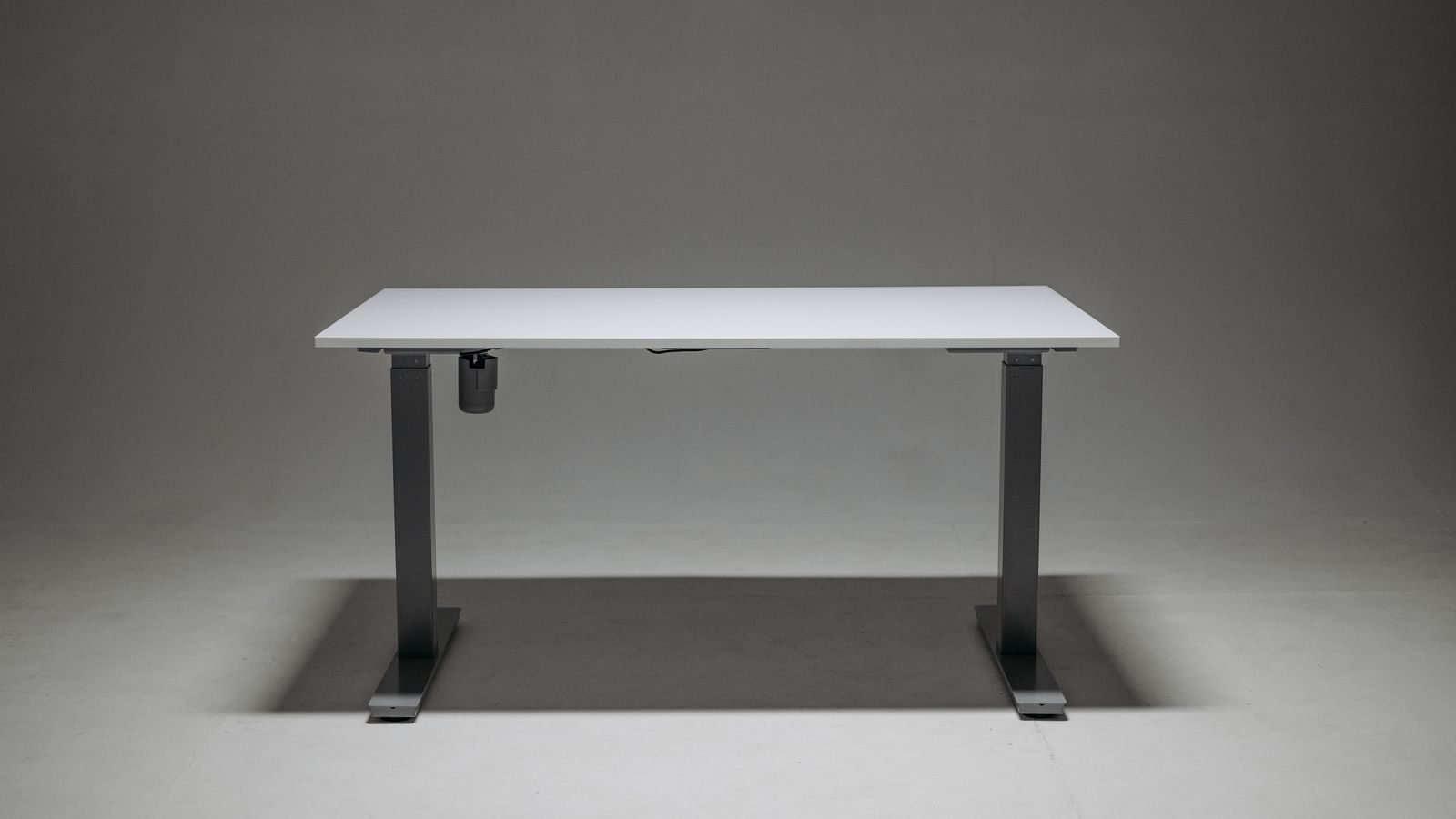
An electric standing desk uses a motorized lift system to raise and lower the tabletop, letting you switch between sitting and standing throughout the day. Most models include programmable height presets, a digital display, and dual motors for smoother, quieter adjustment. They’re the most ergonomically flexible option on this list, but they also take up the most floor space and cost the most upfront.
Wall Mounted Desks
A wall mounted desk attaches directly to the wall using brackets or a fold-down hinge mechanism, eliminating the need for legs entirely. Some fold flat against the wall when not in use, which makes them ideal for tiny apartments, dorm rooms, or shared spaces where floor space needs to serve multiple purposes. The tradeoff is limited weight capacity and, in most cases, a fixed (non-adjustable) height.
Small Desks
A small desk is simply a compact, fixed-height table — usually under 40 inches wide — designed to fit into corners, alcoves, or secondary work areas. These are the most affordable and easiest to move, but they offer no ergonomic adjustability and limited surface area for multi-monitor setups or paperwork.
Compare Them on Space First
Space is usually the deciding factor before ergonomics or budget even enter the conversation. Measure your available floor area and wall clearance before you fall in love with any single option.
- Under 6 feet of usable floor space: A wall mounted desk or small desk will fit better than a standing desk, which typically needs 24-30 inches of depth plus clearance to move the frame.
- Shared or multi-use rooms: A fold-down wall mounted desk lets you reclaim the floor when you’re not working, which a standing desk or small desk cannot do.
- Dedicated home office: If you have a room (or even a permanent corner) that’s just for work, an electric standing desk makes the most sense since space isn’t a constraint.
Compare Them on Ergonomics
If you sit at your desk for more than four hours a day, ergonomics should weigh heavily in your decision. Prolonged static sitting is linked to back pain, poor circulation, and reduced energy — and height adjustability is the single biggest factor in addressing that.
An electric standing desk is the clear winner here. Being able to shift from sitting to standing every hour or two reduces strain on your lower back and improves posture over time. Wall mounted desks and small desks are fixed height, so you’ll need to pair them with an external solution — like a desk riser or an adjustable chair — if ergonomics matter to you but a full standing desk isn’t feasible.

Compare Them on Budget
Price differences between these three categories are significant, and it’s worth being realistic about what you’re willing to spend before you start shopping.
- Small desks: Typically the cheapest option, often available for well under $150. Minimal materials and no moving parts keep costs down.
- Wall mounted desks: Mid-range pricing, generally between $80-$250 depending on whether the desk folds and what material the top is made from.
- Electric standing desks: The most expensive category due to the motor, control panel, and reinforced frame. Entry-level models start around $250, with premium dual-motor desks going well beyond $500.
If budget is your top constraint, a small desk gets you a functional workspace fastest. If you’re investing for the long term and plan to use the desk daily for years, the higher upfront cost of a standing desk often pays off in comfort and durability.
Compare Them on Setup and Installation
Installation complexity varies a lot between these desk types, and it’s easy to underestimate how much of a factor this becomes on move-in day.
Small desks require the least effort — most arrive with simple leg assembly you can finish in 15-20 minutes. Electric standing desks take longer to assemble (expect 30-60 minutes for the frame, motor wiring, and tabletop) but don’t require any wall modifications. Wall mounted desks are the most involved: you’ll need to locate wall studs, drill mounting holes, and ensure the wall material can support the desk’s weight rating. If you’re renting or in a space where you can’t drill into walls, a wall mounted desk may be off the table entirely.
Weight Capacity and Monitor Setups
If you run a dual-monitor setup, a docking station, or heavier peripherals, weight capacity matters more than most people expect.
Electric standing desks generally offer the highest weight capacity — many rated between 150-300 lbs — because the motorized frame is engineered to support both the desktop and repeated lifting cycles. Small desks vary but often handle 50-100 lbs comfortably. Wall mounted desks tend to have the lowest capacity, frequently in the 30-75 lb range, since the mounting brackets and wall anchors are the limiting factor rather than the desk material itself. If your setup includes two monitors, a laptop stand, and a full keyboard/mouse combo, check the weight rating carefully before committing to a wall mounted option.
Which One Should You Actually Choose?
Here’s a simple way to decide based on your priorities:
- Choose an electric standing desk if: You work from home full-time, sit for long stretches, and have the floor space and budget to invest in ergonomics.
- Choose a wall mounted desk if: You’re working with a small or shared room and need to reclaim floor space when the desk isn’t in use.
- Choose a small desk if: You need a simple, affordable, no-fuss workspace and don’t need height adjustability or heavy-duty weight capacity.
For readers who’ve narrowed it down to the ergonomic route, our roundup of Electric Standing Desks covers models across different price points and motor configurations. If space is your bigger constraint, browse our picks for wall mounted desks that fold flat and fit tight corners. And if you just need something compact and budget-friendly, check out our guide to the best small desks for apartments and secondary workspaces.
Common Mistakes to Avoid
- Underestimating clearance: Standing desks need room to extend upward and space behind the frame to move — measure with the desk at full height, not just its footprint at rest.
- Ignoring wall material: Drywall alone won’t support a wall mounted desk safely; you need to anchor into studs or use appropriate wall anchors rated for the desk’s weight.
- Buying too small: A small desk that’s too narrow for your monitor and keyboard setup will feel cramped fast — measure your equipment’s footprint before buying.
- Skipping the motor warranty: For electric standing desks, the motor is the part most likely to fail over time — always check the warranty length on the motor specifically, not just the frame.
Frequently Asked Questions
Can a wall mounted desk hold a monitor arm?
Some can, but you’ll need to check the specific weight rating and mounting instructions. Since wall mounted desks rely on wall anchors rather than legs, adding a monitor arm on top increases the load on those anchors — confirm the combined weight stays within the manufacturer’s limit.
Is an electric standing desk worth it for a small apartment?
It can be, but only if you have a dedicated spot for it. Because standing desks don’t fold away, they permanently occupy floor space. If your apartment is small and multi-use, a wall mounted desk that folds flat may serve you better.
Do small desks come in adjustable-height versions?
Most small desks are fixed height, but some manual crank or pneumatic models exist in compact sizes. If height adjustability is important but space is tight, look for a smaller-footprint electric standing desk rather than assuming all small desks lack adjustability.
How much weight can a typical wall mounted desk hold?
It varies by model and mounting hardware, but many wall mounted desks are rated between 30-75 lbs. Always check the manufacturer’s spec sheet and make sure your wall studs can support that load before installing.
Which option is best for a shared home office?
A wall mounted desk is usually the most practical choice for shared spaces since it can fold away when not in use, freeing up the room for other purposes throughout the day.
Final Thoughts
There’s no single “best” desk among these three — only the one that matches your space, budget, and how you actually work. If ergonomics and daily comfort are the priority and you have the room, an electric standing desk is worth the investment. If space is tight or shared, a wall mounted desk offers flexibility without sacrificing function. And if you just need something simple and affordable, a small desk gets the job done without complications. Take an honest look at your room dimensions and daily habits before you buy, and you’ll end up with a desk you actually use every day.