A large air fryer can change the way your whole family eats, letting you cook bigger batches of crispy food with less oil and less time in front of the oven. But if you just unboxed one, or you are still deciding whether a large-capacity model fits your kitchen and your household, it helps to understand exactly how these appliances work before you start throwing frozen fries in the basket. This beginner’s guide walks you through what makes a large air fryer different, how to set it up safely, what to cook first, and how to keep it running well for years.
What Counts as a “Large” Air Fryer?
Air fryers are typically measured by basket or oven capacity in quarts or liters. Compact models sit around 2–3 quarts, which is fine for a single person or a couple. A “large” air fryer usually starts at 6 quarts and can go up to 10, 12, or even 16 quarts for the oven-style units with multiple racks. That extra volume matters if you regularly cook for a family of four or more, batch-cook meal prep for the week, or want to roast a whole chicken without cutting it into pieces.
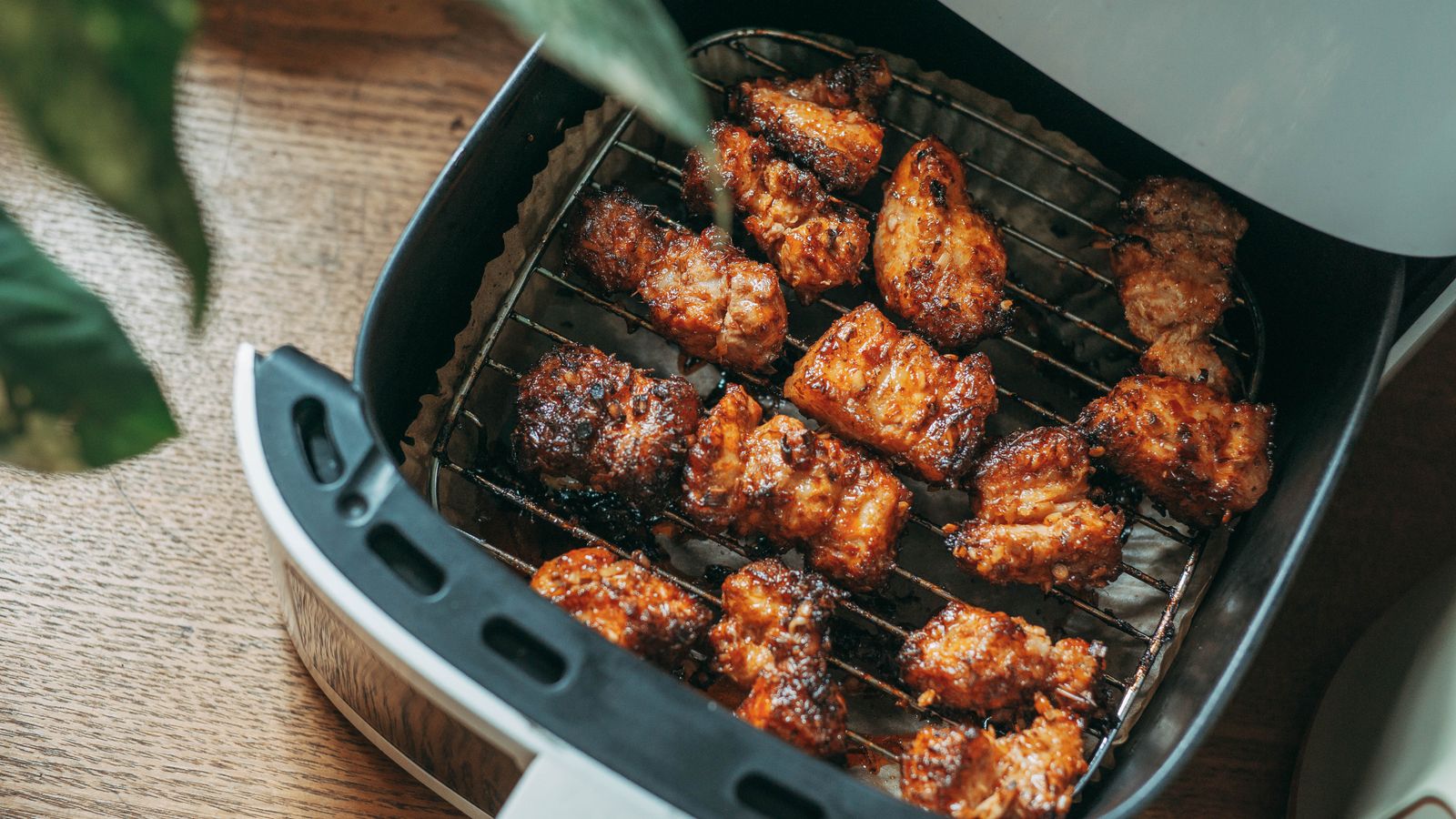
Large air fryers generally come in two basic shapes: basket-style units with one or two drawers, and toaster-oven-style units with a front door and sliding racks. Basket models are usually more compact and faster to preheat, while oven-style units offer more cooking surface and let you use multiple racks at once, which is handy for weeknight dinners with several components.
Choosing the Right Size for Your Household
Before you buy, think honestly about how many people you are cooking for and how often. A 6-quart basket is generally enough for 3–4 servings of something like fries, chicken wings, or roasted vegetables. If you regularly cook for five or more people, or you like to batch-cook proteins for the week, look at 8-quart baskets or multi-rack oven models instead. Keep in mind that a bigger unit also takes up more counter space and cabinet storage, so measure your kitchen before committing to the largest model available.
If you are still comparing models and specs, it helps to look at a curated roundup of well-reviewed options rather than guessing. A good place to start is a list of Large Air Fryers that breaks down capacity, wattage, and features side by side so you can match a model to your household size.
Unboxing and First-Time Setup
- Remove all packaging materials, including any foam inserts or plastic film on the display panel and basket.
- Wash the basket, tray, and any racks with warm soapy water before first use, even though the manual may say they are pre-cleaned.
- Place the unit on a flat, heat-resistant surface with at least 5 inches of clearance on all sides and above it, since air fryers vent hot air out the back or top.
- Plug directly into a wall outlet rather than an extension cord, since these appliances draw significant power during preheating.
- Run an empty preheat cycle at a moderate temperature (around 375°F) for 5–10 minutes to burn off any manufacturing residue and clear out any factory smell.
Understanding the Controls
Most large air fryers use one of two control styles: a dial-based analog interface or a digital touchscreen with presets. Digital models often include buttons labeled for fries, chicken, fish, vegetables, and reheat, which are simply pre-programmed time and temperature combinations. You are not required to use them — you can always set custom time and temperature manually, which gives you more control once you get comfortable with the appliance.
Two settings you will use constantly are temperature (usually 180°F to 400°F) and time (often up to 60 minutes). A shake or flip reminder partway through cooking is common on basket models and helps food brown evenly, since air fryers cook with rapidly circulating hot air rather than submerging food in oil.
Cooking Basics: Oil, Spacing, and Preheating
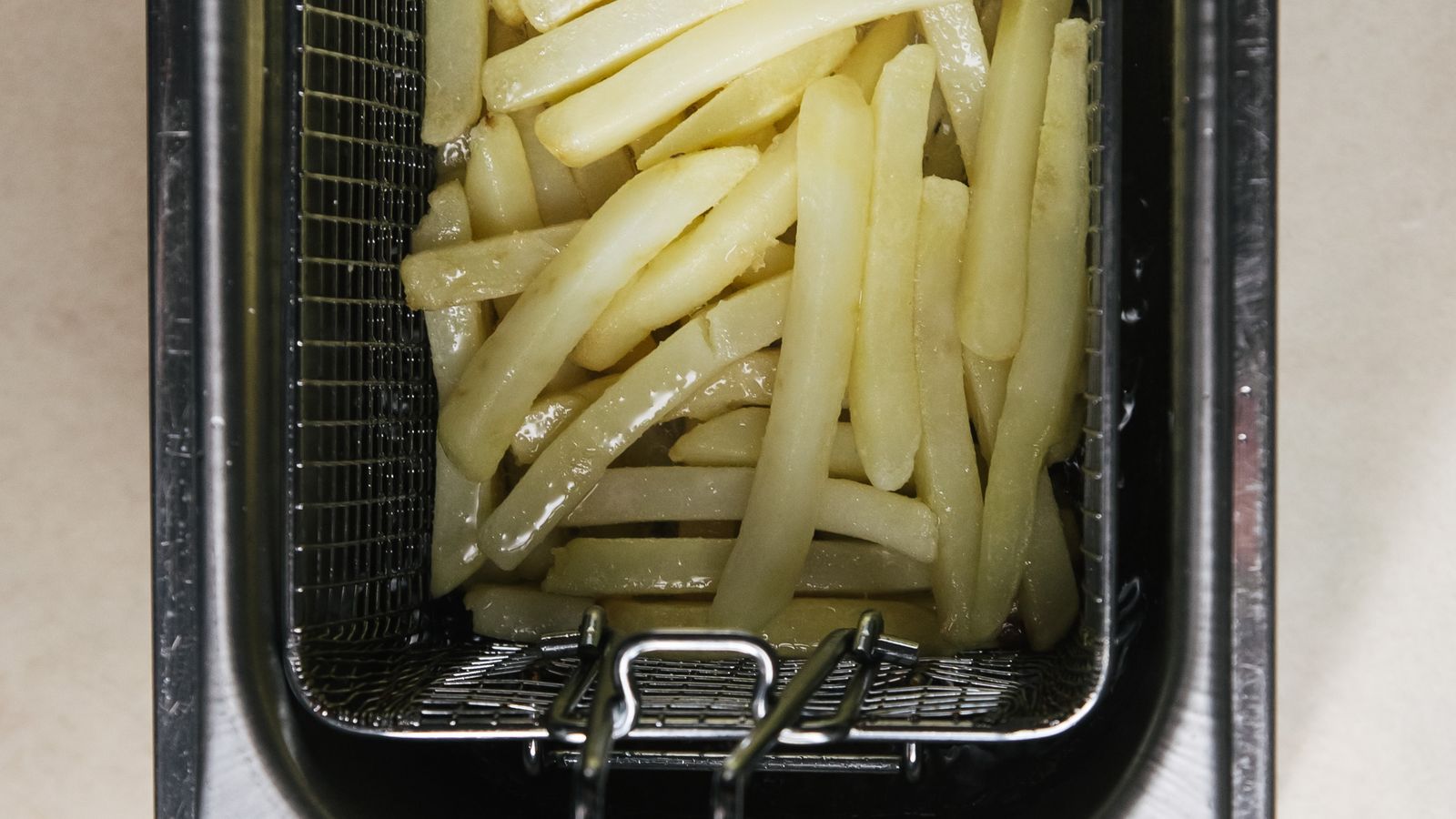
One of the biggest adjustments for new air fryer owners is using far less oil than a deep fryer or even a skillet. A light coating — often just a tablespoon or a quick spray — is enough to help food crisp up and brown. Too much oil can pool in the basket and cause smoking or uneven cooking.
Spacing matters just as much as oil. Overcrowding the basket blocks airflow and leaves food soggy instead of crispy, even in a large-capacity unit. Arrange items in a single layer with small gaps between pieces, and cook in batches if needed rather than piling everything in at once. Preheating for 3–5 minutes before adding food, especially for proteins and battered items, also improves texture significantly.
What to Cook First as a Beginner
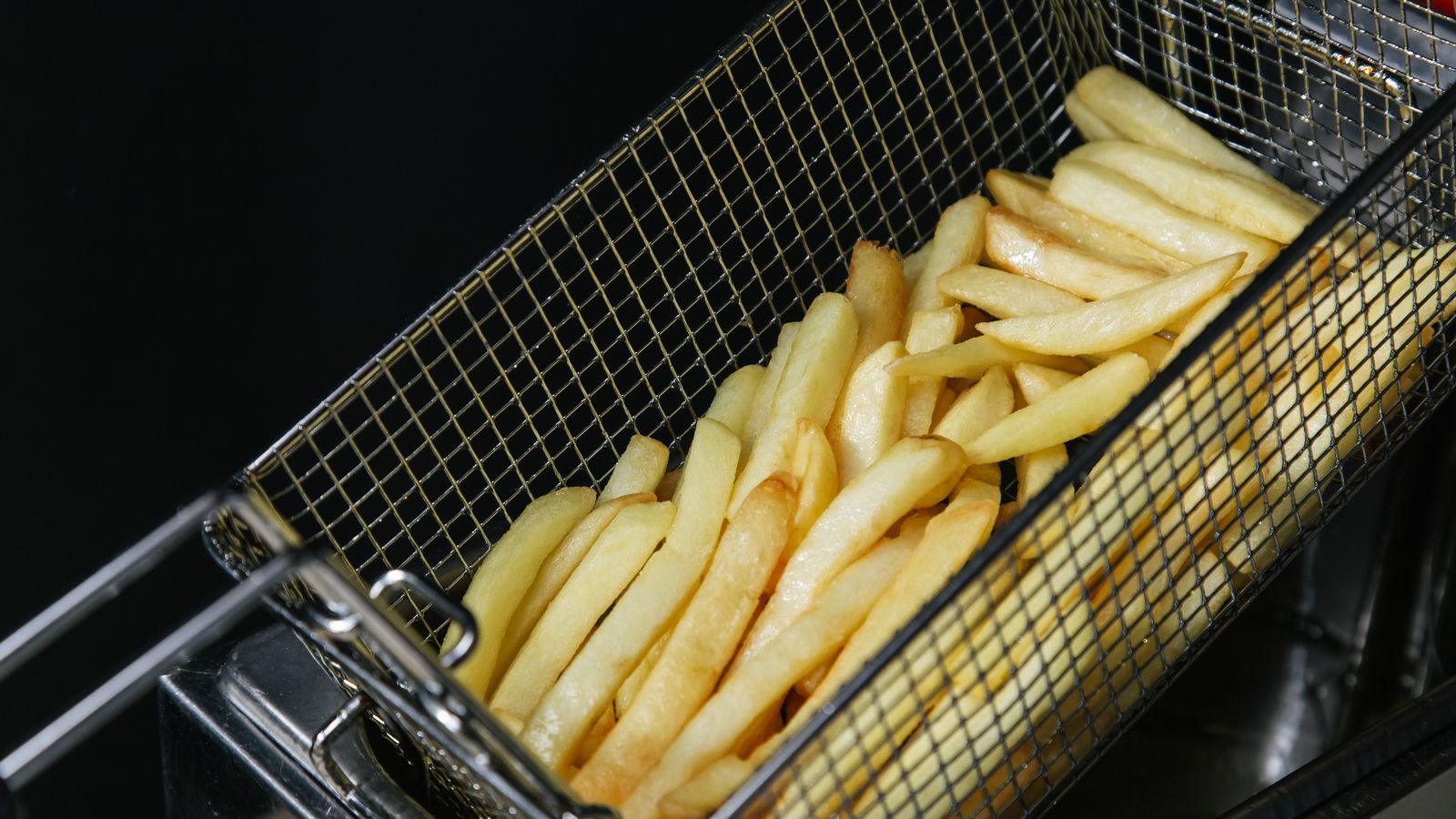
- Frozen fries or tater tots — a forgiving, low-risk first recipe that shows you how crisping works.
- Chicken wings or drumsticks — great for testing how your model handles fat rendering and browning.
- Roasted vegetables — broccoli, brussels sprouts, or sliced carrots tossed in a little oil and seasoning.
- Reheated leftovers — pizza slices or fried food reheat far crispier in an air fryer than in a microwave.
- A whole chicken or roast — once you are comfortable, larger oven-style units can handle bigger cuts, which is where a large-capacity model really earns its keep.
Cleaning and Maintenance
Consistent cleaning keeps a large air fryer performing well and prevents smoke or lingering odors. After each use, let the unit cool, then wipe down the basket and tray with warm soapy water or run them through the dishwasher if they are labeled dishwasher-safe. Check the heating element area for grease buildup every few weeks and wipe it with a damp cloth once the appliance is unplugged and fully cooled.
Avoid abrasive scrubbers on non-stick baskets, since scratches reduce the coating’s effectiveness over time and can shorten the appliance’s lifespan. If you notice smoke during cooking, it is often a sign of accumulated grease rather than a malfunction, so a deeper clean usually solves it.
Common Beginner Mistakes
- Overcrowding the basket to save time, which leads to soggy, unevenly cooked food.
- Skipping preheat on recipes that specifically call for it, resulting in longer cook times and less crisp results.
- Using too much oil, which can create excess smoke and greasy food instead of the light, crispy texture air frying is known for.
- Ignoring the manual’s wattage and outlet guidance, especially with larger units that draw more power than compact models.
- Forgetting to shake or flip food halfway through cooking, especially in basket-style fryers without a rotating mechanism.
Pairing Your Kitchen Setup for Family Meals
If you are outfitting a family kitchen and dining nook, a large air fryer often becomes the centerpiece of quick weeknight dinners, and it pairs naturally with an organized homework and meal-prep routine for kids. If your children do homework at the kitchen table while dinner cooks, having a dedicated workspace elsewhere in the house can keep things tidier; browsing options like kids desks or a set of best homework desks can help create a designated spot for schoolwork away from the kitchen counter, so mealtime prep and clean-up stay separate from study time.
Safety Tips Every Beginner Should Know
- Never cover the vents with foil or parchment paper unless the manufacturer explicitly says it is safe, since blocked airflow can cause overheating.
- Use oven mitts when removing the basket, since the handle and surrounding metal get very hot during and after cooking.
- Keep the unit away from the edge of the counter and away from curious hands, especially in households with young kids.
- Do not submerge the main housing in water — only the removable basket and tray are typically safe to wash directly.
- Unplug the unit when not in use for extended periods, particularly overnight.
Frequently Asked Questions
Do I need to preheat a large air fryer every time?
Not always. Quick reheats or items that cook in under 10 minutes often do fine without preheating. Longer recipes, battered foods, and proteins usually benefit from a short 3–5 minute preheat for more even, crispy results.
Can I line the basket with parchment paper or foil?
Many large air fryers allow perforated parchment liners designed for air frying, but always check your manual first. Solid foil that blocks airflow near the heating element is generally not recommended.
How much oil should I actually use?
Usually just a tablespoon or a light spray coating is enough for most foods. The point of an air fryer is to crisp food with minimal oil, so resist the urge to add more than the recipe calls for.
Is a large air fryer worth it for a small household?
It depends on your habits. If you batch-cook, meal prep, or frequently host guests, the extra capacity is convenient even for a smaller household. If you mostly cook single portions, a compact model may be more practical and easier to store.
How do I know if my air fryer is the right size for my family?
A good rule of thumb is roughly 1.5–2 quarts of capacity per person for a typical dinner portion. Comparing capacity and rack configuration across a few well-reviewed Large Air Fryers can help you land on the right fit before you buy.
Final Thoughts
A large air fryer is a genuinely useful upgrade for busy households once you understand the basics: give food room to breathe, use light oil, preheat when it matters, and clean the basket regularly. Start with simple, forgiving recipes while you learn how your specific model behaves, then work up to bigger batches and whole proteins as you get comfortable. With a little practice, it can easily become the appliance your family reaches for most on weeknights.