When you start thinking seriously about protecting cash, documents, jewelry, or a firearm at home, two very different tools usually come up: a home safe and a deadbolt lock. They sound like they solve the same problem, but they actually protect against different threats in different ways. A deadbolt secures an entry point so intruders cannot easily get into your home in the first place, while a safe protects specific valuables even if someone does get inside. Understanding this distinction is the key to choosing the right one — or, in most cases, deciding you need both working together.
This guide breaks down how home safes and deadbolt locks actually work, what each one is best suited for, and how to decide which one deserves your budget first. We will also cover the different types available, how they compare on cost and installation, and how to build a layered security plan that uses both.
What a Deadbolt Lock Actually Does
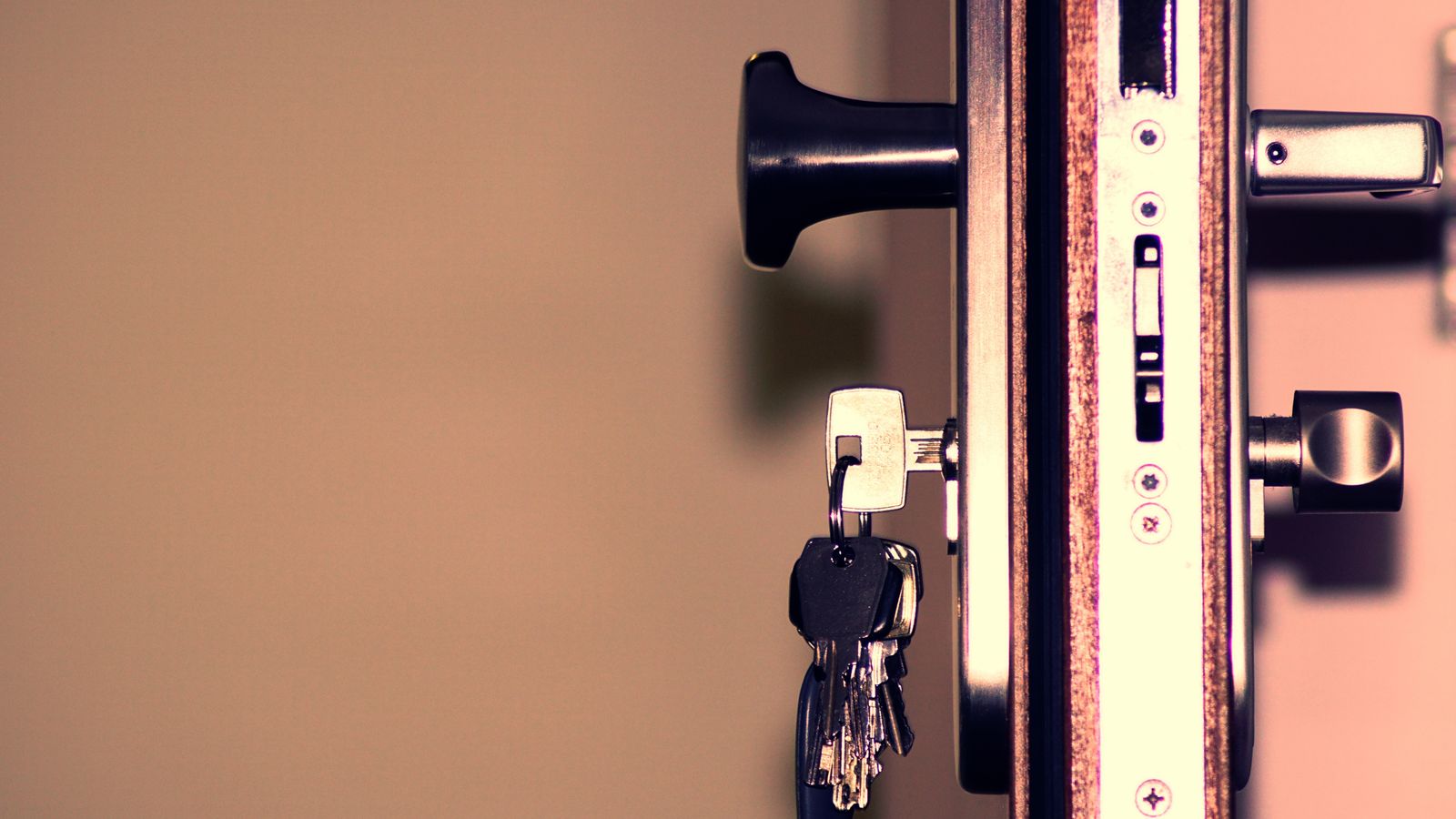
A deadbolt is a mechanical locking mechanism installed on a door, separate from the regular doorknob lock. Unlike a spring-latch lock, a deadbolt’s bolt extends straight into the door frame and cannot be forced back with a simple shim or credit card, which makes it far more resistant to prying and slipping attacks.
Single-Cylinder vs. Double-Cylinder Deadbolts
Single-cylinder deadbolts use a key on the outside and a thumb-turn on the inside, which makes them easy to lock quickly when leaving a room. Double-cylinder deadbolts require a key on both sides, which adds security against someone breaking a nearby window and reaching in to unlock the door, but they can slow down escape during an emergency, so many fire codes restrict their use on primary exits.
Grade Ratings Matter
Deadbolts are rated by ANSI/BHMA grades, with Grade 1 being the most durable and commercial-strength, Grade 2 being a solid residential upgrade, and Grade 3 being the baseline you find on most builder-grade doors. If you are serious about entry-point security, a Grade 1 or Grade 2 deadbolt is worth the extra cost over a basic Grade 3 unit.
What a Home Safe Actually Does
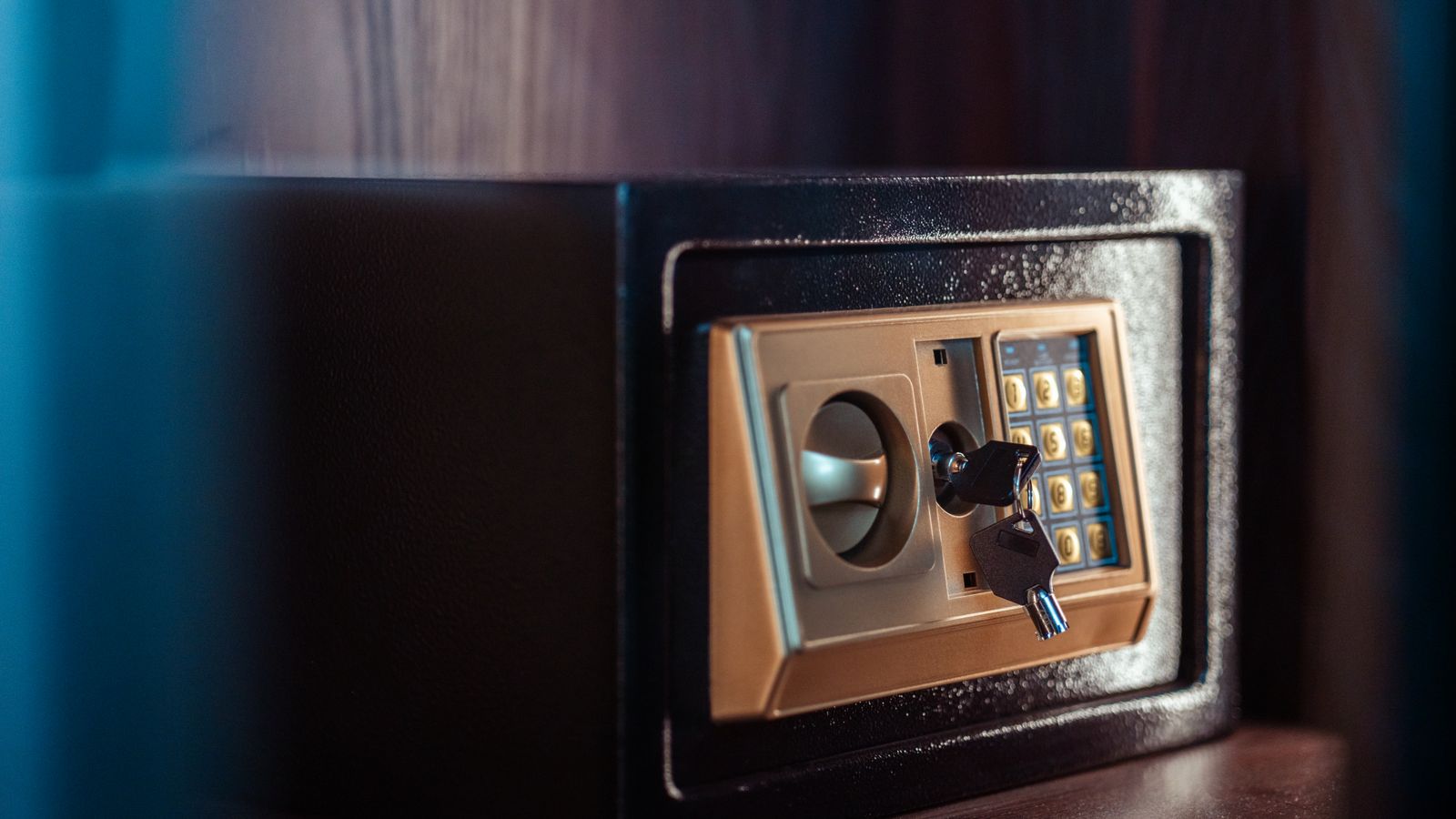
A safe is a locked enclosure designed to protect its contents from theft, fire, water damage, or a combination of all three, regardless of whether someone has already gotten into your house. Safes are rated separately for burglary resistance and fire resistance, and the two ratings are not interchangeable — a fireproof safe is not automatically burglar-resistant, and vice versa.
Common Types of Home Safes
- Fireproof document safes — designed to keep paper and small media below combustion temperature for a set duration, usually 30 minutes to 2 hours.
- Burglary safes — built with thicker steel walls and reinforced locking bolts to resist prying, drilling, and forced entry.
- Gun safes — larger units built to secure firearms, often with both fire resistance and tamper-resistant locking mechanisms.
- Wall or floor safes — installed inside a wall cavity or under flooring so they are hidden and harder to remove entirely.
- Portable lock boxes — smaller, lighter safes meant for travel or quick access rather than long-term high-value storage.
If you are ready to compare specific models, our roundup of Home Safes covers fireproof, burglary-rated, and gun safe options across a range of budgets.
Home Safe vs. Deadbolt Lock: Key Differences
What Each One Protects
A deadbolt protects your entire home by making forced entry through a door significantly harder. A safe protects specific items — cash, jewelry, important documents, firearms — even in scenarios where an intruder has already gained access, or where fire or flooding threatens the whole house.
Where the Threat Comes From
Deadbolts primarily defend against opportunistic break-ins where someone tries to force, pick, or bump a lock. Safes defend against a wider range of threats, including burglars who are already inside, house fires, natural disasters, and even trusted visitors like contractors, guests, or house sitters who should not have access to sensitive items.
Cost and Installation
A quality deadbolt typically costs less than a mid-range safe and can be installed in under an hour with basic tools, making it one of the most cost-effective security upgrades available. Safes range widely in price depending on size, steel gauge, and fire rating, and larger units require careful placement due to weight and, in the case of wall or floor safes, some construction work.
Level of Protection Over Time
A deadbolt only works while the door is locked and the frame is solid — a weak door frame can undermine even a Grade 1 deadbolt. A safe’s protection is largely independent of the rest of the house; a properly rated and anchored safe still protects its contents even if a window is broken or another door is compromised.
Which One Should You Buy First?
If your front, back, or side entry doors currently rely only on the lock built into the doorknob, upgrading to a deadbolt should be your first move. Doorknob locks alone are among the easiest entry points for intruders to defeat, and a Grade 2 deadbolt closes that gap for a relatively small investment.
If your doors are already secured with solid deadbolts, or if you specifically need to protect items like passports, firearms, jewelry, or backup drives from theft, fire, or unauthorized access by people already inside your home, a safe becomes the priority. Many households eventually need both, but sequencing your budget around your actual weak point avoids overspending on redundant protection.
A Few Questions to Guide the Decision
- Do all exterior doors currently have a separate deadbolt, or just a knob lock?
- Do you own firearms, which typically require dedicated safe storage by law in many areas?
- Do you keep irreplaceable documents (deeds, passports, birth certificates) that need fire protection?
- Is your main concern people getting into the house, or specific items being taken or destroyed once someone is inside?
- What is your total security budget, and does it need to be split across multiple upgrades this year?
Building a Layered Security Approach
Security professionals generally recommend layering defenses rather than relying on a single product. A strong deadbolt on every exterior door reduces the odds of forced entry succeeding at all. A properly rated and anchored safe then protects your most valuable or sensitive items even in the worst-case scenario where an intruder, fire, or flood does get through the outer layer.
For a complete entry-point upgrade, pair a Grade 1 or Grade 2 deadbolt with a strike plate reinforced with 3-inch screws driven into the door frame’s stud, not just the trim. This single change dramatically increases resistance to kick-in attacks. Once your entry points are solid, browse our guide to deadbolt locks to compare specific grade ratings, keyless options, and smart lock integrations.
Budget Tips for Both Upgrades
You do not need to buy the most expensive option on the shelf to get meaningful protection. For deadbolts, prioritize the ANSI grade and strike plate quality over brand name or finish color — a mid-priced Grade 2 deadbolt installed correctly will outperform an expensive but poorly fitted lock. For safes, prioritize the fire rating and steel gauge that match your actual contents; a small document safe rated for 30 minutes of fire protection may be all you need if you are not storing firearms or bulky valuables.
If your budget only allows one purchase this year, remember that a deadbolt protects the whole household from forced entry for a relatively low cost, while a safe is a more targeted investment for specific belongings. Many homeowners start with deadbolts on all exterior doors, then add a safe once that baseline is covered.
Common Mistakes to Avoid
- Skipping the strike plate upgrade — a great deadbolt paired with a flimsy strike plate and short screws is still vulnerable to kicking.
- Buying a safe that is too light to anchor — an unanchored safe can simply be carried out of the house by burglars.
- Assuming fireproof means burglar-proof — check both ratings separately before buying a safe.
- Hiding the safe in an obvious spot — closets and under-bed locations are the first places burglars check.
- Ignoring door frame condition — a rotted or hollow frame undermines even the best-rated deadbolt.
Frequently Asked Questions
Can a safe replace a deadbolt lock?
No. A safe protects specific items inside your home, but it does nothing to stop someone from entering in the first place. A deadbolt addresses entry-point security, which is a separate layer of protection.
Do I need both a home safe and a deadbolt?
For most households, yes. A deadbolt reduces the chance of a break-in happening at all, while a safe limits the damage if one does occur or if a fire breaks out.
What deadbolt grade should I buy for a front door?
A Grade 1 or Grade 2 ANSI/BHMA-rated deadbolt is recommended for primary entry doors, since these grades are tested for higher cycle counts and forced-entry resistance than Grade 3 units.
Should a home safe be bolted down?
Yes, whenever possible. Anchoring a safe to a floor or wall stud prevents it from being carried away entirely, which is one of the most common ways burglars defeat smaller safes.
Is a smart deadbolt as secure as a traditional one?
A quality smart deadbolt can match the mechanical security of a traditional one as long as it carries a solid ANSI grade rating; the “smart” features add convenience, not a replacement for that underlying grade.
Final Thoughts
Home safes and deadbolt locks solve different problems, and the right choice depends on where your current vulnerability lies. If your doors are under-secured, start with a properly rated deadbolt and a reinforced strike plate. If your entry points are solid but your valuables, documents, or firearms are unprotected against theft or fire, a safe is the better next step. Most homeowners eventually invest in both, layering entry-point security with targeted protection for their most important belongings, and that combination is what gives a home the strongest overall defense.