A warm room turns an ordinary workday into an exercise in discomfort. Sticky vinyl seats, dense memory foam that traps body heat, and mesh-less backrests can leave you shifting in your seat every few minutes instead of focusing on work. If your home office sits under a sunny window, in an attic conversion, or in a space without reliable air conditioning, the chair you sit in matters just as much as the thermostat setting. This guide walks through exactly what to look for so you can build a short, confident shortlist of office chairs for warm rooms before you buy.
Why Room Temperature Changes What Makes a Good Chair
Most buying advice for office chairs focuses on ergonomics alone: lumbar support, seat depth, armrest adjustability. Those factors still matter, but in a warm room they are only half the equation. The materials touching your body for six to eight hours a day determine whether you stay comfortable or spend the afternoon peeling your legs off the seat pan. Breathability, heat retention, and moisture management become just as important as tilt tension or headrest height.
Rooms that run warm — south-facing home offices, converted garages, upper-floor bedrooms turned workspaces, or spaces without central air — build up radiant heat throughout the day. A chair upholstered in dense polyurethane foam and vinyl will absorb and hold that heat, while a mesh-backed chair lets air pass through continuously, carrying warmth away from your back and seat.
Start With the Backrest Material
Mesh Beats Upholstered Foam for Airflow
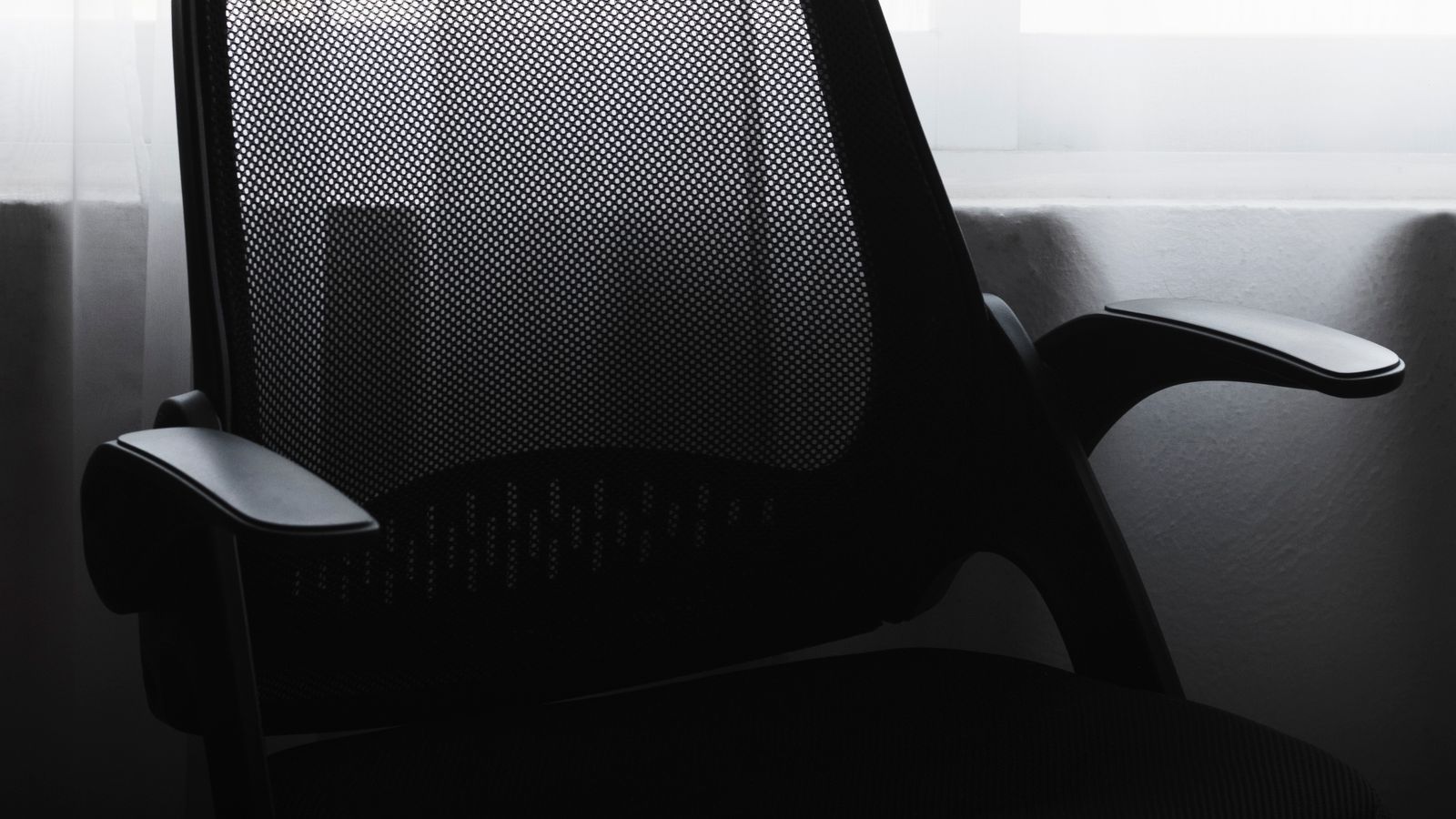
The single biggest factor in keeping cool is whether the backrest is mesh or solid upholstery. Woven mesh backrests allow continuous airflow between your back and the chair frame, preventing the pocket of trapped heat that builds up against a padded backrest within the first twenty minutes of sitting. If your room regularly climbs above 75°F, a mesh back should be non-negotiable on your shortlist.
Look specifically at mesh tension and weave density. A tightly woven, low-stretch mesh supports your spine properly while still letting air circulate, whereas a loose or overly stretchy mesh can sag over time and lose both support and airflow benefits. Reputable brands describe their mesh in terms of denier or weave pattern — thicker, structured mesh tends to hold shape longer.
For a curated shortlist of models built specifically around this feature, browse Office Chairs for Warm Rooms, which rounds up chairs tested for breathability and heat dissipation.
Seat Cushions: Perforated Foam and Cooling Gel
The seat pan sees more direct, sustained contact than the backrest, so its material matters just as much. Solid foam seats trap heat quickly, especially in warm rooms, and can feel noticeably warmer within the first hour of sitting. Two alternatives solve this without sacrificing support:
- Perforated foam or mesh seat pans allow heat and moisture to escape through small channels, similar to the backrest.
- Gel-infused foam absorbs and disperses heat rather than trapping it, keeping the seat surface cooler to the touch for longer stretches.
Fabric choice also plays a role. Breathable woven fabrics or open-cell mesh outperform vinyl or bonded leather in warm rooms, since synthetic leather in particular tends to feel sticky against skin once body heat builds up.

Frame Design and Ventilation Gaps
Beyond the upholstery itself, the physical structure of the chair affects airflow. Chairs with open backrest frames, gaps between the seat and backrest, and slim profiles let more ambient air circulate around your body than bulky, fully-padded designs. A high-back chair with a solid, cushioned surround might look luxurious, but in a warm room it functions almost like a heat-retaining cocoon.
If your budget allows for a slightly more advanced feature set, some chairs include sliding or adjustable seat depth, which lets you shift your weight and change your point of contact with the seat cushion throughout the day — a small but genuinely helpful way to avoid one area overheating from prolonged, unbroken contact. You can compare models with this adjustment on the best office chairs with sliding seats list.
Color and Finish Considerations
It sounds minor, but upholstery color affects perceived heat, especially if your chair sits anywhere near a window or under direct light. Darker fabrics and finishes absorb more radiant heat than lighter ones. If your office gets direct sun for part of the day, a light gray, white, or pale mesh will stay noticeably cooler to the touch than a black or navy equivalent, even with identical material composition.
Building Your Shortlist: A Step-by-Step Approach
Rather than browsing dozens of listings, narrow your options with a repeatable process:
- Set your budget range first. Breathable mesh chairs span a wide price spectrum, from budget task chairs to premium ergonomic models. Deciding your ceiling upfront prevents wasted time comparing chairs you won’t actually purchase.
- Filter for full mesh backrests. Eliminate any chair with a solid, padded backrest unless it explicitly advertises cooling gel or perforated foam technology.
- Check the seat pan material separately. A mesh back paired with a dense foam seat is a common compromise — confirm both surfaces prioritize airflow, not just the backrest.
- Review adjustability. Seat height, armrest position, and lumbar support should still meet standard ergonomic needs; breathability should never come at the cost of proper posture support.
- Compare a handful of finalists side by side. Once you have three to five candidates, weigh warranty length, weight capacity, and assembly complexity before making a final call.
- Read verified owner feedback about heat retention specifically. Generic reviews rarely mention temperature comfort — search or filter for comments about warm climates or summer use.
If you’re working within a firmer budget, a solid shortlist doesn’t require premium pricing. Several breathable, well-reviewed options sit comfortably in the mid-range — see the office chairs under $600 roundup for models that balance airflow, adjustability, and price.
Placement Tips That Reduce Heat Even With the Right Chair
Even the most breathable chair works harder than it needs to if it’s positioned poorly. A few adjustments to your room setup can meaningfully reduce how warm your seating feels:
- Keep the chair out of direct sunlight during peak afternoon hours, or use blinds/curtains to block direct rays hitting the upholstery.
- Position a small desk fan to circulate air across your back and legs rather than blowing directly at your face.
- Avoid placing the chair directly against a wall that absorbs afternoon heat, particularly in attic or upper-floor rooms.
- Wipe down mesh and fabric surfaces periodically — dust buildup can reduce airflow through the weave over time.
Common Mistakes to Avoid
Choosing Style Over Ventilation
High-back leather-look chairs photograph well and read as “executive,” but in a warm room they’re often the least comfortable option available. Prioritize function over appearance when the room’s climate is a real factor in daily comfort.
Ignoring the Seat Pan
Shoppers frequently focus entirely on backrest mesh and overlook that the seat cushion is solid, heat-retaining foam. Always confirm both surfaces before adding a chair to your shortlist.
Overlooking Fabric Care
Breathable fabrics and mesh require occasional cleaning to maintain airflow. Skipping maintenance can gradually reduce the cooling benefit you paid for.
Assuming All “Mesh” Chairs Are Equal
Mesh quality varies significantly between manufacturers. Thin, loosely woven mesh may look similar in photos to a premium weave but perform very differently in daily use — read specifications or reviews closely rather than judging by product images alone.
Frequently Asked Questions
Do mesh office chairs really feel cooler than foam chairs?
Yes. Independent airflow testing and consistent owner feedback confirm that woven mesh backrests and seats allow heat and moisture to dissipate far more effectively than solid foam, which tends to trap both against the body.
Is a gel seat cushion worth adding to a non-mesh chair?
A gel-infused cushion or standalone gel pad can noticeably improve comfort on an existing foam chair, though it won’t match the airflow of a true perforated or mesh seat pan.
What chair color is best for a sunny office?
Lighter colors — gray, white, or light blue mesh — reflect more radiant heat than black or dark upholstery, making them a better choice for rooms with direct sun exposure.
How much should I expect to spend on a good breathable office chair?
Quality mesh chairs are available across a wide range of budgets. Many capable options fall well under $600, while premium ergonomic mesh chairs with advanced adjustability can run higher.
Can I retrofit an existing chair to be cooler?
To a limited extent — breathable seat cushion covers or gel pads help, but a chair with a fully solid, padded backrest can’t be converted to true mesh airflow. For a warm room, starting with a mesh-back chair is the more reliable long-term fix.
Final Thoughts
Choosing office chairs for warm rooms comes down to prioritizing breathable materials — mesh backrests, ventilated or gel seat pans, and lighter finishes — over pure aesthetics. Combine the right chair with smart placement away from direct heat sources, and you’ll notice a real difference in how comfortable long work sessions feel, even without touching the thermostat. Use the step-by-step shortlist process above, cross-reference a few finalists against your budget, and you’ll land on a chair that keeps you focused instead of fidgeting.