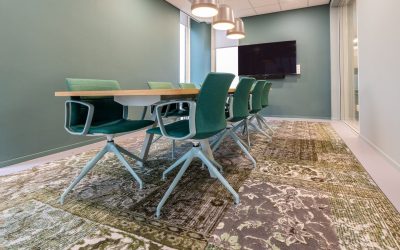
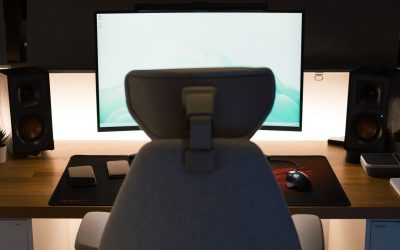
A cluttered corner with a wobbly chair and bad lighting makes homework feel harder than it needs to be. Setting up a proper homework desk gives your child a dedicated space that signals “it’s time to focus,” reduces distractions, and protects growing posture during long study sessions. This step-by-step guide walks you through choosing the right spot, selecting the right furniture, and organizing everything so homework time goes smoother for everyone in the house.
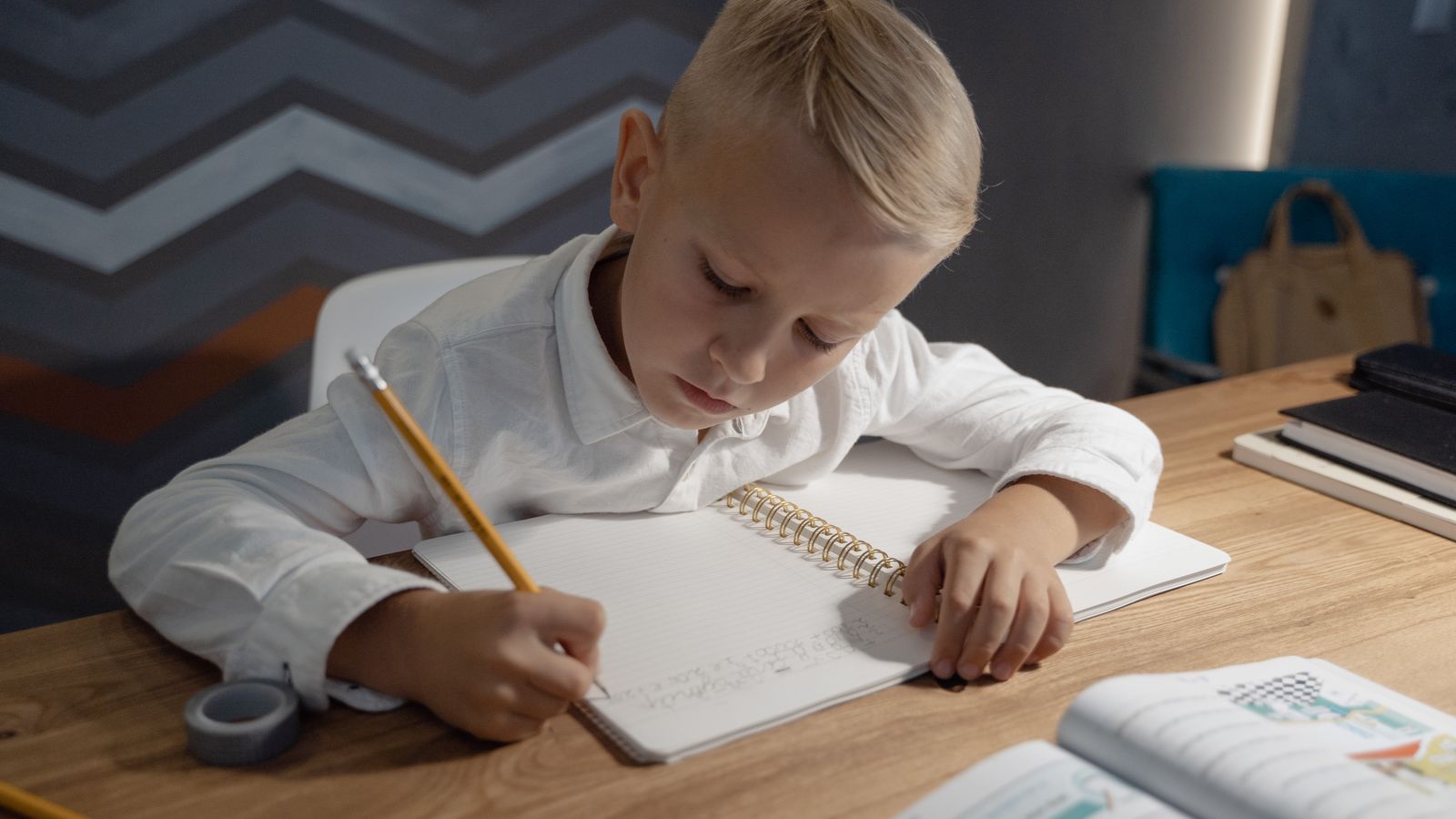
What You’ll Need
Before you start arranging furniture, gather the essentials so you only have to set things up once.
- A study desk sized appropriately for your child’s age and room
- A supportive, adjustable kids study chair
- A desk lamp with adjustable brightness
- Storage bins, a pencil cup, or a small drawer organizer
- A power strip or charging station for tablets and laptops
- A corkboard or wall calendar for schedules and reminders
If you’re still shopping for the desk itself, browsing a curated list of Homework Desks can help you compare sizes, storage options, and price points before you commit to one.
Step 1: Choose the Right Location
Location matters as much as the furniture itself. Pick a spot that’s quiet enough to concentrate but still visible so you can check in without hovering.
- Avoid high-traffic areas like the kitchen or living room where TV and conversation compete for attention.
- Choose a spot near natural light if possible, but not facing a window that causes glare on a laptop screen.
- Keep the desk close to an electrical outlet for lamps and device charging.
- If space is tight, a corner of the child’s bedroom or a nook near a shared family area both work, as long as it stays consistent day to day.
Step 2: Pick the Right Desk Size and Height
A desk that’s too tall or too short forces bad posture within minutes. As a general rule, the desktop should sit roughly at elbow height when your child is seated with feet flat on the floor.
- For younger kids (ages 5-9), look for desks around 20-22 inches tall.
- For older kids and pre-teens, a standard 28-30 inch desk height usually works, especially paired with an adjustable chair.
- Consider an adjustable-height desk if you want the setup to grow with your child over several years — it’s a worthwhile investment since kids can use the same desk well into their teens.
- Make sure there’s at least 24 inches of desktop width for a laptop, a notebook, and room to write comfortably.
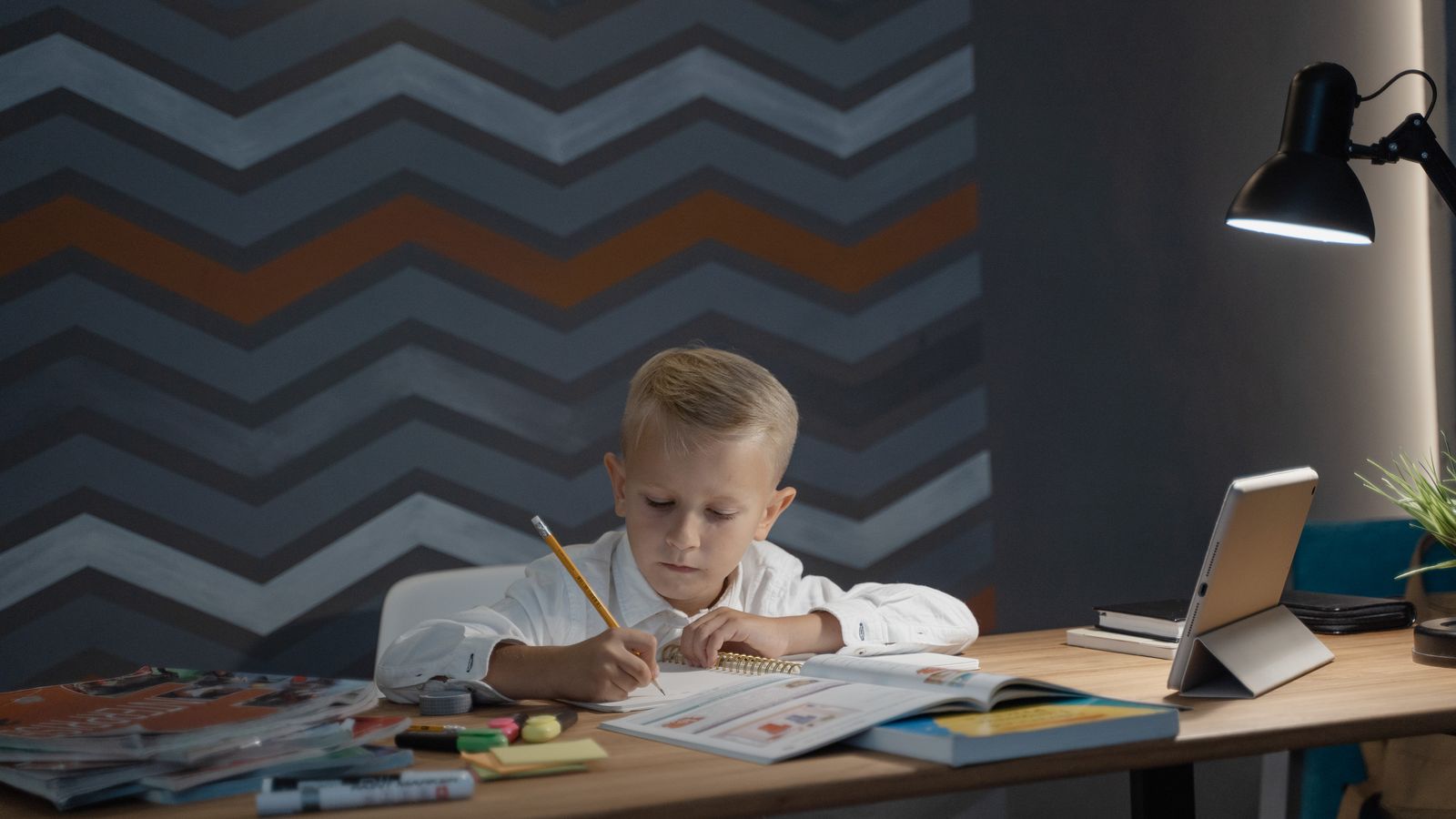
Step 3: Choose an Ergonomic Chair
The chair matters just as much as the desk, if not more. A hard, oversized, or non-adjustable chair leads to slouching, fidgeting, and shorter attention spans.
- Look for a chair with adjustable seat height so feet can rest flat on the floor or on a footrest.
- Choose one with some back support rather than a flat stool — lower back support helps kids sit upright for longer stretches.
- Avoid chairs that swivel too freely or roll on hard floors without a mat, since they can become a distraction.
- If you need options, this roundup of kids study chairs breaks down adjustable, ergonomic picks by age and budget.
Step 4: Set Up Lighting Properly
Poor lighting causes eye strain and headaches, both of which make homework feel miserable. Aim for layered lighting rather than a single overhead bulb.
- Position the desk so natural daylight comes from the side, not directly behind the screen or directly in the child’s eyes.
- Add a dedicated desk lamp with adjustable brightness for evening homework sessions.
- For right-handed kids, place the lamp on the left side of the desk to avoid shadow from the writing hand, and vice versa for lefties.
- Use warm, non-flickering LED bulbs — they’re easier on young eyes than harsh fluorescent light.
Step 5: Organize Supplies Within Reach
A homework desk works best when everything your child needs is already there, so they’re not getting up every five minutes to search for a pencil.
- Use a small drawer organizer or caddy for pens, pencils, erasers, and sticky notes.
- Keep a designated spot for a calculator, ruler, and any subject-specific tools.
- Store paper, notebooks, and folders in a vertical file rack rather than a flat pile that becomes clutter.
- Add a small trash bin or recycling tray nearby to keep the desk surface clear.
Step 6: Manage Cables and Devices
If your child uses a laptop or tablet for homework, cable clutter can quickly take over the desk.
- Route charging cables along the back or side of the desk using clips or a cable sleeve.
- Use a small power strip mounted under the desk if outlets are far away.
- Set a charging routine, such as plugging in devices overnight, so the desk stays clear during actual homework time.
Step 7: Add a Visual System for Schedules
A simple visual reminder system helps kids build independence around homework and deadlines.
- Mount a small corkboard or whiteboard above the desk for assignment reminders.
- Use a weekly planner or wall calendar to track due dates.
- Color-code by subject if your child responds well to visual organization.
Safety Notes
- Anchor any tall bookshelf or wall-mounted storage near the desk to prevent tipping, especially with younger children.
- Keep cords tucked away and out of walking paths to avoid trip hazards.
- Make sure the chair has a stable base and doesn’t tip easily if a child leans back.
- Check that the desk has no sharp corners at head height for younger kids, or add corner guards if needed.

Common Mistakes to Avoid
- Buying a desk that’s too big for the room. An oversized desk can make a small bedroom feel cramped and actually reduce how comfortable the space feels to work in.
- Skipping the chair upgrade. Parents often spend on the desk and stick with a random dining chair, which undermines posture and comfort.
- Placing the desk facing a TV or window with heavy foot traffic. This invites distraction no matter how nice the furniture is.
- Overloading the desk with decorations. A few personal touches are fine, but too many toys or trinkets compete for attention during homework time.
- Ignoring growth. Kids grow fast, and a desk or chair that fit last year may already be too small — check the fit every school year.
Bonus: Setting Up a Homework Corner in a Shared Bedroom
If your child shares a room with a sibling, consider a corner desk or an over-the-bed desk to save floor space. Loft beds with a built-in desk underneath are also a popular space-saving option. For younger children whose furniture needs will shift as they grow out of a nursery setup, it’s also worth browsing best convertible cribs when planning the room layout, since transitioning from crib to bed often frees up space for a proper study corner.
Frequently Asked Questions
What is the ideal desk height for a homework station?
It depends on your child’s height, but generally the desktop should sit at or just below elbow height when seated with feet flat on the floor. Adjustable-height desks are the most flexible option since they can be reconfigured as your child grows.
Do kids really need an ergonomic chair for homework?
Yes. Kids often spend an hour or more at a desk on school nights, and a supportive chair reduces fidgeting, slouching, and discomfort that can shorten focus time.
How much desk space does a child actually need?
A width of at least 24 inches is usually enough for a laptop, a notebook, and writing space. If your child uses a desktop computer or needs room for art projects, look for something wider.
Should the homework desk be in the bedroom or a common area?
Either can work. Younger kids often do better in a common area where a parent can check in easily, while older kids may focus better with a quiet bedroom setup. Choose based on your child’s attention style.
How often should I reassess the desk setup?
Check the fit at the start of every school year. Growth spurts and changing homework loads (more books, a laptop, group projects) often mean the setup needs small adjustments.
Final Thoughts
A well-organized homework desk doesn’t need to be elaborate — it needs to be functional, comfortable, and consistent. Focus on the right desk height, a supportive chair, good lighting, and a simple system for keeping supplies within reach. Once the basics are in place, your child has one less obstacle between them and getting homework done efficiently.