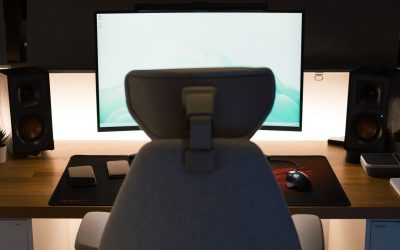
An ergonomic comfort kit only works if it is easy to grab, use, and put away without turning your office corner into a pile of unused gear. When you combine a wobble stool with a lumbar support pillow, the goal is to build a rotation you actually stick with — not just two products sitting in a closet. This guide walks through how to organize both pieces so they support movement, posture, and a tidy workspace at the same time.
What You’ll Need for Your Ergonomic Comfort Kit
Before you organize anything, gather the core pieces so you know what storage and rotation system actually fits your space.
- A wobble stool sized for your desk height and floor type
- A lumbar support pillow that straps or rests against your main office chair
- A designated storage spot (corner, closet, or under-desk shelf)
- A chair mat if you work on hardwood or tile flooring
- A simple cleaning cloth for wiping down surfaces weekly
If you have not settled on the exact stool or pillow yet, it helps to compare options before building your routine around them. Reviewing a curated list of wobble stools and a set of lumbar support pillows can save you from buying gear that does not fit your desk setup or body type.
Step 1: Measure Your Available Floor Space
Wobble stools need clearance to tilt and rock without hitting a desk leg, wall, or cabinet. Stand at your desk and measure roughly 24 to 30 inches of open floor space around where the stool will sit. This prevents the base from catching on furniture when you shift your weight side to side.
If your office sits on hardwood or laminate flooring, the constant micro-movement of a wobble stool can scuff or scratch the surface over time. Placing a protective mat underneath solves this and also keeps the stool’s base from sliding unexpectedly. Browse a few chair mats for hardwood floors sized for stool-and-desk zones rather than full chair mats, since you likely need a smaller footprint.
Step 2: Set Up a Rotation Zone, Not a Permanent Swap
A common mistake is treating the wobble stool as a full-time chair replacement. Most ergonomic specialists recommend alternating between your primary office chair and the wobble stool throughout the day — think 20 to 40 minute stretches rather than all-day use. Organize your space so both seats are within arm’s reach of your desk, allowing a quick swap without dragging furniture around.
- Position your main chair in its usual spot facing the desk.
- Store the wobble stool just beside or behind the chair, angled so it slides forward easily.
- When switching, push the office chair back slightly and roll or slide the stool into place.
- Return the stool to its storage spot when you shift back to the chair, keeping walkways clear.
Step 3: Attach and Store the Lumbar Pillow Correctly
Unlike the stool, your lumbar pillow should stay attached to your primary chair rather than floating loose on a shelf. Most pillows come with adjustable straps that wrap around the chair’s backrest — position the pillow so it sits at the curve of your lower back, typically just above your beltline.
To keep the setup organized:
- Leave the straps loosely buckled around the chair even when you step away, so the pillow does not wander to other rooms.
- If you switch to the wobble stool for a stretch, unclip the pillow and set it on the seat of your office chair rather than the floor, keeping it clean and easy to find.
- Wipe the pillow’s cover weekly with a damp cloth, and check the strap stitching every few months for wear.
Step 4: Build a Simple Daily Routine
Organization only works if the routine is easy to remember. A practical rhythm many people use:
- Start the morning on the office chair with the lumbar pillow in place for focused, seated work.
- Switch to the wobble stool mid-morning for 20 to 30 minutes to engage core muscles and break up stillness.
- Return to the chair for meetings or tasks requiring more back support.
- Repeat the cycle after lunch, adjusting frequency based on how your back and hips feel.
Keeping both pieces of gear close and ready — rather than stored in a separate room — is the single biggest factor in whether people actually stick with this kind of rotation.
Safety Notes for Wobble Stool Use
Wobble stools are not appropriate for every task or every person. Keep these points in mind:
- Avoid using a wobble stool during video calls or tasks requiring precise hand control, since the constant micro-motion can be distracting.
- If you have balance issues, recent leg or hip surgery, or vertigo, check with a doctor before adding a wobble stool to your routine.
- Start with shorter sessions (10 to 15 minutes) if you are new to active sitting, and build up gradually.
- Keep the stool away from stairs, thresholds, or uneven flooring where tipping risk increases.

Common Mistakes to Avoid
Storing the Stool Too Far Away
If the wobble stool lives in a closet down the hall, you simply will not use it consistently. Keep it within a few steps of your desk.
Using the Wrong Pillow Height
A lumbar pillow that sits too high or too low can create more strain than it relieves. Adjust the strap position until the pillow’s curve matches the small of your back, not your mid-spine.
Skipping the Floor Protection
Hardwood floors show wear quickly under a constantly shifting stool base. A mat is a small investment compared to refinishing a floor.
Treating It as All-or-Nothing
You do not need to sit on the wobble stool all day, and you should not. The rotation model — not full replacement — is what makes this kit sustainable long term.
Maintaining Your Comfort Kit Over Time
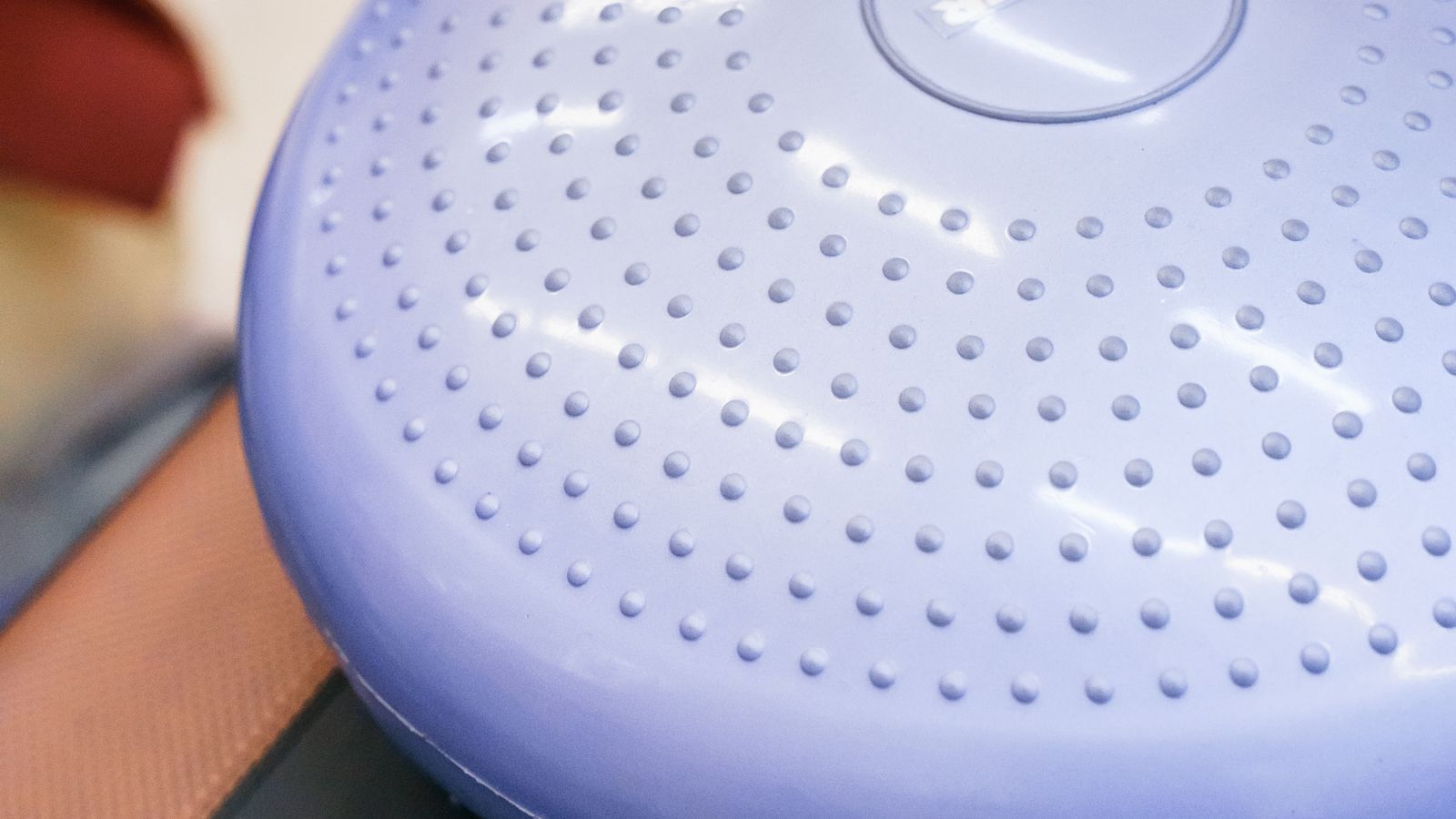
Check the wobble stool’s base and dome periodically for cracks or flattening, especially if you use it daily. A dome that has lost its bounce will not provide the same core-engaging movement it did when new. Lumbar pillows compress with repeated use too — if yours feels flat or no longer springs back after sitting, it may be time to replace the foam insert or the whole pillow.
Set a quick monthly check: inspect straps, wipe surfaces, and confirm the stool still sits level on your mat. This five-minute habit keeps both pieces of your kit functional and prevents small wear issues from turning into replacement-worthy damage.
Frequently Asked Questions
Can I use a wobble stool and lumbar pillow at the same time?
Not really — lumbar pillows are designed for a fixed backrest, while wobble stools have no back support at all. Use the pillow with your office chair and switch to the stool separately for active-sitting breaks.
How often should I switch between the stool and my office chair?
Most people find alternating every 20 to 40 minutes works well, but listen to your body. If your core feels fatigued or your lower back needs support, switch back to the chair with the pillow attached.
Where should I store the wobble stool when not in use?
Keep it within a few feet of your desk — behind your chair, beside a filing cabinet, or under a nearby table — so switching seats stays effortless.
Do I need a chair mat under a wobble stool?
If you are on hardwood, tile, or laminate flooring, yes. The constant small movements of a wobble stool can scuff hard flooring over time, and a mat also helps prevent slipping.
How do I know if my lumbar pillow needs replacing?
If it no longer springs back to shape after you stand up, or the strap material is fraying, it is time for a replacement. A flattened pillow stops providing meaningful lower-back support.
Final Thoughts
An ergonomic comfort kit built around a wobble stool and a lumbar support pillow works best when it is organized for easy daily rotation rather than left as an occasional experiment. Measure your space, keep both pieces within reach, protect your flooring, and build a simple switching routine — that combination is what turns good intentions into a habit that actually supports your posture over time.