A home safe is only as good as the care you give it. Whether you use it to protect important documents, jewelry, firearms, or emergency cash, a well-maintained safe can last for decades, while a neglected one can develop sticky locks, rusted hinges, or dead batteries at the worst possible moment. This guide walks you through the practical steps to keep your home safe working reliably for years, so it is ready whenever you actually need it.
Why Regular Safe Maintenance Matters
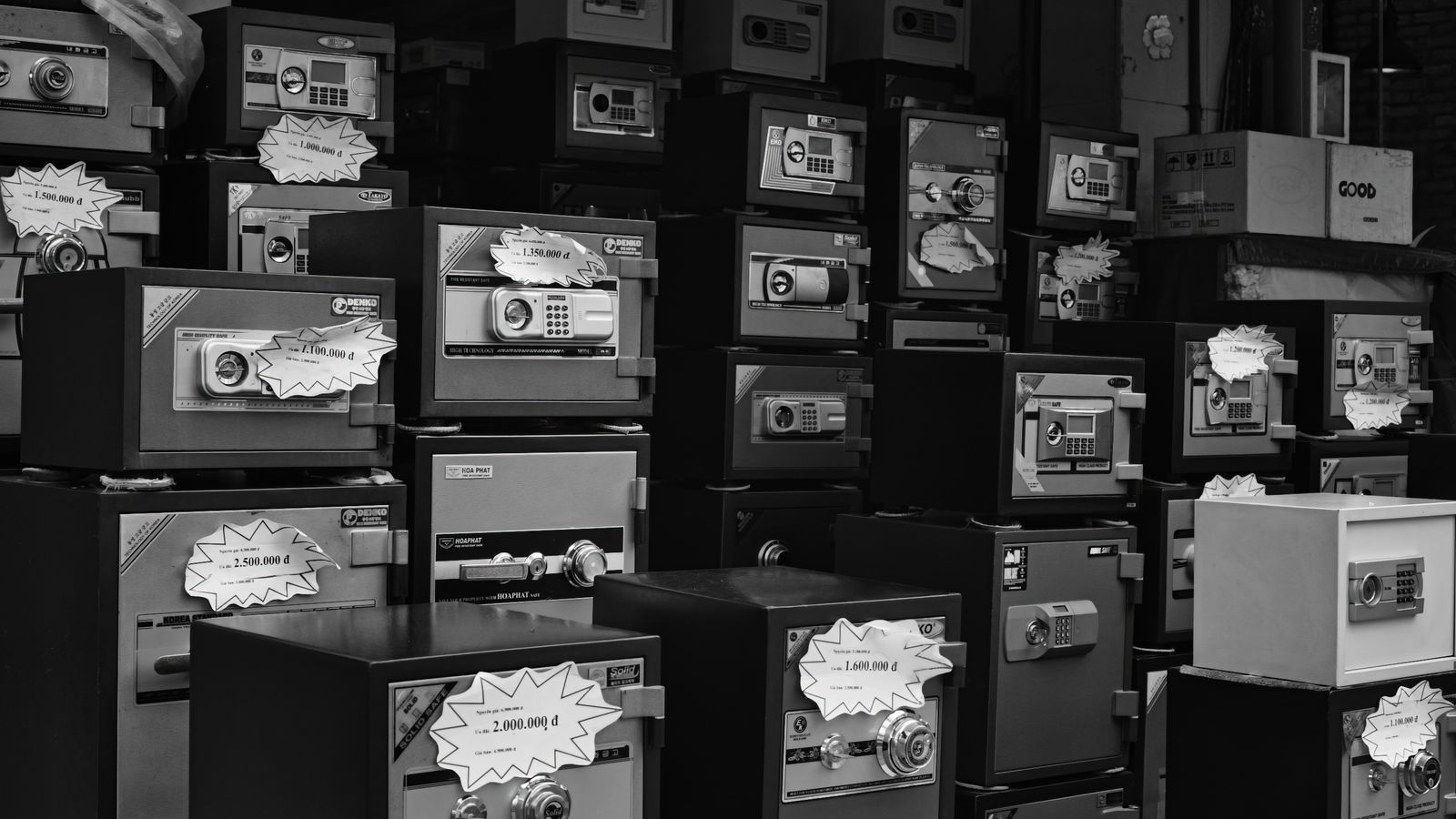
A home safe is a mechanical and often electronic device that sits mostly closed and undisturbed for long stretches of time. That combination of inactivity, temperature swings, and humidity is exactly what causes hinges to seize, bolts to corrode, and batteries to leak or die. Skipping maintenance does not just risk inconvenience; it can leave you locked out of your own valuables during an emergency, or worse, leave the safe vulnerable if a compromised lock no longer functions as intended. If you are still shopping for a unit or considering an upgrade, it helps to compare options among the Home Safes currently rated for durability and lock quality before committing to a maintenance routine.
What You’ll Need
- A soft, lint-free cloth
- Silicone-based lubricant (avoid petroleum-based oils on electronic components)
- A small brush or compressed air can
- Fresh batteries matching your safe’s specification (for electronic locks)
- A soft-bristle toothbrush for tight seams and dial mechanisms
- Mild, non-abrasive cleaner for the exterior finish
- A notepad or phone reminder app to track maintenance dates
Step-by-Step: How to Maintain Your Home Safe
- Inspect the exterior finish every few months. Wipe down the safe’s outer surface with a soft, dry or slightly damp cloth. Avoid harsh chemical cleaners, which can strip protective coatings and lead to rust spots over time, especially on safes kept in garages or basements where humidity is higher.
- Check the door seal and gasket. Many fire-rated safes use an intumescent seal around the door that expands when exposed to heat. Inspect this seal for cracking, peeling, or debris buildup. A damaged seal reduces the fire protection the safe was designed to provide.
- Lubricate the hinges and bolt mechanism twice a year. Apply a small amount of silicone-based lubricant to the hinges and the moving bolts inside the door frame. Work the door open and closed a few times to distribute the lubricant evenly. Never use heavy grease, which attracts dust and grime and can gum up the mechanism.
- Test the locking mechanism monthly. Whether you have a dial combination lock, keypad, or biometric scanner, open and close the safe regularly, even if you rarely need to access it. Mechanisms that sit unused for long periods are more prone to sticking or failing when finally engaged.
- Replace batteries proactively, not reactively. If your safe uses an electronic keypad, swap the batteries every 12 months regardless of whether you have received a low-battery warning. Old batteries can leak and corrode the contacts, disabling the lock entirely. Keep a spare set taped inside a nearby drawer for emergencies.
- Vacuum or brush out interior dust and debris. Dust accumulation inside the safe, particularly around the locking bolts and hinge pins, can interfere with smooth operation. A soft brush or a can of compressed air works well for reaching tight corners without scratching the interior lining.
- Keep the safe in a stable environment. Extreme humidity accelerates rust and can warp interior linings, while extreme heat can degrade fire-resistant materials prematurely. If your safe lives in a garage or basement, consider adding a moisture-absorbing packet or small dehumidifier nearby.
- Check the anchoring bolts if the safe is bolted down. Vibration from nearby traffic, appliances, or foundation settling can loosen anchor bolts over time. Tighten them periodically so the safe cannot be tipped or pried away from its mounting point.
- Update your combination or access codes periodically. This is not a mechanical maintenance step, but it is good practice for long-term security, especially after any household changes such as a move, a shared tenancy ending, or a service technician visit. While you are reviewing your entry points, it is worth confirming that your other household hardware, including your deadbolt locks, is in equally good working order.
- Schedule a professional inspection every few years. A locksmith experienced with safes can identify wear in the bolt-work, check the fire seal integrity, and service electronic components that are not easily accessible to a homeowner.
Signs Your Safe Needs Attention
The Door Feels Stiff or Sticky
If you notice increasing resistance when opening or closing the door, this usually points to dried-out hinges or debris buildup in the bolt channels. Address it promptly with lubrication before the mechanism seizes completely.
The Keypad or Dial Responds Inconsistently
Intermittent responsiveness on an electronic lock is often an early battery warning sign, even before the safe explicitly tells you the battery is low. Keypads that require multiple attempts to register a code should have their batteries replaced immediately.
Visible Rust or Discoloration
Rust on the bolts, hinges, or interior lining signals moisture exposure that needs to be corrected at the source, not just wiped away. Persistent rust can eventually compromise the structural integrity of the locking bolts.
A Musty or Damp Smell Inside
This is a clear indicator of trapped humidity, which can damage paper documents and electronics stored inside even if the exterior looks fine. Adding desiccant packets and improving ventilation around the safe’s location can help.
How Long Should a Home Safe Last?
With consistent care, a quality home safe can easily last 15 to 25 years or longer, since the core steel construction rarely wears out on its own. What typically fails first are the moving parts: hinges, bolts, and especially electronic components, all of which are replaceable or serviceable rather than reasons to buy a new unit. If your current safe’s lock mechanism is failing beyond repair, it may be more cost-effective to compare a fresh unit rather than repeatedly servicing an aging lock.
Common Mistakes to Avoid
- Using the wrong lubricant. Petroleum-based oils and heavy greases attract dust and can damage electronic contacts. Stick to silicone-based, dry lubricants designed for locks.
- Ignoring low-battery warnings. Waiting until the battery dies completely risks getting locked out with no backup key on hand. Replace batteries at the first warning, not after failure.
- Overtightening anchor bolts. Excessive force can strip the mounting threads in concrete or wood framing. Snug is sufficient; there is no need to force it.
- Storing the safe in a damp, unventilated space. Basements and garages are common choices, but without moisture control they accelerate corrosion far faster than a climate-controlled closet would.
- Never testing the lock. A safe that is never opened can develop mechanical issues that go unnoticed until an emergency, which is precisely when you cannot afford a failure.
Frequently Asked Questions
How often should I lubricate my home safe’s lock?
Twice a year is generally sufficient for most residential safes, though units in humid climates may benefit from a light lubrication every three to four months.
Can I use WD-40 on my safe’s lock mechanism?
It is best to avoid general-purpose oils like WD-40 on precision lock mechanisms, since they can attract dust and gum up over time. A dry, silicone-based lubricant made for locks is the safer choice.
What should I do if my electronic safe’s batteries die while it’s locked?
Most electronic safes include an external battery terminal or a manual key override for exactly this situation. Check your manual for the emergency access method and keep spare batteries and the override key stored separately from the safe itself.
Should I bolt my home safe to the floor?
Yes, anchoring a safe to the floor or wall studs significantly reduces the risk of theft by preventing the entire unit from being carried away. Most safes include pre-drilled anchor holes for this purpose.
How do I know if my safe still has proper fire protection?
Inspect the door seal for cracking or gaps, and consult the manufacturer’s documentation for the rated protection duration. Fire-rated seals do degrade over decades, so older safes may benefit from a professional seal inspection.
Final Thoughts
Maintaining a home safe is a matter of a few simple habits repeated consistently: keep it clean, keep it lubricated, keep the batteries fresh, and open it periodically so the mechanism stays limber. These small efforts add up to decades of reliable protection for the documents and valuables you care about most. If you are still finalizing your home security setup, browsing well-reviewed Home Safes alongside sturdy deadbolt locks is a smart way to build a layered defense that starts at the front door and ends at your most valuable possessions.