
Shopping for a small home office is a different game than shopping for a full-size study. When floor space is tight, a few extra inches of desk footprint can mean the difference between a room that feels open and one that feels cramped every time you sit down to work. This guide walks you through exactly how to compare standing desks for small rooms and compact standing desk models before you buy, so you can shortlist the right size, frame type, and features without wasting money on a desk that never quite fits.
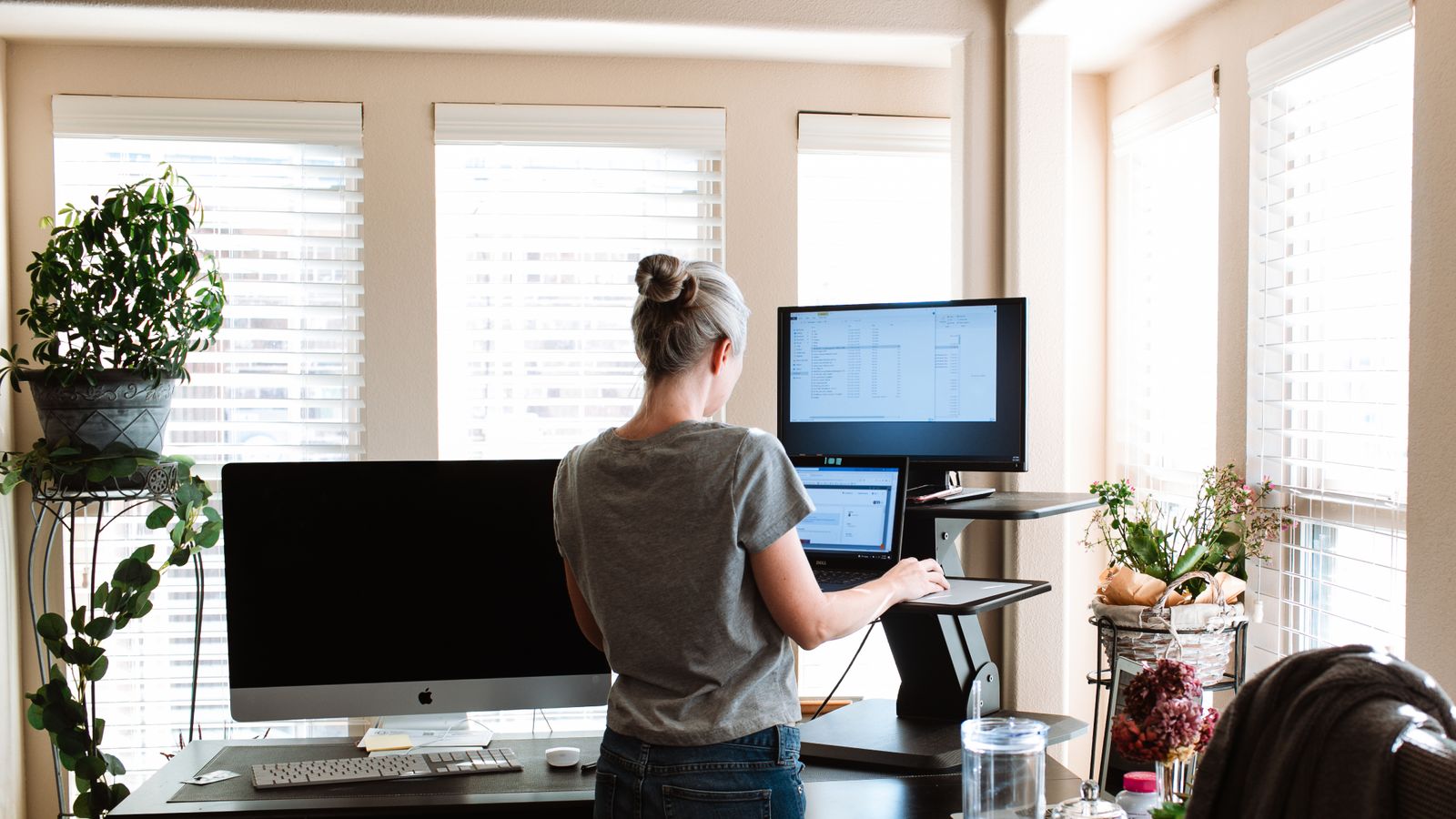
What You’ll Need Before You Start Comparing
Before you open a single product page, gather a few basic tools. You’ll need a tape measure, a notepad or phone note for jotting down dimensions, and a rough sketch of your room (even a simple rectangle with door and window locations marked works fine). If you already own a monitor, keyboard, or laptop stand, have those on hand too, since their footprint affects how much usable desktop space you actually need.
It also helps to know your ceiling height and any nearby outlets, because standing desk motors and cable management systems need power close by. Finally, decide on a rough budget range up front — compact standing desks span a wide price spread depending on frame type, motor count, and desktop material.
Step 1: Measure the Actual Space, Not the Room
- Measure the wall length where the desk will sit, then subtract space needed for doors to swing open, closet access, or walkways.
- Measure depth from the wall to the nearest obstruction (chair, shelf, or opposite wall) to confirm how far the desk can extend when you pull a chair up to it.
- Note the ceiling height if you’re tall or plan to stand at the desk often — some compact frames have a lower maximum height than full-size models, which matters more than people expect.
- Write down the final usable width and depth in inches, then add a two-inch buffer on each side for comfortable clearance.
Step 2: Compare Desktop Dimensions Across Models
Once you know your usable footprint, start comparing desktop sizes rather than marketing labels like “compact” or “small.” A desk marketed as compact from one brand might be 40 inches wide, while another brand’s compact line starts at 28 inches. Line up the actual width, depth, and worksurface shape (rectangular vs. curved) for each model you’re considering.
If your room is narrow rather than short on floor space overall, prioritize desks with a smaller depth (18–22 inches) over ones that only trim width. A shallow desktop keeps the desk from jutting into a walkway, which is often the bigger daily annoyance in small rooms.
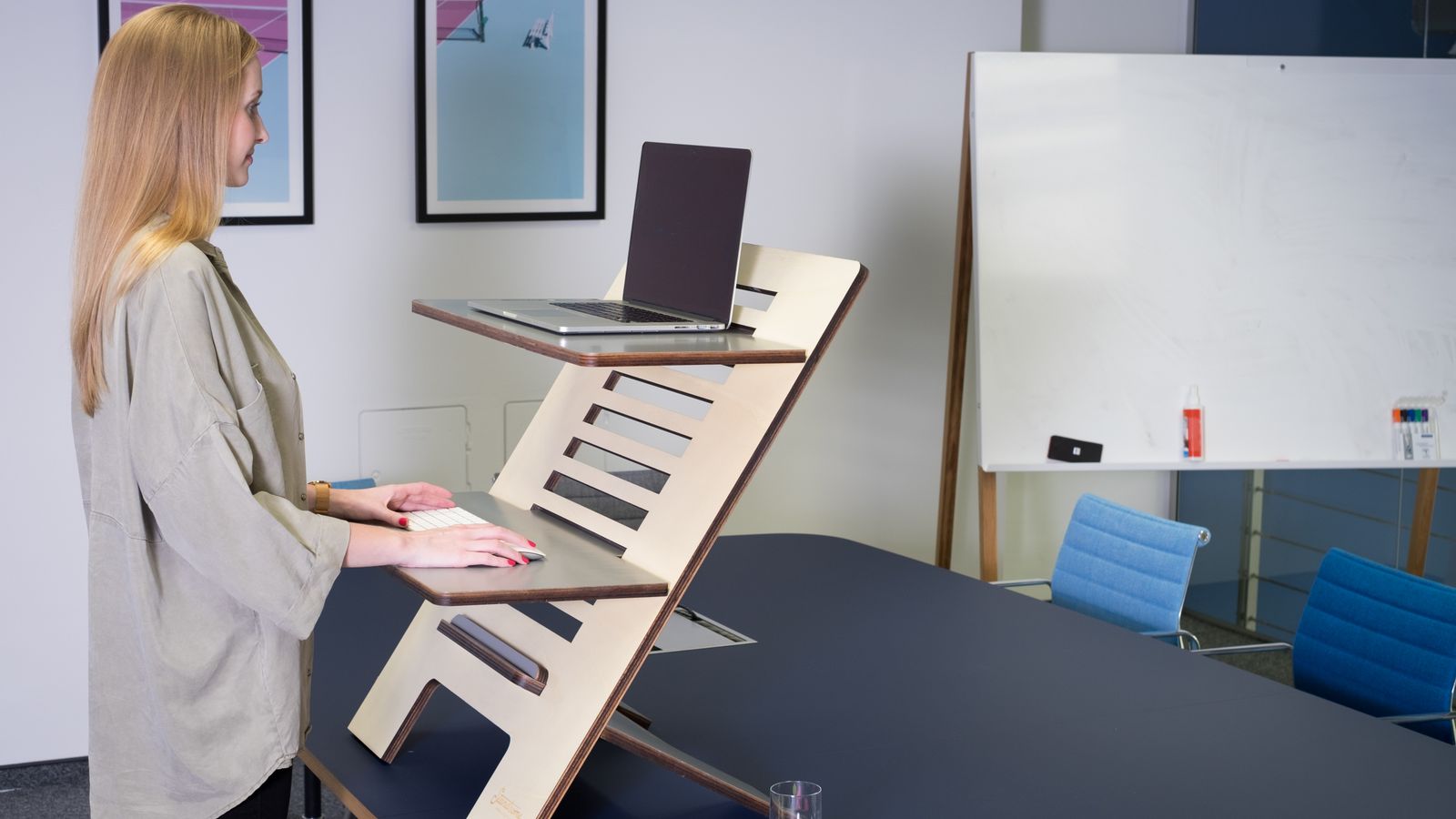
Step 3: Check Frame Type and Footprint
The frame style affects both stability and how much floor space the legs actually consume. Common options include:
- Single-motor frames: Usually the most compact and budget-friendly, though they may lift slightly slower and support less weight than dual-motor versions.
- C-shaped or cantilever legs: Free up floor space underneath, which is useful if you want to slide a small storage cart or your feet further back.
- T-shaped or dual-column frames: More stable at height but generally need a wider base footprint, so measure carefully before committing.
If your room doubles as a workspace with two screens, it’s worth comparing frame stability specifically for larger monitor setups — see this roundup of the best standing desks for dual monitors for frames built to handle extra weight without wobbling.
Step 4: Compare Height Range and Adjustability
Compact doesn’t always mean adjustable range shrinks too, but it’s worth double-checking. Look at the minimum sitting height (especially important if you’re on the shorter side) and the maximum standing height (important if you’re tall or want to share the desk with a partner). A typical adjustable range runs from about 24 inches to 50 inches, though compact models sometimes cap out a few inches lower.
Also compare adjustment speed and memory presets. Programmable height presets are a small feature that makes a big difference in daily use, since you won’t need to eyeball the same position every time you switch between sitting and standing.
Step 5: Weigh Storage and Cable Management Needs
Small rooms rarely have room for a separate filing cabinet or cable organizer, so check whether the desk includes built-in cable trays, under-desk baskets, or drawer attachments. These small additions reduce clutter without eating into your floor plan, which matters more in a tight room than in a spacious one.
If you’re outfitting an entire small-room setup and want to see how compact desks stack up side by side on size, price, and features, this guide to compact standing desks is a useful next stop for narrowing your shortlist.

Step 6: Test Stability at Full Height
Wobble is the most common complaint with smaller desk frames, since a narrower base has less leverage to resist movement. Whenever possible, check reviews or in-store demos for stability ratings at maximum height, particularly if you plan to type standing up rather than just glance at a screen. Dual crossbars and steel frame construction generally outperform lighter aluminum builds in this regard, even at a compact size.
Step 7: Shortlist and Compare Side by Side
- Narrow your options to three or four models that fit your measured footprint.
- Line up specs in a simple table: width, depth, height range, weight capacity, and price.
- Cross-reference stability and noise level from user reviews for each finalist.
- Confirm return policy and warranty length before ordering, since a desk that looks right on paper can still feel too large once it’s in your room.
For a broader look at models specifically built around tight-room dimensions, browse this list of Standing Desks for Small Rooms to compare footprints and price points in one place.
Common Mistakes to Avoid
- Measuring the room but not the walkway: A desk can fit against the wall yet still block a door or closet from opening fully.
- Ignoring maximum height: Taller users sometimes discover too late that a compact frame doesn’t rise high enough for comfortable standing use.
- Skipping stability checks: A lightweight frame that saves floor space can wobble distractingly once a monitor arm or dual-monitor setup is added.
- Forgetting cable clearance: Outlets placed behind a desk that’s pushed flush to the wall can make daily cable access frustrating.
Safety Notes
Always confirm the desk’s listed weight capacity covers your monitor, PC, and any accessories combined, not just the desktop alone. When testing height adjustments for the first time, keep hands and cables clear of moving crossbars, and anchor the desk to the wall if you have small children or pets in the home who might lean on it while it’s raised.
FAQ
How small can a standing desk be and still be usable?
Most usable compact standing desks start around 28–32 inches wide and 18–20 inches deep, enough for a laptop or single monitor with a small keyboard tray. Anything smaller tends to compromise comfort for typing sessions longer than a few minutes.
Do compact standing desks sacrifice stability?
Not necessarily, but frame quality matters more at a smaller footprint. Look for dual crossbars or a wider base relative to the desktop size to avoid excess wobble at standing height.
Should I choose electric or manual crank for a small room?
Electric frames are easier to adjust throughout the day, which matters if you plan to switch between sitting and standing often, but manual crank models are usually lighter, cheaper, and easier to move if you rearrange the room frequently.
How do I know if a desk will fit before it arrives?
Tape off the exact footprint on your floor using painter’s tape based on the listed width and depth, then walk around it for a day to see if it interferes with doors, drawers, or foot traffic.
Final Thoughts
Comparing standing desks for small rooms comes down to matching real measurements against real specs rather than relying on labels like “compact” alone. Measure your space first, compare desktop and frame dimensions carefully, and check stability and height range before narrowing your shortlist. With those steps covered, you’ll land on a compact standing desk that actually fits your room and your daily routine, not just your budget.