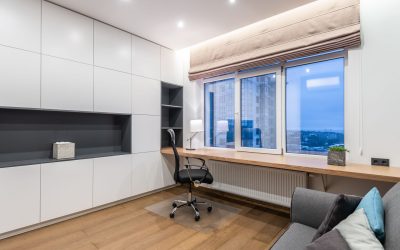
A butcher block desk top brings warmth, texture, and durability to any home office or workshop build that laminate and MDF simply cannot match. But not every butcher block slab is created equal, and picking the wrong wood species, thickness, or edge grain construction for your desk build kit can leave you with a top that warps, dents, or clashes with the legs and frame you already own. This guide walks through exactly what to look for so your butcher block desk top performs well for years and looks great doing it.
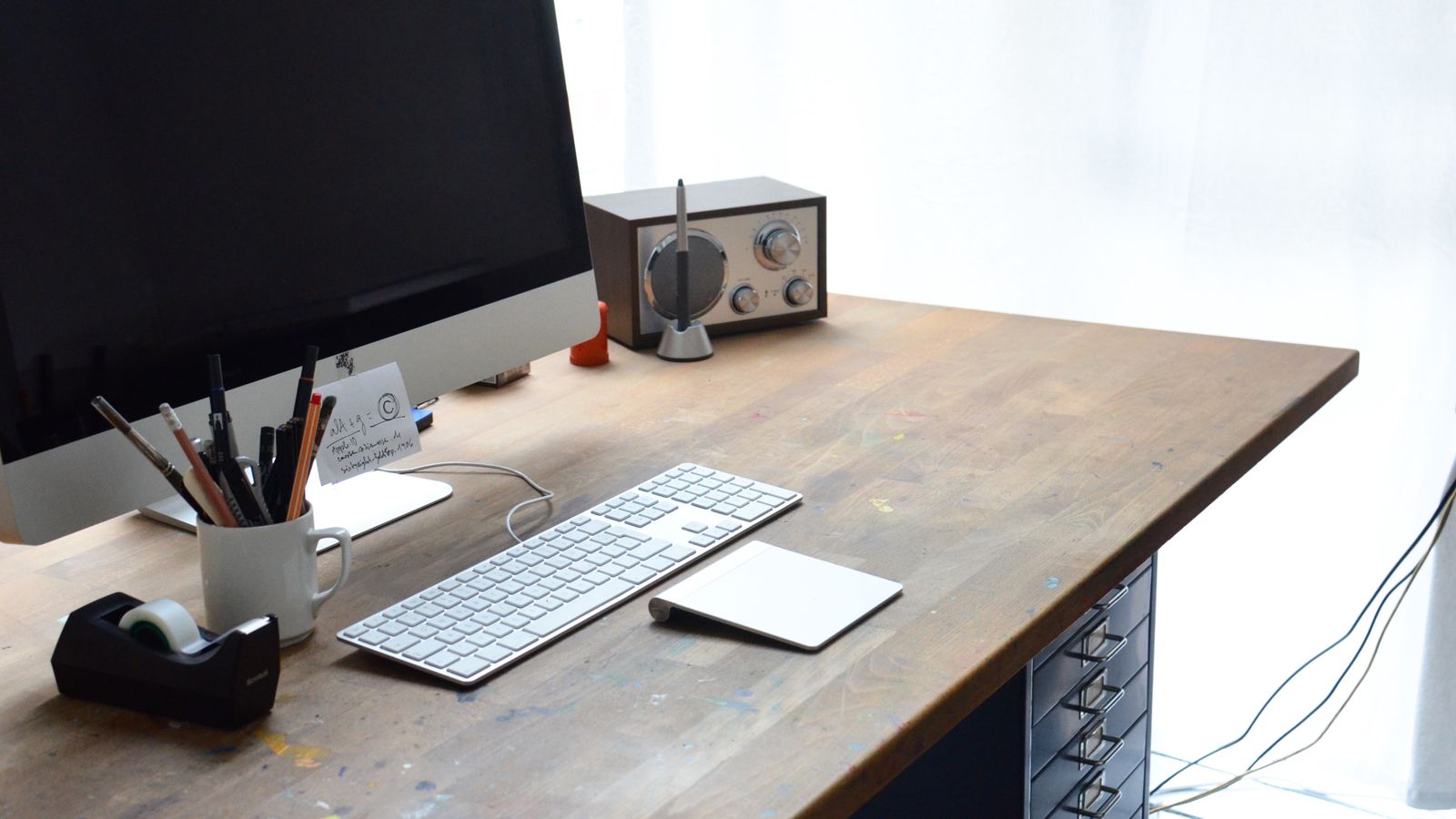
What You’ll Need Before You Start
Before you shop for a butcher block desk top, gather a few basics so you can measure and compare options accurately:
- A tape measure for your workspace footprint and leg/frame spacing
- Your desk build kit’s leg or base specifications (width, depth, mounting hole pattern)
- A notebook or spreadsheet to track thickness, wood species, and price per option
- Mineral oil or a food-safe finish (if the top ships unfinished)
- A drill, clamps, and wood screws appropriate for your frame’s mounting hardware
Step 1: Confirm the Dimensions Your Desk Build Kit Requires
Start with the frame, not the top. Most desk build kits list a recommended top size range, along with a minimum thickness the mounting brackets can accommodate. Measure the leg spread, add a few inches of overhang on each side for a comfortable seating position, and write down the exact length and depth you need. Butcher block tops commonly come in 1.5-inch, 1.75-inch, and 2-inch thicknesses — thinner boards are lighter and easier to mount, while thicker slabs resist warping better over a wide, unsupported span.
Step 2: Choose the Right Wood Species
Wood species affects hardness, grain pattern, weight, and price:
- Maple — the most common butcher block choice; light color, tight grain, very durable, and resists dents well.
- Walnut — a rich, dark option that adds a premium look; slightly softer than maple, so it shows scratches a bit more easily.
- Oak — strong, prominent grain pattern, holds up to heavy daily use, and takes stain well if you want to adjust the tone.
- Beech or birch — budget-friendly alternatives with a look similar to maple, good for lighter-use desks.
If you are still comparing wood-toned options against lighter, more affordable alternatives, browsing bamboo desk tops alongside butcher block can help you decide which look and price point fits your build.
Step 3: Decide Between Edge Grain, Face Grain, and End Grain
The way the wood strips are oriented changes both the appearance and the durability of the slab:
- Face grain — wide, flat strips glued side by side; shows the most natural wood grain and is the most affordable construction.
- Edge grain — narrower strips turned on edge, creating thin, uniform stripes; more resistant to warping than face grain and the most common choice for desk tops.
- End grain — the classic checkerboard “butcher block” look with the wood fibers facing up; extremely durable and self-healing against small dents, but heavier and pricier.
For a desk that sees typing, writing, and the occasional dropped mug rather than knife work, edge grain construction offers the best balance of looks, weight, and price.

Step 4: Check the Finish and Sealing
Butcher block tops sold for kitchen use are often finished with food-safe mineral oil, which needs periodic reapplication and is not ideal for a desk that holds electronics and papers. For a desk build, look for a top pre-sealed with a hard-wearing polyurethane, lacquer, or hardwax oil finish, or plan to apply one yourself before use. A properly sealed surface resists coffee rings, moisture from humid rooms, and everyday scuffs far better than an oiled-only finish.
Step 5: Match the Top to Your Frame’s Mounting System
Check how your desk build kit’s legs attach to the top — most use L-brackets, tabletop fasteners, or pre-drilled mounting plates. Confirm the top’s underside has enough flat, unfinished wood to seat these brackets securely, and leave a small gap (roughly 1/8 inch) around screw holes since solid wood expands and contracts slightly with humidity. Never fully glue a butcher block top to a metal frame; fastened connections that allow slight movement prevent cracking over time.
Step 6: Weigh Cost Against Longevity
Solid butcher block tops cost more upfront than laminate or engineered wood, but a well-sealed maple or oak slab can last well beyond a decade with basic care, and can be sanded and refinished if it gets scratched or stained — something laminate tops cannot do. If budget is tight, a thinner edge grain maple or beech top still delivers most of the durability benefits at a lower price point than a thick end grain walnut slab.
Common Mistakes to Avoid
- Skipping acclimation: Let a new solid wood top sit in the room for 24–48 hours before installing so it adjusts to your home’s humidity.
- Over-tightening mounting screws: This restricts natural wood movement and can crack the slab over a season.
- Ignoring the underside finish: An unsealed underside lets moisture in unevenly and can cause warping over time.
- Choosing thickness by looks alone: A thin top over a wide unsupported span will flex and eventually bow; match thickness to your frame’s support spacing.
- Forgetting cable management cutouts: Decide on grommet hole placement before finishing, since drilling into a finished slab later can chip the sealant.
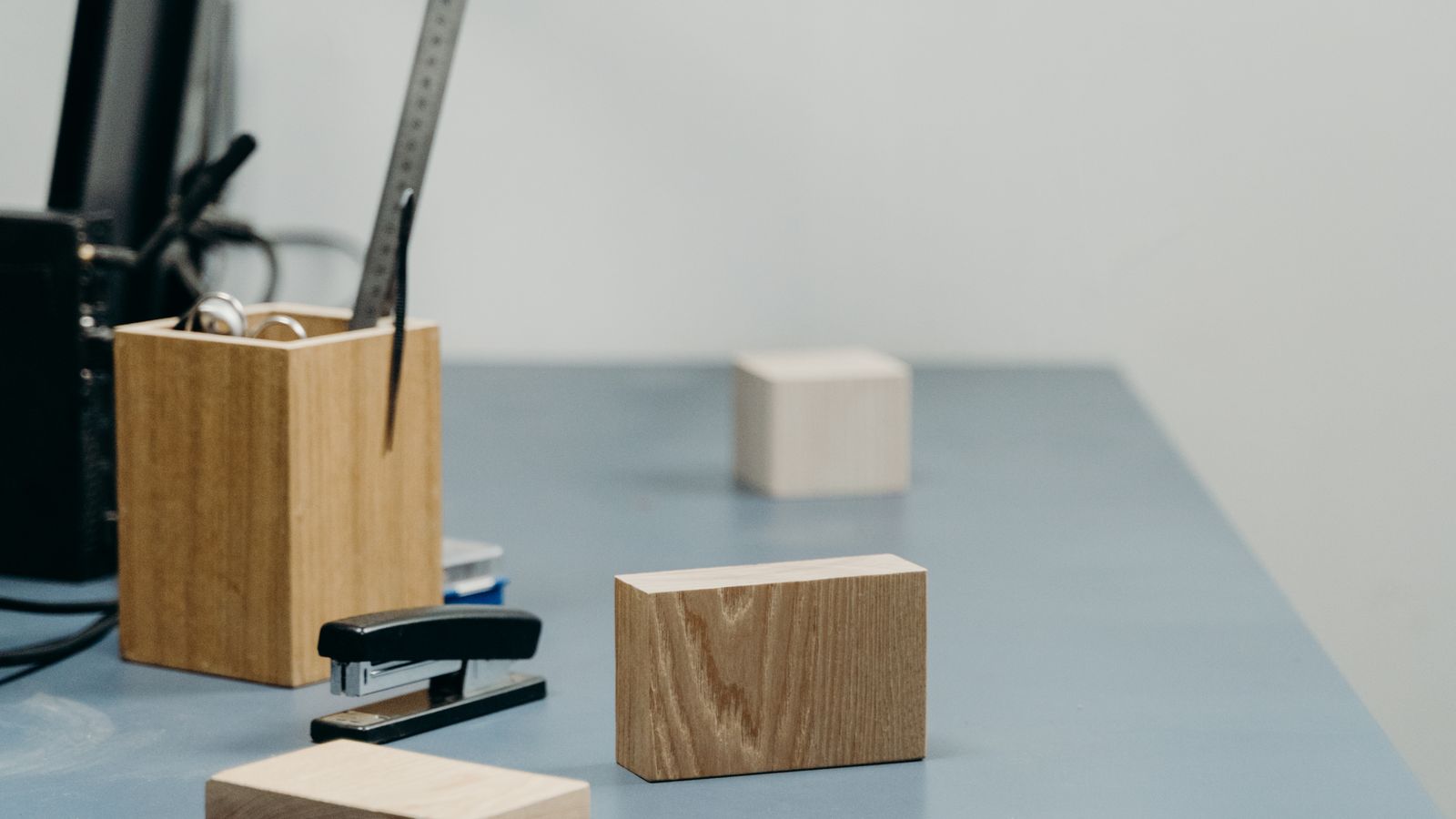
Caring for Your Butcher Block Desk Top
Wipe spills promptly, use coasters for drinks, and dust with a slightly damp cloth rather than harsh cleaners. If the finish is a hardwax oil rather than polyurethane, plan to reapply a thin coat every 6–12 months depending on use. Light scratches can usually be buffed out with fine sandpaper and a matching touch-up oil, keeping the surface looking fresh for years without a full refinish.
Browsing Complete Options
If you’d rather compare finished, ready-to-mount slabs instead of sourcing raw lumber, a curated list of Butcher Block Desk Tops can save significant research time, covering different thicknesses, wood species, and price points side by side. For a broader comparison across materials beyond solid wood, the roundup of best desk tops is a useful next stop before finalizing your build kit.
Matching the Top to Your Room and Existing Furniture
Beyond structural fit, think about how the wood tone will sit alongside the rest of your office furniture. A light maple or beech slab pairs well with white or black metal frames and reads as modern and airy, while walnut or stained oak leans warmer and works nicely with leather chairs or dark bookshelves. If you’re building the desk into a room with existing wood furniture, bring a sample swatch or photo when comparing options so the grain and tone don’t clash once everything is assembled.
Frequently Asked Questions
How thick should a butcher block desk top be?
1.5 inches is the practical minimum for most desk frames; 1.75 to 2 inches offers extra rigidity if your legs are spaced more than 48 inches apart.
Is butcher block heavier than other desk top materials?
Yes, solid wood is noticeably heavier than laminate or engineered wood, which is worth checking against your desk frame’s weight rating, especially for standing desks with moving mechanisms.
Can I use a kitchen butcher block as a desk top?
You can, but check the finish first. Kitchen blocks are often food-safe oiled rather than sealed, so you may want to add a hardwax or polyurethane coat before placing electronics on it.
Does butcher block work well with standing desk frames?
Yes, as long as the thickness and weight fall within the frame’s specifications; edge grain maple or oak in the 1.5 to 1.75 inch range is a common, well-supported choice for standing desk builds.
How do I prevent my butcher block top from warping?
Seal both the top and underside evenly, allow the wood to acclimate before installation, avoid over-tightening mounting hardware, and keep the desk away from direct heat sources like radiators or sunny windows.