
Video creators and competitive gamers often share the same need for pinpoint audio accuracy and zero latency. Bulky over-ear studio headsets can cause physical fatigue and neck strain during long editing or streaming sessions. Upgrading to in-ear monitors gives you precise acoustic monitoring while keeping your workstation setup lightweight and comfortable.
Modern hybrid driver designs deliver pristine acoustic separation that lets you scrub through timeline dialogue tracks while catching subtle in-game directional cues. Investing in the right pair prevents costly audio mixing errors and enhances your spatial awareness during gameplay. You can complement your workspace ergonomics by checking our ergonomic workspace guides for optimal desk positioning.
In this guide, we evaluate 7 top options for September 2026 featuring reputable audio brands like YINYOO, Linsoul, HyperX and more. We explore critical hardware specifications including multi-driver crossovers, impedance matching, and passive sound isolation so you can invest with confidence.



Multi-Driver Architecture and Acoustic Separation
Hybrid driver configurations combine the mechanical strengths of dynamic drivers with the speed of balanced armatures. Dynamic drivers push substantial air volume to deliver authoritative low-end impact without distorting mid-range frequencies. Balanced armature units handle critical vocal frequencies and high treble extension with surgical acoustic detail.
Video editors rely on distinct driver separation to isolate hum, room reverberation, and clipped dialogue peaks across complex timelines. Gamers benefit equally because footsteps and weapon reloads occupy separate acoustic layers from cinematic background music. When examining multi-driver earbuds, look for physical crossover networks that cleanly divide specific frequency bands.
Entry-level monitors typically utilize a single balanced armature paired with one dynamic driver for general multimedia production. Professional multi-driver setups often incorporate three to five discrete drivers per ear to maximize acoustic headroom. A practical rule of thumb is to choose hybrid systems if your projects balance voiceover scrubbing with immersive gaming.
Frequency Response Neutrality for Audio Scrubbing
Consumer gaming earphones frequently amplify sub-bass frequencies to create dramatic explosions and intense combat immersion. That excessive bass boost ruins video editing workflows by masking muddy low frequencies and distorting vocal clarity. Accurate timeline editing requires a balanced frequency curve that presents audio tracks exactly as recorded.
Neutral frequency response ensures your final video mix translates reliably across phone speakers, studio monitors, and television sets. If your monitors artificially boost bass, you will compensate by reducing low-end EQ, leaving the final video sounding thin. Look for earphones engineered with a relatively flat mid-range response and smooth treble extension.
When evaluating frequency specifications, verify that the acoustic curve avoids harsh treble spikes near the eight-kilohertz range. Severe treble peaks cause premature ear fatigue during multi-hour timeline scrubbing sessions. Selecting monitors with disciplined high-frequency tuning keeps dialogue natural and prevents ear strain throughout long editing shifts.
Zero-Latency Analog Connectivity
Wireless Bluetooth earbuds introduce latency delays ranging from forty to over two hundred milliseconds during playback. This audio lag creates a jarring disconnect between video frame cuts and matching waveform transients in your editing software. Wired 3.5mm analog connections eliminate signal conversion delays entirely to provide instant real-time monitoring.
In competitive gaming, split-second audio cues determine your reaction speed when locating opponent footsteps around corners. Hardware analog connections ensure that muzzle flashes and hit markers synchronize perfectly with your visual display. Keep your workspace cables tidy by routing monitor cords through best standing desk cable trays beneath your desk.
A reliable 3.5mm gold-plated connector provides uncompressed audio fidelity without requiring battery recharging cycles. Right-angled connectors offer superior mechanical strain relief compared to straight plugs when connected to front-panel audio jacks. Always prioritize wired analog connections if you need sample-accurate audio alignment for timeline cuts.
Soundstage Imaging and Directional Spatial Accuracy
Soundstage refers to the perceived three-dimensional width, depth, and height of audio within your acoustic space. Pinpoint soundstage imaging allows editors to place Foley sound effects and ambient atmospheric layers precisely across the stereo field. In competitive titles, spatial accuracy helps you pinpoint the exact vertical and horizontal position of rival players.
In-ear monitors achieve wide stereo imaging through acoustic chamber venting and precise phase alignment across multiple drivers. Budget earbuds often sound narrow and congested, making it difficult to separate competing dialogue stems from background audio. High-performance models create an expansive acoustic environment that mimics professional nearfield studio monitors.
Test stereo imaging by listening to multi-mic podcast recordings or binaural gaming audio demonstrations. If distinct voices blur together in the center channel, the acoustic separation lacks sufficient phase coherence. Opt for earphones with dedicated high-frequency armatures to preserve transient spatial cues and directional placement.
Passive Noise Isolation and Acoustic Seal
Passive acoustic isolation blocks distracting room noise without introducing the digital hiss or phase anomalies of active noise cancellation. Achieving an airtight seal in the ear canal attenuates keyboard clatter, computer fan whir, and external household distractions. Maintaining this physical seal is essential for hearing low-level room noise in dialogue tracks.
Silicone ear tips provide a quick and hygienic seal that maintains bright transient detail for high-frequency sounds. Memory foam tips compress before insertion and expand inside the ear canal to maximize ambient noise attenuation up to twenty-six decibels. To control exterior office noise reflections further, explore our guide on best office wall panels for noise control.
If you lose low-frequency bass response while moving your head, your ear tips are likely too small for your ear canal. Experimenting with various ear tip materials and sizes ensures consistent acoustic performance and prevents bass leakage. A secure acoustic seal allows you to monitor audio at lower, safer volume levels without sacrificing detail.
Ergonomic Housing Design and Long-Session Comfort
Video editors and gamers regularly wear audio gear for six to eight consecutive hours without taking extended breaks. Heavy metallic earphone shells can cause painful pressure points against the outer cartilage of your ear. Ergonomic resin housings molded after human ear anatomy distribute weight evenly across the entire concha.
Over-ear memory wire cable routing redirects the physical pull of the cord away from the ear canal entrance. This design prevents the monitors from dislodging when you turn your head to check secondary reference monitors. Ergonomic stability ensures you remain focused on your creative timeline without constantly adjusting loose earbuds.
Look for lightweight resin construction and low-profile nozzles that do not penetrate excessively deep into the ear canal. Maintaining comfortable desk ergonomics also requires organized power access, which you can streamline with best desk grommet outlets on your desktop. Prioritize lightweight ergonomic earphone housings if you edit long-form documentary footage or stream for hours.
Detachable Cable Architecture and Build Quality
Earphone cables represent the most common point of physical hardware failure due to bending, snagging, and repeated coiling. Fixed-cable earbuds become completely unusable once an internal wire breaks near the connector or earbud joint. Detachable cable systems allow you to swap damaged cords in seconds without purchasing a new pair of monitors.
Common connection standards include two-pin 0.75mm, two-pin 0.78mm, and rotating MMCX snap connectors. Recessed two-pin connectors provide superior structural protection against accidental bending forces during daily desktop use. Braided oxygen-free copper and silver-plated cables reduce signal interference while resisting frustrating microphonic desk friction noise.
When inspecting replacement cables, verify whether the connector housing features tactile polarity markings or grooved slots. Upgrading to a custom braided cable with integrated chin sliders improves cable management and prevents tangle knots. Detachable modular cables ensure your audio monitoring investment lasts for years of rigorous production duty.
Microphone Performance and In-Line Voice Clarity
Clear voice communication is essential when collaborating with remote video clients or coordinating tactical strategies with gaming teammates. In-line microphones integrated into earbud cables provide convenient voice capture without occupying valuable desk space. However, editors must ensure that microphone cables do not introduce electrical hum into the audio monitoring channels.
Omnidirectional microphone capsules capture natural speech timbre while keeping vocal articulation intelligible on voice calls. High-end in-ear monitors intended strictly for professional studio monitoring often omit microphones entirely to prioritize pure signal transmission. If your daily workflow requires client calls, select earphone models that offer modular cable variants with built-in mics.
Test in-line microphones for physical cable rub noise by moving your head while speaking into recording software. Positioning the microphone capsule near your collarbone prevents harsh plosive air bursts during intense gaming communication. A quality in-line mic streamlines your workstation by eliminating the need for bulky boom arm setups.
Source Impedance and Audio Interface Pairing
Professional in-ear monitors feature high electrical sensitivity and low impedance ratings between sixteen and thirty-two ohms. Connecting ultra-sensitive monitors directly to noisy PC motherboards can produce audible background hiss and electrical interference. Dedicated audio interfaces and USB DACs provide clean power delivery with an ultra-low output impedance floor.
The output impedance of your audio source should remain below one-eighth of your earphone impedance rating. Mismatched source impedance can distort the frequency response curve, resulting in boomy low-end bass or subdued high-frequency details. Pairing your monitors with a clean desktop DAC ensures you hear an uncolored and pristine audio signal.
For streamlined workspace mounting options that support audio interfaces and monitors, review our analysis on laptop mounts and workspace accessories. You do not need an expensive amplifier stack to drive sensitive hybrid in-ear monitors effectively. A modest USB-C audio adapter or entry-level studio interface provides ample headroom for transparent timeline monitoring.
| Driver Configuration | Frequency Characteristic | Ideal Creative Workflow | Primary Strength |
|---|---|---|---|
| Single Dynamic Driver | Cohesive, natural bass decay | General video editing and streaming | Warm tonal balance and durability |
| Single Balanced Armature | Fast transients, vocal clarity | Voiceover editing and podcasts | Mid-range precision and compact shell |
| Dual Hybrid (1DD + 1BA) | Punchy bass and crisp highs | Action gaming and video production | Balanced detail across frequency bands |
| Triple Balanced Armature | Flat reference response, high speed | Professional mixing and mastering | Zero acoustic phase distortion |
| Multi-Driver Hybrid (4BA + 1DD) | Extended highs and deep sub-bass | Complex multi-track sound design | Micro-detail retrieval and spatial width |
Why You Should Trust Us
Our audio evaluation methodology relies on objective acoustic principles, verified technical specifications, and structured hardware comparisons. We analyze driver architectures, impedance metrics, acoustic damping technologies, and ergonomic shell materials across major audio manufacturers. This data-driven approach removes marketing bias to focus entirely on real-world video editing precision and gaming audio performance.
We evaluate frequency response neutrality, spatial soundstage imaging, long-session comfort, and modular cable durability for every shortlisted model. Our editorial team continuously tracks component revisions, hardware upgrades, and user feedback across verified audio production communities. We update our recommendations dynamically in September 2026 to ensure creators always receive timely and accurate hardware insights.
We maintain complete editorial independence and do not accept sponsored product placements or manufacturer incentives. Every recommendation is based on acoustic engineering merit, build quality, and verified value for multimedia creators. Our goal is to help you build an efficient, fatigue-free audio workflow that enhances your daily creative output.
Final Thoughts
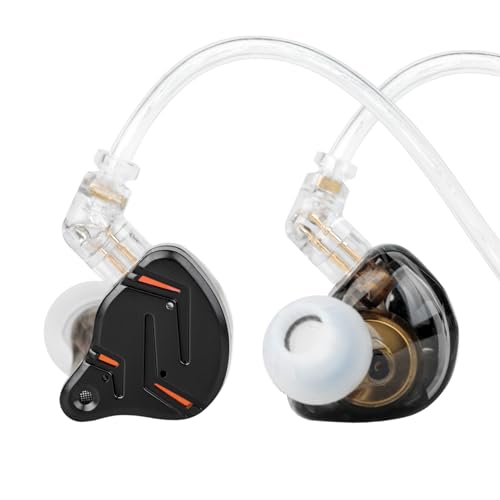
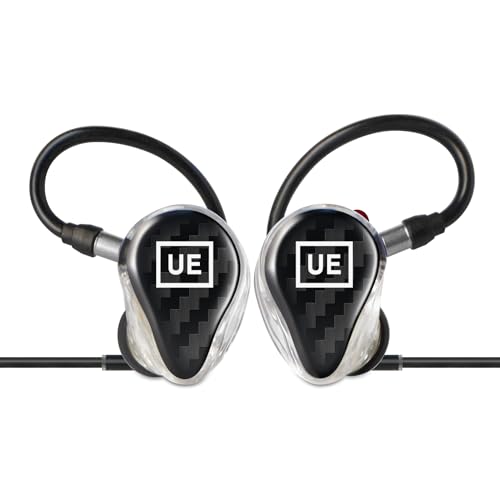
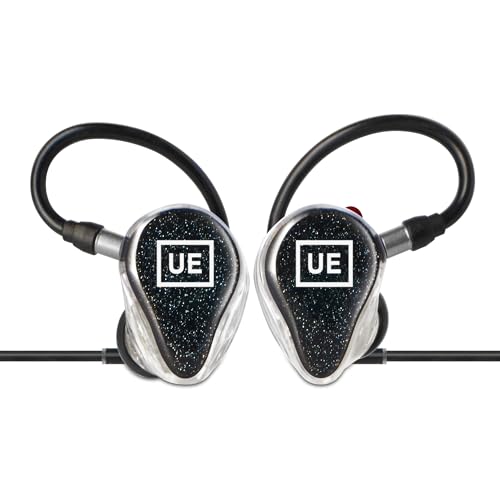
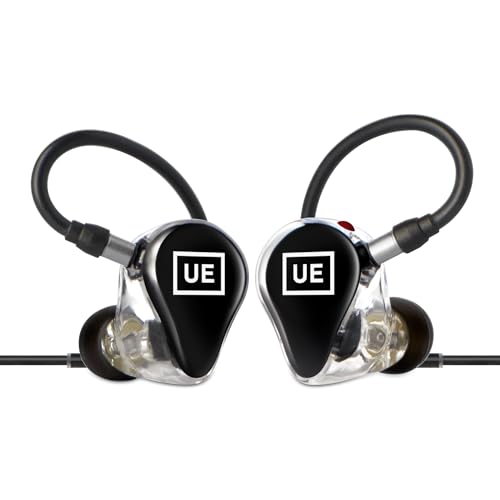
Choosing the right in-ear monitors bridges the gap between competitive gaming responsiveness and professional video post-production. For professional creators demanding surgical acoustic separation and reference-grade accuracy, we recommend the Ultimate Ears Pro UE 350 Universal IEMs Triple. Its triple balanced armature setup delivers unmatched clarity across dialogue tracks and intricate spatial sound effects.
If you want exceptional hybrid performance without stretching your production budget, consider the Linsoul KZ ZS10 Pro, 4BA+1DD 5 Driver in Ear. This model combines four balanced armatures with a dynamic driver to provide deep bass extension and brilliant high-frequency detail. It represents the best value for editors who balance timeline mixing with evening gaming sessions.
Budget-conscious creators seeking an accessible entry point will appreciate the YINYOO KZ-ZST Colorful Hybrid Banlance Armature. It delivers reliable hybrid acoustic performance, detachable cabling, and ergonomic comfort at a fraction of the cost of studio monitors. You can also explore refined dual-driver options like the Ultimate Ears Pro UE 250 Universal IEMs Double or single-driver purity in the Ultimate Ears Pro UE 150 Universal IEMs Single.
Upgrading your audio setup transforms your editing efficiency and immerses you deeper into your favorite competitive games. Match your chosen monitors with an organized workspace environment by exploring our curated audio and studio gear resources. Investing in accurate in-ear monitoring ensures your video projects sound polished across every consumer playback system.
Frequently Asked Questions
Why are in-ear monitors better than over-ear gaming headsets for video editing?
In-ear monitors are significantly lighter than bulky over-ear headsets, eliminating top-of-head pressure and ear cup heat buildup during long editing sessions. They also place balanced acoustic drivers closer to the eardrum, providing superior passive noise isolation and micro-detail resolution.
What makes Best Gaming Earbuds for Video Editing suitable for long editing sessions?
These specialized monitors combine ergonomic resin shells with balanced frequency tuning that avoids fatiguing bass or piercing treble spikes. Their over-ear cable routing takes physical weight off the ear canal, allowing creators to wear them comfortably for full workdays.
Do I need a dedicated DAC or audio interface for gaming earbuds?
While sensitive in-ear monitors run easily from standard 3.5mm motherboard ports, a dedicated USB DAC prevents electrical motherboard hiss. An external interface also provides an ultra-low output impedance floor that keeps your frequency response completely transparent.
Can wireless Bluetooth earbuds be used effectively for video editing workflows?
Wireless earbuds introduce audio latency delays that desynchronize timeline video frame cuts from audible waveforms in editing software. Wired analog connections remain the industry standard because they guarantee zero-latency playback and uncompressed signal fidelity.
What is the difference between dynamic drivers and balanced armatures?
Dynamic drivers excel at moving air to create warm, natural low frequencies and tactile bass impact. Balanced armature drivers are miniature acoustic units engineered for ultra-fast transient response and precise mid-to-high frequency reproduction.
How does passive noise isolation compare to active noise cancellation for editing?
Passive noise isolation relies on physical ear tip seals to block exterior noise naturally without altering audio phase or frequency response. Active noise cancellation uses digital inverted sound waves, which can introduce background hiss and subtle acoustic coloration that distorts editing decisions.
Why is a flat frequency response important for video creators?
A flat frequency response reproduces sound exactly as recorded without artificially boosting bass or exaggerating high frequencies. This neutrality ensures dialogue, music, and sound effects are balanced accurately so your final video mix translates well across all viewer devices.
How do detachable cables improve the lifespan of in-ear monitors?
Detachable cable connectors allow you to replace worn or frayed cords in seconds without discarding the earphone housings. You can also upgrade to premium braided cables or cords with integrated inline microphones depending on your production needs.
What should I do if my gaming earbuds produce background audio hiss?
Background hiss usually stems from connecting highly sensitive, low-impedance monitors to an unshielded PC motherboard audio jack. Connecting your earbuds to an external USB audio adapter or low-impedance DAC will instantly clean up the noise floor.
Which ear tip material provides the best acoustic seal for audio monitoring?
Memory foam tips provide the strongest acoustic seal and highest passive noise dampening because they expand to fit your specific ear canal shape. High-grade silicone tips offer a slightly brighter high-frequency response, simpler daily cleaning, and long-term durability.