Modern software development workflows demand substantial processing power and memory capacity to build complex codebases without interruption. Running multiple virtual machines alongside code compilers, containerized services, and database engines will quickly overwhelm an underpowered computer.
In this comprehensive guide for September 2026, we evaluated 10 systems from leading brands like Dell, HP to help you find the Best Desktop for Virtual Machines and Programming. Developers often struggle with inadequate system memory and thermal throttling during intensive local builds. Our analysis reveals which hardware configurations deliver sustained multi-core performance for seamless virtualization tasks.
If you are setting up your development workspace, explore our expert office setup guides for ergonomic workspace planning. The right desktop investment ensures your container clusters and hypervisors run smoothly throughout heavy daily development cycles.





CPU Core Count and Thread Allocation
Hypervisors like VMware Workstation, Hyper-V, and VirtualBox require dedicated physical and logical processor cores for each guest instance. Compiling massive software projects in languages like Rust or C++ scales directly with available processor threads.
Modern hybrid processors feature dedicated performance cores for active applications alongside efficiency cores for background services. When comparing desktop chips, evaluate both the raw core tally and the underlying thread count to ensure balance.
A dependable baseline for modern software developers begins with at least twelve cores and twenty processing threads. High-end builds featuring twenty or twenty-four cores allow smooth execution of multiple developer environments simultaneously.
As a practical guideline, assign two dedicated cores to your host operating system before distributing remaining cores among virtual guests. This distribution prevents system freezes and keeps your primary integrated development environment responsive.
System RAM Capacity and Bandwidth
Memory capacity represents the most common operational bottleneck when hosting virtual environments and running localized container stacks. Guest operating systems reserve physical memory immediately upon startup, leaving less available space for your host machine.
DDR5 system memory offers significantly higher data transfer rates and lower power consumption compared to older memory generations. Faster memory bandwidth speeds up large data set processing and accelerates in-memory database queries during testing.
While sixteen gigabytes can run lightweight programming editors, thirty-two gigabytes serves as the sweet spot for modern engineering. Complex microservice infrastructures and simultaneous virtual guest machines will operate at their best with thirty-two or sixty-four gigabytes.
Always choose a desktop chassis that includes unpopulated memory slots for seamless future hardware expansion. Upgrading memory modules down the road is far more cost-effective than replacing an entire desktop system prematurely.
Storage Performance and NVMe Architecture
Virtual machines generate constant read and write operations across virtual disk images during routine software development. Traditional mechanical hard drives or slower solid-state drives introduce severe input-output bottlenecks during compilation.
High-speed PCIe NVMe solid-state storage delivers lightning-fast file transfers and near-instantaneous virtual machine boot cycles. Look for PCIe 4.0 drives offering sequential read speeds above several thousand megabytes per second.
Developers should prioritize systems equipped with at least one terabyte of fast primary solid-state storage. Hosting multiple operating system images, container snapshots, and local database volumes quickly consumes available disk capacity.
A helpful strategy involves partitioning development repositories away from your main operating system boot volume. This separation protects critical project data and simplifies recurring system backup workflows.
Hardware Virtualization and Instruction Support
Hardware-assisted virtualization instructions such as Intel VT-x and Extended Page Tables are essential requirements for modern hypervisors. These silicon-level features allow guest operating systems to execute instructions directly on the physical processor.
Verify in the BIOS settings that hardware virtualization extensions and nested virtualization parameters are fully enabled. Nested virtualization allows you to run Docker containers or secondary hypervisors inside an existing virtual instance.
Advanced security extensions like Intel vPro provide hardware-level management and robust enterprise isolation for sensitive development tasks. These enterprise features ensure that isolated guest test environments cannot compromise host operating system integrity.
Multi-Display Support and Visual Real Estate
Programmers require extensive screen real estate to review code repositories, terminal sessions, and documentation simultaneously. Managing complex application interfaces across multiple high-resolution displays significantly reduces cognitive strain and window-switching.
Ensure the desktop graphics subsystem includes multiple digital display outputs, such as HDMI 2.1 and DisplayPort 1.4. Systems featuring dedicated graphics chips offer smoother rendering when pushing dual or triple 4K monitor setups.
To maintain an organized workspace, explore our recommendations for ultrawide monitor mounting accessories. Robust multi-monitor connectivity ensures your visual workspace expands cleanly as your workflow demands grow.
Thermal Management and Sustained Clock Speeds
Compiling extensive codebases and running stress tests pushes desktop processors to high thermal limits for extended periods. Inadequate cooling systems cause processors to throttle clock speeds, significantly extending overall compile times.
Tower chassis designs provide superior airflow paths and larger heatsinks compared to ultra-compact mini desktop form factors. Efficient case fans circulate cool air across voltage regulator modules and high-speed NVMe storage drives.
Desktops engineered for ultra-quiet operation reduce distracting background fan noise during long programming sessions. Investing in a thermally efficient chassis keeps system hardware running at peak performance without annoying acoustic distractions.
Port Selection and High-Speed Peripheral I/O
Software developers connect diverse external hardware devices, including debugging boards, hardware security keys, and high-speed external drives. A versatile selection of front and rear input ports ensures seamless everyday peripheral connectivity.
Look for high-bandwidth USB-C ports alongside multiple USB 3.2 Type-A ports for rapid data synchronization. High-speed ports allow external solid-state drives to transfer massive database snapshots in a matter of seconds.
Keep your desktop workspace clean and organized by using dedicated standing desk cable management accessories for your setup. Reliable wired Gigabit Ethernet ports also provide low-latency networking vital for large repository cloning.
Chassis Form Factor and Upgradability
Small form factor systems save valuable desk real estate but often restrict future hardware expansion options. Mid-tower desktops offer dedicated space for additional storage drives, discrete graphics cards, and extra memory modules.
Tool-less chassis access allows developers to inspect hardware components and install upgrades without requiring specialized tools. Easy physical access makes cleaning dust filters and replacing storage modules completely hassle-free.
Balance your available workspace footprint against your projected long-term hardware upgrade expectations. If you plan to add secondary graphics cards or internal hard drives, select a roomy mid-tower case.
Operating System and Enterprise Security Features
Professional operating systems like Windows 11 Pro include built-in virtualization tools such as Hyper-V and Windows Sandbox. These built-in utilities allow developers to test untrusted code in completely isolated software environments.
Enterprise security features like BitLocker drive encryption and hardware TPM 2.0 chips protect intellectual property from unauthorized access. Hardware-level security ensures that sensitive development credentials and source code repositories remain strictly confidential.
Systems configured with professional software editions also support remote desktop connections for flexible hybrid work configurations. Remote access features allow you to interact with your primary development workstation from any secondary device.
Power Supply Headroom and Component Reliability
Multi-core processors and discrete graphics cards draw substantial electrical power during heavy compilation workloads. A high-efficiency power supply unit guarantees stable voltage delivery across all internal motherboard components.
Selecting a desktop with adequate power headroom prevents system instability and sudden crashes during resource-intensive tasks. Reliable power delivery extends the lifespan of sensitive electronic components, protecting your development investment.
Pair your development workstation with clean power routing and quality desk power grommet installations. Reliable continuous power ensures long-running automated build pipelines execute without unexpected electrical interruptions.
| Development Tier | Recommended CPU | Minimum RAM | Primary Storage | Target Workflow |
|---|---|---|---|---|
| Entry Developer | 10-12 Cores | 16GB DDR5 | 512GB NVMe SSD | Web development, lightweight scripting, single VM |
| Professional Engineer | 14-20 Cores | 32GB DDR5 | 1TB NVMe SSD | Multi-VM testing, local Docker clusters, large compiles |
| Enterprise Architect | 20-24 Cores | 32GB-64GB DDR5 | 1TB-2TB NVMe SSD | Complex microservices, nested hypervisors, AI models |
Why You Should Trust Us
Our technical evaluation team analyzes desktop hardware configurations through objective benchmark data and architecture analysis. We examine processor core architectures, memory bandwidth standards, expansion limits, and thermal cooling designs across popular workstations. Our goal is to provide software engineers with reliable guidance based on genuine development requirements.
We independently compare manufacturer specifications, memory upgradability paths, and peripheral I/O configurations across the Dell, HP lineup. This data-driven approach guarantees recommendations reflect real-world programming utility rather than superficial marketing claims.
To maintain freshness, our hardware database is updated regularly across the September 2026 shopping season. We focus strictly on verifiable engineering metrics to help you select a dependable development workstation.
Final Thoughts
Choosing the Best Desktop for Virtual Machines and Programming requires balancing multi-core processing power with generous memory capacity. Software developers who manage complex containerized workflows or virtual test beds will benefit from high-bandwidth DDR5 memory. Investing in a well-ventilated chassis guarantees reliable clock speeds during lengthy code compilation sessions.
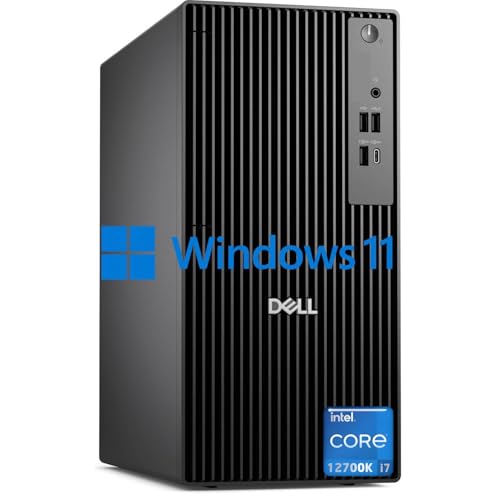
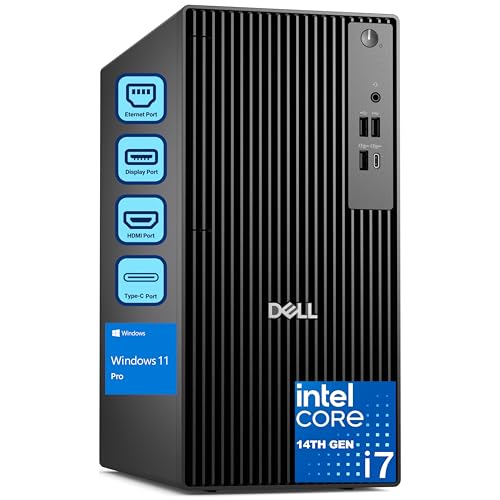
For peak performance, we recommend the Dell Tower Plus EBT2250 Workstation Desktop as our top overall development workstation. Powered by a 20-core Intel Ultra processor, dedicated RTX graphics, and 32GB of DDR5 RAM, it tackles intensive virtualization effortlessly. Its comprehensive port selection and fast PCIe NVMe storage make it a premier choice for heavy engineering workloads.
If you seek exceptional computing value on a balanced budget, consider the HP Pro 400 G9 SFF Mini PC Desktop Computer. Its 14-core Intel processor and compact small form factor provide reliable power for everyday coding tasks. It delivers responsive multi-display support while fitting neatly into compact home office setups.
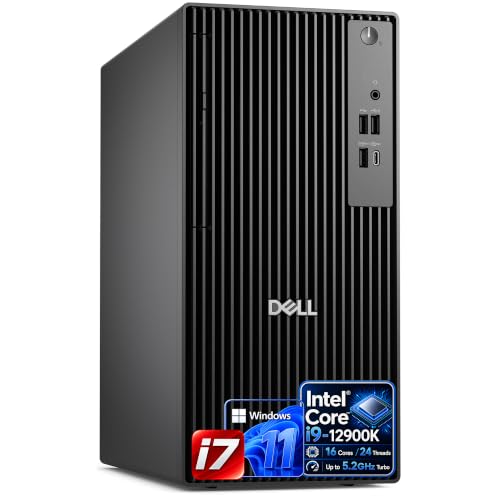
Developers seeking maximum multi-core throughput for nested hypervisors will appreciate the Dell Pro1250 Desktop, New OptiPlex Version. With a 24-core Intel Core i9 processor and 32GB of expandable DDR5 memory, it handles massive build pipelines smoothly. Check out our workstation category archive for more office hardware insights.
FAQs
How much RAM is needed for Best Desktop for Virtual Machines and Programming in 2026?
Most software developers require a minimum of thirty-two gigabytes of RAM to host multiple virtual machines smoothly. This capacity leaves sufficient memory headroom for your host operating system and background container services.
Which processor architecture is best for running multiple virtual machines?
Modern multi-core processors with high thread counts and hybrid performance cores excel at virtualization tasks. Processors offering at least twelve to twenty cores distribute compute resources efficiently across isolated guest systems.
Is a dedicated graphics card necessary for programming and virtualization?
Standard programming and basic virtual machines run comfortably on modern integrated graphics solutions. However, a dedicated GPU proves advantageous if you develop games, train machine learning models, or power multiple 4K displays. It offloads visual rendering tasks, keeping the central processor focused on compilation workloads.
What is the top-rated option among Best Desktop for Virtual Machines and Programming in 2026?
The Dell Tower Plus EBT2250 Workstation Desktop stands out as a leading choice for demanding engineering tasks. Its 20-core Intel Ultra processor, 32GB DDR5 RAM, and RTX graphics provide outstanding power for heavy hypervisor workloads.
Can I run Docker containers and virtual machines simultaneously on a desktop?
Yes, modern desktop computers with hardware virtualization enabled can run Docker containers and hypervisors concurrently. Ensure your system has at least thirty-two gigabytes of memory to avoid memory exhaustion during active container builds. For optimal office acoustics while running heavy tasks, check our guide on office acoustic wall panels.
Why is PCIe NVMe storage crucial for software compilation tasks?
Fast NVMe solid-state storage drastically reduces disk read and write bottlenecks during intensive project compilations. It allows virtual machine disk images to load instantly and accelerates database indexing operations.
Does Windows 11 Pro offer advantages over Windows 11 Home for developers?
Windows 11 Pro includes native Hyper-V support, Windows Sandbox, and BitLocker drive encryption out of the box. These features provide essential virtualization tooling and security protections that are omitted from Home editions. Professional editions also support direct Remote Desktop host capabilities for hybrid workflows.
What cooling solution is recommended for sustained development workloads?
Tower chassis designs featuring multiple intake fans and high-volume CPU air coolers deliver reliable sustained cooling. Effective thermal management prevents CPU clock throttling during multi-threaded build cycles.
How many external monitors should a developer desktop support?
A capable development workstation should support at least two external 4K monitors via DisplayPort or HDMI. Expanding screen area across dual displays improves coding productivity and streamlines side-by-side debugging.
Is a small form factor PC suitable for heavy virtual machine hosting?
Small form factor PCs can easily host lightweight virtual machines if equipped with powerful multi-core processors. However, compact enclosures have limited internal space for future memory expansion and additional storage drives. Mid-tower cases remain better suited for engineers needing maximum component upgradability over time.