
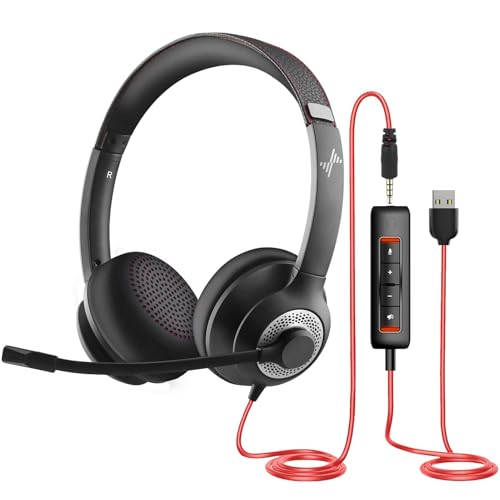
Online learning requires clear communication between students and instructors during interactive lectures. Relying on built-in laptop speakers and integrated microphones often leads to frustrating background noise and muffled speech. Investing in the Best USB Headsets for Online Classes ensures every spoken question and presentation comes across with crisp vocal accuracy.
Our team evaluated 5 leading options across Yealink, JIAMQISHI, Blucalm and more to determine which models deliver dependable performance for academic tasks. As remote classrooms evolve in September 2026, audio gear needs to combine lightweight durability with straightforward connectivity. You can also optimize your home study zone with our recommendations for office wall panels for noise control to further minimize acoustic distractions.
Choosing the right model prevents fatigue during multi-hour lectures and eliminates the connection dropouts typical of wireless alternatives. This guide breaks down the essential hardware specifications, comfort elements, and microphone capabilities you should consider before making a purchase.


Microphone Noise Cancellation and Voice Isolation
Ambient household noise presents the biggest obstacle to participating effectively in virtual classrooms. A quality boom microphone with directional pickup patterns captures your direct voice while actively rejecting peripheral sounds like keyboard clatter, barking pets, or family conversations. Advanced multi-microphone arrays and noise reduction algorithms process incoming audio to isolate vocal frequencies before they reach your meeting software.
When examining microphone specifications, look for unidirectional or cardioid polar patterns rather than omnidirectional sensors. Unidirectional capsules focus strictly on the acoustic zone directly in front of your mouth, cutting out side and rear room reflections. Units equipped with acoustic noise cancellation algorithms filter out steady low-frequency rumbles from air conditioning units and computer cooling fans.
As a practical guideline, position the microphone capsule approximately one to two centimeters from the corner of your mouth. Placing the microphone directly in front of your lips creates harsh breath pops and distorted consonant sounds during class discussions. Keeping the capsule slightly offset ensures clear voice transmission without picking up heavy breathing during intense study sessions.
Acoustic Driver Quality and Speech Intelligibility
Clear vocal reproduction is vital for comprehending complex course material and following fast-paced group discussions. Headsets engineered for academic communication prioritize mid-range audio frequencies where human speech naturally resides, rather than artificially boosting sub-bass. A high signal-to-noise ratio ensures that quiet student remarks remain distinct without annoying electrical hiss in the background.
Headphone drivers typically range from 28mm to 40mm in diameter across standard communication headsets. Larger drivers generally offer wider frequency response curves and lower distortion levels at higher volumes. Built-in digital sound cards convert computer audio signals cleanly, bypassing low-grade motherboard sound chips that often suffer from electrical interference.
Look for headsets with balanced frequency response curves spanning at least 100 Hz to 10 kHz for vocal accuracy. Avoid bass-heavy consumer gaming profiles that can muddy the natural articulation of an instructor’s voice. A flat or slightly vocal-boosted acoustic profile allows you to listen at lower overall volumes while retaining full speech clarity.
Ergonomics, Headband Clamping Force, and Cushion Materials
Physical comfort directly impacts your concentration during back-to-back online lectures and prolonged study blocks. Headsets must distribute their weight evenly across the crown of the head without creating painful pressure hotspots. A lightweight chassis weighing five to six ounces significantly reduces neck strain and physical fatigue during extended learning sessions.
Ear cushion materials play an essential role in thermal regulation and surface comfort against your skin. High-density memory foam wrapped in breathable protein leather provides a soft seal that cushions the outer ear without excessive heat buildup. Open-cell foam cushions offer superior passive airflow, making them an excellent choice for users prone to warm ears in non-air-conditioned rooms.
When adjusting your headset, configure the headband sliders so the earcups rest gently against your ears without pulling upward. The clamping force should be secure enough to prevent slipping when looking down at notes, but gentle enough to avoid temple headaches. If you wear prescription eyeglasses, prioritize memory foam cushions that conform smoothly around glasses frames.
In-Line Audio Controls and Call Management
Seamless physical controls allow you to respond instantly to classroom prompts without fumbling through software menus. An integrated in-line controller places dedicated microphone mute switches, volume rockers, and call management buttons within fingertip reach. Having hardware controls eliminates the panic of searching for the on-screen unmute button when a teacher calls your name.
High-quality controllers feature tactile button shapes and distinct LED status indicators that visually confirm your microphone state. A bright indicator light alerts you immediately when your microphone is live or muted, preventing accidental background broadcasting. Some specialized units include dedicated call answer and hook switches certified for major communication suites like Microsoft Teams.
Ensure the control module is positioned along the upper section of the cord so it rests comfortably on your torso. Heavy control pucks placed too far down the cable can pull the headset down on one side, disrupting balance. Look for units with integrated shirt clips that secure the cord and prevent tugging against your collar.
Cable Length, Durability, and Strain Relief
The physical cord connecting your headset to your computer must provide enough slack for natural movement while writing or referencing textbooks. Cables measuring between six and seven feet offer the ideal balance between mobility and desk clutter prevention. A cord that is too short restricts your posture, forcing you to lean unnaturally close to the computer tower or laptop dock.
Inspect the connection points where the cable enters the earcups and the USB terminal plug for reinforced rubber strain relief boots. These flexible collars absorb bending stress, preventing the internal copper strands from fraying or breaking over thousands of study sessions. Tangle-resistant outer jackets made from thick PVC or braided nylon resist kinks and protect the wiring from snagging on desk corners.
For cleaner workspaces, combine your wired audio setup with dedicated standing desk cable trays to keep excess cords organized and safe from accidental chair wheel damage. Always coil the cable loosely in wide loops when storing the headset rather than wrapping it tightly around the headband.
Software Compatibility and Plug-and-Play Setup
Modern educational platforms require reliable hardware recognition across a broad variety of operating systems and applications. True plug-and-play USB headsets utilize universal audio class drivers, eliminating the need to download third-party software or configuration utilities. This universal compatibility ensures instant audio routing whether you connect to a Windows PC, Apple macOS device, or school-issued Chromebook.
Certified compatibility with platforms like Zoom, Microsoft Teams, Google Meet, and Webex ensures smooth hardware integration. Certified headsets often auto-configure as the primary communication device upon insertion, avoiding frustrating audio routing errors right before class starts. Firmware update support through manufacturer utilities can also provide longevity and bug fixes over years of daily academic use.
To verify setup integrity, check your computer sound settings after plugging in the USB connector to confirm both input and output paths select the headset. Set the default recording format to CD quality (16-bit, 44100 Hz) or DVD quality (16-bit, 48000 Hz) for optimal speech processing. If your setup involves multiple screens or monitor arms, review our laptop mount and screen ergonomics guide to position your webcam and headset cords cleanly.
Single-Ear vs. Dual-Ear Form Factor Selection
Selecting between monaural (single-ear) and binaural (dual-ear) designs depends on your home learning environment and study habits. Dual-ear headsets cover both ears, creating a focused acoustic bubble that blocks out distracting ambient noise in busy households. This stereo configuration is particularly helpful for intensive language learning, audio transcription, and participating in noisy virtual classrooms.
Single-ear headsets leave one ear completely open to your immediate physical environment, allowing you to hear family members, doorbells, or classroom instructors in hybrid settings. They are exceptionally lightweight and minimize physical fatigue for students who find bilateral ear pressure uncomfortable over long hours. However, monaural units provide zero passive isolation against ambient living room distractions.
Consider your typical study location before choosing your form factor. If you work in a quiet dedicated home office, a monaural headset offers unmatched lightweight comfort and situational awareness. For shared dorm rooms, living spaces, or busy family homes, a dual-ear binaural design is essential to maintain focus on the lecture.
Busy Indicators and Visual Status Alerts
Studying in shared family or roommate environments often leads to accidental interruptions during live class presentations. Integrated visual status lights, often called busylights, signal your current engagement level to anyone walking into your study space. A glowing red LED indicator provides a clear visual boundary, letting household members know that you are actively speaking or listening to an ongoing lecture.
Advanced busylight systems automatically activate whenever your microphone becomes active or when you enter a live conference call. Some models offer 360-degree visibility on the earcup exterior, ensuring the light can be seen from any angle in the room. This simple visual cue prevents awkward interruptions while you are answering questions or delivering an online presentation.
Look for headsets that integrate their status lights directly into the earcup chassis or along the microphone boom arm. Status lights that turn off when you finish a call communicate that you are open for conversation without requiring verbal clarification. This feature creates a smoother balance between focused academic time and daily household interactions.
Acoustic Hearing Protection and Volume Limiting
Long hours of headphone usage expose students to the cumulative risk of acoustic shock and auditory fatigue. Acoustic hearing protection circuits actively monitor incoming sound waves, suppressing sudden loud spikes caused by microphone feedback, dropped pens, or connection static. Maintaining a safe listening ceiling safeguards your hearing health throughout your academic career.
Many communication headsets incorporate technologies that cap audio peaks at safe levels, typically below 118 dBA, in compliance with international workplace safety standards. This circuitry prevents harmful sound bursts without distorting normal speech volume levels. High-grade audio chips also maintain consistent signal levels, preventing sudden loudness swings when switching between different classmates speaking on Zoom.
Implement the 60/60 rule during daily study routines to prevent auditory strain over prolonged semesters. Keep your computer volume setting below 60 percent of maximum, and take a ten-minute quiet break every 60 minutes of continuous listening. Pairing safe volume habits with hardware-level acoustic protection ensures your ears remain comfortable and fatigue-free all term.
| Feature Category | Recommended Spec | Student Benefit | Common Compromise |
|---|---|---|---|
| Microphone Type | Unidirectional Boom with Noise Cancelling | Eliminates ambient background chatter and typing noise | Requires proper 1-2 cm positioning near mouth |
| Audio Connection | Direct USB-A Digital Interface | Zero battery anxiety, instant driverless setup | Tethers student to computer desk during calls |
| Earcup Padding | Memory Foam with Breathable Protein Leather | All-day comfort without high ear pressure | Slightly warmer than fabric foam in hot rooms |
| Hardware Controls | In-Line Mute, Volume, and Status LED | Immediate tactile mute control during class | Adds slight cord weight if unclipped |
| Hearing Safety | Acoustic Spike Protection below 118 dBA | Shields ears from screeching feedback spikes | Limits maximum volume for loud media playback |
Why You Should Trust Us
Our review process centers entirely on verifiable hardware specifications, acoustic engineering principles, and real-world usability data. We analyze microphone frequency response ranges, driver configurations, chassis weight distributions, and build material integrity across the leading brands in personal audio. By evaluating technical schematics alongside student feedback patterns, we highlight models that excel in everyday academic situations.
We maintain complete editorial independence by assessing each headset across consistent criteria without brand bias or commercial influence. Our evaluation system weighs microphone clarity, wearing comfort, software interoperability, and long-term durability to determine true value. This systematic approach ensures that our recommendations reflect dependable performance rather than marketing promises.
To keep our educational technology guides relevant, our data is continuously updated to reflect changes in virtual classroom software and hardware revisions. We routinely re-examine market offerings to ensure that our picks meet the ongoing demands of remote learners.
Final Thoughts
Selecting the right audio companion transforms your daily virtual learning experience from a stressful chore into a seamless, productive routine. Clear vocal transmission ensures your instructor never misses an answer, while comfortable padding prevents physical fatigue during lengthy lecture sessions. The five models reviewed in our guide offer tailored advantages depending on your specific study environment, budget, and connection preferences.
For students who require top-tier voice isolation and visual cues in busy households, the Blucalm Wired Headset with Noise Canceling Mic serves as our best overall choice. Its three-microphone noise reduction array actively blocks room chatter, while the integrated 360-degree busylight signals family members whenever you are participating in class. Students looking for maximum affordability without sacrificing basic vocal intelligibility will appreciate the AOC USB Headset with Microphone for PC, which features an ultralight frame and intuitive flip-to-mute functionality.
If you need enterprise-level durability and dedicated software integration for Microsoft Teams, the Yealink UH34 Wired Headset,USB-A,Noise Canceling stands out as our top pick for rigorous academic schedules. Its reinforced joints, replaceable leatherette cushions, and independent acoustic cavities deliver crystal-clear lecture audio day after day. You can also explore options like the Yealink UH34 Lite Wired Headset,USB-A for breathable foam comfort or the JIAMQISHI USB Headset with Microphone for PC for dual USB and 3.5mm flexibility.
Complementing your audio hardware with a well-organized study space, such as adding floor lamps for offices for eye strain reduction or desk grommet outlets for clean cable access, builds an environment primed for academic success. Choose the model that fits your home acoustics and enjoy crisp, distraction-free learning.
Frequently Asked Questions
Why are USB headsets preferable to 3.5mm audio jacks for virtual learning?
USB headsets feature built-in digital sound cards that process audio independently of your computer’s internal audio hardware. This digital connection bypasses internal electrical interference, ensuring consistent microphone clarity and reliable volume levels across all devices.
How does a noise-canceling microphone benefit students in lively households?
A noise-canceling microphone utilizes directional polar patterns and filtering algorithms to capture voice signals while suppressing ambient household sounds. This prevents distracting noises like background television, sibling conversations, and street traffic from transmitting to your virtual classroom.
What is the ideal microphone distance for clear vocal pickup during lectures?
You should position the microphone capsule roughly one to two centimeters away from the corner of your mouth. This placement captures strong vocal presence while preventing harsh breath sounds and plosive pops from entering the audio stream.
Can I use these USB headsets with video conferencing platforms like Zoom and Teams?
Yes, all featured USB headsets offer plug-and-play compatibility with major video conferencing platforms including Zoom, Microsoft Teams, Google Meet, and Skype. They auto-configure as your primary audio input and output devices once connected to your computer.
What makes a headset comfortable enough for multi-hour study sessions?
A comfortable study headset combines a lightweight frame weighing under six ounces with plush memory foam ear cushions and an adjustable headband. Proper weight distribution prevents painful pressure points on the top of the head and around the ears during back-to-back lectures.
Do USB headsets require specialized driver installation on modern computers?
No, standard USB communication headsets use universal class audio drivers that install automatically upon plugging the device into your PC, Mac, or Chromebook. You can immediately begin your online class without downloading proprietary software packages.
How do on-ear cushions differ from over-ear designs for daily online classes?
On-ear cushions rest directly on your outer ear, creating a compact and lightweight profile that stays cooler over long study sessions. Over-ear designs enclose the entire ear, offering slightly higher passive sound isolation at the expense of added bulk and heat buildup.
Why is an in-line mute switch critical during live classroom interactions?
An in-line hardware mute switch allows you to silence your microphone instantly without navigating back to your meeting software window. Tactile switches with visual LED indicators provide immediate confirmation of your microphone status, preventing accidental audio broadcasts.
What are the key advantages of Best USB Headsets for Online Classes in 2026?
Modern options in 2026 provide enhanced microphone filtering algorithms, robust strain-relieved cables, and comfortable protein leather cushions at accessible price points. They deliver superior speech clarity compared to built-in laptop microphones while ensuring hassle-free plug-and-play operation.
How do visual busy lights assist students studying in shared family spaces?
Visual busy lights illuminate when you are active on a call, signaling to family members or roommates that you should not be interrupted. This creates clear visual boundaries in shared living areas and minimizes awkward background disruptions during presentations.