
Building an ergonomic comfort kit for your home office does not have to mean spending on every gadget at once. A desk footrest, an ergonomic footstool, and a chair mat each solve a different problem, and each comes in a wide price range. Knowing what to prioritize — and what each item actually costs to buy well — helps you build a setup that supports your posture without blowing your budget. This guide breaks down realistic price ranges, what you get at each tier, and how to sequence your purchases so every dollar improves your comfort.

Why These Three Items Belong in the Same Budget Conversation
A desk footrest, an ergonomic footstool, and a chair mat all address lower-body comfort and desk stability, but they are not interchangeable. A footrest supports your feet at a fixed or slightly adjustable angle to reduce pressure on your thighs and lower back. An ergonomic footstool is typically larger, often rocking or tilting, and is designed to encourage subtle movement throughout the day. A chair mat protects your flooring and lets your chair glide smoothly, which matters more than people expect once you start rocking a footstool or shifting positions frequently. Budgeting for all three together, rather than buying reactively one at a time, lets you avoid duplicate purchases and mismatched sizing.
What You’ll Need Before You Start Budgeting
- Measurements of your under-desk clearance (width, depth, and height from floor to desk underside)
- The flooring type in your workspace (carpet, hardwood, tile) since this affects chair mat pricing
- Your current chair height and whether your feet already rest flat on the floor
- A rough sense of how many hours per day you sit at the desk
- A target total budget range for the full kit
Step 1: Set a Realistic Total Budget Range
- For a basic three-item kit, plan for roughly $60 to $150 total if you choose budget-tier products across the board.
- For a mid-range kit with adjustable, higher-durability items, expect $150 to $300.
- For a premium kit with rocking footstools, memory foam footrests, and heavy-duty polycarbonate mats, budgets often reach $300 to $500 or more.
- Decide upfront which category matters most to you, since that item should get the largest share of your budget.
Step 2: Price Out the Desk Footrest
Basic foam or plastic footrests typically run $15 to $30. These are lightweight, non-adjustable, and fine for occasional use. Mid-range footrests with tilt adjustment, massage texture, or memory foam padding land between $30 and $60. Premium models with dual-level height settings, breathable mesh covers, or rocking mechanisms can reach $70 to $100. If you sit most of the day and your chair is not height-adjustable to your desk, this is often the single most impactful purchase in the kit, since it directly reduces pressure behind your knees and improves circulation. For a curated comparison of options across these tiers, see Desk Footrests.

Step 3: Price Out the Ergonomic Footstool
An ergonomic footstool differs from a basic footrest mainly in size and motion. Entry-level rocking footstools start around $25 to $40. Mid-tier models with adjustable tilt angles and non-slip textured surfaces run $40 to $80. High-end options built for active sitting, with wider platforms and sturdier bases rated for frequent use, can cost $80 to $130. If you already own a static footrest and find yourself shifting positions often, upgrading to a footstool that allows gentle rocking can reduce stiffness during long work sessions. Browse a range of styles and price points at ergonomic footstools before finalizing this line item in your budget.
Step 4: Price Out the Chair Mat
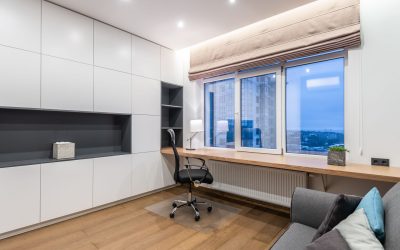
Chair mat pricing depends heavily on flooring type and size. Basic vinyl mats for hard floors start around $20 to $35 for a standard 36-by-48-inch size. Mats designed for carpet, which need cleats or a textured underside to stay in place, typically run $30 to $60. Larger mats, custom shapes for corner desks, or heavy-duty polycarbonate versions rated for years of rolling chair use can reach $80 to $150. A good mat is not just cosmetic protection for your floor — it reduces the physical effort needed to reposition your chair, which matters if you are also incorporating a rocking footstool that encourages more movement. Compare durable options at best chair mats.

Step 5: Sequence Your Purchases
- Buy the chair mat first if your current flooring is already showing wear or your chair is difficult to roll — this is foundational and prevents floor damage while you test other items.
- Add a basic footrest next, since it delivers noticeable comfort improvement even at the lowest price tier.
- Upgrade to an ergonomic footstool once you know you want more movement than a static footrest offers, rather than buying both at once and discovering you only use one.
- Revisit and upgrade individual pieces after a few months of use, once you know which item gets the most daily wear.
Common Budgeting Mistakes to Avoid
- Buying a footrest and a footstool at the same time without testing either first. Many people find one style suits them and rarely use the second item, wasting part of the budget.
- Choosing the cheapest chair mat for carpet. Mats without proper cleats or grip often slide, creating a tripping hazard and requiring an early replacement.
- Ignoring under-desk clearance. A footstool or footrest that is too tall can actually worsen posture by pushing your knees above hip level.
- Skipping the mat because it seems optional. Floor damage repair or replacement often costs more than the mat itself over time.
Safety and Fit Notes
Whatever combination you choose, your feet should be able to rest flat or at a slight downward angle without your knees rising above your hips. If a footrest or footstool forces your knees noticeably upward, size down or lower your chair instead. When testing a rocking footstool, start with short sessions to build tolerance, especially if you are not used to active sitting. Always confirm your chair mat is rated for your flooring type before purchase, since using a hard-floor mat on carpet (or vice versa) can create instability.
How to Reallocate Budget If You Have to Cut Costs
If your total budget shrinks, resist the urge to cut all three items evenly. Instead, drop the item you use least based on your daily routine. If you rarely roll your chair away from the desk, a basic mat is enough and you can put the savings toward a better footrest. If your job keeps you mostly stationary with feet flat already, the footstool may be the item to postpone. The goal is to fully fund the one or two items that address your actual posture pain points rather than partially funding all three with underpowered products that need replacing sooner.
Frequently Asked Questions
Do I need all three items, or can I start with just one?
You can start with just one. Most people benefit most from a footrest or footstool first, since it directly affects leg and back comfort, and add the chair mat once they know they will be rolling their chair more often.
Is it worth paying more for an adjustable footrest?
If your desk and chair heights are fixed and do not match your body proportions well, an adjustable footrest is worth the extra cost since it lets you fine-tune the angle rather than settling for a fixed height that may not fit.
How long should a quality chair mat last?
A well-made mat rated for daily rolling chair use typically lasts several years before showing cracks or flattening, while budget mats may need replacement within a year of heavy daily use.
Can a footstool replace a footrest entirely?
Yes, for most users a footstool can replace a static footrest since it offers the same support with added movement, though people who prefer a completely still, fixed position may still prefer a basic footrest.
What is a reasonable total budget for a first-time ergonomic comfort kit?
A reasonable starting budget is around $80 to $120 for one quality footrest or footstool plus a mid-range chair mat, which covers the essentials without overspending on features you have not yet tested.