

A comfortable office isn’t just about ergonomic chairs and good lighting — it also depends on how well you handle safety and climate control together. Pairing an office first aid kit with an office space heater may sound like an odd combination, but both items address the same underlying goal: keeping your workspace safe, warm, and ready for whatever the workday throws at you. This guide walks you through how to choose, position, and maintain these two essentials so they work together as part of a cohesive office comfort setup.
Why First Aid Kits and Space Heaters Belong in the Same Comfort Plan
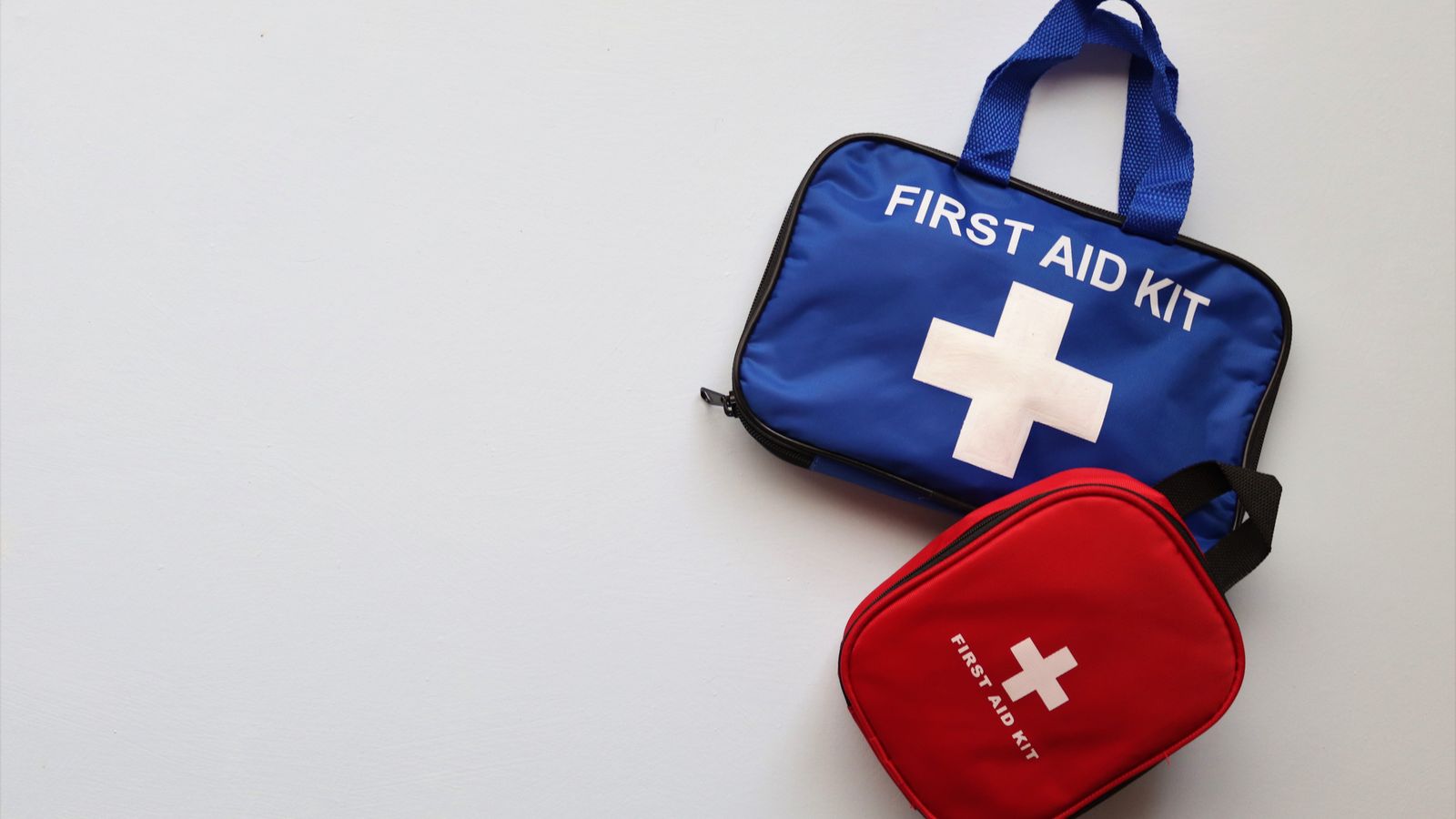
At first glance, a first aid kit and a space heater seem to serve different purposes — one is a safety tool, the other a comfort appliance. But in a small office, home office, or shared workspace, they’re often used in the same corner of the room, near the same power outlets, and by the same small group of people. When you plan them together, you avoid two common mistakes: placing a heater too close to flammable supplies (including some first aid materials like alcohol wipes or burn gel packaging) and forgetting to stock burn-treatment items in a kit meant for a space that includes a heat source.
Treating comfort and safety as one system also makes seasonal setup easier. When cooler months arrive and you pull out the space heater, that’s a natural cue to check your first aid kit at the same time — restocking supplies, checking expiration dates, and confirming the kit is still within easy reach.
Step 1: Choose the Right Office Space Heater for Your Room
Before you think about placement or safety, start with the heater itself. Office spaces vary widely in size, insulation, and airflow, so the heater you choose should match the room rather than being the biggest or cheapest option available.
- Measure your space. Small personal offices (under 150 sq ft) generally do well with compact ceramic or ptc heaters rated between 750 and 1500 watts. Larger shared rooms may need a higher-wattage unit or two smaller heaters positioned strategically.
- Check for tip-over and overheat protection. These are non-negotiable safety features for any office environment, especially one with cords, papers, and foot traffic nearby.
- Consider noise level. Fan-based heaters can be distracting in quiet offices; radiant or oil-filled heaters run quieter but heat up more slowly.
- Look for a built-in thermostat. A thermostat prevents overheating the room and reduces energy waste, which matters if the heater runs for hours at a time.
If you want to compare models side by side before buying, browse the office space heaters roundup for options tested across different room sizes and safety features.
Step 2: Build or Upgrade Your Office First Aid Kit
Once your heating setup is settled, turn your attention to the first aid kit. An office kit should cover general workplace incidents — cuts, burns, headaches, minor sprains — but it’s worth adding a few items specifically because a heater is in the room.
- Burn gel or burn dressings, since accidental contact with a hot heater surface is one of the more common office mishaps.
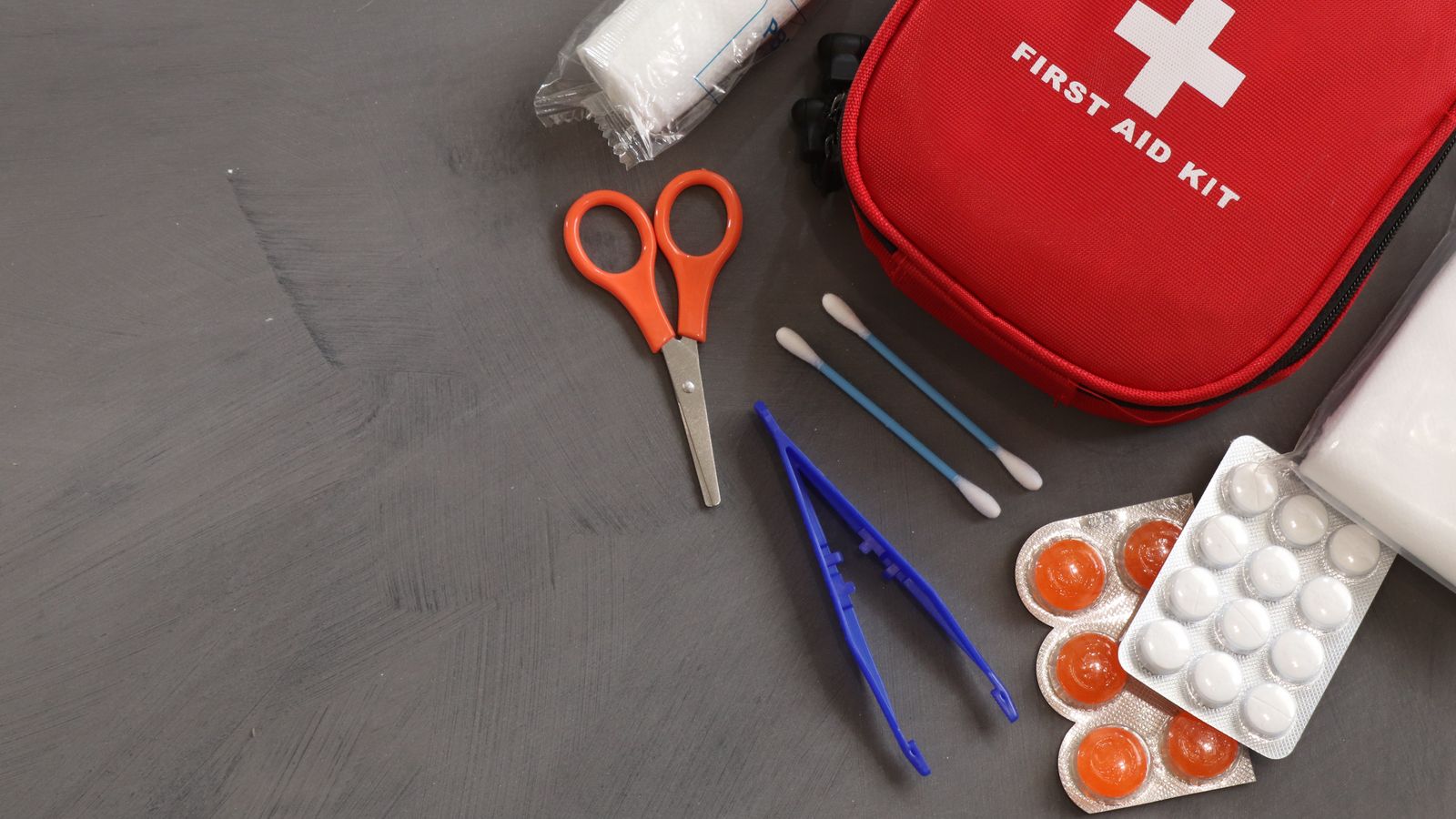
- Adhesive bandages in multiple sizes, antiseptic wipes, and sterile gauze.
- Instant cold packs, useful for minor burns as well as bumps and strains.
- Disposable gloves and a small pair of scissors or trauma shears.
- A basic first aid guide card, especially in offices without a designated safety officer.
If your current kit is outdated or missing essentials, it’s worth comparing fully stocked options rather than assembling one item at a time. See the Office First Aid Kits guide for kits organized by office size and OSHA-relevant contents.
Step 3: Position Both Items for Safety and Accessibility
Placement is where most offices go wrong. A heater tucked under a desk with no clearance, or a first aid kit buried in a supply closet, both defeat the purpose of having them at all.
- Give the heater 3 feet of clearance on all sides — away from curtains, paper stacks, trash bins, and cords. Never place it directly under a desk where airflow is restricted.
- Keep the first aid kit visible and unobstructed, ideally mounted on a wall or placed on an open shelf rather than inside a locked cabinet.
- Avoid running the heater’s power cord across walkways where people might trip, especially near the first aid station itself.
- Label both locations if you share the space with others, so anyone can find the kit quickly in an emergency and knows which outlet is dedicated to the heater.
A good rule of thumb: if you can reach the first aid kit within 10 seconds without stepping over cords or furniture, your layout is working.
Step 4: Set a Maintenance Routine for Both
Comfort equipment and safety supplies both degrade with use and time, but on different schedules. Bundling their checks together helps you remember to do both.
- Monthly: Wipe down the heater’s vents and housing to remove dust buildup, which can be a fire hazard. Glance through the first aid kit for used or missing items.
- Quarterly: Inspect the heater’s power cord for fraying and test the tip-over switch. Check first aid kit expiration dates on ointments, wipes, and medications.
- Seasonally: Before the heater’s first use each cooling season, plug it in and run it for 20–30 minutes in a supervised setting to confirm it’s functioning safely. Restock the first aid kit fully at the same time.
Keeping a small checklist near the supply closet — or a shared note if multiple people manage office supplies — makes this routine easy to maintain without relying on memory alone.
Common Mistakes to Avoid
- Storing flammable first aid items near the heater. Alcohol-based wipes and sprays should stay at least a few feet from any heat source.
- Using extension cords for the heater. Most manufacturers recommend plugging heaters directly into a wall outlet to avoid overheating the cord.
- Letting the first aid kit go unchecked for months. A kit missing key supplies is not much better than no kit at all.
- Overcrowding the outlet the heater uses. Avoid plugging in space heaters alongside high-draw devices like printers or paper towel dispensers on the same circuit.
- Ignoring strange smells or noises from the heater. A burning smell after initial use is normal briefly, but persistent odor or noise means it’s time to inspect or replace the unit.
Rounding Out Your Office Comfort and Hygiene Setup
First aid and heating are two pieces of a broader comfort and cleanliness system in any office. Hand hygiene and quick cleanup after minor first aid incidents matter too — having a reliable dispenser nearby makes it easier to keep the area clean after treating a small cut or wiping down a heater vent. If your break room or first aid station doesn’t already have one, take a look at the best office paper towel dispensers for options that mount easily near shared supply areas.
FAQ
Can I store my first aid kit and space heater in the same cabinet?
It’s best not to. Keep the heater plugged in and used in an open area with clearance, and store the first aid kit somewhere separate and easily reachable — not inside a cabinet that also holds the heater when it’s off, since flammable supplies shouldn’t sit near heating equipment even when it’s unplugged.
How often should I replace items in an office first aid kit?
Check expiration dates quarterly and replace any expired ointments, medications, or sterile items immediately. Non-expiring items like bandages and gauze should still be inspected for damaged packaging.
What size space heater is right for a typical office room?
For most private offices under 150 square feet, a 750–1500 watt ceramic or PTC heater with a built-in thermostat is sufficient. Larger or open-plan spaces may need a higher-wattage unit or supplemental heating in multiple zones.
Do I need burn treatment supplies if I already have a general first aid kit?
If a space heater is used in the room, yes — burn gel, burn dressings, and cold packs are worth adding even to a general kit, since accidental contact with a heater surface is a realistic risk.
How many office comfort items should I coordinate together?
There’s no fixed number — the goal is a setup that fits your specific room, not a checklist of items. Focus on safety, accessibility, and a maintenance routine that actually gets followed.
Final Thoughts
A cohesive office comfort setup isn’t about matching colors or brands — it’s about making sure the tools that keep people safe and comfortable are chosen thoughtfully, placed sensibly, and maintained on a routine you’ll actually stick to. By treating your office first aid kit and space heater as parts of the same system rather than unrelated purchases, you reduce risk, save time when something goes wrong, and create a workspace that feels genuinely prepared for 2026 and beyond.