Furnishing a home office doesn’t have to mean draining your savings. Between rising remote-work demands and the sheer number of desk styles on the market, it’s easy to overspend on the wrong setup — or worse, end up with a wobbly desk that hurts your back within a month. This guide walks you through how to shop smart for a budget-friendly home office desk, whether you’re eyeing a standing desk, a space-saving floating desk, or a sleek modern desk for a small room.
Step 1: Define Your Space and Work Style Before You Shop
Before opening a single browser tab, measure your available space and think honestly about how you work. A tiny apartment bedroom calls for a different desk than a dedicated home office room. Note the width, depth, and height of the wall or corner you plan to use, and check for outlets nearby since cable management becomes a headache if you have to run cords across the room.
Also consider your habits: do you sit for long stretches, or do you shift positions throughout the day? Do you need room for two monitors, a laptop stand, and a notebook, or just a laptop and a coffee mug? Answering these questions first prevents you from buying a desk that looks great in photos but doesn’t fit your actual routine.
Common Desk Types to Consider
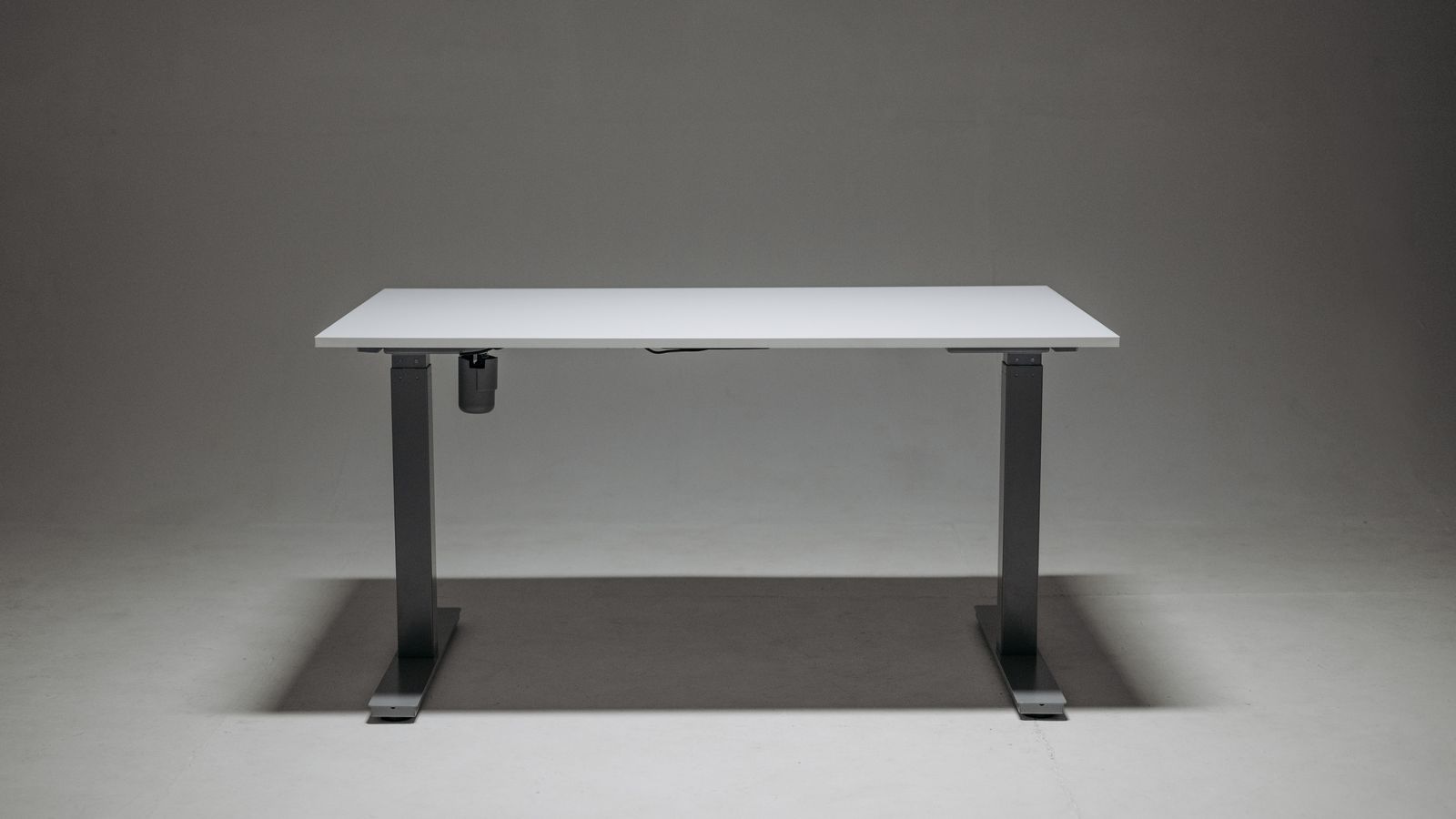
- Standing desks — height-adjustable desks that let you alternate between sitting and standing throughout the day.
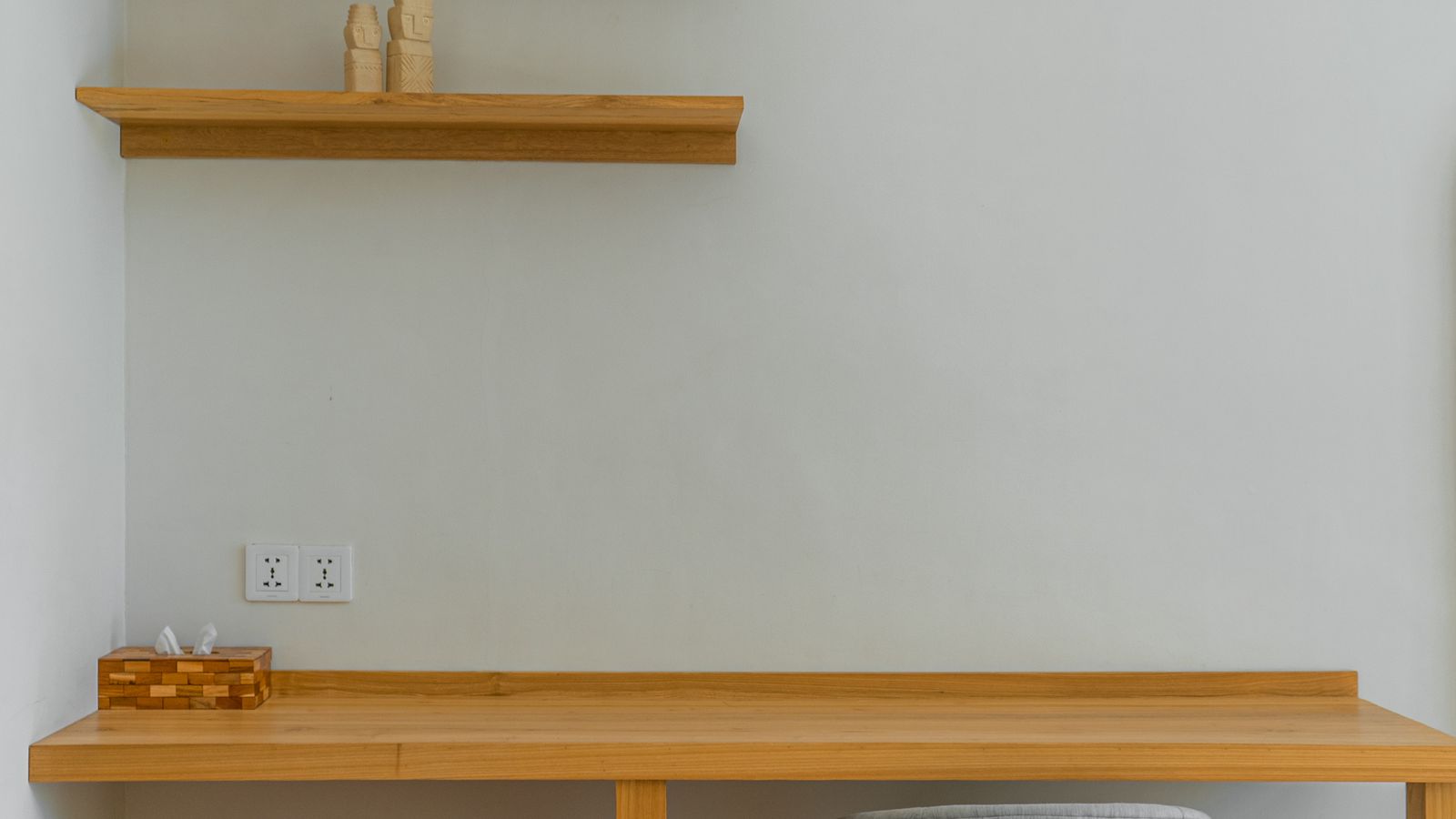
- Floating desks — wall-mounted desks that skip legs entirely, ideal for small rooms and minimalist layouts.
- Modern desks — sleek, low-profile desks with clean lines that work well in contemporary or compact home offices.
Step 2: Set a Realistic Budget Range
A common mistake is either underestimating what a quality desk costs or overspending on features you won’t use. Set a target range before you start browsing, and split it into “must-have” and “nice-to-have” categories. A sturdy, well-reviewed desk in the $150–$300 range is often a smarter buy than a $500 desk loaded with extras you’ll never touch, like built-in wireless charging pads or motorized presets you rarely use.
If you’re torn between desk styles, browsing curated roundups can help you compare price-to-quality ratios quickly. For example, if height adjustability is a priority, reviewing a list of Standing Desks for Home Offices can show you what real budget-friendly options look like across price tiers before you commit.
Step 3: Decide Between a Standing Desk, Floating Desk, or Modern Desk
Standing Desks: Best for Health-Conscious Budgets
If back pain or long sitting sessions are a concern, a standing desk is worth the investment even on a tight budget. Manual crank models are the cheapest option, while electric models with memory-height presets cost more but save time throughout the day. Look for a stable frame rated for at least 150 lbs of desktop weight, since flimsy budget frames tend to wobble at higher standing positions.
Floating Desks: Best for Small or Awkward Spaces
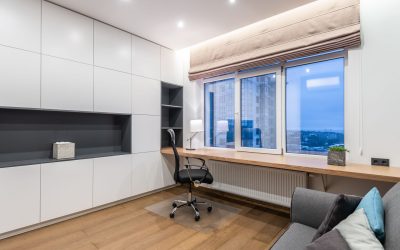
Floating desks mount directly to the wall, which frees up floor space and works well in small bedrooms, closets converted into offices, or narrow hallway nooks. Because they skip a traditional leg frame, floating desks are often less expensive than full standing desks, but installation requires wall studs strong enough to hold the weight of your setup safely — always check stud placement before drilling.
Modern Desks: Best for Style-Focused Buyers on a Budget
If your priority is a clean, contemporary look rather than adjustability, a modern desk in a simple rectangular or L-shaped design offers the best value. These desks typically use lightweight materials like engineered wood or metal-frame construction, which keeps costs down while still looking polished in a home office or shared living space.
For inspiration on what fits a tight footprint without sacrificing style, browsing a curated list of best modern desks can help you narrow down shapes and finishes that suit small rooms.
Step 4: Compare Materials and Build Quality
Budget desks vary widely in material quality. Particleboard or MDF tops with a laminate finish are the most affordable but can chip or swell if exposed to moisture over time. Solid wood or bamboo tops cost more but last significantly longer and resist wear better. For the frame, powder-coated steel legs tend to outperform plastic or thin aluminum in terms of stability, especially for standing desks that shift height repeatedly.
Read product specs carefully — desktop thickness (ideally at least ¾ inch) and weight capacity are two numbers that tell you more about durability than the price tag alone.
Step 5: Check Reviews for Real-World Stability
Photos rarely show how a desk performs after weeks of daily use. Look for reviews that specifically mention wobble at full height, noise during height adjustment (for standing desks), or wall-anchor issues (for floating desks). A desk with a slightly higher price but consistently positive stability reviews is usually a better long-term value than the cheapest option in its category.
Step 6: Compare a Few Final Options Before You Buy
Once you’ve narrowed your search to two or three desks, compare them directly, side-by-side: price, weight capacity, warranty length, assembly difficulty, and return policy. If you’re still weighing a floating desk against a standing desk, checking out real product examples in a roundup of floating desks can help you visualize how each style would actually fit your room before you commit to a purchase.

Common Mistakes to Avoid
- Skipping measurements — a desk that looks compact online can still be too deep or too wide for your actual wall space.
- Ignoring weight capacity — dual monitors, a printer, and books add up fast; check the desk’s maximum load before buying.
- Choosing style over stability — a beautiful desk that wobbles when you type isn’t a bargain, no matter how low the price.
- Forgetting about cable management — desks without grommets or cable trays can leave your workspace looking cluttered.
- Not checking assembly requirements — some budget desks require two people or extra tools not included in the box.
Frequently Asked Questions
Is a standing desk worth it on a budget?
Yes — even a basic manual crank standing desk can offer real health benefits over a fixed-height desk. You don’t need a premium electric model to get the core benefit of alternating between sitting and standing.
Do floating desks support heavy monitor setups?
It depends on the model and how securely it’s mounted. Always check the manufacturer’s weight rating and make sure you’re anchoring into wall studs, not just drywall, for anything beyond a laptop and light accessories.
What’s the cheapest way to furnish a home office desk setup?
Start with a solid, simple desk frame and skip extras like built-in outlets or motorized height presets. Add accessories like a monitor arm or cable tray later once your budget allows, rather than paying for them bundled into the initial desk price.
How long should a budget desk last with regular use?
A well-built budget desk with a sturdy frame and quality desktop material can reasonably last 5–8 years of daily use, provided it isn’t overloaded beyond its rated weight capacity.
Building Out the Rest of Your Setup Without Overspending
The desk itself is only one piece of a functional home office. Once you’ve settled on a frame, think about how you’ll pair it with a chair, monitor arm, and lighting without blowing past your budget. A good rule of thumb is to spend roughly 60% of your total setup budget on the desk and chair combined, since those two pieces get the most daily use and have the biggest impact on comfort and posture.
If you’re adding a monitor, an inexpensive articulating arm can free up desktop space and pair naturally with either a standing desk or a floating desk, since both styles tend to have limited surface area compared to a bulky traditional desk. Cable trays, under-desk baskets, and adhesive cord clips are also cheap additions that keep a small office looking tidy, especially important with floating desks where cords have nowhere to hide beneath a solid frame.
When to Splurge vs. When to Save
Not every part of a budget desk setup needs the cheapest option available. Splurge on the frame and the desktop material, since these determine how long the desk lasts and how stable it feels day to day. Save on accessories that are easy to upgrade later, like a basic desk lamp, a simple cable organizer, or a starter monitor stand — these can be swapped out cheaply once your budget allows without needing to replace the whole desk.
If you’re deciding between a slightly pricier standing desk and a cheaper fixed-height modern desk, weigh how often you’ll actually use the height adjustment. For some buyers, the ergonomic benefit is worth the extra cost; for others, a well-built modern desk at a lower price point delivers everything they need.
Final Thoughts
Shopping for a home office desk on a budget comes down to prioritizing stability and fit over flashy features. Measure your space, decide whether a standing desk, floating desk, or modern desk best matches your work style, and compare real reviews before buying. A well-chosen budget desk can serve you reliably for years, giving you a comfortable, functional workspace without stretching your finances.