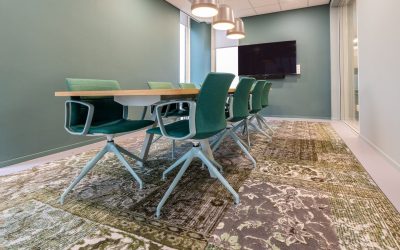
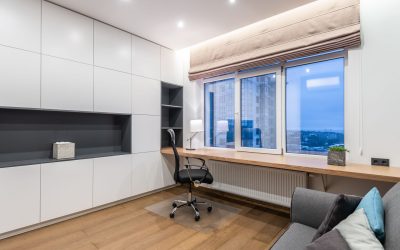
When a spare bedroom becomes a nursery, or a home office has to double as homework central, “downsizing” the family workspace can feel like a threat to productivity. The good news is that a smaller footprint doesn’t have to mean fewer functions. With the right layout, furniture choices, and a bit of planning, you can shrink a cluttered family workspace into a compact, efficient corner that still handles remote work, homework, crafts, and everything in between.
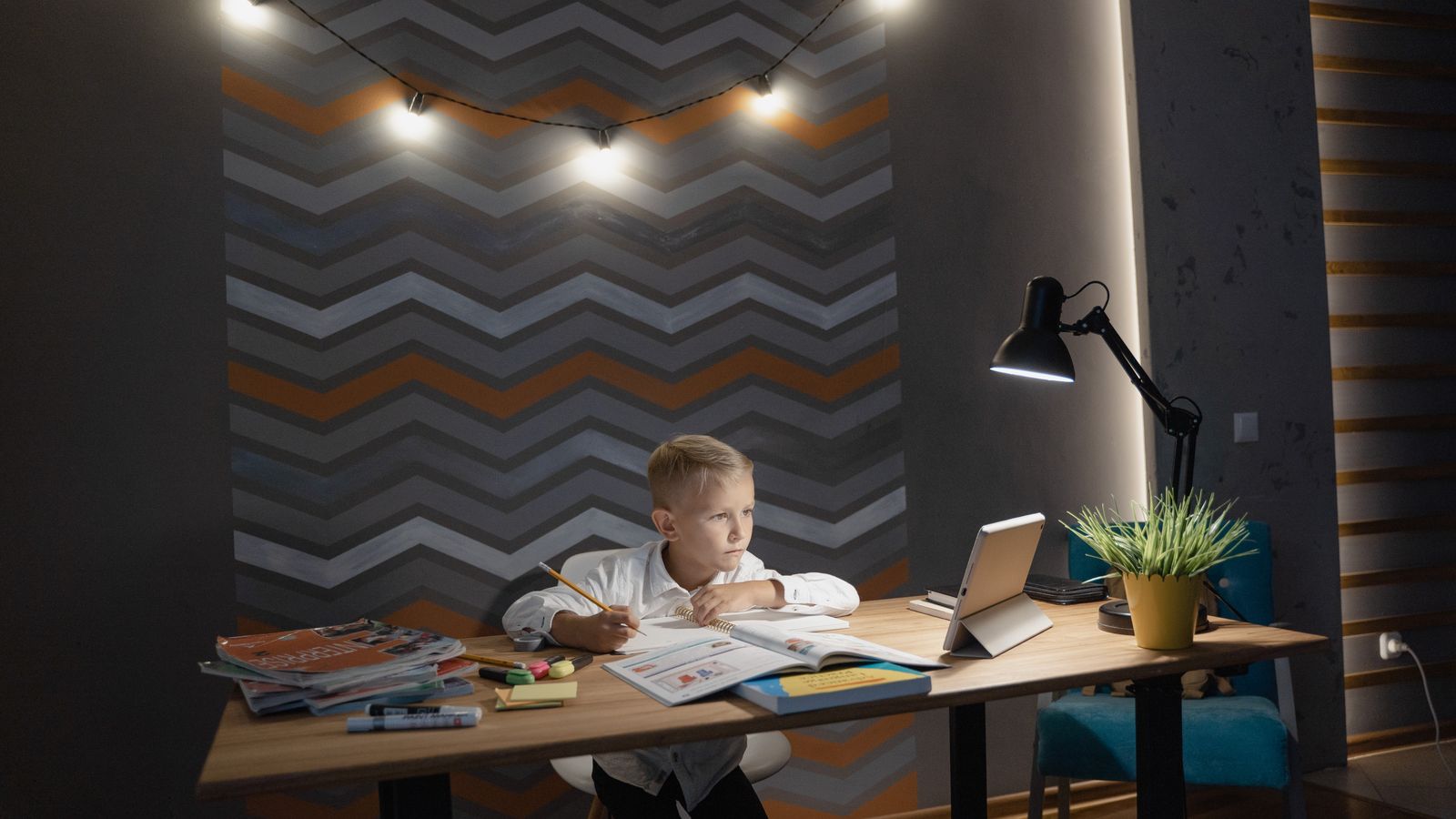
This guide walks through a practical, step-by-step approach to downsizing a family and kids workspace without sacrificing the things that make it work: dedicated space for schoolwork, room for parents to get things done, and storage that keeps supplies from taking over the house.
What You’ll Need Before You Start
Before you move a single piece of furniture, gather a few tools and make a short list of what actually gets used in your current setup.
- A tape measure and painter’s tape (to map out the new footprint on the floor)
- A list of daily-use items (laptop, tablet, homework folders, art supplies)
- Storage bins or baskets for sorting keep/donate/toss piles
- A compact desk or fold-down surface sized for the new space
- Wall-mounted shelving or a pegboard for vertical storage
- A stackable or nesting chair option for kids’ seating
Step 1: Audit What’s Actually Being Used
Most home workspaces accumulate far more furniture and supplies than anyone actually uses in a given week. Spend a day tracking every item that touches the desk: which drawers get opened, which bins never move, which chairs go unused. This audit is the foundation of a successful downsize because it tells you exactly what functions need to survive the move and what can be donated or stored elsewhere.
Separate items into three categories: daily essentials, weekly-use items, and rarely-used extras. Daily essentials stay on or near the desk surface. Weekly-use items can live in a nearby drawer or cart. Everything else should be relocated to a closet, garage, or storage bin outside the workspace entirely.
Step 2: Choose a Smaller, Smarter Desk
The single biggest space-saver is swapping a bulky desk for a compact one designed with function in mind. Look for desks with built-in cable management, a shallow footprint, and drawers sized for the essentials rather than empty catch-all space. For kids specifically, an adjustable-height model grows with them and avoids the need to replace furniture every couple of years.
If you’re shopping for a new surface, browse a curated list of kids desks built for smaller rooms — many compact models include hutch shelving or under-desk storage that eliminates the need for a separate bookshelf.
For households where the workspace doubles as a study zone after school, it’s worth comparing options built specifically for that purpose. A look at the best homework desks can help you find a surface that’s sized right for worksheets, tablets, and art projects without eating up an entire wall.
Step 3: Go Vertical With Storage
When floor space shrinks, walls become your best asset. Floating shelves, pegboards, and door-mounted organizers let you store books, supplies, and bins without adding a single square foot of footprint. Group supplies by category — school papers on one shelf, art materials on another, electronics chargers in a labeled bin — so kids can find and return items independently.
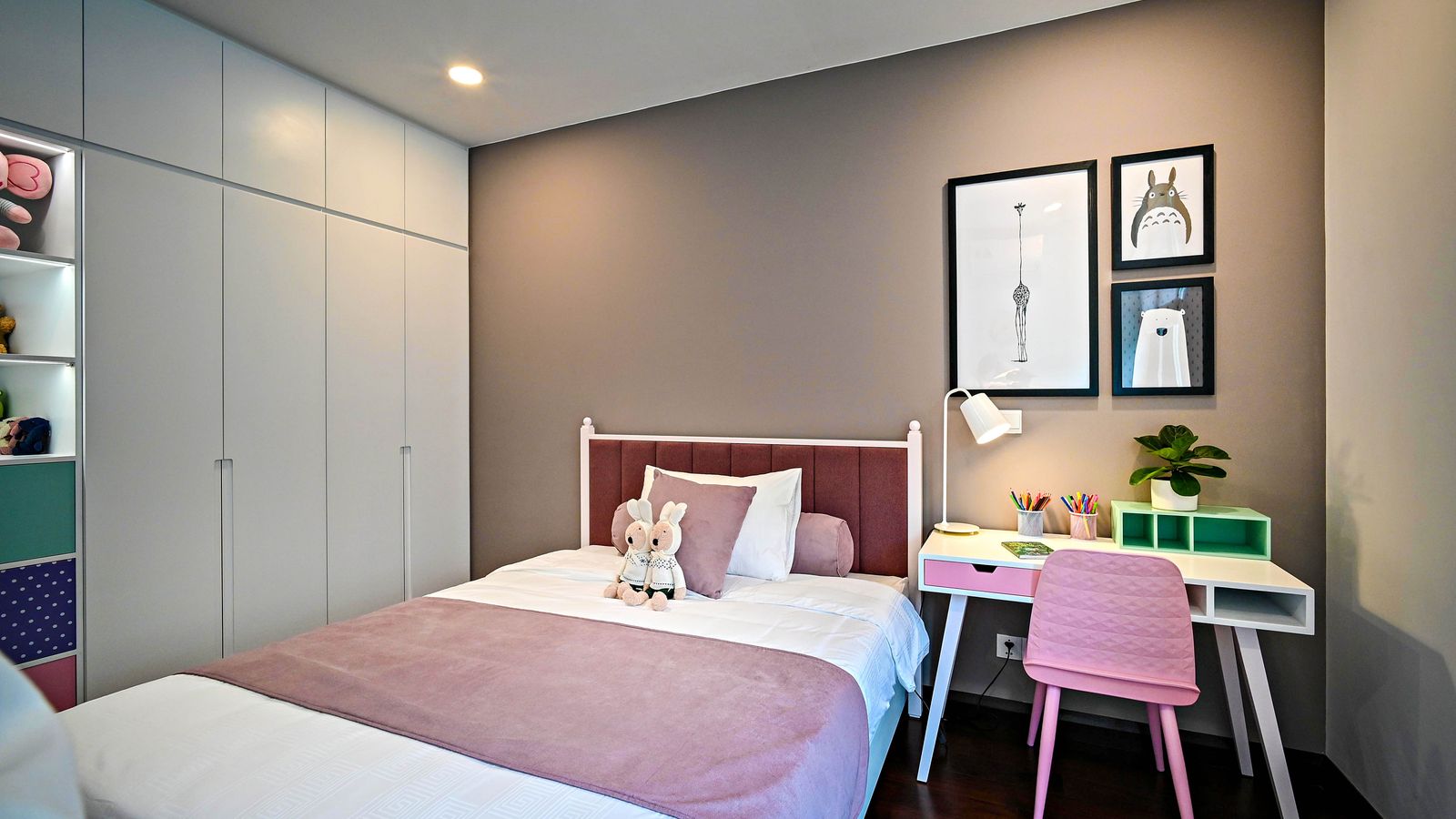
A rolling cart is another underrated tool here. It can tuck under the desk during work hours and roll out when it’s time to spread out for a project, giving you flexible square footage without a permanent commitment.
Step 4: Rethink Seating for Multiple Users
If more than one person shares the workspace, seating needs to be lightweight and easy to swap. Stackable stools, folding chairs, or a single adjustable chair that’s shared between siblings can replace two or three bulky seats. For younger children who aren’t yet at a desk full-time, keeping a compact seating option nearby — even something like one of the baby bouncers for a younger sibling — lets a parent supervise homework time while still tending to an infant in the same room.
Step 5: Zone the Space by Function, Not by Furniture
Instead of dedicating a full desk to each family member, divide the smaller area into functional zones: a “work” zone for laptops and video calls, a “study” zone for homework, and a “craft” zone that can be cleared quickly. Use trays, mats, or even different-colored bins to visually separate zones on a shared surface. This approach lets one compact desk serve multiple people throughout the day without constant furniture rearranging.
Step 6: Digitize What You Can
Paper is often the biggest space hog in a family workspace. Scan completed school assignments, artwork you want to keep, and reference documents, then recycle the originals. A small file box for current, active paperwork is usually enough once the backlog is digitized — freeing up an entire drawer or shelf for other supplies.

Safety Notes
- Anchor any wall-mounted shelving or desks securely into studs, especially in rooms used by young children.
- Keep cords and cables tucked away or covered to prevent tripping hazards in a tighter footprint.
- Make sure chairs and stools are stable and appropriately sized so kids aren’t tipping or overreaching for items on high shelves.
- Leave enough clearance around the desk for a chair to be pushed in and out safely, even in a compact layout.
Common Mistakes to Avoid
- Downsizing furniture before decluttering. Buying a smaller desk first often just relocates the clutter problem instead of solving it.
- Ignoring vertical space. A workspace that only expands outward will always feel cramped; walls and shelving are the easiest way to add storage without floor space.
- One-size-fits-all seating. A single oversized chair rarely works for both a parent and a child; flexible, easily swapped seating solves this better.
- Overlooking lighting. Smaller spaces need focused task lighting since natural light and overhead fixtures often cover less area.
- Skipping labels. Without clear labels on bins and shelves, a downsized space reverts to clutter within weeks.
Step 7: Set a Rotation System for Supplies
Even after decluttering, families tend to accumulate new supplies over time — extra notebooks, art kits, seasonal projects. A simple rotation system prevents the space from creeping back toward clutter. Keep only the current season’s or current unit’s materials on the desk or nearby shelf, and box up everything else with a clear label and a date. Every month or two, swap the boxed items back in and rotate out what’s no longer needed. This keeps the visible workspace lean without forcing you to get rid of things you’ll actually use again later.
Step 8: Make the Space Multi-Purpose by Design
A downsized workspace works best when it’s built to transform throughout the day rather than staying locked into one configuration. A fold-down desk that tucks against the wall when not in use, a desk with a removable extension leaf, or a rolling cart that can be wheeled to a different room are all ways to make one small footprint serve several purposes — homework in the afternoon, a parent’s laptop station in the evening, and a clear floor for play at night. Thinking of the space as flexible rather than fixed is often the difference between a downsize that feels cramped and one that feels efficient.
Step 9: Involve Kids in the Process
Kids are far more likely to keep a smaller space organized if they had a hand in setting it up. Let them choose where their favorite supplies go, which bin holds their current project, or how their small section of shelving is arranged. Even young children can learn a simple “one in, one out” rule for toys or supplies kept at the desk, which naturally keeps the footprint from growing back over time. This step also reinforces the habits that make the whole downsizing effort stick long after the furniture has been rearranged.
Measuring Success: Signs the Downsize Is Working
A downsized family workspace is succeeding if a few things are true a month or two after the change. Surfaces stay mostly clear between uses, supplies are easy to find without digging through multiple bins, and no one is tripping over furniture that no longer fits the room’s actual traffic pattern. If clutter is creeping back or the desk feels too small for daily tasks, it’s worth revisiting Step 1 — the audit — since needs change as kids get older and homework loads increase.
Frequently Asked Questions
How small can a functional kids workspace realistically be?
A well-organized desk footprint as small as 24 to 30 inches wide can work for most kids, especially when paired with vertical shelving and a rolling cart for overflow supplies.
Should siblings share one desk or have separate small desks?
It depends on schedules. If homework times overlap, two compact desks positioned side by side often work better than one shared surface, since it avoids competition over space.
What’s the easiest first step when downsizing a shared workspace?
Start with the audit in Step 1. Knowing exactly what’s used daily versus rarely makes every decision after that — desk size, storage, seating — much easier and faster.
How do I keep the space from filling back up with clutter?
Build a quick weekly reset into your routine — five minutes on a Friday to return items to labeled bins keeps a downsized space functional long-term.
Downsizing a family and kids workspace is less about fitting into a smaller footprint and more about being intentional with what stays. Audit first, choose furniture that earns its space, and lean on vertical storage and flexible zones to keep the room working hard for everyone who uses it.