Buying a new desk sounds simple until you start pricing options and realize the “right” desk depends entirely on who is using it and where it goes. A short home worker, a call center manager outfitting a dozen stations, and an architect who needs a huge flat surface for drawings all have wildly different budgets, priorities, and non-negotiables. This guide breaks down how to plan a realistic desk budget for three very different use cases, so you spend money on what actually matters for your space instead of guessing.

Why Desk Budgeting Isn’t One-Size-Fits-All
Most “how much should a desk cost” advice treats every buyer the same, but height, workload, and room layout all change the math. A shorter person needs adjustability more than raw size. A call center needs to multiply the cost of one workstation by dozens of seats. An architect needs surface area and stability above almost everything else. Before you open a single product listing, define which of these three profiles is closest to your situation — it changes where your dollars should go.
Step 1: Set Your Total Budget Range
Start with a ceiling, not a specific product. A reasonable starting range for a single desk setup runs from around $150 for a basic fixed-height desk to $600–$900 for a quality sit-stand desk with a sturdy frame. If you’re outfitting multiple stations, budget per seat and multiply — this is where costs escalate fastest for call centers.
- Decide whether you’re buying one desk or many.
- List must-have features (height adjustability, surface size, cable management) versus nice-to-haves.
- Set aside 10–15% of your budget as a buffer for accessories like monitor arms or cable trays.
- Compare that number against real listings before committing, since prices vary widely by brand and frame type.
Budgeting for Desks for Short People
For shorter users, the single biggest budget line item is height range, not size. A desk that only goes as low as 28–29 inches will still sit too high for many shorter people even at its lowest setting, forcing them to compensate with footrests or raised chairs. When budgeting for this use case, prioritize:
- A minimum height setting around 22–24 inches, which usually means paying slightly more for an adjustable-range frame rather than a standard fixed desk.
- Electric or manual crank sit-stand frames, since they let one desk serve a wider range of heights than a fixed table.
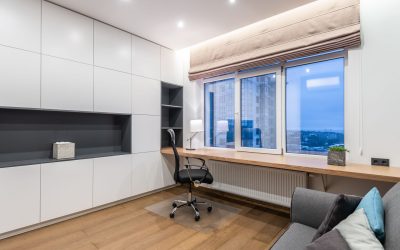
- A smaller footprint if the room is tight, since shorter users often work in smaller home offices or bedroom corners.
Expect to pay a modest premium — often $50–$150 more — for a frame with a genuinely low minimum height compared to a generic standing desk. That premium is worth it; a desk that never fits comfortably gets replaced within a year, which costs more in the long run. For curated options built around this need, see our roundup of desks for short people, which highlights models with true low-height ranges.
Budgeting for Desks for Call Centers
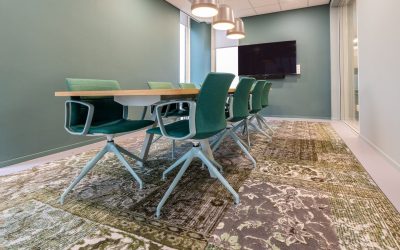
Call center budgeting is a different animal entirely because you’re multiplying cost across many identical stations. Here, per-unit price discipline matters more than any single premium feature. A few practical rules:
- Standardize on one desk model across the floor. Buying in bulk from a single line reduces per-unit cost and simplifies future repairs or replacements.
- Favor durable, low-maintenance surfaces (laminate over solid wood) since call center desks see heavy daily use across shifts.
- Build in cable management costs upfront — call center stations run headsets, monitors, and phone equipment, and retrofitting cable trays later costs more than ordering desks with built-in routing.
- Factor in delivery and assembly labor for large orders; this is often overlooked and can add 10–20% to the total project cost.
Because call centers rarely need height-adjustable desks for every seat (though some do reserve a few sit-stand stations for accessibility), fixed-height desks in bulk are usually the most budget-efficient choice, with adjustable units reserved for specific employee needs. Browse dedicated desks for call centers to compare models built for multi-seat deployments and heavy daily use.
Budgeting for Desks for Architects
Architects need a fundamentally different budget allocation: surface area and load capacity take priority over adjustability or compact footprint. A drafting-capable desk or a large flat-surface workstation costs more than a standard desk mainly because of size and reinforced construction needed to support monitors, tablets, and physical drawings without flexing.
- Plan for a surface at least 60 inches wide, ideally deeper than a standard 24-inch desk to accommodate large-format printouts or dual-monitor CAD setups.
- Weight capacity matters more here than for typical office use — architects often stack monitors, tablets, and reference material simultaneously.
- If tilt or drafting-angle functionality is needed, budget for a specialized drafting desk or an add-on tilting surface, which adds meaningfully to the base cost.
- Stability under load is non-negotiable; cheaper frames may flex or wobble under the weight of large monitors and hardware, so it’s worth spending more on frame rigidity.
Because of the size and reinforcement requirements, architect-oriented desks often land at the higher end of the budget spectrum. Review options built for this exact workflow on our best desks for architects page before finalizing your budget.

How to Compare These Three Budgets Side by Side
Once you’ve identified your use case, it helps to see how the priorities differ at a glance:
- Short people: Prioritize low minimum height and adjustability. Moderate budget, but don’t skimp on height range.
- Call centers: Prioritize per-unit cost efficiency and durability across many stations. Budget scales with headcount, not per-desk luxury.
- Architects: Prioritize surface area, weight capacity, and stability. Highest per-unit cost, justified by workflow demands.
If your situation blends categories — say, a short architect, or a call center that wants adjustable desks for ergonomic reasons — combine the relevant priorities rather than trying to force your setup into a single template.
Common Budgeting Mistakes to Avoid
- Buying on price alone. The cheapest desk that doesn’t meet your height, size, or durability needs ends up costing more once you replace it.
- Forgetting accessories. Monitor arms, cable trays, and floor mats add real cost — build them into your initial budget rather than treating them as afterthoughts.
- Ignoring delivery and assembly for bulk orders. This is especially relevant for call centers ordering dozens of units at once; labor costs can be significant.
- Overbuying adjustability you don’t need. A call center rarely needs every seat to be a premium sit-stand desk; reserve that spend for roles that genuinely benefit.
- Underestimating surface size for detailed work. Architects and designers routinely regret buying a desk that’s too small once real project materials are spread across it.

A Simple Budget Checklist
- Identify your primary use case: short-stature ergonomics, multi-seat call center deployment, or architect/design workflow.
- Set a per-unit budget ceiling based on that use case’s priorities.
- List must-have specs (height range, surface size, weight capacity) before browsing products.
- Add 10–20% for accessories, cable management, and — for bulk orders — delivery and assembly.
- Compare shortlisted models against your specs, not just their price tag.
- Buy the desk that meets your functional requirements first; treat extra features as a bonus, not a priority.
FAQ
How much should I budget for a single desk?
For most home office setups, plan on $150–$400 for a solid fixed-height desk or $400–$900 for a quality adjustable sit-stand model. Short-stature buyers should budget toward the higher end to ensure true low-height adjustability.
Is it cheaper to buy desks in bulk for a call center?
Yes, generally. Ordering a standardized model across many seats reduces per-unit pricing and simplifies maintenance, though you should still budget separately for delivery and assembly labor.
Do architects really need a more expensive desk?
Often, yes. The combination of larger surface area, higher weight capacity, and sturdier construction needed to support monitors, tablets, and drawing materials without flexing typically pushes the price above a standard office desk.
Can one desk work for a short person and still handle heavy monitors?
Yes, as long as you check both the minimum height range and the weight capacity rating before buying — these are listed separately and both matter for this use case.
What’s the biggest budgeting mistake people make with desk setups?
Buying based on price alone without matching the desk’s specs (height range, surface size, load capacity) to the actual use case. This almost always leads to an early replacement, which costs more than budgeting correctly the first time.
Final Thoughts
There’s no universal “right” desk budget — the smartest approach is matching your spend to what your specific use case actually demands. Short-stature users should prioritize true height adjustability, call centers should optimize for per-unit efficiency across many seats, and architects should budget for surface area and stability above all else. Define your use case first, then let that guide every dollar you spend on your next desk setup.