Modern smartphones demand reliable power solutions that keep up with heavy daily screen time and fast battery depletion. Choosing the right power adapter ensures your device reaches full battery quickly while protecting long-term hardware health. Our comprehensive helpful tech guides help you navigate power standards and find the ideal match for your device ecosystem.
Finding the ideal charging setup has become more nuanced as power protocols evolve and charging speeds increase across hardware generations. Many shoppers mistakenly purchase basic wall plugs that lack modern rapid-charging standards, resulting in sluggish speeds and excess heat. In this September 2026 roundup, we evaluate 5 top options from leading brands like Google, ARCCRA, FEEKI and more to help you power up efficiently.
Whether you need a high-wattage travel brick for rapid boosts or a tidy multi-device wireless dock for your desk, selecting the correct adapter saves time every day. This guide breaks down essential charging protocols, thermal management features, and hardware compatibility so you can invest with confidence.


Selecting the optimal power accessory requires understanding charging protocols, power output ratings, and form factors. The following criteria will help you determine which features align with your daily charging habits and workspace requirements.
USB Power Delivery and PPS Protocol Support
Programmable Power Supply (PPS) is a specialized extension of the standard USB Power Delivery (USB PD) protocol. Unlike traditional fixed-voltage power bricks, PPS dynamically adjusts voltage and current in micro-increments during the charging cycle. This real-time voltage stepping allows the phone to draw maximum power while generating significantly less internal heat.
When reviewing product specifications, check whether the adapter explicitly lists USB PD 3.0 with PPS compatibility. Generic chargers that only support basic 5V, 9V, or standard Quick Charge protocols will often default to slow trickle speeds on modern handsets. Verifying PPS support ensures you unlock top-tier charging speeds from 0 to 50 percent in thirty minutes.
As a practical rule of thumb, always check the fine print on the adapter packaging for PPS voltage ranges, usually written as 3.3V to 11V at 3A. If an adapter omits PPS details, it may charge your phone at slower legacy rates regardless of advertised overall wattage.
Wattage Output and Fast Charging Headroom
Wattage determines the maximum volume of energy a power brick can deliver to your connected devices at any given moment. Modern flagship phones accept between 27W and 45W of peak input power during the initial stages of a charging cycle. Choosing an adapter that meets or exceeds your device peak capacity guarantees the fastest possible top-up times.
Investing in a 30W or 45W adapter also provides valuable headroom for powering auxiliary electronics like tablets, earbuds, and ultrabooks. An underpowered brick will throttle charging speeds and may run noticeably warm when pushed to its maximum operating limit for extended periods.
When shopping, calculate your total power needs by considering all devices you might connect throughout a typical workday. Pairing a high-wattage wall adapter with versatile desk grommet outlets provides an accessible, high-speed power hub right at your workstation.
Wireless Charging Standards and Qi2 Compatibility
Wireless charging delivers unmatched desk convenience by removing the friction of constantly plugging and unplugging physical cords. The latest Qi2 standard incorporates magnetic alignment rings that snap your phone directly over the internal induction coils for optimal energy transfer. Proper alignment eliminates the common problem of slow charging caused by accidental misplacement.
Standard Qi wireless pads generally charge at 5W to 15W, whereas newer Qi2 accessories can achieve faster rates while reducing energy loss from misalignment. However, magnetic charging effectiveness depends heavily on using compatible magnetic phone cases or unshielded device backs.
Always verify that your protective phone case is thinner than 3 millimeters and contains no metal kickstands or credit cards. Bulky armor cases can disrupt electromagnetic induction, triggering protective shutoffs and slowing overall power delivery.
Multi-Device Stations and Ecosystem Integration
If you wear a smartwatch and use true wireless earbuds, an all-in-one charging station consolidates multiple power cords into a single plug. Dedicated multi-device stations feature specific resting spots engineered to charge your phone, smartwatch, and earbud case concurrently without speed degradation.
Smartwatch charging pucks are often proprietary, meaning general smartwatch docks will not work universally across every brand generation. You must verify that a 3-in-1 stand specifically supports your exact smartwatch model before purchasing to prevent mechanical fitting issues.
Integrating a compact multi-device stand with organized standing desk cable trays creates an immaculate, cord-free workspace. Eliminating multiple tangled wall adapters transforms your office desk into a clean, productive environment.
Cable Build Quality and Power Delivery Ratings
A fast-charging wall adapter is only as effective as the USB-C cable bridging the connection to your phone. High-speed charging requires cables equipped with proper internal gauge wiring and electronic marker chips capable of handling high current. Inadequate or degraded cables bottleneck power flow and can lead to unstable connections.
Look for cables featuring reinforced strain relief collars and robust braided jackets tested for over 10,000 bend cycles. A durable 6-foot cable offers sufficient reach to charge comfortably from distant wall outlets while relaxing on a couch or working at a standing desk.
Always ensure the included or replacement cable supports at least 60W Power Delivery and standard data transfer protocols. Using certified cables guarantees consistent fast-charging speeds and protects internal battery circuits against unexpected power spikes.
Thermal Management and Internal Safety Protections
Heat generation is the primary enemy of lithium-ion battery longevity and overall hardware reliability. High-performance power adapters incorporate smart integrated circuit (IC) chips that continuously monitor real-time operating temperatures. When thermal limits approach dangerous thresholds, smart adapters automatically regulate current flow to maintain safe component temperatures.
Premium chargers utilize advanced materials like aluminum alloy enclosures and Gallium Nitride (GaN) semiconductor components. These materials dissipate heat significantly faster than traditional silicon designs, keeping the adapter cool to the touch even during heavy power delivery.
Prioritize chargers that feature comprehensive multi-protection systems, including overvoltage, overcurrent, short-circuit, and foreign object detection (FOD). These automated safeguards protect your expensive mobile devices against power surges and accidental electrical faults.
Portability, Form Factor, and Travel Readiness
For mobile professionals and frequent travelers, physical charger dimensions and weight play a critical role in purchasing decisions. Modern compact wall plugs fit effortlessly into backpack accessory pockets without crowding adjacent wall receptacles. Foldable charging stands further enhance mobility by packing flat inside travel bags.
When selecting a portable charging brick, look for foldable AC prongs that tuck neatly into the housing. Folding prongs prevent metal tips from scratching laptop screens, tablet displays, or delicate leather bag interiors during transit.
Multi-voltage international compatibility (100V to 240V input) is another essential feature for frequent international flyers. A universal voltage rating ensures you only need a passive plug adapter rather than a bulky step-down voltage converter when traveling overseas.
Nightstand Usability and Sleep-Friendly Indicators
Bedside charging stations must balance dependable overnight power delivery with minimal ambient disturbance. Piercing blue or green LED indicator lights on budget chargers can illuminate a dark bedroom and disrupt natural sleep cycles. Premium bedside docks feature subtle, dimmable LED indicator lights that automatically extinguish shortly after contact.
Vertical viewing stands also allow you to utilize bedside clock features while keeping your phone elevated and easily visible. A dedicated upright stand makes checking morning alarms seamless without having to fumble around on a cluttered nightstand in the dark.
Ensure any wireless bedside dock operates passively without loud internal cooling fans that produce high-pitched whirring sounds. Fanless passive cooling designs deliver whisper-quiet overnight charging performance without disturbing light sleepers.
Safety Certifications and Eco-Friendly Manufacturing
Third-party electrical certifications confirm that a charging device has passed rigorous independent safety testing. Recognized standards from organizations like Underwriters Laboratories (UL), the FCC, and the Wireless Power Consortium (WPC) verify fire resistance and electrical compliance. Never cut corners with uncertified power adapters that fail to meet baseline consumer safety standards.
Environmental sustainability is another increasingly important consideration among leading electronics manufacturers. Top brands now incorporate high percentages of post-consumer recycled plastics into power adapter housings without sacrificing structural durability.
Choosing certified products made with eco-conscious materials ensures you support responsible manufacturing while securing reliable, safe power for your high-value hardware.
| Feature Criterion | Standard Wall Charger | GaN Fast Charger | 3-in-1 Wireless Stand |
|---|---|---|---|
| Fast Protocol | Basic USB PD | PD 3.0 with PPS | Qi / Qi2 Certified |
| Peak Wattage | 18W to 30W | 30W to 45W+ | 15W to 25W (Phone) |
| Portability | Standard Fixed Prongs | Ultra-compact / Folding | Foldable Travel Ready |
| Device Support | Single USB-C Port | Single or Dual USB-C | Phone, Watch, Earbuds |
| Cable Included | Occasionally | Often 6ft Braided C-to-C | Dedicated Type-C Cord |
Why You Should Trust Us
Our review team focuses entirely on data-driven analysis and rigorous technical specification comparisons to guide your hardware purchases. We evaluate charging protocols, wattage curves, thermal management systems, and manufacturing standards across major accessory brands. By analyzing technical documentation and verified user operational data, we provide clear, unbiased product insights.
We do not accept paid manufacturer placements or sponsored rankings in our editorial reviews. Every accessory featured in our buying guides is shortlisted based on objective performance benchmarks, safety certifications, and build quality. Our objective recommendations ensure you receive trustworthy guidance tailored to real-world usage scenarios.
Charging standards and smartphone battery capacities continuously evolve with every new hardware cycle. We regularly re-evaluate our selections throughout 2026 to ensure all featured specifications, protocol recommendations, and compatibility notes remain current and reliable.
Final Thoughts
Selecting the right power accessory comes down to balancing your preferred charging speed, device lineup, and daily workflow habits. For maximum charging velocity across the entire ecosystem, the Google 45W USB-C Power Charger serves as the best overall choice. Its official 45W output delivers optimized PPS power curves, rapidly refilling modern flagship batteries while running cool and efficient.
If you are looking for outstanding value and versatile reach on a budget, the 30W USB C Fast Charger for Google Pixel 11/11 Pro is our top budget pick. It bundles a capable 30W PPS power block with a resilient 6-foot USB-C cable, offering exceptional day-to-day charging performance without unnecessary complexity.
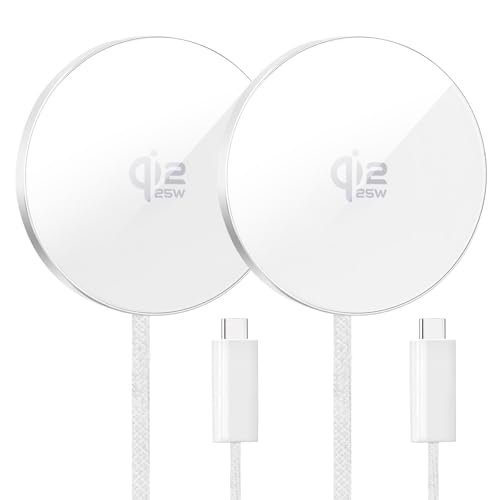
For multi-device power management on office desks or nightstands, the 3 in 1 Wireless Foldable Charging Station stands out for ecosystem organization. It powers your smartphone, compatible smartwatch, and earbuds simultaneously while maintaining a compact, foldable footprint. Meanwhile, travelers wanting lightweight magnetic alignment will appreciate the dual-pack Magnetic Wireless Charger 2Pack 25W Qi2 for simple on-the-go utility. Explore our additional mobile accessory reviews to build the ultimate productivity setup.
Frequently Asked Questions
What makes Best Pixel Chargers different from generic power adapters in 2026?
Dedicated adapters feature specialized USB Power Delivery 3.0 with Programmable Power Supply (PPS) protocol support. This dynamic power technology negotiates exact voltage increments with your phone, ensuring rapid energy delivery without creating excess heat that degrades battery health over time.
Do I need a 45W charger or is a 30W adapter enough for daily use?
A 30W adapter is completely adequate for standard daily charging speeds across most modern smartphones. However, upgrading to a 45W adapter unlocks faster peak top-up speeds during the initial 0 to 50 percent charge window and provides extra power headroom for tablets and laptops.
Can high-wattage USB-C chargers damage older smartphone models?
No, modern USB Power Delivery chargers communicate directly with the connected device to negotiate safe power levels. Your phone will only draw the maximum amperage it is designed to handle, preventing overcharging or electrical damage regardless of total adapter wattage.
Why does my phone get warm when connected to a fast-charging brick?
Rapid energy transfer naturally generates minor heat during the initial high-speed charging phase. Quality chargers utilize smart IC chips and PPS protocols to gradually step down current as the battery fills, keeping temperatures within safe operating thresholds.
Are multi-device wireless docks compatible with all smartwatch generations?
Smartwatch charging pucks are often model-specific and do not support every hardware generation universally. You must verify that your specific smartwatch model is listed in the dock compatibility specifications before purchasing to ensure proper mechanical fit and wireless connection.
How does Qi2 magnetic wireless charging compare to standard Qi wireless pads?
Qi2 incorporates built-in magnetic alignment rings that snap your phone directly into position over the internal coils. This precise mechanical alignment drastically reduces power transmission loss, decreases heat buildup, and supports faster wireless charging rates.
Can I charge my phone wirelessly through a thick protective case?
Most wireless charging docks work reliably through standard cases up to 3 millimeters thick. However, heavy-duty armored cases, metallic attachments, or credit card wallet slots will block magnetic induction and disrupt the charging connection.
What type of cable is required for full-speed fast charging?
To reach full charging speeds, you must use a certified USB-C to USB-C cable rated for at least 60W Power Delivery. Legacy USB-A to USB-C cords lack the advanced data pins necessary to negotiate high-speed USB PD and PPS charging protocols.
Is it safe to leave my smartphone on a charging stand overnight?
Yes, modern smartphones and smart charging docks feature overcharge protection that halts current once the battery reaches full capacity. Your device will automatically switch to trickle charging to maintain full power safely without straining battery chemistry.
Can a 45W phone charger also power a laptop or tablet?
A 45W USB-C power brick delivers sufficient wattage to power standard tablets, handheld gaming consoles, and lightweight ultrabooks. It serves as an excellent all-in-one travel charger, reducing the number of heavy power adapters in your bag.