

Demanding work shifts on hard concrete floors or slick kitchen tiles quickly expose the shortcomings of standard casual sneakers. Professionals across healthcare, hospitality, retail, and light trade need footwear that protects joints while meeting strict occupational safety standards. Finding comfortable shoes prevents chronic lower back fatigue and helps you stay focused throughout long standing hours.
Our comprehensive guide explores 7 top models representing the Best Everyday Work Shoes for September 2026 to simplify your footwear upgrade. Modern designs now blend laid-back casual styling with industrial-grade slip resistance, electrical protection, and composite safety toes. This combination ensures you can transition effortlessly from the morning commute straight to demanding on-the-job tasks without changing footwear.
Many shoppers mistakenly compromise between lightweight comfort and verified safety certifications, assuming that work-ready footwear must always feel heavy and stiff. Learning how outsole tread patterns, protective toe caps, and ergonomic foam insoles work together will help you select the ideal pair for your specific workplace environment. You can explore additional workplace wellness guidance in our comprehensive ergonomic workplace guides to build a healthier daily routine.


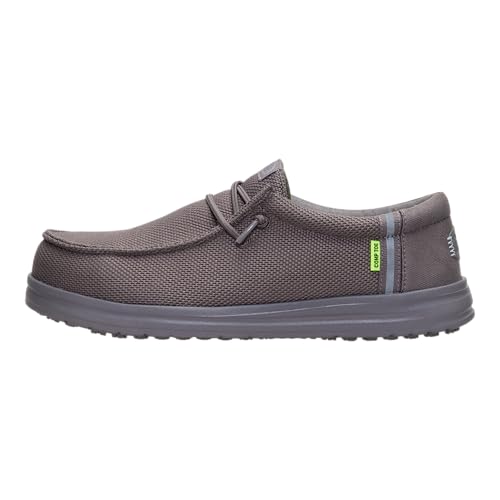
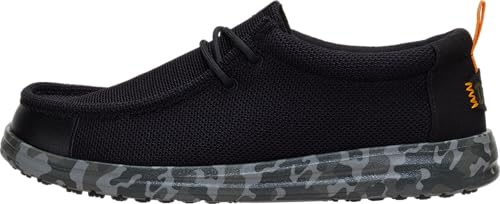
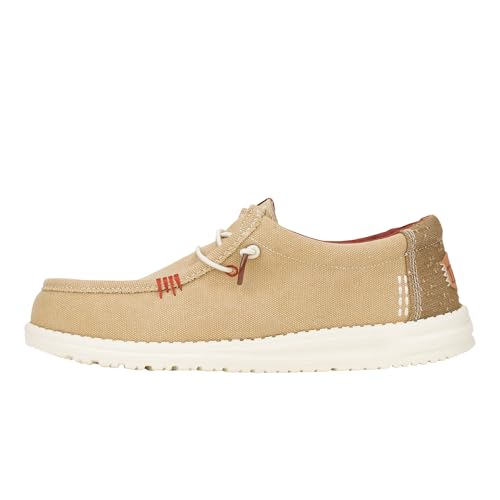

Certified Slip Resistance and Safety Standards
Standard casual outsoles often fail when encountering water, grease, or cleaning solutions common in commercial kitchens and hospital corridors. Certified slip-resistant footwear undergoes rigorous laboratory testing to verify friction coefficients across varied wet surfaces. Look for specific certifications like ASTM F2892, ASTM F2913, or EN ISO 20347 to ensure reliable traction on slippery workplace floors.
Traction-rated outsoles utilize specialized micro-channel rubber compounds that actively redirect liquids away from the shoe contact zone. This mechanical channel design prevents hydroplaning over oily films where standard smooth rubber soles would instantly lose grip. Investing in certified safety outsoles significantly reduces accidental workplace slip injuries during fast-paced shifts.
Always review your specific workplace requirements before purchasing new work shoes to confirm the required safety certification tier. While standard office settings rarely demand certified outsoles, hospitality and medical facilities strictly mandate slip-resistant ratings. Choosing footwear with verified ASTM or CE markings guarantees compliance during workplace safety audits.
Composite Safety Toes versus Soft Toe Construction
Deciding between a protective safety toe and a soft toe design depends entirely on your daily risk exposure to falling objects. Composite toe caps engineered from carbon fiber, fiberglass, or durable polymers meet strict ASTM F2413 impact and compression standards. These non-metallic caps shield your toes from unexpected hazards without adding the cumbersome weight of traditional steel toes.
A major advantage of composite safety toes is their complete thermal insulation, which prevents cold transfer when working in refrigerated environments. Furthermore, composite materials are entirely non-metallic, making them convenient for workers who must pass through security checkpoints or airport metal detectors. Workers who travel frequently between client sites appreciate avoiding the hassle of removing shoes at security gates.
If your daily work involves light duty tasks without heavy object hazards, a soft-toe construction maximizes upper flexibility and reduces overall shoe weight. Soft-toe models allow natural forefoot bending during walking, kneeling, and driving throughout the day. Evaluate your daily environment carefully to choose the right balance of toe protection and walking comfort.
Insole Cushioning and Anatomical Arch Support
Sustained standing on rigid flooring exerts immense pressure on the plantar fascia and forces the lower back to absorb continuous shock. High-density anatomical foam insoles distribute body weight evenly across the entire heel cup and arch perimeter. This uniform weight distribution prevents painful pressure hot spots and minimizes cumulative leg fatigue across twelve-hour work shifts.
Removable insoles are an essential feature for professionals who require custom medical orthotics to correct overpronation or fallen arches. A shoe with an easily extractable footbed allows seamless placement of personalized corrective inserts without crowding your toes. Look for factory footbeds that incorporate open-cell foam for lasting bounce and moisture regulation.
Over months of daily wear, internal footbed cushioning naturally compresses and loses its ability to absorb ground impact energy. Replacing worn insoles periodically restores essential arch support and extends the overall usable lifespan of your work shoes. You can learn more about protecting your physical wellbeing through our health and family comfort resources.
Upper Material Breathability and Liquid Repellency
Long shifts generate significant internal foot heat and moisture, which can cause skin irritation and unpleasant odors if trapped inside the shoe. Engineered mesh uppers promote continuous internal airflow to keep feet cool and dry throughout warm workdays. Premium designs combine this breathable mesh structure with durable synthetic overlays for targeted structural reinforcement.
Work environments often expose footwear to accidental liquid splashes, hot liquids, and chemical cleaning agents. Durable water-repellent coatings applied to the upper fabric cause spilled fluids to bead up and roll off harmlessly. Synthetic leather uppers provide even greater barrier protection while wiping clean effortlessly with a damp towel at shift end.
Choosing between high-breathability mesh and liquid-resistant synthetic leather depends on your primary workplace hazards. Workers in hot, dry stockrooms benefit most from breathable textile uppers that maximize cooling ventilation. Conversely, restaurant servers and laboratory technicians should prioritize water-repellent or synthetic leather surfaces that resist liquid penetration.
Outsole Flexibility and Weight Reduction
Heavy, rigid footwear forces your leg muscles to work harder with every step, accelerating physical exhaustion during busy shifts. Lightweight EVA foam outsoles absorb hard heel impacts while providing natural flexibility through the toe-off stride phase. Trimming just a few ounces per shoe saves substantial physical energy across thousands of daily steps.
Flexible outsole construction allows your feet to articulate naturally when bending, squatting, or climbing stairs throughout the workday. Stiff industrial soles restrict foot motion, which often transfers unnatural strain into the knees, hips, and lower back. Quality everyday work shoes deliver dependable durability without resorting to heavy, unyielding rubber blocks.
To evaluate outsole quality, check whether the shoe flexes naturally at the ball of the foot rather than collapsing at the arch. Proper sole geometry pairs responsive forefoot flex with a stable midfoot bridge to support your natural gait. This balanced construction keeps your posture aligned while navigating hectic warehouse aisles and office floors.
Easy-On Slip Entry and Elastic Fastening Systems
Traditional lace-up systems can become untied during active shifts, creating unexpected tripping hazards in crowded commercial spaces. Elastic no-tie lace systems maintain constant tension across the instep while allowing you to step into the shoe in seconds. This easy-on design streamlines your morning preparation and eliminates the frustration of frequent shoe retying.
Flexible collar openings and stretchable tongue gussets naturally expand to accommodate normal foot swelling during long standing hours. This adaptive fit prevents harsh pressure points from forming across the top of your foot during overtime shifts. The elastic lacing stretches as you step, maintaining a secure lockdown without cutting off blood circulation.
Ensure that the slip-on design includes a reinforced heel counter that prevents your foot from sliding out during brisk walking. A secure heel pocket combined with flexible elastic laces offers the perfect balance of convenience and walking security. This seamless fit makes slip-on work loafers an increasingly popular choice across diverse industries.
Width Options and Wide Toe Box Clearance
Standard narrow footwear squeezes the metatarsals together, which leads to painful bunions, pinched nerves, and blister formation over time. A roomy, wide-fit toe box allows your toes to splay naturally for enhanced stability and optimal balance. Natural toe splay evenly distributes body weight across the entire forefoot, reducing localized joint stress.
Feet naturally expand by up to half a size after multiple hours of continuous standing on hard concrete surfaces. Choosing dedicated wide-width models or sizing up ensures adequate interior volume without binding across the widest part of the foot. Adequate toe clearance also prevents painful friction when wearing thick moisture-wicking work socks.
If you wear custom orthotics or supportive compression socks, generous interior volume becomes even more critical for overall comfort. Never settle for shoes that feel tight across the toes during morning fitting, as extended shifts will compound that discomfort. Look for brands that explicitly offer wide options or provide clear sizing guidance for extended wear.
Electrical Hazard (EH) and Safety Ratings
Work environments with open electrical equipment or powered machinery require specialized non-conductive footwear to minimize shock hazards. Footwear engineered with an ASTM F2413 Electrical Hazard rating features non-conductive soles capable of withstanding substantial test voltages. This rating provides a secondary line of defense against accidental contact with live electrical circuits under dry conditions.
Integrated reflective stripes and high-visibility heel details provide essential visual safety when navigating dimly lit loading bays or outdoor parking areas. These reflective accents alert forklift operators and vehicle drivers to your presence without compromising the clean casual look of the shoe. Subtle safety enhancements give workers peace of mind throughout evening and night shifts.
Always verify whether your workplace safety policy requires specific static-dissipative or non-conductive electrical footwear ratings before buying. Matching shoe specifications precisely to your facility requirements ensures complete compliance and maximum personal protection. You can organize your workplace cables and safety setups by reading our standing desk cable management guide.
Commute Versatility and Professional Aesthetics
Modern professionals frequently transition between corporate desk spaces, client meetings, and active warehouse floor inspections throughout a single day. Work shoes with sleek, casual loafer profiles blend seamlessly with business casual trousers, scrubs, and standard company uniforms. This polished styling eliminates the need to transport separate pairs of commuting and working shoes.
Carrying extra footwear adds unnecessary bulk and weight to your daily work bag or vehicle trunk. Investing in versatile work shoes allows you to head straight from your shift to social gatherings or daily errands in complete comfort. A stylish shoe that performs reliably on the job saves both time and wardrobe complexity.
Selecting clean, neutral colors like black, dark grey, or classic tan ensures your footwear pairs effortlessly with diverse workplace dress codes. Premium synthetic finishes maintain a neat appearance with minimal polishing or maintenance throughout months of use. Versatile styling makes these modern slip-on work shoes an exceptional value for multitasking professionals.
| Shoe Feature | Safety Benefit | Ideal Environment | Key Certification |
|---|---|---|---|
| Certified Slip-Resistant Outsole | Prevents slips on wet, soapy, or oily surfaces | Restaurants, Hospitals, Kitchens | ASTM F2892 / EN ISO 20347 |
| ASTM Composite Safety Toe | Protects toes from falling objects without metal | Warehouses, Light Industrial, Travel | ASTM F2413 Impact / Compression |
| Electrical Hazard (EH) Rating | Insulates against secondary electrical shock | Maintenance, Equipment Assembly | ASTM F2413 EH Non-Conductive |
| Water-Repellent Mesh Upper | Resists spills while promoting cooling airflow | Food Service, General Healthcare | Factory DWR Splash Protection |
| Removable Foam Insole | Absorbs ground shock and supports orthotics | Long Standing Shifts, Retail Floors | Anatomical Arch Ergonomics |
Why You Should Trust Us
Our review process relies on rigorous analysis of published manufacturer specifications, verified occupational safety standards, and ergonomic design principles. We systematically evaluate technical certifications including ASTM impact ratings, EN ISO slip resistance standards, and electrical hazard safety ratings across leading models. This objective data-driven approach ensures our recommendations satisfy both formal workplace safety rules and all-day comfort needs.
We analyze critical construction metrics such as outsole rubber compounds, upper material breathability, insole foam resilience, and closure mechanics. By prioritizing verifiable laboratory safety standards over promotional claims, our team delivers transparent buying advice for hard-working professionals. Our evaluations highlight practical trade-offs between lightweight flexibility and heavy-duty structural protection.
Our editorial platform updates continuously to reflect the latest design revisions, safety standard updates, and product releases across the footwear market. We remain dedicated to helping readers build healthier, more productive daily routines through reliable ergonomic recommendations. You can explore our extensive ergonomic advice in our furniture and workplace comfort section.
Final Thoughts
Upgrading to dedicated everyday work footwear transforms your daily comfort, minimizes joint fatigue, and protects you against common occupational hazards. Whether you work in hospitality, healthcare, warehousing, or retail, matching shoe features to your workplace demands is essential. The right pair provides reliable traction, protective toe shielding, and resilient cushioning for long hours on your feet.
For our top overall recommendation, the HEYDUDE Men’s Wally Work CT, Dark Grey, Size 12 delivers outstanding versatility with its ASTM-rated composite safety toe, electrical hazard protection, and lightweight slip-on style. If your daily shifts require certified traction and roomier interior space for wider feet, the HEYDUDE Wally Work CE Slip Resistant Wide – Black offers exceptional slip resistance and anatomical foam comfort.
Budget-conscious professionals who prioritize laid-back styling for lighter office and commute duties will appreciate the HEYDUDE Men’s Wally Workwear for its durable textile twill upper and flexible sole. For those needing a durable synthetic leather upper that wipes clean easily after messy shifts, the HEYDUDE Wally Work CE Classic Black Size 12 provides dependable everyday performance.
Protecting your feet is a fundamental step toward maintaining long-term physical wellness and energy throughout your career. You can discover additional practical workplace optimization tips by checking out our guide on office lighting and productivity setups.
Frequently Asked Questions
What makes the Best Everyday Work Shoes suitable for 2026 shifts?
The Best Everyday Work Shoes combine certified slip-resistant outsoles, resilient anatomical cushioning, and lightweight breathable uppers. They protect your feet against workplace hazards while reducing the joint fatigue caused by standing on hard floors.
Are composite safety toes as protective as traditional steel toe caps?
Modern composite safety toes meet the exact same ASTM F2413 impact and compression standards as steel caps. They deliver dependable toe protection against falling objects while remaining significantly lighter and completely non-conductive to cold temperatures.
How do certified slip-resistant outsoles work on wet floors?
Certified slip-resistant outsoles use specialized rubber compounds and channeled tread patterns to disperse liquids away from the shoe base. This continuous drainage prevents hydroplaning and maintains firm contact with slick, soapy, or oily flooring.
Should I size up when buying slip-on work loafers?
If you wear a half size or have wider feet, sizing up is generally recommended to accommodate natural foot swelling during long shifts. Choosing extra interior space also ensures that thick work socks or custom orthotic insoles fit comfortably without pinching.
Can I wear composite toe work shoes through airport security?
Non-metallic work shoes featuring composite safety toes and elastic no-tie laces are completely TSA-friendly and pass through metal detectors smoothly. Their lightweight construction and quick slip-on design make them excellent choices for traveling professionals and field technicians.
How often should you replace your daily work footwear?
Most workers should replace their work shoes every six to twelve months depending on shift frequency and walking mileage. Over time, internal cushioning foam compresses and outsole tread grooves wear smooth, diminishing impact protection and traction.
What is the best way to clean water-repellent work shoes?
Wipe the exterior upper with a damp cloth and mild soap to remove surface dirt, grease, and accidental spills. Avoid putting work shoes into high-heat machine dryers, as excessive heat can degrade water-repellent coatings and sole adhesives.
What does an Electrical Hazard EH rating indicate on work shoes?
An Electrical Hazard rating means the shoe outsole is tested to withstand high electrical currents without conducting electricity to the wearer. This safety feature serves as a secondary protective barrier against accidental contact with energized open circuits.
Do slip-on work shoes provide sufficient arch support for flat feet?
Quality slip-on work shoes include contoured foam footbeds that support the arch and stabilize the heel during long shifts. In addition, removable insoles allow individuals with flat feet to easily insert custom orthotics for personalized comfort.
How do water-repellent treatments protect shoes in restaurant kitchens?
Water-repellent treatments cause liquids, cooking oils, and food spills to bead up on the upper surface rather than soaking into the fabric. This protective barrier keeps your feet dry and prevents deep staining from sauces or cleaning agents.


