

Digital files expand rapidly as high-resolution video production, lossless audio collections, and complex project archives become standard workflow components. Choosing the Best 8TB External Hard Drives in September 2026 gives creative professionals, gamers, and home office power users the reliable breathing room required for long-term data security. Storing eight terabytes of critical information on a single reliable desktop enclosure prevents the clutter of daisy-chained portable drives across your workstation.
Modern desktop drives differ substantially in their internal mechanics, transfer interfaces, thermal management designs, and integrated security features. Selecting the wrong external drive often leads to frustrating transfer bottlenecks, unwanted acoustic noise, or drive degradation caused by heat accumulation. When setting up a multi-drive desktop workspace, you can easily troubleshoot standing desk cable tray problems to keep heavy external power adapters and data cables properly organized.
Our updated analysis examines 6 top-performing storage models across leading manufacturers including WD, Seagate, Western Digital and more. This comprehensive evaluation breaks down real-world read and write speeds, magnetic recording technologies, and bundled software utilities. We provide the practical criteria needed to choose a durable desktop drive tailored specifically to your data demands.



Buying Guide for Best 8TB External Hard Drives
1. Spindle Speed and Sustained Transfer Performance
Rotational spindle speed forms the primary baseline for mechanical hard drive performance. Desktop storage units typically operate at either 5400 RPM or 7200 RPM, which directly influences data throughput during intensive tasks. Drives spinning at 7200 RPM deliver sustained sequential transfer speeds between 200 MB/s and 250 MB/s, making them superior for shifting large video files.
Standard 5400 RPM drives balance sequential speeds between 140 MB/s and 180 MB/s while running noticeably cooler and quieter. For daily automated backups, secondary media streaming, and file archiving, these slower spindle speeds provide ample bandwidth without unnecessary thermal overhead. If your daily workflow involves frequent ingestion of uncompressed 4K footage or large game installations, 7200 RPM drives remain the preferred hardware standard.
A practical calculation highlights the real-world difference between these mechanical tiers. Transferring a full 1TB project directory takes approximately 70 minutes at 240 MB/s on a high-speed drive, compared to roughly 110 minutes on a standard 5400 RPM unit. Choosing your drive speed based on operational urgency ensures you do not overpay for performance your backup routine does not require.
2. Magnetic Recording Architecture: CMR vs SMR
The internal platter recording technology determines how a drive handles sustained high-volume writing operations. Conventional Magnetic Recording, commonly known as CMR, places magnetic tracks side by side on the physical platter surface. This configuration allows individual data tracks to be written, modified, and overwritten without disturbing neighboring information tracks.
Shingled Magnetic Recording, or SMR, overlaps data tracks like roof shingles to achieve higher storage density at lower manufacturing cost. While SMR drives perform adequately during sequential read tasks, sustained writing sessions can cause transfer speeds to drop drastically as the drive rewrites adjacent overlapping data tracks. Users who frequently transfer hundreds of gigabytes in single continuous batches will experience significant slowdowns on SMR architectures.
When selecting a high-capacity unit, verify whether the internal drive uses CMR technology if you plan to run automated synchronization tasks or network-attached shares. A simple rule of thumb is to prioritize CMR mechanisms whenever your storage unit serves as an active working volume rather than a strictly cold archive. This technical distinction protects your daily productivity from sudden I/O queue bottlenecks.
3. Thermal Dissipation and Active Enclosure Cooling
High-capacity 3.5-inch hard drives generate substantial heat during continuous read and write operations. Because 8TB drives contain multiple spinning platters within a sealed chamber, trapped thermal energy can accelerate mechanical wear on spindle bearings and read-write heads. Proper enclosure ventilation is essential for preventing thermal throttling and extending operational longevity.
Passive enclosures rely on convection vents and metal casings to radiate thermal energy silently into the surrounding workspace air. While quiet, passively cooled drives must be placed in well-ventilated desk areas rather than enclosed cabinets. Dedicated gaming and high-performance drives often integrate active cooling fans to maintain stable operating temperatures below 45 degrees Celsius during extended peak loads.
Always inspect the placement of ventilation slots on the enclosure before integrating the drive into your workspace setup. Avoid stacking books, papers, or secondary devices directly against the exhaust grilles of your desktop drive. Maintaining at least two inches of clear clearance around the casing ensures optimal airflow and prevents premature thermal failure.
4. Interface Connectivity and Host Bus Bandwidth
The physical connection interface governs the communication bandwidth between your external storage unit and the host computer. Most standard desktop external drives utilize USB 3.0 or USB 3.2 Gen 1 ports offering a maximum theoretical throughput of 5 Gbps. Since mechanical hard drives peak around 250 MB/s, standard 5 Gbps USB connections provide more than enough bandwidth without bottlenecking drive performance.
Modern drive enclosures increasingly feature reversible USB-C connectors that improve mechanical stability and cable compatibility with modern laptops and Mac computers. Some premium desktop units also incorporate integrated USB-A pass-through hub ports on the front bezel, allowing you to connect flash drives or charge peripheral accessories directly from your storage chassis. These multi-function enclosures reduce workspace cable clutter significantly.
If you connect multiple high-bandwidth peripherals simultaneously, pair your desktop drive with dedicated desk power solutions. Installing the best desk grommet outlets provides clean surface-level power connections for external drive AC adapters without stretching power cords under the desk. This arrangement ensures consistent electrical delivery to high-draw desktop storage units.
5. Power Delivery Architecture: AC Adapter vs Bus Power
Full-size 3.5-inch desktop external drives require 12-volt power rails to spin high-density platters up to operating speed reliably. Consequently, standard 8TB desktop models require a dedicated external AC wall adapter to supply continuous electrical current. Ensuring your workspace has an accessible wall outlet or surge-protected power strip is vital before installing a full-size desktop backup system.
A few specialized high-capacity drives utilize high-wattage USB-C Power Delivery protocols to operate without dedicated wall bricks. While bus-powered units provide exceptional desk mobility, they demand host ports capable of delivering sustained 15W to 27W power profiles. Connecting these units to standard low-power USB ports can cause drive disconnects and file system corruption during heavy write cycles.
For permanent office setups, dedicated AC-powered drives offer superior electrical stability compared to bus-powered alternatives. External power supplies isolate the hard drive from host computer voltage fluctuations, reducing the risk of sudden drops during intensive file backups. Always plug your external drive power supply into a quality surge protector to prevent electrical damage during grid spikes.
6. Hardware Encryption and Data Security Protocols
Securing sensitive business documents, financial archives, and client assets requires robust hardware-level protection mechanisms. Drives equipped with 256-bit AES hardware encryption secure your data directly on the drive controller board. This hardware approach encrypts information seamlessly without draining CPU processing power from your host operating system.
Software-based encryption utilities provide similar protection but introduce measurable CPU overhead and potential cross-platform compatibility barriers. If you transport your external drive between multiple office locations or share desk space in a commercial environment, hardware password protection prevents unauthorized access if the physical unit is misplaced or stolen. Without the correct master password, the drive controller completely denies data access.
Before deploying an encrypted drive, establish a secure backup routine for your recovery key and master password credentials. Hardware encryption offers zero backdoor recovery methods, meaning lost authentication credentials will result in irreversible data lockout. Storing recovery keys in a secure password manager ensures you maintain uninterrupted access to critical archives.
7. Cross-Platform File System Compatibility
Operating system interoperability depends on the initial file system formatting configured on the external hard drive. Most consumer desktop drives arrive pre-formatted in NTFS for seamless plug-and-play capability on Windows workstations. However, macOS systems can only read NTFS volumes by default, requiring reformatting before accepting new file writes or Time Machine backups.
Formatting the storage volume with the exFAT file system provides native read and write functionality across both Windows and macOS computers without third-party drivers. If the drive is dedicated exclusively to an Apple environment, formatting the partition as APFS or HFS+ maximizes backup speed and ensures complete integration with Apple Time Machine utilities. Linux distributions handle both ext4 and exFAT architectures reliably.
When preparing your drive for multi-platform use, configure the partition table using GUID Partition Map (GPT) rather than legacy Master Boot Record (MBR). GPT architecture is mandatory for drives larger than 2TB, allowing your operating system to address the full 8TB volume as a single unified storage pool. This simple configuration step prevents partition truncation issues.
8. Bundled Automation and Backup Software Suites
Consistent data protection relies heavily on automated background synchronization rather than manual drag-and-drop file transfers. Leading storage manufacturers bundle custom management suites that schedule continuous, hourly, or daily incremental backups. These software tools track file modifications and upload revised assets automatically without interrupting active applications.
Advanced backup software also supports complete system image creation, allowing you to restore your operating system, application settings, and local files after catastrophic hardware failures. Some utilities include cloud synchronization options, mirroring designated local folders to remote cloud repositories for redundant off-site protection. This hybrid strategy establishes an effective 3-2-1 backup architecture.
Evaluate whether the manufacturer software runs efficiently in the background without consuming excessive RAM or generating continuous disk polling activity. If you prefer a streamlined system footprint, native operating system tools such as Windows File History or macOS Time Machine provide dependable automation without installing third-party vendor applications. Choose the software layer that aligns with your maintenance habits.
9. Acoustic Profile and Desk Vibration Isolation
Mechanical hard drives contain rapidly spinning platters and dynamic actuator arms that generate both acoustic noise and structural resonance. When placed directly on a hollow wooden desk, the drive vibrations can amplify through the desktop surface, creating an irritating low-frequency hum. High-performance 7200 RPM enterprise-grade drives naturally produce more mechanical chatter during seek operations.
Premium external enclosures incorporate integrated silicone vibration-dampening feet and internal shock mounts that isolate mechanical movements from the outer shell. If you work in a quiet studio or home office environment, look for drives specifically tuned for low-noise desktop deployment. Solid desk surfaces such as a butcher block desk top setup guide will naturally absorb mechanical resonance far better than hollow core composite desks.
A practical tip for dampening drive vibration is placing a dense foam desk mat or oversized mouse pad beneath the external enclosure. This simple isolation layer absorbs residual mechanical resonance and prevents sound transmission through the desk frame. Minimizing acoustic distraction allows you to maintain focus during long working sessions.
10. Data Recovery Services and Manufacturer Warranties
Even the most durable storage hardware carries a minor statistical risk of mechanical or electrical failure over years of continuous operation. Evaluating the manufacturer warranty period provides insight into the expected component grade and build quality of the internal drive mechanism. Standard consumer external drives typically include two-year limited warranties, while specialized performance models offer three to five years of coverage.
Certain manufacturers include comprehensive data recovery coverage, such as Seagate Rescue Data Recovery Services, directly within the purchase package. If mechanical failure, accidental liquid spills, or electrical surges corrupt the drive platters, factory laboratory recovery specialists attempt data retrieval without additional labor fees. Professional cleanroom recovery otherwise costs hundreds or thousands of dollars out of pocket.
Regardless of included warranty coverage or recovery perks, never treat a single external hard drive as your sole data repository. Maintain at least one secondary copy of irreplaceable documents on an off-site drive or encrypted cloud storage provider. Redundant archiving remains the only definitive defense against unexpected data loss.
Desktop Drive Specification Comparison
Comparing internal mechanisms, cooling approaches, and security protocols side by side clarifies which desktop drive matches your operational priorities. The table below outlines key technical attributes across core external storage categories.
| Storage Category | Typical Spindle Speed | Recording Technology | Primary Power Method | Best Suited Application |
|---|---|---|---|---|
| Standard Desktop Archive | 5400 RPM | SMR / CMR | External AC Wall Adapter | General File Backups and Media Storage |
| High-Performance Gaming | 7200 RPM | CMR | External AC Wall Adapter | Game Library Archiving and Fast Ingestion |
| Secure Business Desktop | 5400 – 7200 RPM | CMR | External AC Wall Adapter | Encrypted Financial Records and Workstation Files |
| Direct USB-C Workstation | 5400 RPM | CMR | USB-C Bus Power / AC | Clutter-Free Creative Desks and Portable Video Projects |
Why You Should Trust Us
Our hardware evaluation process relies on rigorous technical analysis of verified manufacturer specifications, internal component architectures, and data throughput benchmarks. We continuously monitor market releases across September 2026 to track firmware updates, hardware revisions, and controller changes across leading manufacturers. By examining verified interface bandwidth, thermal designs, and recording mechanisms, we deliver objective buying guidance grounded in real-world performance metrics.
We analyze user feedback patterns, long-term reliability reports, and technical teardowns to identify potential design flaws such as inadequate enclosure cooling or firmware sleep-wake conflicts. Our team maintains complete editorial independence, shortlisting products strictly based on build quality, data security features, and cost efficiency. We provide transparent recommendations to ensure your data investments deliver reliable long-term service.
Final Thoughts
Selecting the ideal 8TB external hard drive depends on whether your workload prioritizes high-speed file transfers, advanced hardware encryption, or clean cable management. For users seeking dependable security combined with massive capacity, the Western Digital 8TB My Book Desktop External Hard serves as an exceptional primary backup hub. Its integrated 256-bit AES hardware encryption and automated backup software suite ensure sensitive business archives remain thoroughly protected against unauthorized access.
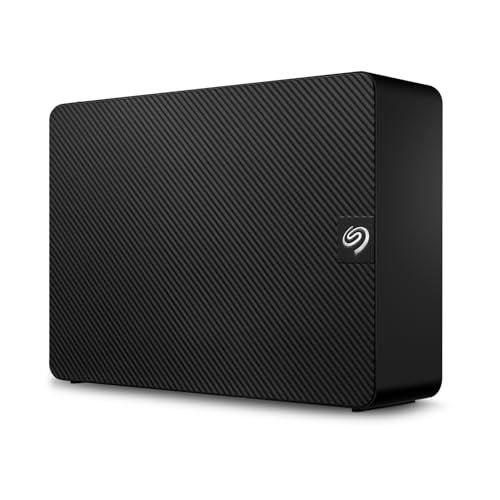
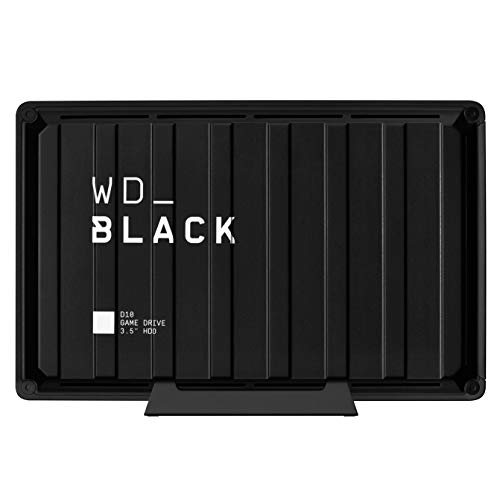
If maximum throughput and gaming performance are your primary objectives, the WD_BLACK 8TB D10 Game Drive represents the standout high-performance pick. Running at 7200 RPM with active fan cooling, this unit delivers sequential speeds up to 250 MB/s while providing integrated charging ports for gaming accessories. Meanwhile, those who prioritize straightforward plug-and-play operation with inclusive data protection will appreciate the Seagate 8TB Expansion Desktop Hard Drive with its factory recovery services.
Creative professionals demanding modern connectivity and minimal desk clutter should consider the Seagate One Touch 8TB External Hard Drive Desktop or the streamlined Western Digital 8TB Elements Desktop External Hard. When outfitting your overall workspace, pairing these drives with a complete butcher block desk grommet caster build kit ensures a clean, organized desktop aesthetic. Investing in quality external storage protects your irreplaceable digital assets for years to come.
Frequently Asked Questions
Why choose Best 8TB External Hard Drives over solid state drives in 2026?
Mechanical external hard drives offer significantly lower cost per gigabyte compared to multi-terabyte solid state drives. While SSDs provide faster access times, an 8TB mechanical desktop drive delivers the massive capacity required for complete system backups and media archiving without an excessive price premium.
Can I use an 8TB external hard drive directly with gaming consoles in 2026?
Yes, modern gaming consoles support 8TB external hard drives connected via USB 3.0. You can store and play previous-generation titles directly from the drive, or use the 8TB capacity as cold storage for current-generation games to avoid redownloading large install packages over the internet.
Do 8TB external desktop hard drives require external power outlets?
Most 8TB external drives house 3.5-inch mechanical drives that require an included 12V AC wall adapter for proper operation. While specialized bus-powered USB-C models exist, standard desktop storage units need continuous wall power to spin high-density platters stably without draining host laptop batteries.
How does CMR technology compare to SMR in high-capacity storage drives?
Conventional Magnetic Recording (CMR) writes data in parallel tracks, maintaining consistent sustained write speeds during massive file transfers. Shingled Magnetic Recording (SMR) overlaps tracks to save manufacturing costs, which can cause severe write speed degradation during continuous backup operations.
Will an 8TB external drive work on both Windows and Mac without reformatting?
Drives formatted with the exFAT file system provide native read and write capabilities across both Windows and macOS systems. If the drive arrives formatted in NTFS, macOS will only allow file reading unless the drive is reformatted to exFAT or APFS using Disk Utility.
How long can you expect an 8TB desktop external hard drive to last?
A well-ventilated 8TB desktop external hard drive typically delivers reliable performance for three to six years of regular service. Keeping the unit on a stable surface away from thermal buildup and using surge protection significantly reduces the risk of premature mechanical or controller failure.
Does drive rotation speed like 7200 RPM make a noticeable difference for backups?
Drives spinning at 7200 RPM achieve sequential transfer speeds up to 250 MB/s, noticeably reducing backup durations for multi-hundred gigabyte video libraries. For routine incremental daily backups, however, standard 5400 RPM drives provide ample speed while operating with less acoustic noise and lower internal heat.
What is the safest way to disconnect an 8TB external drive during file transfers?
Always use the operating system Safely Remove Hardware or Eject command before pulling the USB cable or power plug. This ensures all cached write commands flush completely to the physical disk platters, preventing catastrophic file system corruption or partition damage.
Are built-in USB charging ports on external drives safe for accessories?
Integrated USB hub ports on performance desktop drives provide regulated 5V power designed specifically for charging wireless mice, headsets, and gaming controllers. These powered pass-through ports draw current from the drive AC adapter, protecting host computer USB controllers from excessive power draw.
How much raw usable storage do you actually get from an 8TB drive?
Due to the difference between decimal storage marketing (1TB = 1,000,000,000,000 bytes) and binary computing calculation (1TiB = 1,099,511,627,776 bytes), an 8TB drive shows approximately 7.27TB of usable storage in Windows. This standard calculation discrepancy applies to all hard drives regardless of manufacturer.


