Upgrading your production workflow with a dedicated video system elevates visual clarity far beyond the capabilities of everyday mobile devices. Modern hybrid bodies combine large imaging sensors with dedicated image processors to capture sharp, cinematic footage in lightweight packages.
Navigating technical specifications like recording bitrates, sensor readout speeds, and thermal management can feel overwhelming for many buyers. We evaluated 7 standout models from respected brands like Sony, Panasonic, Canon to help you make an informed decision. You can also explore our creative studio guides to help plan your broader workstation configuration.
Whether you need an agile handheld vlogging kit or a dependable studio camera for long interviews, matching features to your workflow is crucial. This comprehensive guide breaks down the most important technical criteria to ensure you find the right system for your creative goals in September 2026.




Sensor Size and Low-Light Sensitivity
The physical dimensions of your camera sensor determine how effectively it gathers ambient light in challenging environments. Full-frame sensors offer expansive dynamic range and shallower depth of field, while APS-C sensors provide compact body designs and budget friendly pricing.
Pay close attention to base sensitivity values and dual native ISO capabilities when evaluating low-light potential. Sensors equipped with larger photosites naturally produce cleaner shadow detail with significantly less noise during nighttime or dimly lit interior shoots.
As a practical rule, choose full-frame bodies if you frequently shoot in uncontrolled lighting or desire maximum background blur. APS-C systems offer an integrated crop factor that extends lens reach, which benefits travel, sports, and wildlife videography.
If your studio setup already incorporates dependable lighting like office floor lamps, an APS-C sensor will easily deliver crisp, professional results without stretching your budget.
Video Bit Depth, Color Sampling, and Log Profiles
Internal recording bit depth dictates the degree of color flexibility you maintain during post-production color grading. Standard 8-bit files capture 256 tonal gradations per color channel, whereas 10-bit files capture 1,024 levels to eliminate harsh banding in skies.
Chroma subsampling options such as 4:2:2 retain twice as much color data as consumer 4:2:0 formats. Pairing 10-bit 4:2:2 color with flat log profiles like S-Log3 or V-Log unlocks up to fourteen stops of dynamic range for cinematic correction.
For creators planning to grade footage extensively or match multiple camera angles, 10-bit internal recording is an essential feature. If you produce fast turnaround content destined directly for social media, rich standard color profiles can save considerable memory space.
Autofocus Systems and Subject Tracking Technology
Intelligent autofocus tracking is invaluable for solo video creators who must present without a dedicated camera operator. Modern phase-detection autofocus utilizes real-time deep learning to identify and lock onto human eyes, faces, animals, and moving vehicles.
Check the total number of phase-detection points and the overall sensor coverage when reviewing camera specifications. Systems offering close to 100 percent frame coverage ensure that subjects moving toward the edges of the frame remain tack sharp.
Creators conducting product reviews should look for specialized autofocus modes that instantly prioritize objects held close to the lens. Setting your focus transition speed to a moderate value prevents jarring visual jumps and maintains a natural cinematic feel.
Sensor Readout Speed, Oversampling, and Rolling Shutter
How an imaging sensor processes its active pixel array directly impacts the sharpness and motion fidelity of your 4K video. Oversampling footage from a 6K full-pixel readout produces noticeably cleaner detail than pixel-binning or line-skipping methods.
Faster sensor readout speeds suppress rolling shutter distortion, preventing straight vertical lines from slanting during rapid pans. When sensors read scan lines slowly, quick camera sweeps can make background architecture look rubbery or distorted.
Always verify whether the camera applies an unwanted crop factor when switching to higher frame rates like 4K at 60 frames per second. Look for readout speeds under fifteen milliseconds if you regularly record fast action sports or dynamic handheld movement.
In-Body Image Stabilization and Gyro Data Support
Stable footage is essential for maintaining viewer engagement and creating a polished, broadcast quality presentation. Five-axis in-body image stabilization mechanically moves the sensor to counter pitch, yaw, roll, and lateral camera movements during handheld recording.
Optical lens stabilization works synergistically with in-body systems to deliver remarkable stability when using telephoto focal lengths. Many cameras also record internal gyro metadata, allowing you to apply precise stabilization smoothing in editing software later.
For run-and-gun documentary shooting, five or more stops of sensor stabilization can eliminate the need to carry a heavy gimbal. Remember to switch stabilization off whenever your camera is locked down onto a sturdy studio tripod.
Thermal Management and Continuous Recording Limits
Processing high-bitrate 4K video generates significant internal heat within compact mirrorless camera chassis. Older camera designs frequently enforced strict thirty-minute recording cutoffs or suffered unexpected thermal shutdowns during long summer shoots.
Modern hybrid bodies use magnesium alloy frames and passive heat distribution channels to support continuous recording. Always check whether a model includes adjustable temperature cutoff thresholds to prevent premature shutdowns during crucial takes.
When running all-day live streams or podcast recordings, powering your camera via USB Power Delivery keeps battery heat to a minimum. Managing your power connections neatly with standing desk cable trays keeps long production sessions organized and safe.
Lens Mount Ecosystem and Optical Flexibility
Selecting a mirrorless camera represents an ongoing investment into a specific lens mount ecosystem. Systems like Sony E-mount, Canon RF, and the L-Mount alliance offer broad selections of prime, zoom, and cinema lenses.
Take into account the availability of budget-friendly third-party lenses from brands like Sigma, Tamron, and Samyang. Broad third-party lens support can save hundreds of dollars when assembling a comprehensive focal length kit for client production.
Prioritize high-quality glass over premium camera bodies whenever you need to allocate a limited production budget. A versatile standard zoom lens covering 24mm to 70mm equivalent focal lengths serves as an ideal baseline for diverse video projects.
Audio Connectivity and Monitoring Options
Clean sound is equally as critical as high-resolution video for keeping viewers engaged with your content. Dedicated 3.5mm microphone inputs and separate headphone monitoring jacks are essential for capturing and verifying clean audio levels on location.
Advanced hot shoes with digital audio interfaces allow compatible shotgun and wireless microphones to transfer audio directly without analog cable noise. Having full-sized HDMI outputs also simplifies connecting external monitors and video recorders on commercial sets.
If your indoor recording room produces hollow echoes, treating your walls with sound dampening like office wall panels will drastically improve audio clarity before sound ever reaches your microphone.
Articulating Displays and Ergonomic Interface Design
Screen articulation dictates how easily you can compose creative high-angle, low-angle, or self-facing video shots. Fully articulating vari-angle side screens allow solo creators to monitor framing without obstructing top-mounted shotgun microphones.
Tilting displays offer fast waist-level composition for street photography but lack front-facing capability for vlogging. Responsive touchscreens make it easy to adjust exposure parameters, navigate menu tabs, and select tracking targets swiftly on set.
Choose a vari-angle display if you produce solo studio videos, remote tutorials, or social media content. Ensure that the physical grip feels comfortable and balanced in your hand when paired with your heaviest intended lenses.
| Camera Category | Sensor Format | Color Bit Depth | Stabilization Type | Primary Creative Application |
|---|---|---|---|---|
| Entry-Level Vlogging | APS-C | 8-Bit / 10-Bit | Digital / Lens IS | Social Media, Vlogging, Beginner Video |
| Mid-Range Hybrid | APS-C / Full-Frame | 10-Bit 4:2:2 | 5-Axis In-Body IS | Indie Filmmaking, Documentary, Live Events |
| Professional Hybrid | Full-Frame | 10-Bit Log / RAW | Advanced 5-Axis IS | Commercial Video, Studio Production, Stills |
| Cinema Focused | Full-Frame | 10-Bit Dual Native ISO | 5-Axis Dual IS 2 | Narrative Film, Anamorphic Video, Broadcast |
Why You Should Trust Us
Our camera analysis methodology focuses on verifiable hardware specifications, color processing engines, and real-world creator workflows. We examine sensor readout rates, thermal dissipation limits, dynamic range metrics, and optical mount ecosystems across every featured product.
Rather than simply repeating promotional specifications, we track ongoing firmware updates, creator reliability reports, and technical benchmarks across the video production industry. This data-driven approach ensures our recommendations address real operational challenges encountered during demanding recording sessions.
We continuously review our equipment comparisons to reflect new camera releases, firmware enhancements, and optical developments. Our objective framework guarantees that you receive practical, transparent guidance to maximize the value of your creative investment.
Final Thoughts
Choosing the ideal camera transforms your visual storytelling and provides the technical headroom needed for professional production. For hybrid creators who demand top-tier full-frame dynamic range and 10-bit recording, the Sony Alpha a7 IV Full Frame Mirrorless is our premier overall recommendation.
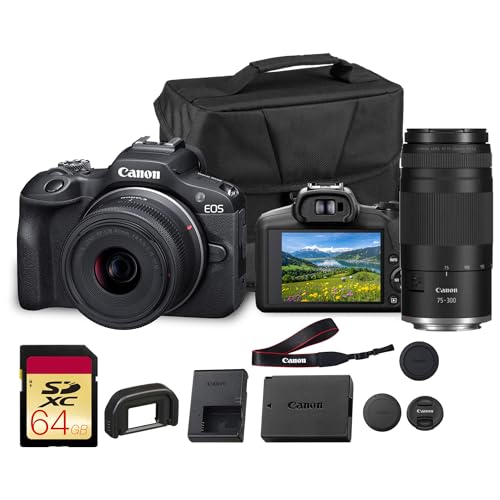
If you want exceptional autofocus tracking and portable handling at an approachable price, the Canon EOS R50 Mirrorless Camera RF-S18-45mm delivers sharp 4K oversampled footage for content creators. Buyers looking for an out-of-the-box bundle will find the Canon EOS R50 Mirrorless Camera with 18-45mm Lens ready for immediate shooting.
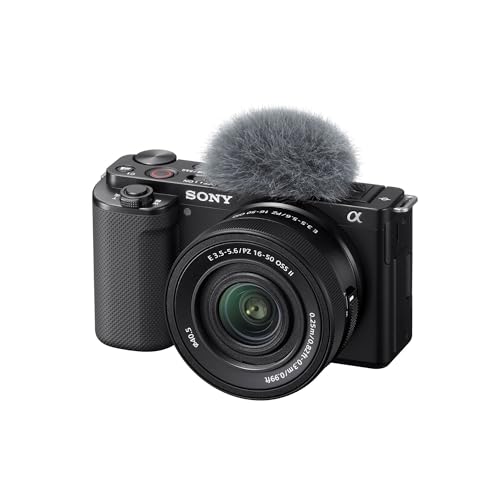
Filmmakers seeking cinematic color science, dual native ISO performance, and anamorphic support will appreciate the Panasonic LUMIX S5 Full Frame Mirrorless Camera. Meanwhile, solo vloggers wanting quick product autofocus modes can rely on the Sony ZV-E10 APS-C Mirrorless Camera with 16-50mm for daily video work.
Carefully evaluate your primary production style, audio requirements, and lens preferences before making your final investment. You can also explore our broader general technology guides to complete your home studio production environment.
FAQs
What makes Best 4K Mirrorless Cameras superior to smartphones in 2026?
Dedicated mirrorless cameras feature significantly larger imaging sensors that collect more optical light than mobile devices. They also support interchangeable lenses, extensive dynamic range, and physical manual controls that smartphones cannot replicate.
Do I need a full-frame sensor or is APS-C sufficient for 4K video?
APS-C sensors are more than adequate for high-quality 4K video production, online streaming, and daily vlogging. Full-frame sensors are preferable when you require extreme low-light sensitivity, wider fields of view, and maximum background blur.
Why is 10-bit color recording important for 4K mirrorless cameras?
Recording in 10-bit captures over one billion distinct colors, preventing unsightly banding across gradients like skies and sunsets. This added color data provides the necessary flexibility for intense color grading and applying custom creative LUTs.
How does in-body image stabilization benefit handheld video shooting?
In-body stabilization mechanically counters natural hand tremors across five physical axes to produce smooth handheld video. It enables video creators to capture stable footage without needing to mount the camera onto bulky motorized gimbals.
What is oversampled 4K and why does it look sharper?
Oversampling captures video using the entire 6K sensor resolution before condensing the data into a final 4K output file. This process preserves fine textural detail, enhances edge acuity, and minimizes unwanted moire patterns in intricate fabrics.
Can I use Best 4K Mirrorless Cameras for professional live streaming?
Most modern mirrorless bodies support plug-and-play USB streaming or clean HDMI output to external capture cards. Powering your setup through desk grommet outlets ensures your live stream continues uninterrupted without battery concerns.
How do I prevent mirrorless cameras from overheating during long recordings?
You can reduce internal heat by pulling the LCD screen away from the camera body and using external USB power. Setting the auto power-off thermal limit to high also lets the camera record for extended durations safely.
What memory card speed is required for recording 4K mirrorless video?
Look for SD cards rated V30 or higher for standard compressed 4K video recording up to 100 megabits per second. High-bitrate All-Intra 10-bit recording formats may require faster V60 or V90 UHS-II memory cards to prevent dropped frames.
Is a vari-angle articulating screen necessary for content creation?
A vari-angle side-flipping screen is extremely beneficial for solo presenters who need to monitor framing while in front of the lens. It also prevents hot-shoe mounted microphones from blocking your view during handheld vlogging sessions.
How does rolling shutter affect fast action video recording?
Rolling shutter creates a gelatin effect where vertical objects appear slanted during swift horizontal panning movements. Cameras with rapid sensor readout speeds minimize this distortion, keeping fast-moving sports and panning shots looking crisp and straight.