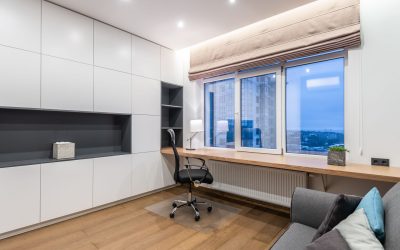

Furnishing a home office does not have to mean spending your entire paycheck on a single desk. With a bit of planning, you can build a functional, organized workspace by mixing a few smart, budget-friendly pieces: a desk with built-in drawers, a hutch for vertical storage, and a rolling utility cart for anything that does not fit on top of your desk. This guide walks you through how to shop smart, prioritize spending, and combine these three pieces into a setup that looks put-together without breaking the bank.

Why Combine Desks, Hutches, and Utility Carts?
A single desk, even a large one, has limited surface area and almost always runs out of storage before your paperwork, cables, and supplies do. Instead of buying one expensive “do everything” desk, you can get more functional square footage for less money by combining three affordable pieces that each do one job well:
- A desk with drawers keeps everyday items (pens, chargers, notebooks) within arm’s reach.
- A desk hutch adds vertical storage above the desktop without eating into your floor space.
- A utility cart gives you flexible, mobile storage for printer paper, files, or a secondary monitor stand — and it can roll out of the way when not needed.
This modular approach also lets you shop in stages. You can start with the desk, then add a hutch or cart later as your budget allows, rather than committing to one large purchase up front.
Step 1: Set a Realistic Budget Before You Shop
Before browsing listings, decide how much you want to spend on the whole setup versus each individual piece. A simple rule of thumb for a budget-conscious home office is to allocate roughly half your total budget to the desk, a quarter to storage (hutch or shelving), and the remaining quarter to a cart or other mobile storage. This keeps you from overspending on one piece and running out of room for the rest.
Write your target numbers down. It is easy to justify a slightly pricier desk “because it’s so nice,” but if that pushes your cart and hutch budget to zero, you will end up with a cluttered desktop again in a few weeks.
Step 2: Choose a Desk With Drawers That Fits Your Space
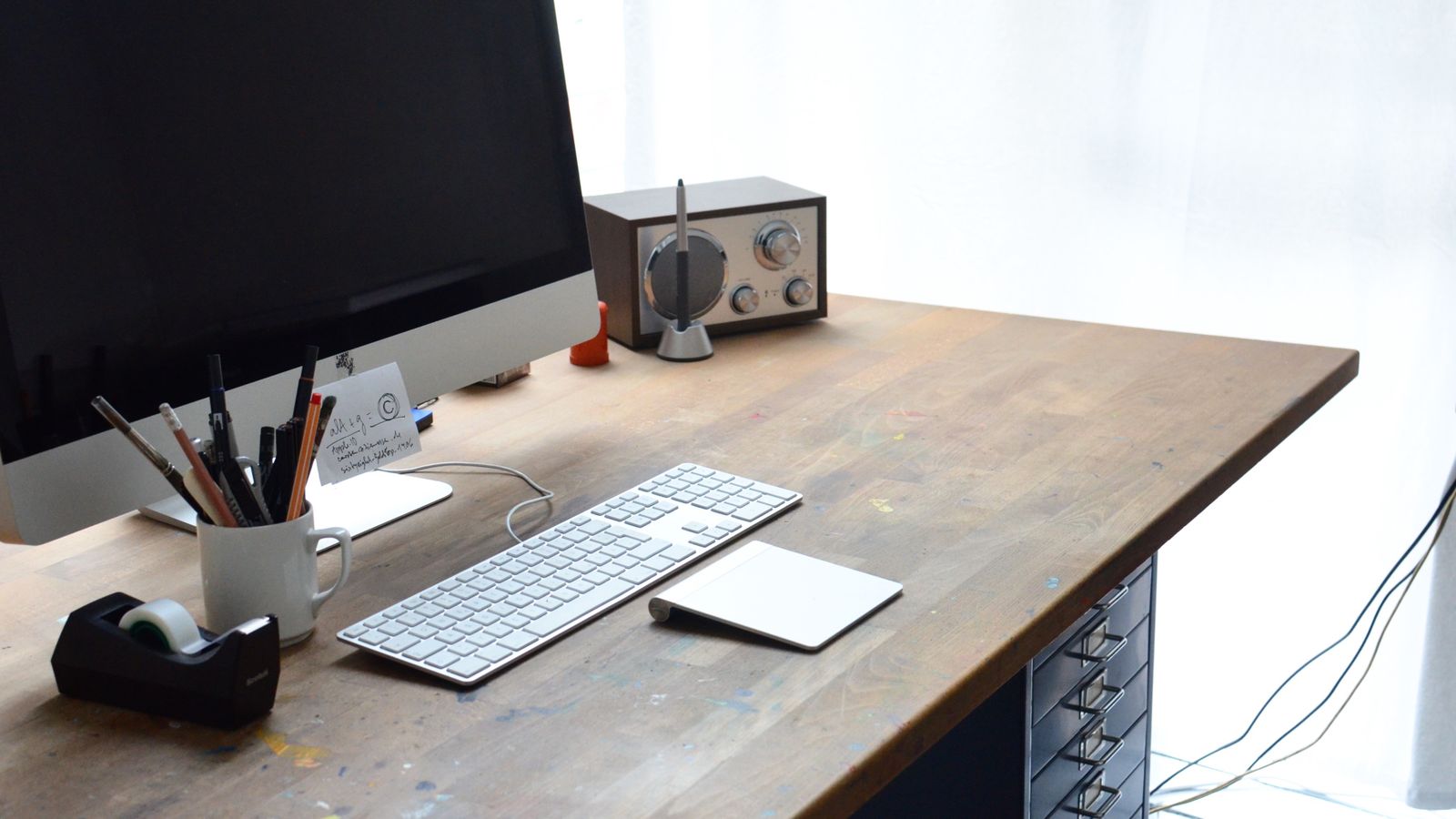
When shopping for a desk with built-in drawers, measure your intended space first — width, depth, and the clearance needed for a chair. Look for these features to get the most value for your money:
- At least two drawers, ideally one shallow drawer for small items and one deeper drawer for files or larger supplies.
- A stable frame. Particleboard tops with metal legs tend to be more affordable and just as sturdy as solid wood for everyday home office use.
- Cable management cutouts so your power strip and cords do not dangle or clutter the desktop.
- A finish that matches or complements whatever hutch or shelving you plan to add, so the whole setup looks intentional rather than mismatched.
If you want to compare well-reviewed, budget-friendly options before you buy, browse this roundup of Desks with Drawers to see which sizes and price points are currently well rated.
Step 3: Add a Desk Hutch for Vertical Storage
A desk hutch sits on top of or behind your desk and adds shelving without requiring extra floor space — which makes it one of the best value additions to a small home office. When shopping for one, consider:
- Open shelves versus closed cabinets. Open shelves are cheaper and great for books or bins; closed cabinets cost a bit more but hide clutter.
- Compatibility with your desk width. A hutch that overhangs your desk on both sides can look unbalanced; measure before buying.
- Weight capacity per shelf, especially if you plan to store a printer, monitor, or stack of binders.
- Assembly complexity. Budget hutches are usually flat-packed; check reviews for how easy they are to put together solo.
For a side-by-side look at affordable, well-rated hutch options in different sizes and finishes, check out this guide to desk hutches before making a final decision.
Step 4: Pick a Utility Cart for Flexible Storage
A rolling utility cart is one of the most underrated pieces of home office furniture. It costs far less than a filing cabinet, takes up a small footprint, and can move wherever you need it — next to your desk during work hours, tucked into a closet or corner afterward. Look for:
- Locking or sturdy casters so the cart stays put while you are working but rolls easily when you need to reposition it.
- Multiple tiers (two or three shelves) to separate categories: printer paper on one level, office supplies on another.
- A weight rating that comfortably supports what you plan to store — printers and monitor arms are heavier than they look.
- A slim profile if your office is tight on space; carts around 12–16 inches wide slide neatly beside a desk.
To compare mobile storage options that fit a home office budget, take a look at this list of the best utility carts before you commit to one.
Step 5: Arrange the Pieces for an Efficient Layout
- Position the desk first. Place it against a wall or under natural light, leaving enough clearance behind your chair to stand and sit comfortably.
- Mount or set the hutch. If it sits on the desk, place your least-used items on the top shelf and daily items lower down for easy reach.
- Roll the cart into place on whichever side is your non-dominant hand, so it does not interfere with mouse or writing movement.
- Route your cables through the desk’s cutouts before you plug anything in — it is much harder to do this after everything is set up.
- Test the flow. Sit down and reach for a pen, a file, and a supply item on the cart. Adjust drawer contents and cart shelves until everything you use daily is within an easy reach.

Common Mistakes to Avoid
- Buying the desk and storage separately without measuring together. A hutch or cart that does not match your desk’s width or height can make the whole setup look mismatched and waste space.
- Overspending on the desk and underspending on storage. A beautiful desk with no drawers, hutch, or cart quickly becomes a cluttered desk.
- Ignoring weight limits. Cheap cart shelves and hutch shelves can sag or fail if you overload them — check the manufacturer’s rated capacity.
- Skipping cable management. Without planning cord routing early, you will end up with a tangle that is hard to fix after the furniture is assembled and pushed against the wall.
- Not measuring the doorway or stairwell. Budget furniture often ships flat-packed, but pre-assembled pieces can be surprisingly bulky — measure your entry points before ordering anything pre-built.
Tips for Stretching Your Budget Further
- Buy the desk and hutch from the same product line when possible — matching finishes look more expensive than they cost.
- Watch for seasonal sales around back-to-school and major shopping holidays, when desks and storage furniture are frequently discounted.
- Consider open-box or floor-model listings from retailers, which are often the exact same product at a lower price.
- Prioritize function over finish for pieces that will be hidden or lightly used, and spend more on the surfaces you see and touch every day, like the desktop itself.
Frequently Asked Questions
Do I need all three pieces — desk, hutch, and cart?
Not necessarily. If your space or budget is tight, start with a desk that has drawers, since that covers your most immediate storage needs. Add a hutch or cart later once you know what additional storage you actually use.
What size utility cart works best next to a desk?
A narrow two- or three-tier cart, roughly 12 to 18 inches wide, tends to fit beside most desks without crowding your chair space or walkway.
Can a desk hutch be used without a matching desk?
Yes. Many hutches are freestanding or wall-mountable, so they can sit on top of an existing desk or against a nearby wall even if the finishes do not perfectly match.
How much should a budget home office desk setup cost in total?
Costs vary widely by brand and material, but a functional setup combining a desk with drawers, a small hutch, and a utility cart can typically be assembled for a fraction of the cost of a single premium executive desk, especially when purchased during sales.
Is it better to buy furniture as a set or piece by piece?
Buying piece by piece gives you more control over your budget and lets you prioritize the items you need most first, while matched sets can offer a small discount if you are ready to furnish the whole space at once.
Final Thoughts
A budget-friendly home office setup does not require compromising on organization or style. By treating your desk, hutch, and utility cart as three separate but complementary purchases, you can shop strategically, prioritize what matters most, and build a workspace that stays tidy long after the new-furniture excitement wears off. Start with the desk, add vertical storage with a hutch, and round it out with a mobile cart — and you will have a setup that works as hard as you do.