An office wall only has so much room, and two of the most common requests for that space couldn’t be more different: a bulletin board for pinning notices, schedules, and inspiration, or a blackout blind for controlling glare, privacy, and screen visibility. Before you order either one, it helps to compare them side by side on the things that actually matter for daily office life — function, installation, upkeep, and how each one affects the room around it.

What You’ll Need Before You Compare
Before evaluating either product, gather a few basics so your comparison is based on real measurements, not guesswork.
- A tape measure for the wall space or window frame
- Notes on the room’s natural light direction (north, south, east, west facing)
- A list of what you actually need to display or block (memos, schedules, sunlight, screen glare)
- Your mounting hardware options (drywall, plaster, metal studs, window frame type)
- A rough budget range for the item and installation
Step 1: Define the Core Purpose of Each Item
An office bulletin board exists to organize physical information — team announcements, deadlines, printed schedules, or a shared calendar that everyone in the room can glance at without opening a laptop. A blackout blind exists to manage light and privacy, cutting glare on monitors, keeping video calls free of harsh backlighting, and blocking outside view into the workspace after hours.
These are not competing purchases in most offices. One organizes information, the other controls environment. The real comparison question is usually which one solves your most pressing problem first, since budget and wall space are often limited.
Step 2: Compare Installation Requirements
Bulletin boards are typically the simpler install. Most mount directly to drywall with a handful of screws or heavy-duty adhesive strips, and a mid-size board can go up in under 20 minutes. Framed boards add a bit of weight, so locating a stud or using drywall anchors is worth the extra five minutes.
Blackout blinds require more precision. You’re measuring an inset (mounted inside the window frame) or outset (mounted on the wall above the frame) fit, and a blind that’s even half an inch off can leave light gaps along the edges that defeat the purpose of “blackout” in the first place. Cordless and motorized versions add brackets and, for motorized units, a power source or battery pack to plan for.
Wall Space vs. Window Space
A bulletin board needs open wall real estate — usually near a shared walkway or entrance so people naturally see it. A blackout blind needs an actual window, and its size is dictated entirely by that opening rather than by choice. This alone often decides the comparison: if you don’t have a spare window that needs light control, the blind isn’t competing with the board at all.
Step 3: Compare Materials and Durability
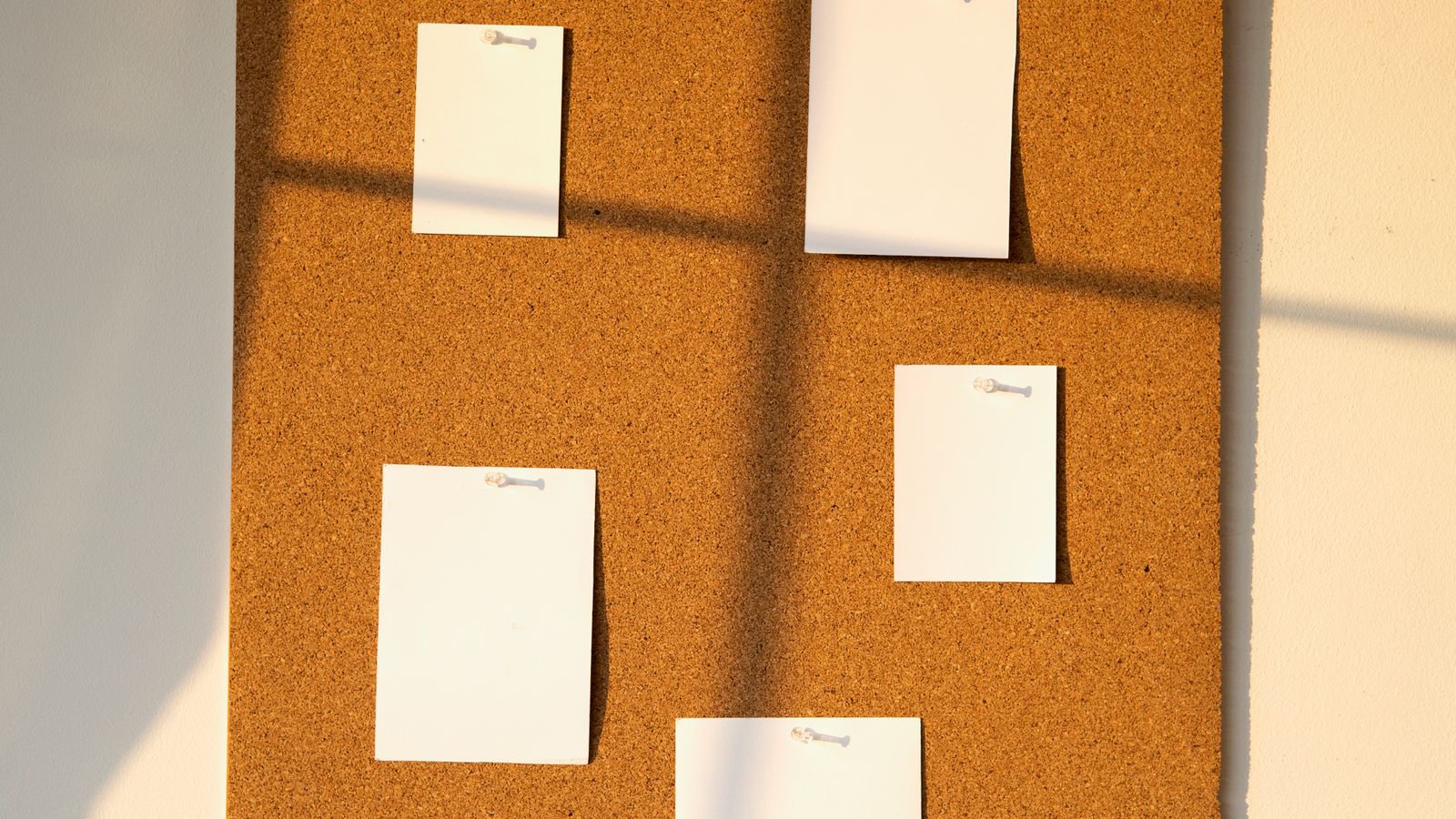
Bulletin boards commonly come in natural cork, fabric-covered foam, or a combination of both with a magnetic steel backing. Cork holds pins reliably for years but can crumble at the edges with heavy use; fabric boards look sharper but wear thin around frequently used pin spots. Framed boards in aluminum or wood tend to outlast frameless foam versions.
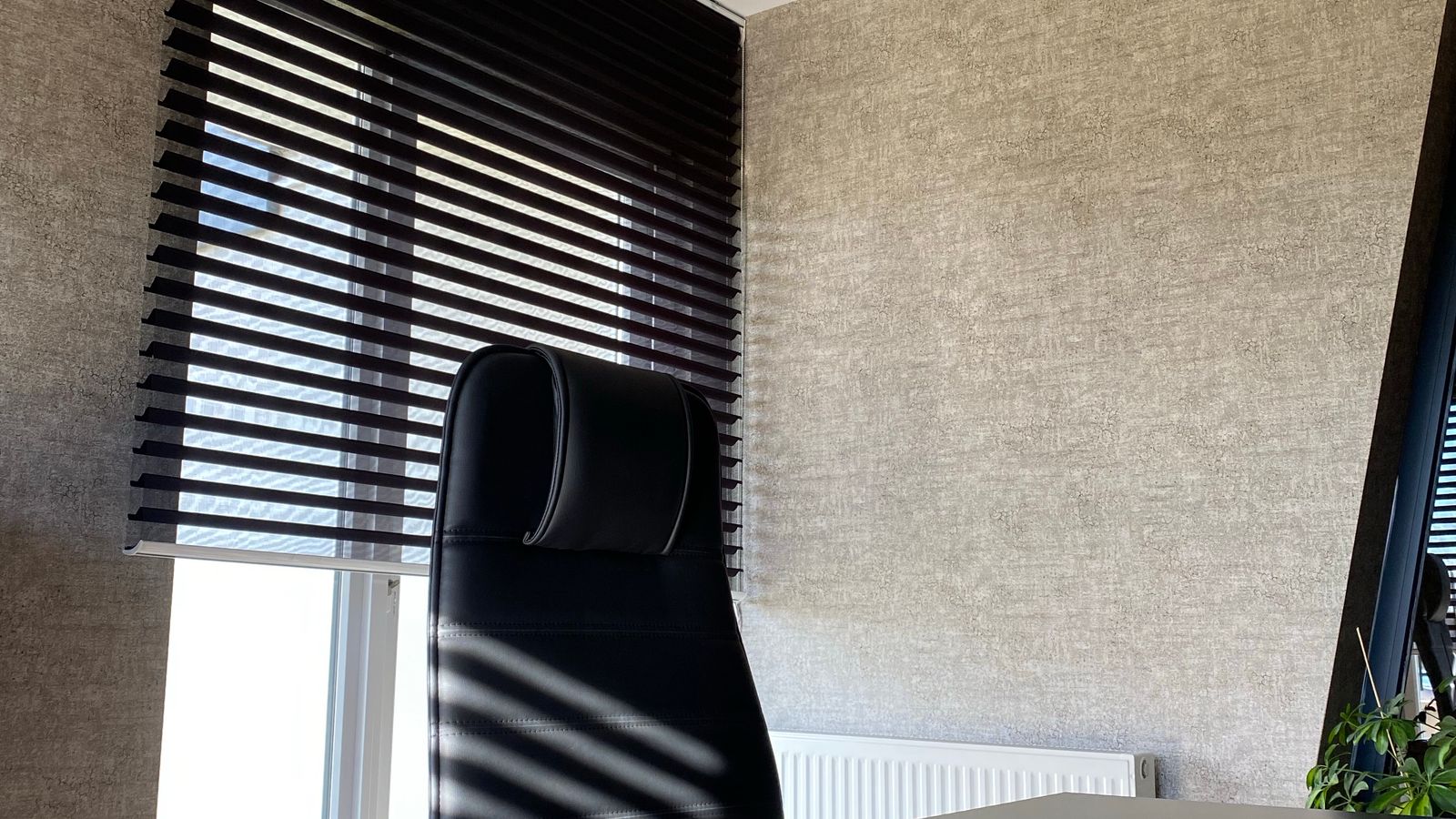
Blackout blinds are usually PVC-coated polyester or a triple-weave fabric bonded to a light-blocking backing. Cheaper blinds fade or curl at the edges within a year or two under direct sun; better-rated blackout fabrics resist UV yellowing and stay flat longer. Check the fabric’s opacity rating (aim for 99%+ light blockage) rather than trusting the word “blackout” alone, since the term isn’t strictly regulated.
Step 4: Compare Maintenance and Cleaning
Bulletin boards need almost no maintenance beyond occasionally patching pinholes (cork self-heals reasonably well) and wiping down the frame. Fabric boards may need a lint roller pass every few months to stay presentable.
Blackout blinds collect dust on both sides and need a vacuum brush attachment or damp wipe every month or two, more often near an HVAC vent. Cordless mechanisms can stiffen over time and benefit from a light silicone spray on the lift mechanism once or twice a year. Motorized blinds add battery or wiring checks to the routine.
Step 5: Compare Cost and Lifespan
Bulletin boards are generally the lower upfront cost, especially in standard sizes, and a well-built cork or fabric board can last five to ten years with light care. Blackout blinds range more widely — basic roller blinds are affordable, while motorized or custom-fit blinds cost significantly more. Expect a quality blackout blind to last around seven to ten years before the fabric or mechanism needs replacing.
If budget is tight and you can only solve one problem this quarter, weigh which issue costs you more in practice: disorganized communication (board) or glare-driven eye strain and video-call complaints (blind).
Step 6: Match the Choice to the Room’s Actual Problem
Walk through the space with a specific question in mind rather than a general “which looks nicer” impulse.
- Is there a wall near a high-traffic area that’s currently bare and could carry shared information?
- Does a window in the room cause screen glare or force blinds-down squinting during certain hours?
- Are people currently using sticky notes, whiteboards, or scattered paper because there’s no dedicated posting spot?
- Do video calls in the room suffer from harsh backlight because there’s no light control at all?
- Would adding both, on separate walls, actually solve two distinct problems at once?
In many offices, the honest answer is both items solve different problems and neither substitutes for the other — the comparison is really about sequencing the purchase, not picking a permanent winner.
Common Mistakes to Avoid
- Buying a blackout blind by window height alone. Width matters just as much for eliminating side-light gaps, and inside-mount blinds need extra depth clearance for the frame.
- Choosing a bulletin board that’s too small for real use. A board that fills up in week one just gets covered in overlapping paper, defeating its purpose.
- Ignoring frame color and wall tone. A stark white frame board against a dark wall (or vice versa) can look like an afterthought rather than a planned fixture.
- Skipping the opacity rating on blinds. Not every product labeled “blackout” actually blocks 99%+ of light; check the spec sheet, not just the name.
- Forgetting cord safety. In shared offices, corded blinds near desks or walkways are a tripping and entanglement risk — cordless or motorized options are safer for busy rooms.
Where to Look Once You’ve Decided
If organizing shared information is the priority, browse a range of sizes and frame styles among office bulletin boards to match your wall space and team size. If glare, privacy, or video-call lighting is the bigger pain point, compare fit and opacity ratings across office blackout blinds before ordering. And if your comparison expands into general workspace tidiness and entryway organization, a stand near the door — like the options covered in best office umbrella stands — can round out a more organized, glare-free room.
Frequently Asked Questions
Can a bulletin board and a blackout blind go in the same room?
Yes, and in most offices they should. One manages information on a wall, the other manages light at a window — they rarely compete for the same physical space.
Do blackout blinds actually block 100% of light?
No blind blocks light perfectly at the edges unless it’s an inside-mount with tight side channels. Look for a 99%+ opacity rating and expect a thin sliver of light along the frame edges with standard mounts.
Blackout blinds also help regulate room temperature by reducing solar heat gain, which is a secondary benefit worth factoring into the comparison if your office runs warm in the afternoon.
How big should an office bulletin board be?
As a rough guide, a board around 24×36 inches suits a small team posting area, while shared hallways or break rooms often need something closer to 36×48 inches or larger to avoid overcrowding.
Which one is easier to install without professional help?
Bulletin boards are almost always the easier DIY install — a few screws or adhesive strips and it’s done. Blackout blinds are still DIY-friendly for most homeowners, but precise measuring matters more, and motorized versions may benefit from professional installation.
Will a blackout blind fade my bulletin board or wall décor?
A quality blackout blind actually protects nearby items by cutting the UV exposure that fades cork, fabric, and printed materials over time, so pairing the two can extend the life of everything on that wall.
Final Thoughts
Comparing an office bulletin board and a blackout blind isn’t really about picking a winner — it’s about identifying which problem your room has first: disorganized information or uncontrolled light. Measure your space, be honest about which issue causes more daily friction, and use that answer to prioritize your purchase. Many offices end up adding both over time, and each one just needs its own comparison against the wall or window it’s actually solving for.