Stackable chairs are the workhorses of conference rooms, training centers, and multipurpose spaces because they save floor space and set up fast. But that constant stacking, sliding, and hauling takes a toll on frames, glides, and finishes if you never give them any attention. A simple cleaning and care routine keeps your stackable chairs looking sharp, sitting stable, and lasting for years instead of needing early replacement.
This guide walks through exactly what you need, how often to clean, the safest cleaning steps for different materials, and the small habits that prevent scratches, wobble, and premature wear.
What You’ll Need
Most stackable chair cleaning only requires items you already have around the office or supply closet:
- Mild dish soap or a pH-neutral all-purpose cleaner
- Warm water and two clean microfiber cloths (one for washing, one for drying)
- A soft-bristle brush for seams, mesh, or textured plastic
- A spray bottle for diluted cleaning solution
- Isopropyl alcohol wipes for spot-treating ink or scuff marks
- Silicone lubricant or light machine oil for hinges and stacking glides
- A vacuum with an upholstery attachment (for fabric or mesh-back stackables)
Avoid bleach, ammonia-based glass cleaners, or abrasive scouring pads. These can dull polycarbonate seats, strip the protective coating on powder-coated steel frames, or discolor upholstery.
How Often to Clean and Inspect
Cleaning frequency depends on how heavily the chairs are used:
- High-traffic spaces (cafeterias, training rooms, event venues): wipe down seats and frames weekly, deep clean monthly.
- Moderate use (conference rooms, classrooms): wipe down every two weeks, deep clean quarterly.
- Light or occasional use (storage-stacked reserve seating): dust and inspect monthly, deep clean twice a year.
Beyond routine wiping, schedule a full inspection every three to six months. Check for loose fasteners, cracked seat shells, bent legs, worn glides, and any fabric fraying at stress points like the front seat edge.
Step-by-Step Cleaning Process
- Unstack chairs before cleaning. Cleaning chairs while they’re stacked traps moisture between seats and can drip onto the chair below, so separate them first and let them dry individually.
- Dust and vacuum first. Use a dry microfiber cloth or vacuum brush attachment to remove loose dust, crumbs, and debris from seams, mesh backs, and underneath the seat lip before introducing any liquid.
- Mix a mild cleaning solution. Combine a few drops of dish soap with warm water in a spray bottle. For plastic or polypropylene shells, this solution alone handles most grime.
- Wipe down the seat and back. Spray the solution onto your cloth (not directly onto the chair, especially near any electronics-free but fabric-covered models) and wipe in the direction of the material grain. For mesh backs, use gentle circular motions with a soft brush.
- Clean the frame and legs. Wipe metal legs and stacking rails with a damp cloth, paying extra attention to the base where dust and floor grime accumulate from repeated stacking and unstacking.
- Spot-treat stains. For scuffs, ink marks, or sticky residue, dab (don’t rub) with an isopropyl alcohol wipe, then follow with a plain water wipe to remove any residue.
- Dry thoroughly. Use a dry microfiber cloth to remove excess moisture from every surface, including underneath the seat and around bolt heads, to prevent water spots and rust on metal fasteners.
- Lubricate moving parts. Apply a small amount of silicone lubricant to any folding hinges, and check that stacking glides or feet caps move freely and aren’t cracked or missing.
- Let chairs air dry fully before restacking. Stacking damp chairs traps moisture against the seat below, which can warp plastic shells or promote mildew on fabric.
Caring for Different Materials
Plastic and Polypropylene Shells
These are the easiest to maintain. Mild soap and water handle nearly everything, and a quick monthly wipe with a microfiber cloth keeps the surface glossy. Avoid leaving plastic stackable chairs in direct sunlight for extended periods, since UV exposure can cause fading and brittleness over time.
Upholstered or Fabric-Padded Stackables
Vacuum fabric seats weekly to prevent dust from settling into the weave. For spills, blot immediately rather than rubbing, and use a fabric-safe cleaner tested on a hidden area first. Because many training and conference room chairs use lightly padded seats for comfort during long meetings, keeping the upholstery clean also protects resale and reuse value when furniture gets reassigned between rooms.
Metal Frames
Powder-coated steel and aluminum frames resist rust well, but scratches expose bare metal to moisture. Wipe frames dry after cleaning, and touch up any chipped coating with a matching paint pen to prevent corrosion from spreading. Inspect welds and leg joints regularly since these bear the most stress during stacking.
Wood-Accent Stackables
If your chairs include wood seats or backrests, avoid soaking them. Use a barely damp cloth and dry immediately, then apply furniture polish or wax every few months to maintain the finish and prevent cracking.
Proper Stacking and Storage Habits
How you stack and store chairs matters just as much as how you clean them. Follow these habits to reduce wear:
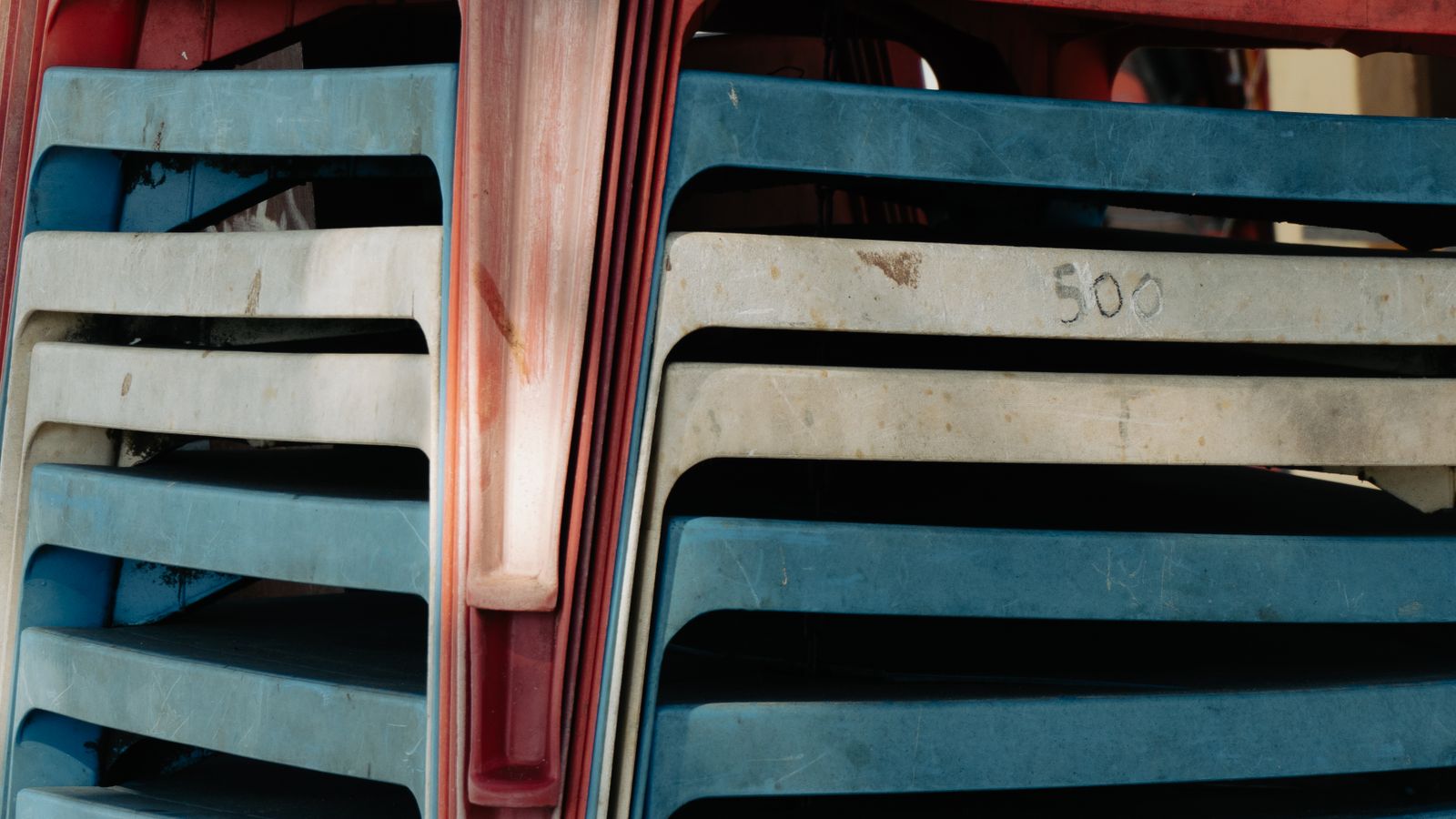
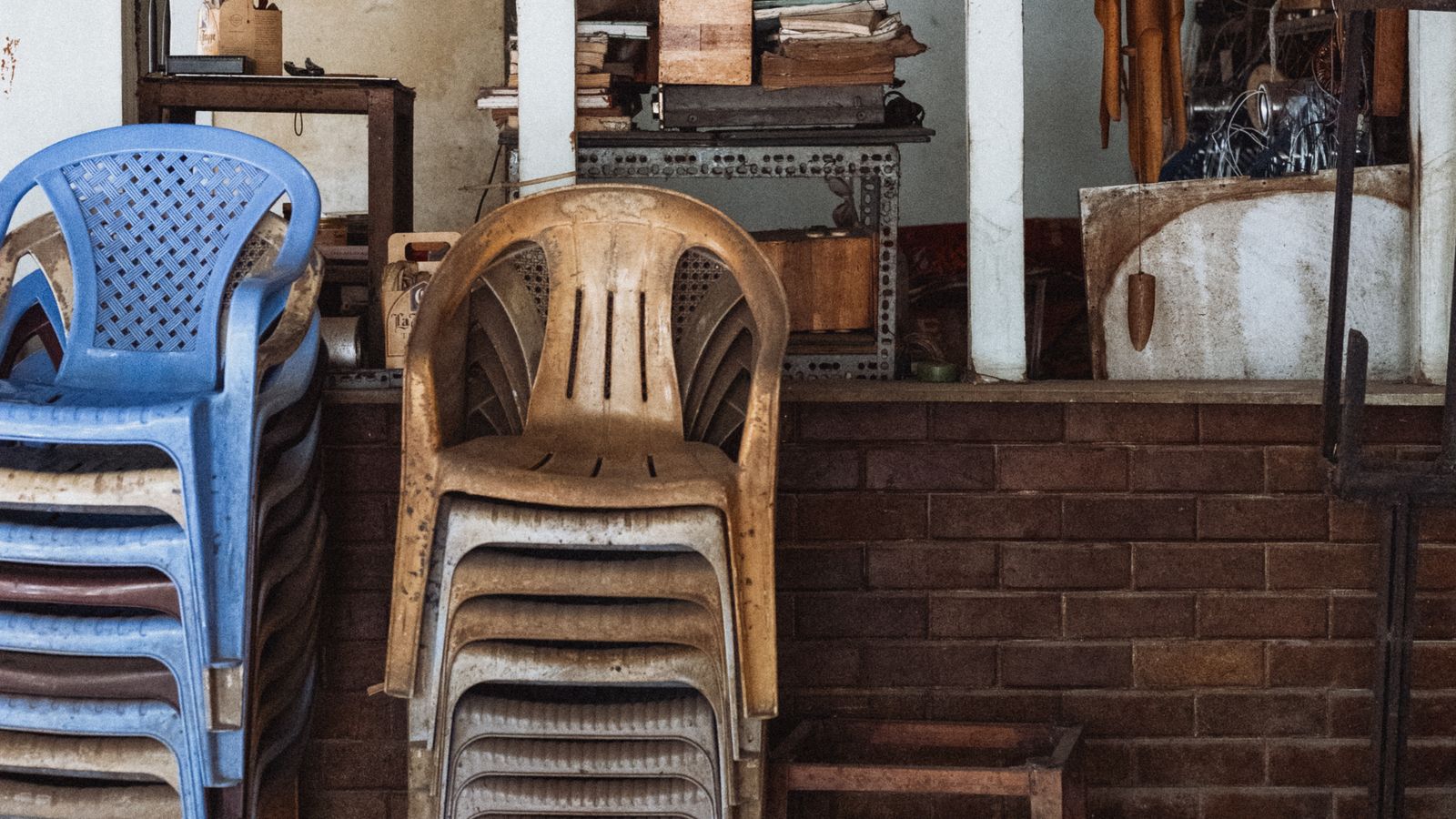
- Never stack more than the manufacturer’s recommended height (usually 8-12 chairs depending on the model) to avoid tipping and excess pressure on the bottom chairs.
- Use a stacking cart or dolly for moving groups of chairs instead of carrying stacks by hand, which reduces the risk of dropping and cracking seat shells.
- Store stacks away from direct sunlight, radiators, and damp basement corners where humidity can warp plastic or rust metal frames.
- Rotate which chairs sit at the bottom of the stack periodically so wear is distributed evenly rather than concentrated on a few units.
- Check floor protector caps or glides before stacking; worn glides can scratch the chair below during transport.
Common Mistakes to Avoid
- Using harsh chemicals. Bleach and ammonia-based cleaners can discolor plastic and strip protective coatings, leading to faster material breakdown.
- Skipping the drying step. Restacking damp chairs traps moisture and encourages mildew, especially on fabric-padded models.
- Ignoring loose hardware. A wobbly leg or loose bolt left unaddressed can lead to a cracked frame under normal use.
- Overstacking. Exceeding the recommended stack height stresses the legs of the bottom chairs and increases tip-over risk.
- Dragging chairs across floors. This wears down glides fast and can scratch both the chair and the flooring; always lift when moving individual chairs.
When to Replace Instead of Repair
Even with consistent care, stackable chairs have a lifespan. Consider replacement when you notice cracks spreading across the seat shell, persistent wobble that lubrication and tightening can’t fix, rust that has compromised structural welds, or upholstery that’s torn through to the padding. If you’re comparing new options, browsing a roundup of stackable chairs can help you weigh weight capacity, stack height, and material durability before buying replacements. For front-of-house areas, pairing durable stackables with dedicated reception chairs in waiting areas can also extend the life of your stacking stock by reserving it for flexible-use spaces rather than daily lobby traffic.
Frequently Asked Questions
How often should stackable chairs be deep cleaned?
For most offices and meeting spaces, a monthly deep clean is sufficient, with quick wipe-downs in between. High-traffic venues like cafeterias or event halls should deep clean weekly.
Can I use a pressure washer on plastic stackable chairs?
Low-pressure rinsing outdoors can work for heavily soiled plastic chairs, but keep the nozzle on a wide, gentle setting and avoid aiming directly at joints or fasteners, which can force water into places it won’t easily dry.
Why do my stackable chairs wobble after cleaning?
Wobble usually isn’t caused by cleaning itself but by loose fasteners that were already present. Use the cleaning session as an opportunity to check and tighten bolts with the appropriate hex key or screwdriver.
Is it safe to stack chairs while still slightly damp?
It’s best to avoid this. Even slight moisture trapped between stacked seats can lead to mildew on fabric or water spotting on plastic and metal over repeated cycles.
What’s the best way to remove scuff marks from plastic chair legs?
A melamine foam sponge (magic eraser style) lightly dampened with water works well on most plastic scuffs without damaging the surface, followed by a quick soap-and-water wipe to remove residue.
Final Thoughts
A consistent cleaning and inspection routine is the simplest way to protect your investment in stackable seating. A few minutes of wiping, drying, and checking hardware after each use cycle prevents the small issues that eventually turn into costly replacements. Combine good care habits with proper stacking technique, and your chairs will stay presentable and structurally sound through years of regular setup and teardown.