A desk that rocks every time you type or set down a mug is more than an annoyance — it is a sign that the legs are not making even contact with the floor. The fastest fix is rarely a new desk; it is usually one of the many desk anti wobble kits built specifically to close that gap. These kits range from thin rubber shims you slide under a short leg to threaded leveling feet that screw in and adjust with a few turns. Picking the right desk anti wobble kit depends on how your desk legs are shaped, how uneven your floor really is, and whether you are willing to drill. Below, we walk through the categories, the fit criteria that matter most, and 7 real options pulled from current Amazon listings so you can compare them side by side.




Top Picks at a Glance
- Best Overall: Furniture Leveler 12pcs Kit Size Variety — a multi-size rubber shim set that covers most desk leg gaps without extra shopping.
- Best Budget: Desk Stabilizer & Support Bracket — a low-cost, shock-absorbing bracket that reduces wobble without drilling.
- Best for Standing Desks: Standing Desk Anti Wobble Stabilizer 2 Pack — sized for taller leg gaps common on sit-stand frames.
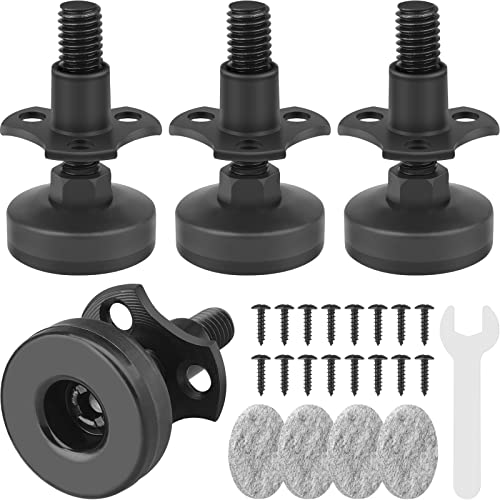
- Best Premium / Adjustable: Heavy Duty Furniture Levelers 3/8″-16 Thread Kit — threaded feet with T-nuts for fine, repeatable height adjustment.
- Best No-Drill Shim Kit: Wobble Wedge Flexible Plastic Shims (Black, 75-Pack) — thin, stackable wedges for quick, tool-free leveling.
- Best for Floor Protection: Stable the Table Furniture Leveler — pairs stabilization with a non-slip base that guards flooring.
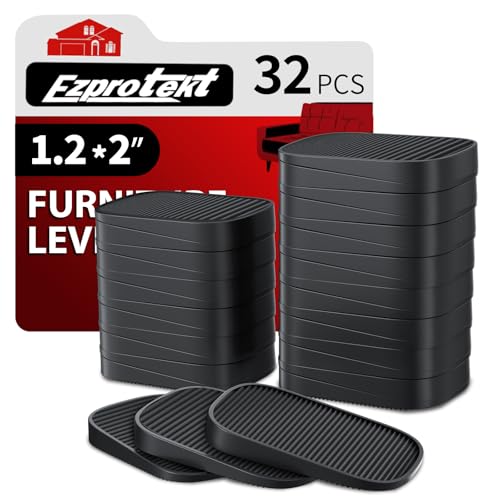
- Best for Uneven Floors: Ezprotekt Silicone Furniture Leveling Shims — a large multi-purpose pad set for desks sitting on especially inconsistent floors.
Types of Desk Anti Wobble Kits: Shims, Leveling Feet, and Stabilizer Brackets
Not every desk anti wobble kit works the same way, and understanding the three main mechanisms makes it much easier to shop with confidence. The first category is the rubber or plastic shim — a thin wedge you slide under the short leg until the rocking stops. Shims are inexpensive, require no tools beyond scissors to trim them to size, and work on almost any leg shape because they simply sit under the base rather than attaching to it.
The second category is the screw-in leveling foot, which threads into a pre-drilled hole (often with a T-nut) at the bottom of the leg. Turning the foot raises or lowers that corner of the desk in small, precise increments. This style of desk anti wobble kit is more permanent and generally more stable under repeated pressure, but it only works if your desk leg can accept a threaded insert or if you are comfortable adding one.
The third category covers stabilizer brackets and roller-style stabilizers designed specifically for modern desks, including standing desks with telescoping legs. These attach near the base or crossbar and absorb the shake that happens when you type, adjust height, or bump the desk, rather than just correcting for an uneven floor. A good desk anti wobble kit often combines two of these approaches — for example, a shim under one leg plus a bracket to dampen vibration during height adjustment.
How to Match a Kit to Your Desk Leg Shape and Size
Before buying any desk anti wobble kit, measure the legs you are working with. Square metal legs, round tube legs, and flat wooden legs all interact differently with shims and levelers. A rounded shim designed for a cylindrical leg may rock on a flat wooden foot, while a flat rubber pad may not grip a narrow metal tube securely.
Next, measure the actual gap causing the wobble. Slide a folded piece of paper or a thin card under each leg until the desk stops rocking, then measure that thickness. This tells you whether you need a slim shim, a stack of shims, or a leveling foot with enough adjustment range to close a larger gap. Kits that include several shim thicknesses in one pack, like a multi-size variety set, remove the guesswork because you can test a few sizes before committing.
Finally, check whether your desk already has a threaded insert on the bottom of the legs. If it does, a screw-in desk anti wobble kit with matching thread size is usually the cleanest long-term fix. If it does not, a no-drill shim or bracket-style kit avoids the need to add hardware to a desk that was not designed for it.
Load Capacity: What a Desk Anti Wobble Kit Needs to Handle
A desk anti wobble kit has to support more than the desk’s own weight — it also carries monitors, laptops, storage, and the downward pressure of someone leaning on the surface while typing. Thin plastic or rubber shims are generally fine for standard desks with light to moderate loads, but if your setup includes a heavy monitor arm, multiple displays, or dense storage, look for kits that specify a higher weight rating per piece or per set.
Material matters here as much as the shape. Solid rubber and rigid plastic shims tend to resist compression better than soft foam over time, which means they stay effective instead of flattening out and letting the wobble return. Threaded leveling feet, especially ones built with metal cores and wide nylon bases, typically handle the heaviest loads because the weight transfers through the thread rather than resting on a compressible pad. If you are outfitting a standing desk that shifts weight as it moves up and down, a heavier-duty desk anti wobble kit is worth the small extra cost compared to a basic shim pack.
No-Drill Installation: What to Expect
Most buyers want a desk anti wobble kit they can install in minutes without pulling out a drill. For shim-based kits, that usually means testing the gap, trimming the shim if it is a cuttable style, and sliding it into place until the desk sits flat on all four legs. Stabilizer brackets typically clamp or adhere near the base of the leg and do not require any modification to the desk itself.
Screw-in leveling feet are the exception. If your desk legs do not already have a threaded hole, installing this type of kit means drilling a pilot hole and inserting a T-nut before the foot can be threaded in. That extra step is worth it for a desk that will stay in one place for years, since the adjustment stays precise and does not shift the way a shim occasionally can. For desks that get moved often, or for renters who cannot alter furniture, a no-drill desk anti wobble kit remains the more practical choice.
Keeping the Fix Invisible: Appearance and Floor Protection
A wobble fix should solve the problem without becoming an eyesore. Clear or black shims tend to disappear under most desk legs, while bright-colored wedges can stand out on light flooring. If your desk sits somewhere visible, like a shared office or a video-call background, choosing a low-profile desk anti wobble kit in a neutral color keeps the fix from drawing attention.
Floor protection is the other half of this equation. Rubber and silicone bases in many desk anti wobble kits double as non-slip pads, which reduces scuffing on hardwood and keeps the desk from sliding when you push back your chair. If your floors are a concern, look for kits that mention a felt or rubber underside rather than a hard plastic base that could scratch finished flooring over time.
How We Evaluated These Desk Anti Wobble Kits
Every product on this list was pulled from current Amazon listings for desk and furniture leveling kits, then filtered to keep only items genuinely designed to stop wobble — leveling feet, shims, and stabilizer brackets — rather than unrelated desk legs or general hardware. We compared customer review volume and rating, the range of gap sizes or thread options each kit covers, whether installation requires drilling, and how the kit’s material and design suit different desk types, from standard home office desks to standing desks. We prioritized kits with clear compatibility details and enough reviews to reflect real-world durability rather than one-off impressions.
Common Mistakes When Fixing a Wobbly Desk
The most frequent mistake is guessing at shim thickness instead of measuring the actual gap first, which leads to a kit that is either too thin to help or so thick it tilts the desk the other way. A second common error is choosing a desk anti wobble kit rated for light furniture and using it under a heavily loaded standing desk, where the shims compress or the feet bend under sustained weight.
Buyers also frequently check only one leg for unevenness when two or more corners may be affected, especially on older floors with multiple dips. Skipping this step means the wobble returns after only partial correction. Another mistake is drilling into a leg without confirming there is enough solid material to hold a T-nut securely, which can crack a wooden leg or strip a thin metal one. Finally, some people select a kit based on price alone and end up with shims that slip out from under the leg because the surface has no grip — a textured or rubberized base solves this in most desk anti wobble kits.
Desk Anti Wobble Kit Buying Checklist
- Measure each leg’s gap individually rather than assuming all four are equal.
- Confirm your desk leg shape (square, round, tube, or flat) matches the kit’s design.
- Check the weight rating against your desk’s total load, including monitors and storage.
- Decide whether a no-drill shim or bracket fits your situation better than threaded leveling feet.
- Look for a rubber, silicone, or felt base if floor protection matters to you.
- Choose a neutral color if the fix needs to stay visually discreet.
- Read recent reviews for notes on long-term compression or slipping.
- Buy a kit with multiple sizes or a cuttable design if you are unsure of the exact gap needed.
Frequently Asked Questions
Are adhesive shims or screw-in leveling feet better for a desk?
It depends on how permanent you want the fix to be. Adhesive and slide-under shims are faster to install, need no tools, and work well for moderate gaps, making them a good first desk anti wobble kit to try. Screw-in leveling feet take more setup but offer finer, more durable adjustment for desks that will not be moved and can tolerate a small drilled hole.
Does a desk anti wobble kit require drilling?
Most shim and bracket-style kits do not require drilling at all — you simply slide or clamp them into place. Threaded leveling feet are the main exception, since they typically need a pilot hole and a T-nut unless your desk already has a compatible threaded insert.
How do I know if a kit can handle my desk’s weight?
Check the listed weight capacity per piece or per set and compare it to your desk’s total load, including monitors, storage, and anything resting on the surface. Solid rubber shims and metal-core leveling feet generally hold up better under heavier loads than soft foam alternatives.
Will the kit be visible once it’s installed?
A properly sized shim or leveling foot sits tucked under the leg and is barely noticeable from a normal viewing angle. Choosing a black or clear desk anti wobble kit rather than a bright color helps it blend in further, especially on desks in shared or visible spaces.
Can I use a desk anti wobble kit on a standing desk?
Yes, but standing desks benefit from kits designed for their taller leg gaps and the added stress of height adjustment. Stabilizer brackets built specifically for sit-stand frames address the shake that happens during movement, in addition to correcting for an uneven floor.
Do these kits protect my floors from scratches?
Many desk anti wobble kits include a rubber, silicone, or felt underside that both grips the floor and prevents scuffing. If floor protection is a priority, look specifically for that detail in the product description before buying.
Once your desk sits flat and stops rocking, it is worth looking at a few other finishing touches for your desk setup. Sharp corners at leg height are easier to bump once a desk stops shifting, so desk corner protectors are a natural next step for a safer workspace. If your stabilized desk is shared or split into work zones, desk dividers can add privacy without new furniture. And now that the desk itself is steady, tidying up the cords underneath with a desk cable box keeps the whole setup looking finished rather than just functional.
A wobbly desk is usually a quick, inexpensive fix once you match the right mechanism to your leg shape, floor gap, and weight needs. Whether you land on a simple shim pack, a set of threaded leveling feet, or a stabilizer bracket built for a standing desk, the right desk anti wobble kit should disappear from view while keeping your work surface steady for the long run. Compare the options above against your own desk measurements before deciding which one to order for 2026.