

Maintaining a lush lawn or productive vegetable plot requires reliable hydration throughout the scorching summer months. Hand watering with standard garden hoses wastes hours every week and leads to uneven moisture distribution across sensitive roots. Setting up modern home watering equipment eliminates this daily chore while protecting delicate plants from heat stress.
Homeowners often hesitate to tackle watering projects because traditional underground setups require hired trenches, plumbing permits, and complex wiring. The latest generation of watering kits connects straight to standard outdoor hose bibs without specialized plumbing skills. Finding the Best DIY Irrigation Systems among the 5 setups evaluated in September 2026 gives you commercial precision on a manageable weekend schedule.
Whether you manage tight raised garden boxes or sweeping turf grass, matching equipment to your layout prevents overspray and runoff. For broader property improvement strategies, explore our comprehensive planning guides before running lines across your property. Investing a single afternoon into installation secures automated root hydration for the entire growing season.



Water Pressure and Flow Rate Requirements
Water pressure dictates how many sprinkler heads or micro emitters your outdoor spigot can drive simultaneously. Static water pressure measured in pounds per square inch determines the push behind your supply, while gallons per minute measures volume. Connecting too many distribution points to an underpowered spigot leads to weak spray patterns and dry patches.
Most residential spigots deliver between 40 and 70 pounds per square inch of static pressure with moderate flow. In-ground rotary sprinkler kits demand higher operating pressures around 45 to 75 pounds per square inch to lift pop-up heads. Micro drip systems operate much lower, functioning best between 20 and 45 pounds per square inch to prevent line blowouts.
You can calculate your flow volume by timing how many seconds your spigot takes to fill an empty five-gallon bucket. Divide 300 by that recorded time in seconds to determine your home spigot gallons per minute rating. Never exceed 80 percent of your total measured flow capacity when calculating the combined demands of your planned watering zones.
Tubing Diameter and Distribution Layout
The interior diameter of your main distribution tubing sets the physical boundary for liquid volume traveling across the yard. Wide tubing carries more volume across greater distances without suffering significant friction losses that weaken terminal emitters. Choosing undersized lines causes emitters at the far end of the circuit to trickle weakly while front emitters flood.
Drip setups commonly use mainline diameters of 5/16 inch or 1/2 inch to transport water to distant beds. Flexible feeder lines measuring 1/4 inch then branch off the mainline to direct individual drops directly toward plant stems. In-ground pop-up systems rely on rigid or semi-flexible 1/2-inch lines to sustain the higher volume required by rotating mechanical nozzles.
A practical layout rule limits standard 1/4-inch branch lines to runs of no more than thirty feet from the main line. Keeping individual branch runs short prevents noticeable pressure drop-offs that starve plants at the tail end of lines. For complex garden layouts, connect your lines in a continuous loop to equalize hydraulic pressure across all delivery points.
Emitter Types and Targeted Delivery
Matching emitter styles to specific foliage types prevents leaf diseases caused by improper moisture delivery. Overhead spray nozzles work well for uniform turf grass coverage where deep soil penetration across broad areas is necessary. Delicate flowerbeds, fruit shrubs, and container vegetable boxes thrive under localized drippers that deposit water directly at root level.
Vortex emitters spin fine droplets in a circular pattern, making them suitable for closely spaced groundcover and dense planter boxes. Stream bubbler stakes deliver higher volumes of moisture to deep-rooted shrubs and established fruit trees without aerosolizing the flow into drifting mist. Adjustable cap drippers allow fine-tuning the output from a slow trickle up to several gallons per hour.
Look for emitter heads with detachable caps that simplify maintenance during mineral accumulation or algae buildup. If hard water deposits scale inside small orifices, detachable heads let you soak parts in warm vinegar rather than replacing lines. Sturdy ground stakes measuring at least seven inches prevent high pressure pulses from dislodging emitters from loose topsoil.
Smart Automation and Multi-Zone Scheduling
Automating your watering routine protects plant vitality during family vacations and saves hours of daily yard maintenance. Basic battery timers open valves on fixed schedules, while sophisticated smart controllers use mobile applications to schedule tailored run times. Multi-zone capabilities let you separate thirsty turf lawns from drought-tolerant shrubs that rot when watered on identical cadences.
Advanced digital controllers combine flow valves, pressure sensors, and wireless connectivity into a unified outdoor casing. These integrated setups allow creating distinct microclimate maps tailored to varying sun exposure across different corners of your property. Managing zones independently ensures sunny southern exposures receive ample moisture while shaded northern beds stay mold-free.
When selecting smart controllers, verify that the application supports local scheduling caches stored directly on the physical hardware. Storing schedules locally ensures your automated watering cycles execute reliably even when your home wireless network drops. If planning comfortable outdoor workspaces near garden paths, reviewing furniture and comfort layouts prevents sprinkler spray from striking outdoor desks.
Weather Adaptation and Water Conservation
Overwatering damages root structures by drowning beneficial soil microbes and triggering fungal infections like root rot. Smart watering packages integrate real-time weather forecasts and local moisture sensors to prevent irrigating saturated topsoil. Automated weather pauses conserve utility costs by stopping cycles before, during, and after natural rainfall events.
Physical rain sensors use expanding discs or electrical contacts that halt current to the solenoid valve whenever rain falls. Cloud-connected controllers pull hyper-local radar data to delay upcoming morning cycles when heavy afternoon thunderstorms are predicted. Weather-adaptive systems reduce overall outdoor water usage by up to 40 percent compared to rigid mechanical timers.
Check if your municipality provides rebates on utility bills for installing verified water-saving irrigation hardware. Many water authorities require controllers with weather-delay sensors to qualify for green infrastructure credits. Taking advantage of these local programs offsets the initial cost of smart equipment within a single summer season.
Soil Absorption and Soil Health
Water application speed must match the percolation capacity of your native soil to prevent excessive runoff and puddling. Heavy clay soil absorbs moisture slowly and pools rapidly when flooded with fast mechanical spray heads. Sandy soil drains rapidly, demanding frequent low-volume watering sessions that direct moisture through the root zone without leaching nutrients.
Modern distribution tech like uniform droplet dispersion delivers water gently to preserve soil texture and reduce surface erosion. Delivering fine droplets over longer durations gives dense clay time to draw moisture downward via capillary action. This slow percolation encourages root systems to reach deep into the ground rather than bunching near dry topsoil.
Use a simple screwdriver penetration test to gauge your soil moisture depth after running an initial irrigation cycle. Push a six-inch metal screwdriver into the bed; it will slide easily through moist soil and stop at dry layers. Adjust your cycle durations until moisture reaches at least six inches beneath turf and eight inches beneath shrubbery.
Material Durability and Weather Resistance
Irrigation hardware installed outside must withstand scorching ultraviolet sunlight, foot traffic, and sharp temperature swings. Low-grade vinyl lines degrade quickly in direct sun, turning brittle, cracking, and springing pinhole leaks within months. High-density polyethylene tubing infused with UV inhibitors resists solar degradation and maintains flexibility through several growing seasons.
Barbed fittings and lock couplers should feature impact-resistant ABS plastic that will not split under thermal expansion. Underground sprinkler bodies require sturdy internal stainless steel retraction springs to pull pop-up nozzles below ground level before lawn mowers pass over. Commercial-grade seal wipers prevent dirt grains from entering the riser sleeve and jamming sprinkler mechanisms.
Inspect manufacturer specifications for thermal operational limits, especially if you reside in regions with sub-freezing winters. Tubing rated for year-round surface exposure can stay in place if blown out with compressed air before the first freeze. Drain threaded spigot assemblies and store delicate digital timers indoors through winter to prevent ice cracking internal valves.
Trenching Complexity and Installation Footprint
The time and physical effort demanded during installation varies drastically between surface drip lines and recessed sprinkler systems. Surface drip setups require zero digging, securing along garden beds with simple hold-down stakes beneath decorative mulch. In-ground pop-up packages require slicing sod and excavating shallow trenches three to six inches deep across the lawn.
Surface kits install completely in under an hour, making them ideal for renters, raised planters, and dynamic container layouts. In-ground setups take an afternoon of digging but reward homeowners with clean sightlines and obstruction-free mowing. Retractable spray bodies eliminate messy trip hazards caused by standard garden hoses snaking across walkways.
Before driving shovels into lawn turf, call your local utility location hotline to mark buried power lines and gas pipes. Use a manual square edge spade to slice sod into neat strips that can be rolled back and replaced over trenches. For tips on managing home projects, browse our uncategorized articles covering property improvements.
Coverage Area and System Scalability
Evaluating your square footage ensures your chosen package can hydrate target zones without leaving parched gaps. Entry-level drip packages handle up to three standard raised boxes, covering roughly fifty to one hundred square feet. Advanced smart sprinkler devices cast high-efficiency arcs that cover large residential yards spanning up to 9600 square feet.
Scalable packages feature modular fittings that allow expanding line lengths as your landscaping beds expand over time. When adding extensions, monitor cumulative water volume to verify total flow demands stay within spigot output limits. Exceeding your supply threshold requires adding multi-way hose splitters to stagger cycles across alternating morning schedules.
Review the technical specifications in the comparison table below to determine which setup matches your yard footprint and gardening style.
| System Architecture | Typical Coverage Area | Ideal Plant Target | Installation Complexity | Operating Pressure Range |
|---|---|---|---|---|
| Micro Drip Kit | 50 to 200 sq. ft. | Raised Beds, Pots, Shrubs | Low (Zero digging, 30 min) | 20 – 45 PSI |
| Retractable In-Ground | 1000 to 3000 sq. ft. | Turf Lawns, Open Grass | Moderate (Shallow trenching, 3-4 hrs) | 45 – 75 PSI |
| Smart Integrated Sprinkler | 4800 to 9600 sq. ft. | Large Lawns, Mixed Beds | Low to Moderate (Plug-and-play setup) | 30 – 65 PSI |
Why You Should Trust Us
Our editorial team evaluates outdoor maintenance equipment with an objective, data-driven approach focused on durability, ease of use, and water conservation. We scrutinize technical engineering schematics, operating pressure limits, nozzle distribution metrics, and component material compositions across major brands like Rain Bird, CARPATHEN, and AIPER. By comparing manufacturer tolerances against real-world residential water supply limits, we ensure our advice matches typical household spigot capacities.
We do not accept paid manufacturer promotions or prioritize items based on commercial sponsorships. Instead, our team synthesizes verified user experiences, independent hydraulic flow calculations, and manufacturer documentation to identify where products excel and where installation flaws occur. Keeping our guides updated with dynamic data points ensures you receive accurate buying recommendations throughout the calendar year.
Our analysis prioritizes long-term mechanical reliability, UV tolerance, and simple seasonal winterization. We emphasize systems that protect home foundations from excess moisture while promoting deep, resilient root development. For further insights on organizing productive domestic spaces, visit our health and family resource hub.
Final Thoughts
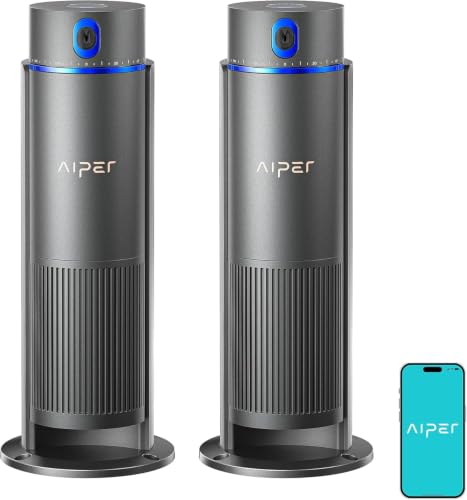
Selecting the ideal watering system transforms garden upkeep from an exhausting daily chore into a hands-free automated routine. For large open yards needing advanced scheduling and remote management, the Aiper IrriSense 2 Lawn Sprinkler is our top overall pick. Its integrated smart valve, comprehensive weather-adaptive sensors, and extensive coverage up to 9600 square feet make it an outstanding investment for expansive suburban lawns.
Gardeners tending raised vegetable beds, ornamental borders, and container arrangements will find superb utility in the CARPATHEN Drip Irrigation System Kit for Garden. This value-packed bundle includes durable UV-resistant tubing, thirty versatile dripper heads, and clear installation guides that get root hydration running in under an hour. Its low pressure threshold makes it gentle on plants while preventing unnecessary evaporation losses on warm afternoons.
Homeowners seeking a tidy lawn without hoses snaking across the grass should choose the Rain Bird 32ETI DIY Install In-Ground Automatic. Its pop-up rotary nozzles sink flush into turf for easy lawn mowing, providing dependable automatic coverage across medium yards. If you need single-unit automated yard spraying, consider the Aiper IrriSense 2 Smart Sprinklers for Yard for smaller lawn layouts.
Before purchasing your components, measure your water pressure and map out all plant beds to avoid purchasing excess distribution lines. For advice on balancing home electrical and exterior utility setups, check our guide on desk grommet outlets to keep work areas organized. Investing a single Saturday into setting up automated watering gives you a flourishing garden all summer long.
FAQs
What is the top-rated option among Best DIY Irrigation Systems in 2026?
The top-rated option for automated lawn watering is the Aiper IrriSense 2 Lawn Sprinkler due to its multi-zone mapping, weather sensing, and extensive yard coverage. Gardeners focusing primarily on vegetable planter boxes will find the CARPATHEN Drip Irrigation System Kit for Garden superior for targeted root hydration. The best pick ultimately depends on whether you are irrigating open turf grass or compact planter beds.
Can I connect a drip irrigation system directly to an outdoor hose spigot?
Yes, most residential DIY watering systems connect straight to standard 3/4-inch threaded outdoor garden spigots. You should attach a backflow preventer, a water timer, and a pressure regulator between your faucet and the distribution tubing. This simple spigot assembly protects household drinking water and prevents high residential water pressure from bursting delicate drip lines.
How do I prevent drip emitters from clogging over time?
Installing an inline mesh filter near your spigot catches mineral sediment and sand particles before they travel down distribution tubes. Selecting emitters with removable caps allows you to rinse out debris if fine grit ever blocks water passages. Flushing your main tubing line with water before attaching end plugs clears dirt introduced during initial assembly.
How deep should I bury in-ground sprinkler pipes for DIY installations?
DIY in-ground kits typically require trenches between three and six inches deep to accommodate pop-up sprinkler bodies and distribution pipes. This shallow depth keeps installation manageable with a simple hand shovel while hiding tubing securely beneath mowing blades. Always dig carefully and verify the path is clear of underground utility lines before slicing into turf.
What water pressure is required to operate Best DIY Irrigation Systems properly?
Standard drip systems function best with low water pressures between 20 and 45 pounds per square inch. In-ground rotary sprinkler kits require higher pressures ranging between 45 and 75 pounds per square inch to lift pop-up heads. Installing a pressure regulator prevents excess pressure from disconnecting tubing joints during high demand periods.
How long should I run my watering system each day?
Drip irrigation systems typically run between 30 and 60 minutes several times per week depending on ambient temperatures and soil type. Rotary sprinkler kits delivering higher moisture volumes usually run between 15 and 30 minutes per zone to prevent excessive pooling. Deep, infrequent watering cycles encourage stronger root development than brief daily surface sprinkles.
Do I need an electrician or plumber to install these systems?
No professional plumbing or electrical trade licenses are needed to set up residential DIY irrigation kits. These systems draw water directly from existing outdoor garden bibs and use battery-powered or low-voltage smart controllers. Installation requires only basic household hand tools such as utility shears, a spade, and measuring tape.
How do smart irrigation controllers save money on utility bills?
Smart controllers utilize real-time weather forecasts and integrated rain sensors to automatically pause watering cycles when natural precipitation occurs. They eliminate the waste of irrigating lawns during heavy storms or when ground moisture levels remain saturated. By delivering precise hydration only when soil requires moisture, water consumption drops by up to 40 percent.
Can I leave DIY irrigation tubing outside during the winter?
UV-resistant polyethylene tubing can remain outside over winter if water is thoroughly purged from the interior lines before freezing temperatures arrive. Standing water expands when freezing, which splits fittings, cracks distribution pipes, and destroys sensitive electronic timers. Remove spigot timers and electronic valves in autumn and store them in an insulated indoor area.
Can I expand my irrigation setup by connecting multiple kits together?
Yes, modular irrigation systems allow connecting extension tubing and supplementary emitters using standard barbed push-fit couplers. You must calculate total water flow to ensure your expanded network stays within the flow capacity of your spigot. For tips on managing tidy cord and tube routing across work areas, read our advice on standing desk cable trays.


