
Choosing the best wood stove comes down to four things that matter more than the marketing photos: firebox size and burn time, BTU output matched to the square footage you’re heating, whether the unit is EPA certified, and whether cast iron or steel construction fits how you plan to use it. After comparing current Amazon listings for these specs alongside customer review volume, material, and stated heating capacity, a 54,000 BTU cast iron model with a large base of customer reviews stands out as the strongest all-around pick for most homes. Several other options on this list handle small cabins, mobile homes, whole-home heating, and existing fireplace openings better, so this guide walks through what separates one model from another before lining up 8 options worth comparing.




Top Picks at a Glance
- Best Overall: US Stove Company Cast Iron Wood Stove with Cool Touch Safety Handle — rated for 54,000 BTU and about 900 sq ft, backed by a large base of customer reviews.
- Best Budget: US1261E 900 sq. ft. Cast Iron Log Wood Stove — solid cast iron construction at a lower price point without giving up firebox size.
- Best EPA-Certified: Comfort Glow Cast Iron Wood Stove – Indoor EPA Certified Heater — meets EPA emissions standards and fits logs up to 22 inches.
- Best for Small Spaces or Mobile Homes: Comfort Glow Mighty Mini Wood Stove, Compact Solid Fuel Stove – CGWS750 — compact and listed as mobile-home approved with an 8-hour rated burn time.
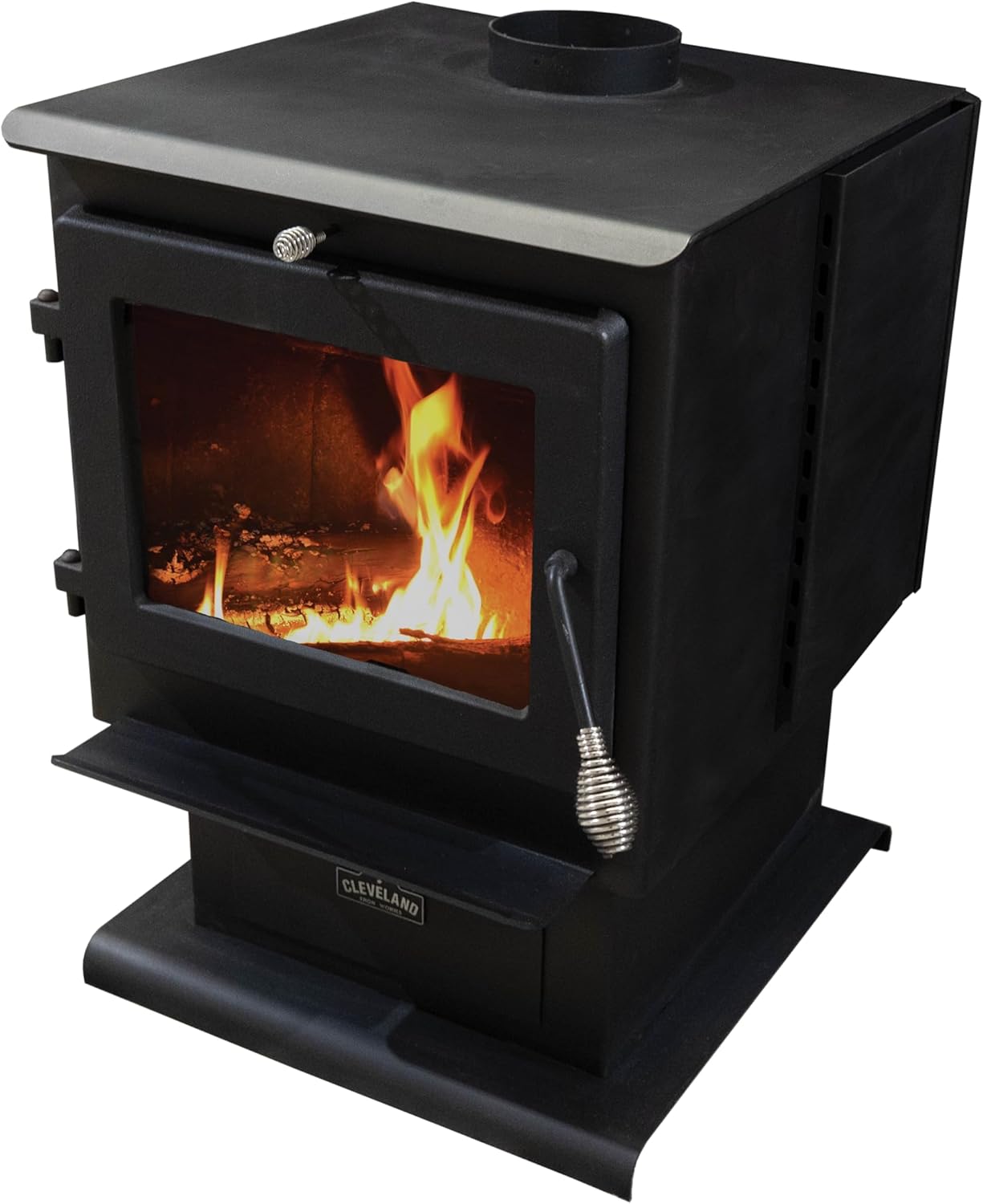
- Best Mid-Size: Cleveland Iron Works Huron Medium Wood Stove — a mid-capacity option between compact cabin units and full whole-home models.
- Best for Large Homes: US Stove US1100E-BL 1,200 sqft Wood Stove with Blower — rated for larger square footage with a blower to push heat further into a room.
- Best Insert Option: Ashley Hearth AW1820E 1,200 Sq. Ft. Wood Stove Insert — built to fit into an existing masonry fireplace opening rather than stand freely.
- Best Premium or High-Capacity: Ashley Hearth AW2020-P 2,000 sqft Wood Stove with Legs and Pedestal — the largest-rated option on this list, built for whole-home heating.
How to Choose the Best Wood Stove for Your Home
Not every stove is built for the same job. A unit sized for a single cabin room will struggle to heat an open-concept living area, and one rated for a whole house can feel like overkill in a small den. Before comparing individual listings, it helps to understand the handful of specs that actually separate one model from another.
Firebox Size and Burn Time
The firebox is the interior chamber where the fire actually burns, and its size determines two practical things: how long a log the unit can accept, and roughly how long a full load of wood will burn before it needs reloading. Compact models built for cabins or small rooms often accept logs in the 11 to 18-inch range and may need reloading every few hours, while larger units built for whole-home heating can take 19 to 22-inch logs and hold a fire considerably longer between loads. If you’re planning to run one as a primary heat source through winter, a bigger firebox with a longer stated burn time cuts down on how often someone has to tend it, including overnight.
BTU Output and Heating Capacity — Matching a Wood Stove to Your Square Footage
Most listings state both a BTU rating and a square-footage heating capacity, and matching that number to your actual space is one of the most important buying decisions. A stove rated for around 750 to 900 square feet is typically enough for a single large room, a cabin, or a small open floor plan, while units rated for 1,200 to 2,000+ square feet are built to heat an entire small-to-mid-size home. Undersizing means it runs at full output constantly and still struggles to keep up on cold days; oversizing means it puts out more heat than the space needs, which can mean running it at a lower, less efficient burn just to avoid overheating the room.
EPA Certification — Why It Matters
An EPA-certified wood stove has been tested to meet federal emissions standards for particulate output, which generally means cleaner, more complete combustion and better fuel efficiency than an uncertified unit. Many states and counties either require EPA certification for new installations or restrict the sale of non-certified models altogether, so checking this detail before buying matters even if it isn’t the first spec that catches your eye. If a listing doesn’t mention EPA certification at all, it’s worth confirming directly with the manufacturer before assuming it qualifies for installation in your area.
Cast Iron vs. Steel — Which Material Fits Your Use
Cast iron models tend to heat up more slowly but hold and radiate heat longer and more evenly after the fire dies down, which suits people who want steady background warmth over many hours. Steel models generally heat up faster and respond more quickly to a fresh load, which some owners prefer for a room that’s only occupied part of the day. Cast iron is heavier and, because it’s cast rather than welded, individual panels can sometimes be replaced if damaged; steel bodies are typically lighter and often less expensive to manufacture, which can show up as a lower price point on comparable-capacity units.
Freestanding Stoves vs. Wood Stove Inserts
A freestanding model sits on its own hearth pad, away from any existing fireplace, and needs its own chimney or flue connection planned around it. This gives you flexibility in where it goes but means starting from scratch on venting if there isn’t an existing chimney to tie into. An insert, by contrast, is built to slide into an existing masonry fireplace opening, using the home’s existing chimney (typically with a new liner) rather than requiring a separate flue to be built. If your home already has a working masonry fireplace that you want to make more efficient, an insert is usually the more practical starting point; if you’re heating a space with no existing fireplace at all, a freestanding unit is the only real option.
Wood Stoves vs. Pellet Stoves vs. Electric Fireplaces — Which Fits You
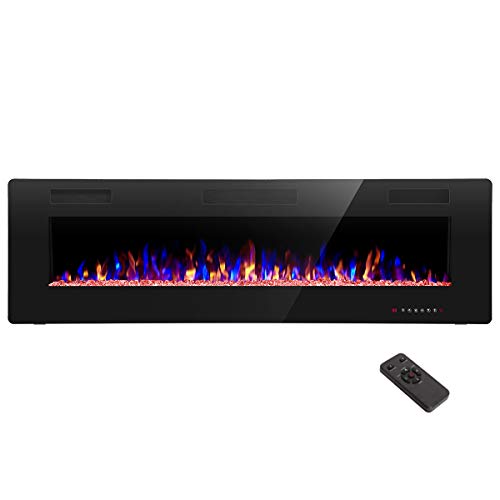
All three of these show up when people search for a home heating stove, but they solve different problems. This type of stove burns cut and split firewood that you load and tend by hand — there’s no thermostat, no auger, and no automated feed, which means more hands-on work but also complete independence from the power grid. Because it needs no electricity to produce heat, it stays functional during a power outage, which is a real advantage in areas with unreliable winter power. If that manual, off-grid character isn’t what you’re after, our guide to the best pellet stoves covers a more automated alternative that burns compressed wood pellets and uses an electric auger and igniter for more thermostat-like control, at the cost of needing power to run. For homes without a chimney at all, or renters who can’t install venting, the best electric fireplaces under $500 roundup covers plug-in options with no combustion, no chimney requirement, and the easiest installation of the three, though they depend entirely on electricity and typically put out less real heat per dollar than this kind of appliance. Smaller rooms or apartments that just need supplemental warmth without any of the above might also do well with a unit from our best office space heaters guide.
Installation, Clearances, and Safety Basics
This kind of heating appliance involves open combustion inside your home, so installation isn’t a project to guess at. Every unit needs a proper chimney or class-A flue, a hearth pad rated for its weight and heat output, and specific clearances from combustible walls, furniture, and framing — the exact numbers vary by model and are listed in the manufacturer’s installation manual, which should always take priority over general advice. Many jurisdictions require a permit and inspection before a new installation is signed off, so it’s worth checking local building codes early rather than after the unit is already in the house. Because of the specialized venting and clearance work involved, most homeowners have this type of stove installed by a licensed or certified installer rather than doing it themselves.
Beyond installation, a few ongoing safety habits go a long way. Working smoke detectors and a carbon monoxide detector near any wood-burning appliance are basic precautions, not optional extras. Creosote — a byproduct of burning wood — builds up inside the chimney over time and is a leading cause of chimney fires if left unaddressed, so scheduling a chimney inspection and cleaning at least once a year (more often for heavy daily use) is standard practice for owners. None of this is meant to be alarming; it’s simply what routine ownership looks like once the unit is installed correctly by a qualified professional.
How We Evaluated These Wood Stoves
These picks were compared using current Amazon listing data rather than in-person testing. For each product, we looked at the stated BTU output and square-footage heating capacity, whether EPA certification was mentioned, the body material (cast iron or steel), firebox and maximum log length where listed, whether a blower was included or available, and customer review volume and average rating. Listings with vague specs, inconsistent capacity claims, or missing material details were passed over in favor of options with clear, verifiable listing information and a track record of customer feedback.
Common Mistakes to Avoid When Buying a Wood Stove
- Buying a unit sized for a much larger or smaller space than you actually plan to heat.
- Skipping the EPA certification check and later finding out the model isn’t allowed for installation locally.
- Assuming any stove can go anywhere in a room without checking clearance requirements first.
- Choosing a freestanding model when an insert would have used an existing fireplace opening more efficiently, or vice versa.
- Overlooking freight shipping requirements on larger, heavier units before checkout.
- Installing a wood stove without checking local permit and inspection requirements first.
- Forgetting to budget for ongoing chimney cleaning and inspection after installation.
Wood Stove Buying Checklist
- Match the stated BTU output and square-footage rating to your actual space.
- Confirm EPA certification status before buying, especially if your area requires it.
- Decide between cast iron and steel based on how you want the heat to behave over time.
- Choose freestanding or insert based on whether you have an existing fireplace opening.
- Check the maximum log length and firebox size against the burn time you want between reloads.
- Confirm hearth pad and clearance requirements from the manufacturer’s manual before installation.
- Plan for a licensed installer, local permits, and a working smoke and carbon monoxide detector setup.
- Budget for annual chimney inspection and cleaning as part of routine ownership.
Frequently Asked Questions
What size wood stove do I need for my square footage?
Match the stated heating capacity to the space you’re actually warming. A rating of roughly 750 to 900 square feet suits a single large room or small open floor plan, while ratings of 1,200 to 2,000+ square feet are built for whole-home heating.
Are wood stoves worth it compared to pellet stoves?
It depends on what you value more. This kind of unit needs no electricity to run and generally costs less to feed if you have access to firewood, but it requires manual loading and tending. Pellet stoves offer more automated, thermostat-like control but need power for the auger and ignition.
Do wood stoves need electricity to run?
No. It burns firewood and produces heat entirely without electricity, which makes it fully functional during a power outage. Some models offer an optional powered blower to push heat further into a room, but the unit itself doesn’t need power to burn.
What’s the difference between a freestanding stove and an insert?
A freestanding model stands on its own hearth pad and needs its own chimney or flue planned around it. An insert slides into an existing masonry fireplace opening and typically uses the home’s existing chimney with a new liner.
How long does a load of wood burn before it needs reloading?
Burn time depends on firebox size, wood type, and how the unit is damped down, but many models are rated for several hours per load, with larger fireboxes and denser hardwoods generally burning longer between reloads.
How often does the chimney need cleaning?
Most owners schedule a professional chimney inspection and cleaning at least once a year to remove creosote buildup, with more frequent cleaning recommended for units used daily through a full heating season.
Cast iron or steel — which material is better?
Cast iron models heat up more slowly but hold and radiate heat longer after the fire burns down. Steel models heat up and respond faster but tend to cool down more quickly once the fire is out. Neither is universally better — it depends on whether you want steady, even heat or faster response.
Can I install a wood stove myself?
Because of the chimney, hearth pad, and clearance requirements involved, most homeowners have this type of unit installed by a licensed or certified installer, and many local jurisdictions require a permit and inspection regardless of who does the physical work. Always follow the manufacturer’s installation manual and local building codes.