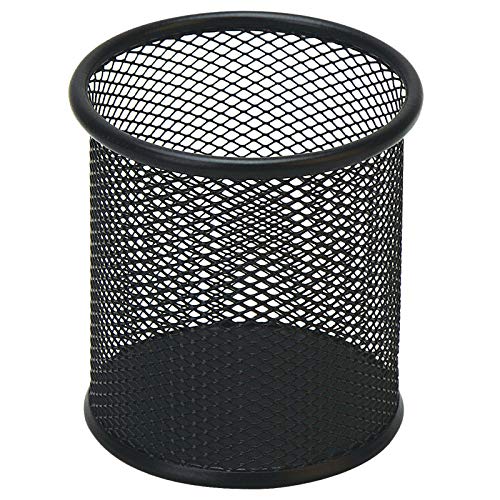
Quick Answer: If you’re sorting folders, magazines, or binders by category and want them standing upright where you can see every label at a glance, the Simple Houseware 5 Section Upright File Sorter (2-Pack) is the strongest all-around vertical file sorter because its five wide-set steel slots hold a full folder load per section without the dividers bowing, and it’s sold as a two-pack so you can double your slot count without buying a second listing. If you just need a simple, inexpensive way to keep documents standing instead of stacked flat, the Fellowes Desktop Organizer, 11 Sections gives you nearly twice the slots in a lightweight wire frame for a fraction of the price.


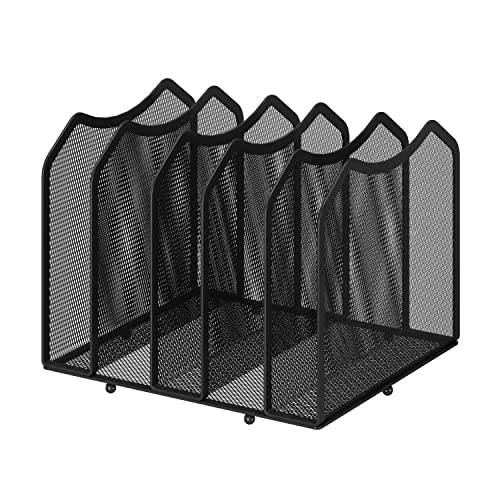

Search “vertical file sorter” on Amazon and the results don’t stay in one lane for long — true upright organizers with standing slots sit next to stacking paper trays, wall-mounted mail racks, and generic “desk organizer” bundles that store paper flat instead of on its edge. The 9 picks below were shortlisted specifically because each one keeps folders, binders, or magazines standing upright in individual slots, has a verified Amazon rating and review history, and clearly states its slot count and material rather than burying that detail in a generic bullet list.
Top Picks at a Glance
- Best Overall: Simple Houseware 5 Section Upright File Sorter (2-Pack) — wide steel slots and a stable base, sold in pairs so you can build a 10-slot setup from one order.
- Best Budget: Fellowes Desktop Organizer, 11 Sections — an 11-slot wire-frame organizer from a long-standing office brand at one of the lowest prices in this roundup.
- Best Rated: Delifox Inclined Desk File Organizer, Vertical File Folder Holder Stand — a five-slot, slightly inclined metal rack with one of the highest review scores in this comparison.
- Best for High-Volume Sorting: 9-Section Desk File Organizer, Vertical File Holder — nine mesh slots for buyers sorting by category rather than by a handful of workflow stages.
- Best Premium: SANRUI Acrylic Magazine Holder Desk Organizer, Clear 3 Slot — clear acrylic construction with wide slots built for magazines and thicker binders, not just thin folders.
- Best Wood/Bamboo: 5-Section Vertical File Organizer, Wood Base & Metal Mesh (Rustic Brown) — a wood-base, metal-mesh hybrid for a warmer desk look than an all-metal design.
- Best Compact: Gawerk 5-Section Vertical Desktop Organizer — a smaller-footprint mesh design for desks that can’t spare much horizontal space.
- Best Value: Simple Trending 5-Section Vertical File Organizer — five metal-mesh slots with a strong review history at a low per-slot price.
- Best Classic Mesh: Kuntine.B Desk File Organizer Upright Mesh Desktop Organizer — a straightforward five-slot mesh design with a large verified review base.
What a Vertical File Sorter Actually Is (and Isn’t)
A vertical file sorter is an open-frame organizer built from multiple standing slots or slats, sized so folders, magazines, binders, or loose documents rest on their edge — spine up or side up — instead of lying flat. That upright orientation is the entire point: you can scan a row of labels without lifting anything out, and thin categories don’t get buried under thicker ones the way they can in a stacked tray.
That’s a different job than what a stacking paper tray or a letter tray handles. Our best paper trays guide covers tiered, stacking units where loose letter or legal paper sits flat and gets moved between horizontal tiers as it works through an inbox-to-outbox flow — a genuinely horizontal storage pattern. Our best letter trays roundup covers a related but more premium category built around correspondence — flat, horizontal trays meant for incoming and outgoing mail on an executive desk rather than standing folders. This category solves a different problem than either one: it’s for documents, binders, or magazines you want standing on edge and visually separated by category, not paper you’re moving through workflow stages while it lies flat.
How Many Vertical Slots Do You Actually Need?
This is the question most people underthink when comparing a vertical file sorter, because it’s tempting to assume more slots is automatically better. In practice, slot count should match how many real categories you’re sorting, not the biggest number on the listing.
A three- to five-slot organizer, like the Gawerk or Simple Trending picks above, covers a basic setup — active projects, reference material, and a couple of client or subject categories. A six- to nine-slot design, like the 9-Section pick, makes more sense once you’re sorting by department, client, or subject rather than by a small handful of workflow stages, or if the unit is shared across a small team. Buying more slots than your actual categories just leaves empty space taking up vertical desk room, while too few slots forces you to cram unrelated folders together, which defeats the point of sorting them in the first place.
Slot Width — Folders vs. Binders vs. Magazines
Slot width varies more between vertical file sorter models than most listings make obvious, and it matters more than slot count for whether the piece actually fits what you’re storing. Narrower-slot designs, like the Kuntine.B and Simple Trending picks, are built around single manila folders or a modest stack of loose letter-size paper standing on edge — they’re not meant to hold a 3-inch binder or a stack of magazines in the same compartment. Wider-slot designs, like the SANRUI acrylic pick, are built with binders, magazines, and books in mind, with enough depth per slot that a single compartment can hold several thicker items without the whole row leaning.
Before buying, it’s worth matching slot width to what you’re actually sorting rather than assuming any slot fits any document type. If your categories are mostly thin folders, a narrower-slot option like the Gawerk or Delifox picks gives you more compartments in the same footprint. If you’re regularly storing binders or magazines, a wider-slot design avoids the leaning, gap-filled look that happens when thick items sit in slots sized for paper folders.
Material Trade-Offs — Mesh Metal, Plastic, and Wood/Bamboo
Material affects how a vertical file sorter holds up under daily loading more than most listings let on, since a fully loaded slot is heavier than it looks once folders or binders are standing upright and leaning against the dividers.
Mesh metal options, including the Delifox, 9-Section, Simple Trending, and Kuntine.B picks here, are the sturdiest under a full load and hold their slot shape well over years of daily use, though they can show surface wear in humid environments and weigh more to reposition. Plastic and wire-frame options, like the Fellowes pick, are the lightest and most affordable, and a well-designed wire frame can still hold a full slot without sagging, though thinner plastic dividers can flex under a consistently overloaded compartment. Wood/bamboo hybrids, like the Rustic Brown wood-and-mesh pick, bring a warmer look to a desk and tend to feel sturdier at the base than an all-plastic design, but they’re usually built with fewer, wider slots rather than a high slot count, and cost more per slot than a comparable mesh or plastic model.
If you’re buying mainly for how it looks on a minimal desk, a wood/bamboo hybrid or the acrylic pick tends to fit better visually than plain mesh. If you’re buying for daily heavy use across many categories, mesh metal is the material that holds its shape best under repeated loading and unloading.
Desktop vs. Shelf Placement
Most of the picks in this guide are sized to sit directly on a desk, which works well for a personal setup where you want your active categories within arm’s reach. A taller or wider vertical file sorter, like the 9-Section or SANRUI picks, can also work well off the desk — on a shelf, credenza, or shared filing surface — especially once slot count climbs past what comfortably fits next to a keyboard and monitor.
The general rule: if you’re reaching for a folder several times a day, keep it on the desk within easy reach. If it’s holding reference material or shared categories you access a few times a week rather than constantly, moving a larger unit to a shelf frees up desk space without making the contents any harder to find.
How We Evaluated These Vertical File Sorters
Every product on this list was checked against live Amazon listing data, including current customer star ratings, review volume, stated slot count, and manufacturer-listed material and dimensions. We prioritized options with a genuine standing-slot design — not stacking trays or wall racks mislabeled as vertical — along with a meaningful number of verified customer reviews, then grouped the results by material and use case so the picks span mesh metal, plastic/wire, wood/bamboo, and acrylic rather than nine near-identical metal designs. This evaluation is based on listing data and verified review patterns rather than in-person testing.
Common Mistakes to Avoid
- Buying a vertical file sorter with more slots than your real categories, which leaves unused vertical desk space.
- Choosing a narrow-slot design for binders or magazines, then finding they lean or won’t fit standing upright.
- Confusing this category with a stacking paper tray, which stores flat paper horizontally instead of on its edge.
- Picking the lightest plastic option for consistently overloaded slots, then finding the dividers flex or bow.
- Overlooking desktop footprint when a wider, higher-slot-count design would actually fit better on a shelf.
- Ignoring listed interior dimensions and assuming a slot fits legal-size folders when it’s sized for letter/A4 only.
Buying Checklist
- Match slot count to your real sorting categories, not the highest number on the listing.
- Confirm slot width fits your actual contents — thin folders vs. binders vs. magazines.
- Choose a material — mesh metal, plastic/wire, wood/bamboo, or acrylic — based on load and desired look.
- Check letter/A4 vs. legal-size compatibility using the listed interior dimensions.
- Decide between desktop and shelf placement based on how often you’ll reach for each category.
- Check the base footprint and divider stability if slots will regularly sit unevenly loaded.
Related Organization Guides
A vertical file sorter usually handles one piece of a larger desk organization system rather than the whole thing. If your real need is flat, stacking storage for loose letter or legal paper moving through workflow stages, our best paper trays guide is the closer fit. If you’re specifically organizing incoming and outgoing correspondence on a more formal desk, our best letter trays roundup covers that premium, horizontal-storage category instead. For smaller supplies like pens, paperclips, and sticky notes that don’t belong standing upright at all, our best desk organizers guide is a better match, and once documents are done moving through active sorting, our best filing cabinets guide covers longer-term storage for records you’re not actively working with.
FAQ
What is a vertical file sorter actually used for?
A vertical file sorter holds folders, binders, magazines, or documents standing upright in individual slots so you can see and access each category without lifting anything out. It’s built for active, category-based sorting rather than long-term flat storage.
How many slots do I need in a vertical file sorter?
Most single-desk setups are well served by three to five slots — enough to separate active projects and a couple of reference categories without leaving space empty. Buyers sorting by department, client, or subject usually do better with a six- to nine-slot design, or a shared unit placed on a shelf.
What’s the difference between a vertical file sorter and a paper tray?
A vertical file sorter keeps folders, binders, or documents standing on their edge in individual slots. A paper tray stores flat, loose letter or legal paper stacked horizontally in tiers. They solve related but different organizing problems.
Can it hold binders and magazines, or just folders?
It depends on slot width. Narrower-slot sorters are built around single folders or a modest stack of loose paper, while wider-slot options, like an acrylic or wood-base design, are built with binders and magazines in mind and won’t leave thicker items leaning or half-supported.
Are mesh metal or plastic vertical file sorters sturdier?
Mesh metal designs generally hold their slot shape better under a consistently full load and tend to last longer with daily use. A well-built plastic or wire-frame option is lighter and more affordable, and can still handle regular office use without sagging if it isn’t consistently overloaded.
Should it sit on the desk or a shelf?
If you reach for a category several times a day, keep it on the desk. If it holds reference material or shared categories you access less often, moving a larger vertical file sorter to a shelf or credenza frees up desk space without losing easy access.
Do these fit legal-size folders, or just letter/A4?
It depends on the specific listing. Many of the vertical file sorters in this guide are sized for letter and A4 folders. If you regularly work with legal-size documents, check the listed interior dimensions before buying, since a legal folder won’t stand flush in a letter-only slot.
What’s the difference between a vertical file sorter and a letter tray?
A vertical file sorter stores folders, binders, or documents standing upright in slots. A letter tray is a flat, horizontal tray built around correspondence — incoming and outgoing mail — on a more formal or executive desk. Both organize paper, but in opposite orientations and for different document types.