
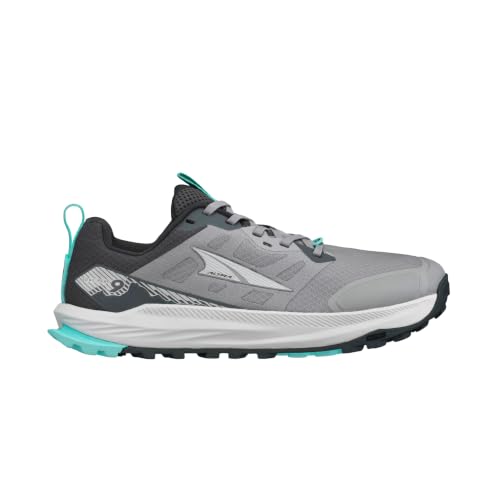
Navigating uneven mountain paths and muddy forest routes requires specialized footwear that standard road sneakers cannot provide. The Best Trail Running Shoes for Women deliver essential stability, aggressive lug traction, and impact protection across changing wilderness terrain. Choosing the right pair prevents common trail injuries and keeps your strides confident on steep technical descents.
In this updated September 2026 guide, we analyze 6 outstanding options from leading outdoor brands like ALTRA, New Balance, Brooks and more. Runners often struggle to balance soft underfoot cushioning with the trail sensitivity needed to navigate sharp rocks safely. You can also explore our advice on maintaining an active first aid kit before heading out on remote wilderness routes.
Our curated breakdown helps you determine whether maximum foam stacks, zero-drop footbeds, or reinforced rock plates suit your specific outdoor running goals. We evaluate upper breathability, outsole rubber compounds, and lockdown systems so you can make an informed choice. Read on to discover which trail shoes will elevate your performance and protect your feet on every singletrack run.




Outsole Lug Depth and Rubber Grip
The grip of a trail shoe depends entirely on the formulation of its rubber outsole and the depth of its lugs. Shallow lugs measuring two to three millimeters work best on packed dirt and gravel paths where excessive tread creates unnecessary drag. Deeper lugs ranging from four to six millimeters provide aggressive traction across soft mud, wet grass, and loose scree.
Sticky rubber compounds such as Vibram Megagrip excel at clinging to slick granite boulders and damp river crossings. Firmer rubber blends offer enhanced resistance against abrasive terrain but sacrifice a slight amount of wet weather friction. Matching the tread profile to your regular local trail conditions ensures you maintain solid footing without packing heavy mud between lugs.
A smart rule of thumb is to choose multi-directional perimeter lugs if you frequently run switchbacks and steep descents. These perimeter configurations bite into sloping ground during sharp lateral turns and braking motions. Avoid taking deep five millimeter lugs onto asphalt connectors because hard pavement quickly wears down the specialized rubber edges.
Midsole Cushioning and Foam Compounds
Cushioning technology dictates how effectively your joints are shielded from repetitive downward impacts over long trail miles. Modern trail shoes utilize premium nitrogen-infused foams, dual-density EVA mixes, or proprietary responsive compounds to dampen trail vibration. Minimalist cushions offer direct ground feel, while maximalist foam stacks protect legs during ultramarathon distances.
Dual-density setups place plush foam directly under the footbed for comfort while utilizing firmer base layers for lateral stability. Softer compounds feel luxurious on flat stretches but can compress excessively when landing on jagged rocks or angled tree roots. Firmer foams provide consistent energy return and prevent you from bottoming out on hard-packed soil.
Look for shoes that balance shock attenuation with torsional rigidity to prevent foot fatigue during technical hill climbs. If you run long distances exceeding fifteen miles per outing, high-stack midsoles significantly reduce post-run soreness in your calves and knees. Shorter tempo runs through rocky singletracks benefit more from moderate, responsive foam that allows quick foot placement adjustments.
Heel-to-Toe Drop and Foot Mechanics
Heel-to-toe drop refers to the elevation difference between your heel and forefoot inside the shoe midsole. Traditional running shoes typically feature an eight to ten millimeter offset that favors runners who land heavily on their heels. Lower drops between zero and four millimeters encourage a natural midfoot or forefoot strike pattern on uneven ground.
Zero-drop designs position the heel and forefoot at identical heights from the ground to promote balanced posture and tendon engagement. Transitioning to zero-drop footwear requires an adaptation phase to allow Achilles tendons and calf muscles to stretch comfortably. Higher drops take pressure off the lower leg tendons by shifting braking forces upward toward your quadriceps.
When selecting your offset, evaluate your personal injury history and your preferred running mechanics on steep trail inclines. Runners prone to plantar fasciitis or Achilles tightness often perform best with moderate drops between four and six millimeters. If you spend significant time managing home fitness spaces, check our guide on how to clean and care for high traffic equipment to keep your gear area fresh.
Toe Box Width and Natural Splay
The shape of the forefoot region dictates how freely your toes can spread out during landing and toe-off. Standard tapered toe boxes squeeze your outer toes inward, which increases friction and raises the risk of painful blisters. Wide or foot-shaped toe boxes provide ample room for natural toe splay, enhancing balance across loose rocks.
Natural toe splay acts as a built-in stabilization system when your foot adapts to unpredictable trail contours. As your mileage increases on warm days, your feet naturally swell and require extra interior volume to prevent black toenails. Selecting a shoe with a roomy forefoot ensures comfortable room without causing your heel to slip out of the rear collar.
A reliable test for adequate toe room is maintaining a thumb-width of space between your longest toe and the shoe tip. Make sure the midfoot wraps securely so your foot does not slide forward into the front wall on steep downhill sections. Wide toe boxes paired with locked-in midfoot saddles offer the ideal combination of comfort and technical security.
Upper Durability and Protective Overlays
Trail uppers face constant abrasion from coarse brush, jagged shale, exposed roots, and gritty trail sand. Manufacturers reinforce breathable engineered mesh with polyurethane overlays and durable toe caps to guard against direct impacts. Reinforced toe bumpers protect your delicate toenails when you accidentally kick hidden rocks along dusty singletracks.
Denser woven fabrics prevent fine dust and gravel particles from penetrating through the upper into your socks. However, extremely thick uppers can trap internal moisture and reduce flexibility around your natural foot flex points. Premium shoes feature strategically placed flex zones that allow comfortable movement while keeping protective randing intact around the perimeter.
Inspect the stitching and bonded overlays around the lower perimeter where upper fabric joins the midsole. Seamless welded overlays resist peeling better than stitched seams when scraped repeatedly against sharp granite surfaces. Choosing a reinforced upper prolongs the lifespan of your footwear significantly through tough backcountry conditions.
| Feature Focus | Typical Specification | Best Terrain Application | Key Performance Benefit |
|---|---|---|---|
| Lug Depth | 2mm to 6mm | Mud, Scree, and Soft Dirt | Prevents Slipping on Loose Ground |
| Heel Drop | 0mm to 10mm | Technical Mountain Singletrack | Promotes Natural Biomechanical Stride |
| Midsole Foam | EVA and Nitrogen Foams | Rocky Long Distance Trails | Absorbs High Impact and Joint Shock |
| Rock Plate | Composite TPU Insert | Sharp Granite and Limestone | Shields Forefoot from Stone Bruises |
Rock Plates and Underfoot Protection
Rock plates are flexible plastic or composite inserts embedded inside the midsole to deflect sharp trail hazards. Without adequate underfoot shielding, stepping directly on pointed rocks can cause painful stone bruises that sideline your training. These protective shields distribute localized pressure across a broader surface area without completely eliminating trail sensitivity.
Segmented rock plates offer targeted protection beneath the forefoot while preserving natural foot flexibility during uphill ascents. Full-length plates provide total underfoot armor for rocky mountain trails but make the shoe stiffer through the transition phase. Highly cushioned maximalist shoes often omit traditional rock plates because their thick foam stacks naturally absorb sharp impacts.
Evaluate the primary terrain you run before deciding whether a dedicated rock plate is mandatory for your training. For smooth dirt trails and crushed gravel tracks, lightweight shoes without rock plates offer a lighter and more nimble ride. If you frequent rocky ridge lines and sharp limestone paths, a built-in protective plate is well worth the slight weight addition.
Breathability versus Weatherproofing
Outdoor runners must decide between open breathable mesh uppers and waterproof barrier membranes such as eVent or Gore-Tex. Breathable mesh shoes allow sweat vapor to escape rapidly and dry quickly after running through shallow creek crossings. Waterproof shoes excel in cold rain, wet snow, and muddy winter runs by blocking external moisture entirely.
Waterproof liners keep your feet dry in damp grass, but they also prevent water from draining once liquid splashes over the shoe collar. Once water enters a waterproof shoe, it remains trapped inside, causing excess weight and skin softening. Open mesh designs allow water to pump out with each stride, drying rapidly through natural air circulation.
Opt for non-waterproof mesh if you run primarily in warm climates or areas with unavoidable deep river crossings. Reserve weatherproof boots and water-resistant shoes for freezing temperatures where keeping chilly moisture out protects your toes from frostbite. Pairing breathable trail runners with merino wool socks provides exceptional thermal regulation and blister prevention across mild seasons.
Heel Lock and Lacing Security
A secure lockdown system holds your heel firmly inside the rear cup and prevents your foot from shifting forward. Traditional lace-up systems allow customized tension adjustments across the top of your foot using different eyelet configurations. Gusseted tongues prevent the tongue from slipping sideways while blocking sand, twigs, and loose dirt from entering the interior.
Slipping heels create severe friction that leads directly to painful blisters on your Achilles and heel base. Utilizing the extra runner eyelet at the top of the collar creates a heel-lock knot that anchors your ankle securely. Padded heel collars and contoured heel counters cradle your calcaneus bone to maintain stability on aggressive downhill turns.
When tying your laces, ensure the midfoot fits snugly like a secure hug without cutting off your dorsal blood circulation. Elastic lacing features or lace garages keep loose ends tucked away so they do not snag on passing trail branches. Taking time to dial in your lacing tension ensures confident foot placement across technical switchbacks.
Weight versus Cushioning Balance
The overall weight of your footwear plays a substantial role in your running efficiency and overall fatigue levels. Lighter shoes weighing under nine ounces feel nimble and fast on smooth dirt paths and short race courses. Heavier shoes exceeding eleven ounces usually provide thicker protective cushioning, deeper outsole lugs, and reinforced upper rands.
Carrying extra weight on your feet consumes significantly more metabolic energy over a twenty-mile mountain journey. However, sacrificing too much cushioning on rugged terrain transfers severe shock loads to your joints, accelerating muscular breakdown. The best modern trail runners utilize lightweight supercritical foams to achieve plush underfoot comfort without adding bulky weight.
Choose your shoe weight based on your target distance, personal body mechanics, and the roughness of the trail surface. Ultralight trail runners work exceptionally well for fast training sessions and experienced runners with strong foot stabilizer muscles. For multi-hour adventures and rugged wilderness exploration, the extra protection of a moderately weighted shoe is the safer investment.
Why You Should Trust Us
Our review methodology centers on rigorous technical analysis, objective spec comparisons, and real-world trail performance metrics. We evaluate footwear architecture by examining lug geometry, midsole foam densities, upper tear resistance, and anatomical footbed profiles. We prioritize unbiased data over marketing hype to help you select footwear that genuinely supports your off-road running goals.
We continuously track material innovations across major outdoor running brands to ensure our footwear recommendations reflect the latest advancements. Each model in our guide is evaluated across critical performance criteria, including wet-surface grip, toe protection, and long-term durability. We also reference reliable workspace guides like our solid butcher block setup guide when building dedicated athletic gear stations.
By maintaining absolute editorial independence, we provide transparent assessments of where each shoe excels and where it has limitations. Our team updates these guides regularly as brands release updated foam compounds and traction patterns across changing seasons. You receive accurate, objective information designed to help you conquer trails safely and comfortably.
Final Thoughts
Finding the ideal pair of trail shoes depends on your typical running terrain, distance preferences, and biomechanical needs. For maximum plush comfort and ultra-distance protection, we recommend the Brooks Women’s Caldera 8 Ultra Trail Running Shoe with its nitrogen-infused midsole. Its wide base and protective raised sidewalls offer incredible security when navigating long mountain routes over rocks and roots.
Runners who prefer natural foot mechanics and a spacious toe box should choose the ALTRA Women’s Lone Peak 9 Trail Running Shoe. Its zero-drop geometry and grippy DuraTread outsole deliver exceptional balance on technical ascents. For budget-conscious trail runners seeking dependable shock absorption, the ASICS Women’s Gel-Venture 11 Running Shoes, 9 provides outstanding entry-level value with rearfoot gel cushioning.
If you need elite grip across slick wet granite, the New Balance Women’s Fresh Foam X Hierro V9 Trail excels with its Vibram Megagrip compound. Check your local trails, assess your cushioning requirements, and select the footwear that matches your outdoor journey. You can also explore our article on coordinating team events and schedules for planning your group outdoor activities.
FAQs
What makes the Best Trail Running Shoes for Women different from road running shoes in 2026?
Trail running shoes feature aggressive rubber outsoles with multi-directional lugs designed to grip loose dirt, mud, and slick rocks. They also incorporate durable uppers with reinforced toe caps and stiffer midsoles to protect your feet from jagged obstacles. Road shoes focus on smooth pavement traction and lightweight flexibility rather than rugged durability.
How should trail running shoes fit compared to regular everyday sneakers?
Trail shoes should fit snugly around the heel and midfoot to prevent internal sliding during steep descents. You should maintain roughly a thumb-width of space between your longest toe and the front bumper to accommodate natural foot swelling. A roomy toe box allows natural toe splay, which significantly improves your balance on uneven surfaces.
Are waterproof trail running shoes better than breathable mesh shoes?
Waterproof shoes are ideal for freezing temperatures, wet snow, and cold rainy runs where external moisture needs to stay out. However, breathable mesh shoes dry much faster if water splashes over the ankle collar during deep creek crossings. In warm climates, open mesh provides superior ventilation and prevents excessive sweat buildup inside the shoe.
How many miles can I run in a pair of trail running shoes before replacing them?
Most quality trail running shoes last between three hundred and five hundred miles depending on trail roughness and runner weight. Outsole lugs on rocky paths tend to wear down faster than the interior midsole foam compounds. You should replace your shoes when the tread loses its sharp traction edges or when the midsole feels compressed and dead.
What is the advantage of zero-drop trail running shoes?
Zero-drop trail shoes position your heel and forefoot at equal heights from the ground to encourage a balanced midfoot strike. This alignment promotes natural body posture and allows your Achilles tendon and calf muscles to load and release elastic energy efficiently. It also enhances stability over loose terrain by keeping your center of gravity close to the ground.
Do I need a rock plate in my trail shoes for ordinary forest paths?
Smooth forest paths with soft soil and light pine needles do not require a dedicated rigid rock plate. Thick midsole foam stacks often provide sufficient shock absorption to protect your feet from occasional small roots. Rock plates become essential on technical mountain trails covered with sharp limestone, loose shale, or jagged granite rocks.
How do I prevent black toenails and blisters when running downhill?
Preventing downhill foot trauma requires securing your heel using a runner knot or heel-lock lacing technique. This prevents your foot from sliding forward and slamming your toes against the front of the shoe bumper. Wearing moisture-wicking anti-friction socks made from synthetic blends or merino wool also prevents blister formation.
Can I use trail running shoes for everyday hiking and walking?
Trail running shoes serve as excellent lightweight alternatives to heavy traditional hiking boots on most recreational trails. They offer superior breathability, flexible comfort, and dependable traction on both steep climbs and flat forest loops. Many long-distance thru-hikers prefer trail runners because they reduce leg fatigue and dry rapidly after rain.
How should I clean and care for my trail running shoes after a muddy outing?
Remove the insoles and knock off dried surface mud by clapping the shoes together outdoors after your run. Wash the uppers gently with lukewarm water and a soft nylon brush, avoiding harsh laundry detergents that break down adhesives. Never place your trail shoes in a hot machine dryer because excessive heat degrades the midsole foam and rubber bonds.
Why is wide toe box construction so popular among trail runners?
A wide toe box gives your toes adequate room to splay naturally upon impact, which creates a broader and more stable base. This natural splay prevents your toes from pinching together, reducing blister risk and preventing painful nerve compression. It also helps your foot adjust quickly to uneven rocks and steep side-slopes.