Searching for the best red light therapy devices on Amazon usually turns into a wall of near-identical panels, wands, and face masks, all listing the same handful of wavelength numbers and LED counts without much explanation of what actually separates one from another. The category has grown quickly as more people build a small wellness routine into their day at home or at a desk, and the real challenge isn’t finding a red light therapy device — it’s figuring out which combination of wavelength, panel size, and treatment format actually fits how and where you plan to use it.
Quick Answer: For most home offices and general at-desk use, the Hooga Red Light Therapy Panel Device – PRO300 is a well-reviewed, mid-size red light therapy device that pairs 660nm red and 850nm near-infrared LEDs with a built-in timer and stand, making it a reasonable all-around starting point. If budget is the priority, the Viconor Red Light Therapy Panel covers a similar core wavelength range for a fraction of the cost, while anyone who wants a larger, full-body-capable panel with adjustable brightness should look at the Hooga ULTRA360 covered further down. None of the devices in this guide are marketed as medical equipment — they’re consumer wellness products designed for general at-home light exposure, not a treatment for any diagnosed condition.



Top Picks at a Glance
- Best Overall: Hooga Red Light Therapy Panel Device – PRO300
- Best Budget: Viconor Red Light Therapy for Face and Body
- Best Premium / Full-Body Panel: Hooga Red Light Therapy Panel Device – ULTRA360
- Best for Face & Portability: BestQool Red Light Therapy Panel for Face, 50W
- Best Handheld Wand: BONTANNY Portable Red Light Therapy, BO-60
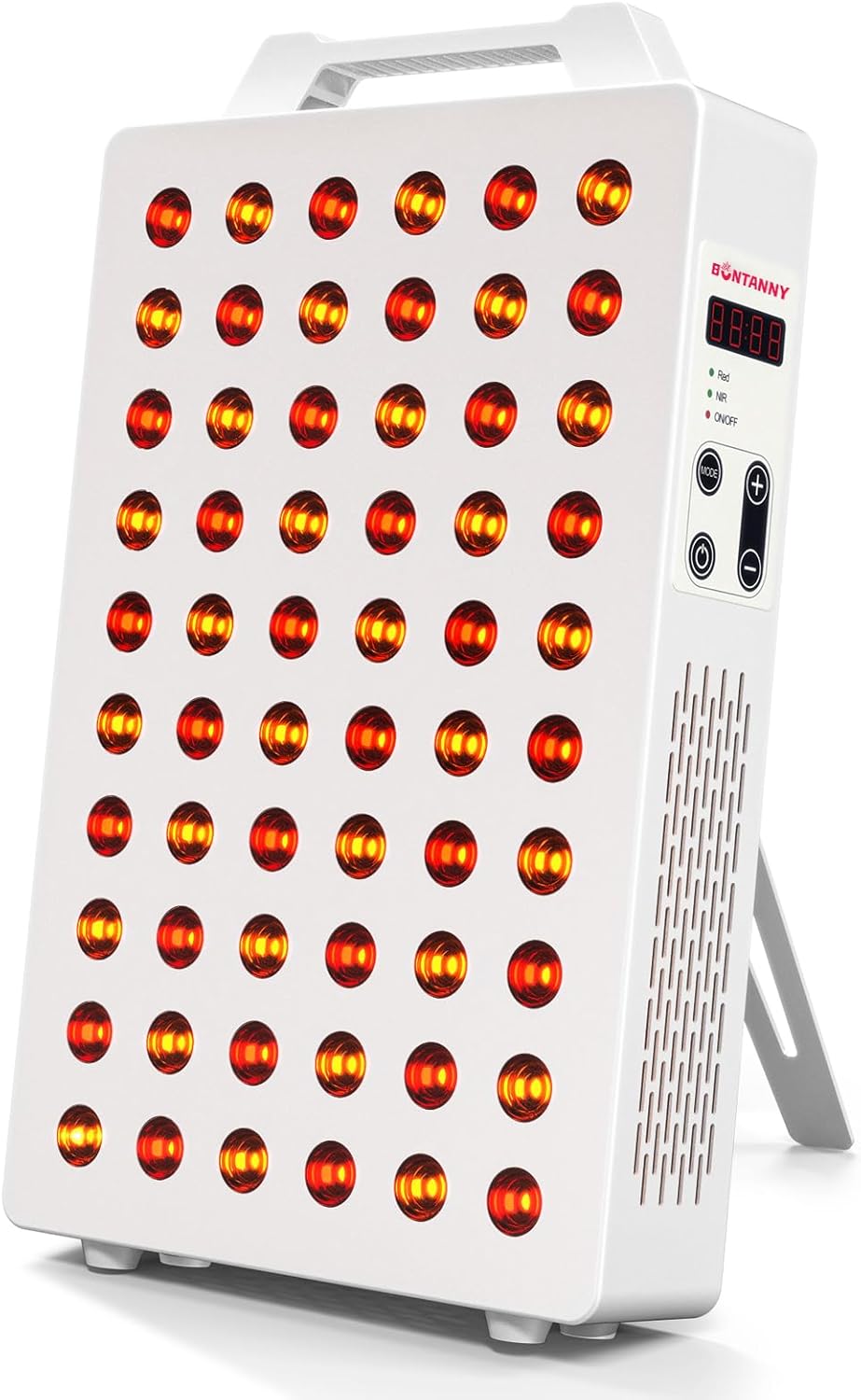
- Best Multi-Wavelength Panel: BONTANNY Red Light Therapy, 5 Wavelengths, BO-300
- Best for a Home Office Wellness Corner: Hooga HG300 Red Light Therapy Panel
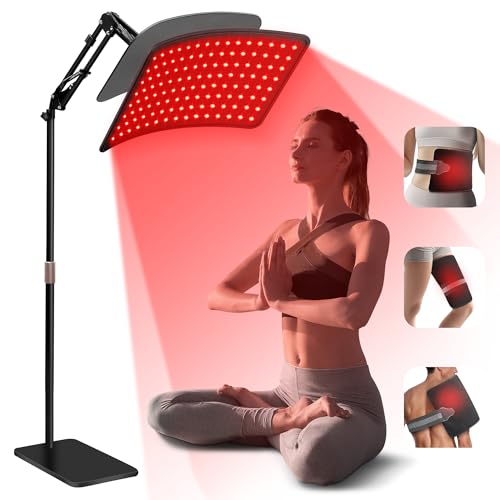
- Best 2-in-1 Detachable Design: INTEO Red Light Therapy Panel with Stand
What Red Light Therapy Devices Actually Are
A red light therapy device is a consumer LED product that emits concentrated red and/or near-infrared light at specific wavelengths, usually through a standing panel, a smaller handheld wand, or a face-sized mask. These devices are marketed for general at-home wellness use, and they’re commonly used by consumers who want a few minutes of light exposure built into a daily routine — at a desk, in a bedroom, or in a dedicated wellness corner. It’s worth being direct about this up front: none of these devices covered in this guide are medical products, and none are marketed as a treatment, cure, or guaranteed fix for any health condition. If you have a specific medical concern, that’s a conversation for a healthcare provider, not a shopping guide. What we can compare, based on real, current Amazon listing data, is how these devices differ in wavelength, panel size, coverage area, treatment format, and the practical features — timers, stands, remote controls — that make one easier to live with than another.
Understanding Wavelength — Red Light vs. Near-Infrared
Every red light therapy device on the market is built around one core spec: wavelength, measured in nanometers (nm). Visible red light typically falls in the 630-660nm range, while near-infrared (NIR) light — which isn’t visible to the eye — usually sits between 810nm and 850nm. Most of the panels in this guide combine both ranges in a single unit, often using dual-chip or quad-chip LEDs that emit red and near-infrared light from the same diode cluster. A few picks here, like the BONTANNY 5-wavelength panel, add extra bands (630nm, 660nm, 810nm, 830nm, and 850nm) to widen the spread even further. There isn’t a firm consensus on whether more wavelength bands automatically makes a panel “better” — it mostly comes down to what kind of light exposure you’re looking for, since red light is generally associated with more surface-level use and near-infrared is generally associated with reaching slightly deeper. If you’re new to the category, a standard 660nm/850nm combination, like the one on the Hooga PRO300 or HG300, covers the two most common wavelength targets without added complexity.
Panel Size, Coverage Area, and Irradiance — Matching the Device to Your Space
Red light therapy devices range from palm-sized handheld wands to panels large enough to face most of a standing adult at once. LED count is the simplest available proxy for both power output and coverage area — the Hooga PRO300 above uses 60 dual-chip LEDs, while the larger Hooga ULTRA360 steps up to 72 quad-chip LEDs across a wider panel, and the compact BestQool face panel drops down to a smaller footprint built for close-range, targeted use rather than full-body coverage. Irradiance, often listed in mW/cm² at a stated distance, is the more precise spec for comparing output, but not every listing states it clearly, so LED count and panel wattage remain the more consistent numbers to compare across different listings in this category. For anyone setting up a red light therapy device in a home office wellness corner rather than a dedicated room, a mid-size panel that can sit on a desk, shelf, or adjustable stand — rather than one built for whole-room or full-body use — is usually the more realistic fit. Larger panels like the ULTRA360 are worth the added footprint if you want to cover a wider area in a single session, but they do take up noticeably more desk or floor space than a compact device.
Treatment Area — Face Masks vs. Handheld Wands vs. Full-Body Panels
The right red light therapy device depends heavily on where and how you plan to use it. Full-size panels, like most of the picks in this guide, mount on an adjustable stand and are designed to face a seated or standing person from a set distance, which makes them a natural fit for a home office corner where the panel can stay set up between sessions. Handheld wands, like the BONTANNY BO-60, trade panel size for portability — they’re built to be held directly against a smaller area like a shoulder, wrist, or knee, and they’re rechargeable and compact enough to travel with. Face-specific panels, like the BestQool 50W pick, are sized and positioned for closer, more targeted use on the face and neck rather than the whole body. None of these formats is universally the better choice — a full panel covers more area per session, a handheld wand offers more control over exact placement, and a face-sized panel is easier to fit at a desk without needing much clearance. If you’re not sure which format fits your routine, matching the device to the specific area you actually want to target is a more reliable starting point than defaulting to the largest panel available.
Timer Functions, Controls, and What to Check Before Buying
Most red light therapy devices in this price range include some form of built-in timer or auto shut-off, which is worth checking for regardless of which pick you land on — it removes the need to track session length manually and reduces the chance of leaving a panel running unattended. Several picks here, including the BONTANNY BO-300 and BO-60, add a remote control and adjustable brightness or pulse modes, which let you change intensity without standing up to touch the panel directly. Protective eyewear is included with several listings and is worth using given how bright these panels are at close range, even though it functions as a comfort accessory rather than a mandatory safety step for every use case. Beyond controls, check the listing for any stated certifications or compliance markings if that matters to your purchase decision — this varies by brand and isn’t something to assume just because a panel looks similar to a more established model.
How We Evaluated These Red Light Therapy Devices
We compared each pick using criteria pulled directly from current Amazon listing data rather than assumed specs: the stated wavelength combination (red-only, or red plus near-infrared), LED count and panel wattage as a proxy for coverage and power output, the treatment format (full panel, handheld wand, or face-sized panel), included accessories like a stand, remote, or protective goggles, timer and pulse-mode functionality, and review volume alongside star rating as a signal of real-world reliability. We did not treat the highest-wattage or largest panel as automatically the best choice for every situation, since a compact panel or handheld wand is a genuinely better practical fit for plenty of home office setups than a large full-body unit would be.
Common Mistakes When Buying a Red Light Therapy Device
- Assuming more wavelengths always means a better device: A standard 660nm/850nm combination covers most general wellness use; extra bands add options but aren’t automatically an upgrade for every buyer.
- Ignoring how much coverage area you actually need: A large full-body panel is wasted space and budget if your real use case is a face-sized or targeted area.
- Comparing price without checking LED count or wattage: Two similarly priced red light therapy devices can differ significantly in power output and coverage.
- Buying a full panel when a handheld wand would fit better: Portability and precise placement matter more than panel size for some routines, especially targeted, smaller-area use.
- Overlooking timer and control features: A built-in timer or auto shut-off is a practical convenience that’s easy to miss when comparing listings on price alone.
- Treating marketing language as a medical claim: These are consumer wellness products, not treatments — read listings with that distinction in mind rather than expecting guaranteed results.
Red Light Therapy Device Buying Checklist
- Decide whether you want a full panel, a handheld wand, or a face-sized mask based on your intended use area.
- Check the stated wavelength combination — 660nm red and 850nm near-infrared cover the two most common targets.
- Compare LED count and panel wattage as a practical proxy for power output and coverage area.
- Look for a built-in timer or auto shut-off feature for easier, hands-off sessions.
- Check for included accessories like an adjustable stand, remote control, or protective eyewear.
- Read recent buyer reviews and review volume for the specific listing, not just the brand name.
- Measure the space where the panel will sit or stand before buying a large unit.
- Set realistic expectations — these are general wellness products, not medical devices.
Setting Up a Red Light Therapy Device in a Home Office Wellness Corner
A red light therapy device doesn’t need a dedicated room to be useful — a corner of a home office with a bit of floor or desk clearance is usually enough for a mid-size panel on its stand, and a handheld wand or face-sized panel needs even less space. If you’re already thinking about a broader home office wellness setup, it pairs naturally with a few other categories on this site. Our guide to chair back supports covers posture and lumbar cushions for the hours you spend seated, while standing desk balance boards and under desk ellipticals add light movement to an otherwise stationary workday. If general desk lighting is also on your list, our best desk lamps guide covers everyday task lighting, which is a separate category from wellness light exposure but often gets shopped for around the same time when someone is refreshing their desk setup. None of these additions require a full office overhaul — a panel on an adjustable stand, tucked into an existing corner, is usually enough to make it a realistic part of a daily routine rather than another appliance that ends up in a closet.
FAQ
What’s the difference between red light and near-infrared light in these devices?
Red light typically falls in the 630-660nm range and is visible to the eye, while near-infrared (NIR) light sits around 810-850nm and isn’t visible. Most red light therapy devices combine both ranges in a single panel, though some, like the BONTANNY 5-wavelength pick, add additional bands.
How do I know what size red light therapy device I need?
It depends on your intended use area. A full-size panel suits general full-body or seated use from a set distance, a face-sized panel suits closer, more targeted sessions, and a handheld wand suits smaller, specific areas like a shoulder or knee.
Is a handheld wand or a full panel a better red light therapy device?
Neither is universally better — a full panel covers more area per session and works well for a fixed setup in a home office corner, while a handheld wand offers portability and precise placement for targeted use.
Do red light therapy devices need a timer or other safety features?
Most listings in this price range include a built-in timer or auto shut-off, and several include protective eyewear as an accessory. These are convenience and comfort features rather than a substitute for reading the manufacturer’s stated guidance for a specific device.
How much should a reliable red light therapy device cost?
Based on current Amazon listings, reliable options range from roughly $60 for a compact panel to several hundred dollars for a larger, full-body-capable panel with more LEDs and additional wavelength bands. Price generally tracks LED count, panel size, and included accessories.
Are red light therapy devices reasonable to use at a desk daily?
Many people do fit a short daily session into a desk or home-office routine using a compact panel or handheld device. These remain general wellness products rather than medical devices, so following the specific manufacturer’s instructions for session length and distance is the more reliable approach than assuming one routine fits every device.
Choosing among the best red light therapy devices comes down to matching wavelength, panel size, and treatment format to how and where you’ll actually use it, rather than defaulting to the largest or most expensive panel available. Get the format right — full panel, face mask, or handheld wand — and the rest of the decision, from LED count to timer features, becomes a much shorter list to compare.