

Riding on underinflated tires increases rolling resistance, robs your pedaling efficiency, and raises your risk of pinch flats on rough roads. Having reliable inflation equipment at home makes regular pre-ride maintenance simple and effortless for every cyclist.
In September 2026, we evaluated 5 top options across Topeak, CYCPLUS, BV and more to determine the Best Manual Bicycle Tire Pumps available today. Cyclists often struggle to balance high volume airflow with high pressure stability across different valve types.
This guide breaks down the essential mechanical factors to consider before you invest in your next inflation tool. For more advice on vehicle gear and outdoor transport accessories, explore our automotive and vehicle maintenance guides.

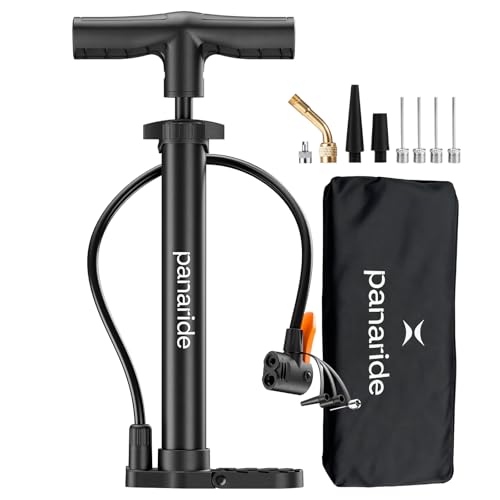


Maximum Pressure Rating and PSI Range
A pump maximum pressure capacity dictates which types of bicycles it can service without straining internal seals. Road bike tires often demand pressures between 80 and 120 PSI, whereas mountain bike tires require lower pressure around 25 to 35 PSI.
Floor pumps engineered for 160 PSI deliver sufficient mechanical leverage to reach high pressure targets without exhausting the user. Handheld emergency inflators usually cap out around 100 to 120 PSI due to their shorter stroke lengths and compact internal cylinders.
Always check the recommended inflation rating stamped on the sidewall of your tire before selecting a pump. Choosing a model that exceeds your tire requirement by at least 20 PSI ensures effortless pumping near target pressures.
Valve Head Compatibility and Connection Styles
Modern bicycles utilize either skinny Presta valves or wider automotive style Schrader valves on their inner tubes. Selecting a pump head that accommodates both styles without loose adapter pieces prevents frustration during roadside repairs or pre-ride checks.
TwinHead and smart valve systems automatically adjust or provide dual ports for instant attachment to any valve stem. Thread-on connectors provide an airtight seal but risk unscrewing removable valve cores if not detached carefully after inflation.
Look for locking lever mechanisms constructed from reinforced composite or alloy to prevent air slippage under heavy pressure. A secure valve lock saves significant time and prevents premature wear on delicate brass valve stems.
Pressure Gauge Accuracy and Readability
Dial gauges allow you to monitor air pressure accurately while pumping, avoiding dangerous overinflation blowouts on lightweight tires. Oversized 3-inch analog gauges placed near the base or top of the barrel provide immediate visual feedback from a standing position.
Digital gauges deliver pinpoint precision within one PSI, which is particularly beneficial for tubeless setups and sensitive gravel setups. Analog dials remain popular for their mechanical reliability and battery-free operation during wet outdoor conditions.
If you regularly ride on low-pressure gravel or cyclocross courses, choose a gauge with wide increments in the lower range. Clear contrast between numbers and indicator needles prevents misreading critical tire pressure specifications.
Barrel Volume Versus High-Pressure Stroke Efficiency
The internal diameter of a pump barrel determines the air volume delivered per downstroke into the tire cavity. Wide barrel designs push large amounts of air rapidly, making them ideal for high-volume mountain bike and fat-tire setups.
Narrow barrel designs reduce the physical resistance felt when compressing air above 100 PSI for high-performance road bikes. Trying to inflate a high-pressure road tire with an ultra-wide barrel requires significant upper body strength during the final strokes.
Match your primary riding discipline to the cylinder volume to ensure efficient inflation without upper body fatigue. Cyclists with mixed fleets often benefit from a balanced medium-diameter steel barrel that handles both volume and pressure gracefully.
Base Stability and Foot Plate Architecture
A stable base prevents the pump from rocking or tipping sideways while you push downward on the main handle. Wide steel or cast iron footplates provide a firm platform for your shoes during vigorous pumping sessions in the garage.
Compact plastic bases save overall weight for travel but can flex unsteadily under heavy downward mechanical force. Textured grip pads or wide wing platforms offer enhanced traction when pumping on smooth concrete or damp workshop surfaces.
Step firmly on both sides of the footplate to anchor the cylinder vertically while maintaining steady stroke cadence. A sturdy base reduces lateral strain on internal piston rods, extending the working lifespan of the entire pump assembly.
Hose Length, Storage Clips, and Flexibility
Long flexible hoses allow you to reach bicycle valves regardless of whether the bike rests on the ground or in a repair stand. An extra-long hose measuring over 35 inches eliminates the need to lift or reposition the bicycle to align valve stems.
Swivel connections that rotate 360 degrees prevent kinks in the rubber line and protect the valve stem from lateral stress. Integrated hose docks keep the tube securely fastened to the pump body when stored in your home or vehicle trunk.
Inspect hose materials for thick rubber reinforcement that resists cracking when exposed to fluctuating garage temperatures. For tips on organizing your home storage space and workshop gear, see our comprehensive buying guides.
Handle Ergonomics and Grip Materials
Pumping up multiple tires to high pressures places repetitive stress on your palms and wrist joints. Ergonomically contoured handles distribute pressure evenly across your hands, preventing blisters and muscle fatigue during routine maintenance.
Oversized padded grips with dual-density rubber or textured elastomer coatings improve control even when your hands are sweaty. Winged handle shapes allow you to use your body weight efficiently rather than relying solely on arm strength.
Check that the handle attaches securely to the main piston rod with heavy-duty metal hardware to prevent handle wobble. A rigid handle connection ensures that all applied downward force transfers directly into air compression within the barrel.
Build Materials and Cylinder Seal Durability
The structural integrity of the pump cylinder determines how well it withstands drops, impacts, and high internal heat buildup. Heavy-gauge steel and anodized aluminum barrels resist denting far better than lightweight plastic barrels over years of use.
Internal piston seals, usually made from durable synthetic O-rings or treated leather washers, require occasional lubrication to stay airtight. Metal barrels dissipate heat generated by friction during rapid pumping sessions, preventing premature degradation of internal rubber seals.
Invest in models featuring serviceable internal components that can be unscrewed, cleaned, and re-greased when necessary. Replaceable O-rings and rebuildable valve heads ensure your pump remains fully functional for decades rather than ending up in a landfill.
Multi-Purpose Inflation Adapters and Versatility
High quality manual pumps frequently include auxiliary needles and tapered cones stored directly on the frame for convenient access. These accessories allow you to inflate sports balls, pool floats, air mattresses, and baby stroller tires without buying dedicated inflators.
Having dedicated storage clips on the barrel keeps small brass inflation needles from getting lost inside toolboxes. Verifying the fit on specialized stroller valves is essential for families who need an all-around utility pump at home.
Ensure that auxiliary adapters lock tightly into the main valve head without hissing or leaking pressurized air. Multi-functional utility makes a high-performance bicycle pump an indispensable addition to any family garage or utility room.
| Pump Type | Target Pressure Range | Best Bike Category | Portability Level | Primary Advantage |
|---|---|---|---|---|
| High-Pressure Floor Pump | 120 to 160 PSI | Road & Commuter Bikes | Garage / Home Use | Effortless High PSI Stroke |
| High-Volume Floor Pump | 40 to 75 PSI | Mountain & Fat Bikes | Garage / Home Use | Rapid Air Fill Per Stroke |
| Handheld Frame Pump | 80 to 100 PSI | All-Road & Touring | Mounted on Bike Frame | Reliable On-Trail Emergency Inflation |
| Micro Pocket Inflator | 100 to 120 PSI | Racing & Commuting | Fits in Saddle Bag | Minimal Weight and Fast Refills |
Why You Should Trust Our Analysis
Our editorial team evaluates mechanical equipment by analyzing verified technical specifications, engineering blueprints, and real-world performance metrics. We study barrel materials, gauge tolerances, valve tolerances, and long-term durability ratings across leading industry manufacturers.
We track feedback across thousands of hours of cycling use to understand how seals and hoses hold up under continuous pressure cycles. This objective approach ensures our recommendations focus strictly on reliability, build quality, and everyday practical usability for cyclists.
We maintain independent standards and do not accept sponsored product placements or manufacturer incentives in our evaluation process. Our comparison stays updated dynamically across 2026 to reflect changes in pricing, availability, and technological advancements.
Frequently Asked Questions About Best Manual Bicycle Tire Pumps
What is the top-rated feature to look for in Best Manual Bicycle Tire Pumps for 2026?
The most vital feature is a secure dual valve head that seamlessly accepts both Presta and Schrader valves without requiring loose adaptors. Combining that with a heavy steel base and an accurate gauge guarantees fast, hassle-free inflation across all bicycle styles.
How often should I check my bicycle tire pressure before riding?
Bicycle inner tubes naturally seep small amounts of air over time due to microscopic porosity in rubber tubes. Commuters and road cyclists should verify pressure at least once a week, while performance riders check before every serious outing.
What is the difference between Presta and Schrader bicycle valves?
Schrader valves are wider and match the standard design found on automotive tires, featuring an internal spring-loaded pin. Presta valves are narrower, lighter, and require you to manually unscrew a top brass lock nut before adding air pressure.
Can I use a manual bike tire pump to inflate car tires in an emergency?
A manual bicycle floor pump equipped with a Schrader valve head can technically inflate a car tire because automotive tires require only 30 to 35 PSI. However, the massive air volume inside a car tire requires several hundred pump strokes to make a significant pressure difference.
Why does my bicycle pump barrel feel warm during rapid inflation?
Compressing air molecules creates thermodynamic friction and heat within the cylinder during rapid downstrokes. This warming is completely normal for steel and aluminum barrels, but pacing your strokes helps preserve internal piston O-rings over time.
How do I prevent damaging a Presta valve core while pumping?
Press the pump head straight onto the valve stem without bending the slender brass threaded rod. Engage the thumb lock lever firmly and keep the hose relaxed to prevent lateral torque from snapping the delicate valve assembly.
Is an analog pressure gauge better than a digital gauge on a bike pump?
Analog gauges offer superior long-term durability because they never require replacement batteries and resist moisture in damp garages. Digital gauges provide slightly higher readout precision, which helps riders dialing in exact tubeless tire pressures for competitive racing.
What should I do if my pump head is leaking air around the valve stem?
Air leakage usually occurs when the pump head is not pushed deep enough onto the valve before locking the lever. Disengage the clamp, push the head firmly past the valve threads, and re-engage the locking lever to create an airtight seal.
How can I maintain internal pump seals to ensure long-term durability?
Unscrew the top collar of the barrel once every two years and apply a light coat of silicone grease to the internal piston seal. Avoid petroleum-based lubricants, as they can degrade rubber O-rings and cause premature pressure loss within the compression chamber.
What maximum PSI capacity do I need for road versus mountain bikes?
Road cyclists should select a pump rated for at least 120 to 160 PSI to achieve fast rolling speeds on narrow tires. Mountain bikers and gravel riders rarely exceed 40 PSI, so they benefit more from wide-barrel models that prioritize airflow volume over extreme pressure.