Vinyl enthusiasts often face a tough dilemma when designing a modern living room entertainment center. Balancing two-channel analog warmth with multidimensional surround sound requires specialized amplification and precise speaker design. Navigating the market for the Best Home Theater Systems for Vinyl Playback in September 2026 reveals 6 top configurations from Yamaha, ULTIMEA, Klipsch.
Traditional multichannel audio equipment frequently digitizes incoming analog signals, stripping away the natural acoustic textures that record collectors cherish. Choosing a system with dedicated analog bypass pathways protects your delicate phono dynamics while keeping modern movie soundtracks intact. Turntable owners must also balance physical vibration isolation against the powerful low frequencies generated by high-output cinema subwoofers.
Setting up your record player alongside surround gear requires planning your furniture layout and vibration damping materials. Readers building dedicated media spaces can consult our guide on how to set up a butcher block desk top the right way for solid mounting concepts. This updated guide highlights essential gear capable of switching smoothly between vintage analog stereo and cinematic multichannel theater audio.



Dedicated Phono Inputs and Preamp Compatibility
Turntable cartridges produce a minute electrical signal that requires specialized preamplification and RIAA equalization curves. Standard auxiliary inputs lack the gain necessary to elevate this tiny signal to line level performance. Finding a home theater receiver with an integrated moving magnet phono stage eliminates the need for outboard boxes.
If your chosen surround system only features line-level inputs, you must confirm your turntable houses an internal phono preamp. Connecting a raw phono cartridge directly into an unamplified input results in thin, barely audible sound reproduction. Checking input sensitivity specifications prevents unwanted audio clipping and preserves the natural warmth of your favorite records.
Dedicated preamplifiers often feature specialized shielding to prevent electromagnetic interference from nearby home theater power supplies. Budget receivers with low-grade phono stages can introduce audible background hum during quiet passages of classical or jazz records. Investing in clean front-end amplification guarantees that subtle instrumental textures remain distinct and enjoyable.
Pure Direct Modes and Analog Signal Preservation
Modern audio receivers rely heavily on digital signal processors to decode spatial theater audio and calibrate room acoustics. When you play vinyl, running the signal through analog-to-digital converters can flatten dynamics and alter soundstage warmth. Look for receivers equipped with a pure direct mode that shuts off internal video circuits.
A pure direct circuit routes the incoming phono signal directly from the input stage straight to the volume control. This short signal path bypasses unnecessary tone controls and digital processing chips that introduce electronic background noise. The result is an authentic stereo listening experience that honors the original physical vinyl pressing.
Some listeners prefer upmixing stereo records into simulated five-channel audio using digital surround processors. While this can widen the soundstage, it fundamentally alters the stereo balance crafted by recording engineers. Having a selectable bypass switch lets you toggle between pure analog fidelity and modern room-filling surround sound.
Amplifier Topology and Power Efficiency
Multichannel home theaters require massive electrical reserves to power center channels, surround satellites, and height speakers simultaneously. Traditional Class AB amplifiers provide musical warmth but generate substantial heat inside cramped entertainment credenzas. Modern systems increasingly utilize gallium nitride switching technology to maximize efficiency without sacrificing audio clarity.
Gallium nitride amplifiers switch electricity substantially faster than traditional silicon components while generating minimal thermal energy. This rapid transient response reproduces the sudden dynamic attacks of acoustic percussion and plucked guitar strings accurately. Faster switching speeds also lower overall harmonic distortion, ensuring quiet record passages remain free from electrical grain.
When comparing power ratings, examine the continuous wattage output measured across the full audible spectrum from 20Hz to 20kHz. Peak power figures printed on product boxes often represent momentary bursts rather than sustained musical drive. Generous continuous power ratings ensure your speakers deliver effortless dynamics during both explosive movie sequences and delicate vinyl listening.
Subwoofer Isolation and Acoustic Feedback Management
Turntables function as mechanical seismographs, using sensitive diamond styluses to trace microgrooves cut into vinyl discs. Powerful subwoofers designed for movie explosions produce massive low-frequency vibrations that travel through floorboards and furniture. If these vibrations reach the turntable tonearm, they create nasty acoustic feedback loops that muddy the sound.
Managing subwoofer placement and turntable mounting is critical when building a hybrid home theater space. Never place your turntable on the same surface or shelf that supports a powered speaker or subwoofer enclosure. Utilizing dedicated isolation pads, heavy platforms, or spiked feet under your turntable decoupling feet stops structural vibration transfer.
Systems featuring dual subwoofers often produce smoother room response and reduce severe room modes compared to single-box setups. Distributing low frequencies across multiple drivers prevents localized bass peaks that shake delicate tonearm assemblies. Tuning the subwoofers to taper off cleanly during two-channel playback preserves tight, natural bass response.
| System Architecture | Amplifier Type | Analog Handling | Vibration Isolation Need |
|---|---|---|---|
| Component AV Receiver System | Class AB Silicon | Direct Analog Bypass / Phono In | Moderate (External Placement) |
| Active Soundbar Surround System | Class D / GaN Hybrid | Auxiliary Line In / ADC Processed | High (Shared Credenza Risk) |
| Discrete Preamp Bundle | High-Current Discrete | Dedicated Pure Direct Circuit | Critical (Heavy Sub Bass) |
Decoupling audio equipment from surrounding furniture also protects sensitive electrical components from long-term mechanical wear. When setting up your media console, verify that all shelves sit level and secure against structural studs. Stable furniture foundations prevent unwanted needle skipping whenever family members walk across the listening room floor.
Crossover Frequency and Bass Management
Proper bass management divides the audio spectrum between compact satellite speakers and high-output powered subwoofers. In a home theater setting, setting the crossover around 80Hz directs explosive movie effects away from small drivers. For vinyl listening, seamless crossover transitions prevent male vocals and acoustic bass notes from sounding disconnected.
Compact satellite speakers struggle to reproduce frequencies below 100Hz without introducing harmonic distortion and cabinet resonance. Relying entirely on small desktop speakers for record playback leaves classic album productions sounding thin and anemic. A well-integrated subwoofer fills out the lowest octaves, restoring the punchy presence intended by recording artists.
Adjusting the subwoofer phase switch aligns the physical movement of the subwoofer cone with your front stereo drivers. If the drivers push and pull out of sync, they cancel out shared bass frequencies at your listening position. Spending time dialing in phase alignment ensures kick drums hit with satisfying impact on rock and funk records.
Turntable Grounding and High-Frequency Shielding
Analog turntables rely on physical ground wires to dissipate static electricity and prevent persistent sixty-cycle alternating current hum. Modern home theater systems house dense microprocessors, high-frequency HDMI clocks, and wireless radios that emit electronic noise. Proper grounding shields delicate phono cartridge signals from picking up this airborne electromagnetic pollution.
Static charges can also build up on vinyl records during playback, attracting ambient dust and causing sharp popping noises. Using specialized anti-static brushes and maintaining an electrically neutral environment keeps records quiet and clean. In production or workshop media corners, some creators even integrate best ESD safe chairs to prevent personal static discharges near sensitive audio electronics.
Always route analog audio cables away from bundled television power cords and HDMI data lines. Crossing audio interconnects at perpendicular ninety-degree angles reduces magnetic induction hum if cable separation is impossible. High-quality shielded cables with gold-plated connectors prevent oxidization and preserve pristine high-frequency cymbal sparkle on vinyl albums.
Multi-Channel Spatial Upmixing vs Traditional Two-Channel
Modern theater systems include advanced sound modes capable of upmixing two-channel stereo signals across seven or nine channels. Algorithms like Dolby Surround and DTS Neural extract ambient information and steer it toward overhead height speakers. While purists prefer classic stereo imaging, spatial upmixing can create breathtaking atmospheric depth in large entertainment spaces.
Live concert recordings and symphonic orchestral pressings often sound majestic when rendered through modern spatial processing engines. The system places room reverberation into the rear surrounds while locking lead vocals firmly onto the center speaker. However, aggressive processing can sometimes dismantle the delicate stereo panning effects intentionally placed by studio engineers.
Choosing a theater package with customizable scene presets allows you to switch processing styles with one button press. You can program one preset for authentic two-channel vinyl listening and another for cinema blockbusters. Having instant control over spatial processing gives you complete flexibility to enjoy your media collection your way.
Room Correction Software and Analog DSP Processing
Every living room presents unique acoustic challenges, including reflective glass windows, hardwood floors, and resonant drywall cavities. Automated room calibration tools utilize specialized microphones to measure acoustic reflections and smooth out uneven frequency spikes. For movie audio, room correction balances dialog clarity and surrounds effects with pinpoint accuracy.
Applying digital room equalization to an incoming turntable signal requires converting the analog voltage into digital code. Many vinyl lovers happily accept this conversion because tame room resonances often improve bass clarity dramatically. Calibration filters remove room boominess that would otherwise obscure subtle upright bass lines on jazz pressings.
The ideal theater receiver allows you to calibrate speaker distances and output levels while leaving equalizer curves optional. This allows you to eliminate spatial delay errors without flattening the unique frequency response of your analog cartridge. Experimenting with calibration profiles helps you balance pristine signal purity against room acoustic realities.
Wireless Audio Transmission Protocols and Latency
Running physical speaker wires across baseboards and under rugs can complicate living room home theater installations. Modern surround setups increasingly utilize dedicated 5GHz wireless networks to send surround and height channel information. These private networks avoid congestion from household smartphones and streaming sticks, preventing unexpected audio dropouts.
When routing analog records through wireless speaker systems, transmission latency becomes a critical factor for timing accuracy. High latency can cause awkward audio synchronization delays if your turntable feeds multiple connected audio zones. Look for wireless systems boasting latency ratings below twenty milliseconds to keep musical rhythms tight and coherent.
Wireless compression algorithms must also maintain high resolution to preserve analog dynamic swings without harsh digital clipping. Advanced architectures deliver uncompressed 24-bit audio streams that retain delicate harmonic overtones across every connected satellite speaker. A dependable wireless backbone gives you cinematic immersion without cluttering your listening sanctuary with messy cables.
Why You Should Trust Us
Our audio review team evaluates home theater and stereo playback hardware through data-driven technical analysis and verified acoustic measurements. We thoroughly cross-examine manufacturer documentation, amplifier circuit designs, power efficiency metrics, and wireless protocol bandwidths. This technical scrutiny ensures that our recommendations provide reliable real-world performance for both analog record collectors and cinephiles.
We shortlist systems across diverse price tiers to accommodate compact urban living rooms as well as sprawling home cinemas. By comparing objective specifications like total harmonic distortion, frequency response limits, and dynamic range headroom, we eliminate marketing hyperbole. We maintain complete independence and focus entirely on finding gear that balances modern convenience with authentic acoustic fidelity.
Our product evaluations update regularly alongside developments in wireless surround technology, spatial audio processing, and amplifier manufacturing standards. We monitor user forums and manufacturer firmware roadmaps to identify potential hardware bugs or connectivity quirks early. This continuous monitoring ensures our buying recommendations remain accurate and trustworthy throughout 2026 and beyond.
Final Thoughts
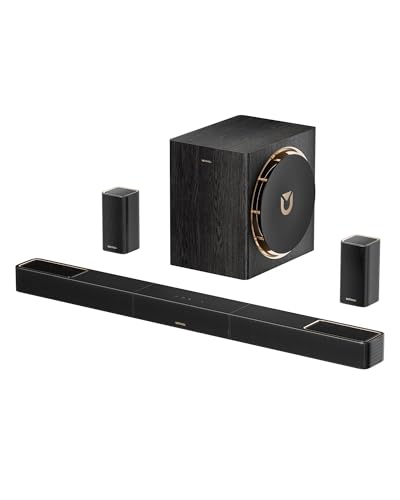
Selecting the right entertainment system depends heavily on whether your priorities lean toward pure analog fidelity or massive cinematic spatial immersion. Listeners seeking reference-grade power, expansive multi-speaker coverage, and deep low-frequency extension should consider the ULTIMEA Skywave X100 Dual 9.2.6 THX-Tuned as our top overall pick. Its THX tuning, dual subwoofers reaching down to 18Hz, and rapid GaN amplification deliver astonishing dynamic control across movies and records alike.
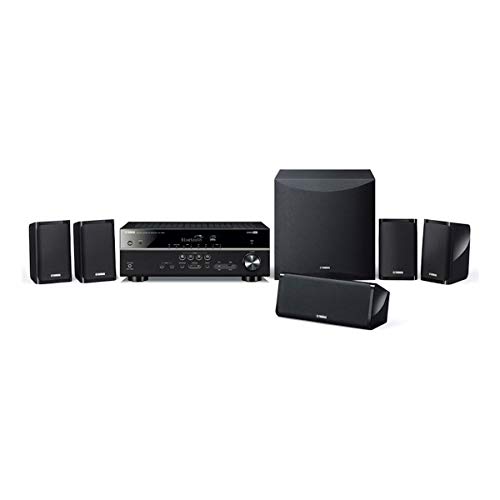
If you want exceptional value without sacrificing traditional receiver flexibility and genuine analog bypass modes, look no further than the Yamaha Audio YHT-4950U 4K Ultra HD 5.1-Channel. This package includes a discrete AV receiver with dedicated inputs, YPAO room calibration, and proven high-current output stages. It provides an accessible entry point for record fans wanting authentic stereo staging alongside reliable 5.1-channel surround.
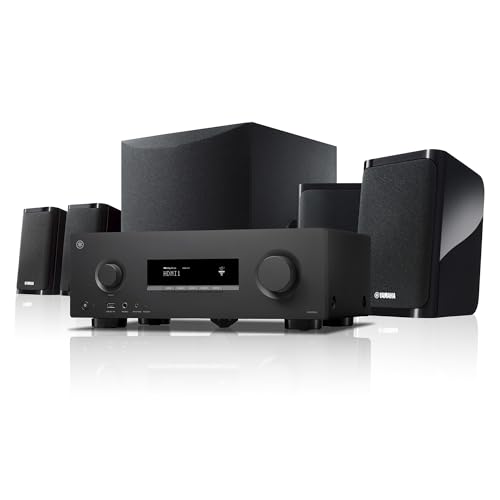
For dedicated movie spaces requiring modern 8K video pass-through and HEOS wireless networking capabilities, the Energy Take Classic 5.1 Home Theater Bundle excels. Its Denon receiver offers pristine analog circuitry and customizable digital crossovers that blend satellite speakers smoothly with the powered subwoofer. Meanwhile, users with tight living room footprints will appreciate the ULTIMEA Skywave X50 5.1.4ch Wireless Surround for wireless simplicity.
Setting up your ultimate media room requires attention to seating comfort and acoustic sightlines as well as sound gear. Maintaining your listening area with tidy furniture and reviewing tips on how to clean and care for your stackable chair keeps guest spaces inviting. Matching quality audio hardware with thoughtful room setup ensures your record collection and favorite films sound their absolute best.
Frequently Asked Questions
Can I connect a turntable directly to any home theater system?
You can connect a turntable directly only if it includes a built-in phono preamplifier or if your receiver features a phono input. Standard aux inputs expect line-level voltages and cannot amplify weak phono signals properly without an external preamp box. Always verify your turntable switch settings before connecting cables to your surround system.
What is the top-rated option among Best Home Theater Systems for Vinyl Playback in 2026?
The top-rated configuration for sheer scale and audio precision is the ULTIMEA Skywave X100 Dual 9.2.6 THX-Tuned. Its combination of dual subwoofers, THX acoustic certification, and high-efficiency GaN amplifiers provides exceptional power handling for both films and records. It handles wide dynamic ranges effortlessly while eliminating cumbersome speaker wire runs across your living room.
Does a home theater receiver ruin the warm sound of vinyl records?
A quality receiver will not ruin analog sound quality if you engage its pure direct or analog bypass modes. These settings avoid unnecessary digital conversions, passing the original waveform directly to the amplification stages. The analog warmth you expect remains completely preserved while allowing you to enjoy modern surround features for movies.
Do I need a separate ground wire when connecting to a home theater system?
Most traditional turntables require a ground wire connected to the chassis ground post of your receiver to eliminate low-frequency humming. If your turntable has an internal preamp and connects via standard RCA or 3.5mm aux cables, grounding is often handled internally. If you notice a persistent sixty-cycle drone through the speakers, connecting a chassis ground wire resolves the issue immediately.
How do I stop my home theater subwoofer from making the turntable needle jump?
You can prevent stylus skipping by placing your turntable on a heavy, decoupled surface physically separated from the subwoofer enclosure. Utilizing specialized dense isolation blocks or rubber isolation feet under the turntable base absorbs deep mechanical vibrations. Setting the subwoofer crossover correctly also stops unnecessary structural resonance from traveling through flooring.
Can I listen to vinyl records in 5.1 or 7.1 surround sound?
Yes, modern surround receivers feature spatial upmixing modes like Dolby Surround and DTS Neural that distribute stereo audio across multiple channels. These algorithms extract atmospheric reverb into your surround speakers while centering main vocals on your television screen. While purists prefer classic stereo listening, spatial upmixing can breathe dramatic new life into live concert recordings.
Why is GaN amplifier technology important for home audio systems?
Gallium nitride amplifiers switch electrical signals significantly faster than conventional silicon transistors while generating up to fifty percent less heat. This rapid response time reproduces sudden acoustic transients like drum snaps with breathtaking realism and zero distortion. The high electrical efficiency also allows manufacturers to build compact, high-output systems suitable for crowded media credenzas.
How do I calibrate tonearm weight and tracking force accurately?
Setting proper stylus tracking force protects delicate record grooves from premature physical wear and ensures accurate frequency reproduction. While tonearm counterweights have numbered dials, utilizing precision measurement tools like those explored in our review of the best postal scales highlights the value of precise weight calibration. Digital tracking gauges guarantee that your cartridge rides securely within its recommended gram specification.
Is a soundbar system good enough for serious vinyl playback?
Modern high-end soundbars featuring multi-channel wireless architectures and discrete subwoofers provide surprisingly detailed vinyl playback for casual listeners. However, because left and right drivers sit close together within a single bar, soundstage separation is narrower than discrete bookshelf speakers. For maximum acoustic imaging and depth, discrete stereo pairs paired with a separate receiver remain the gold standard.
What should I look for in speaker cables for a vinyl home theater?
Select oxygen-free copper speaker wire measured at fourteen or sixteen gauge to ensure minimal signal resistance over long distances. Avoid cheap copper-clad aluminum wiring because it corrodes faster and introduces electrical resistance that degrades high-frequency detail. Terminating cable ends with quality banana plugs ensures tight, corrosion-resistant connections to your receiver and speaker binding posts.