

Brewing exceptional coffee at home requires grinding whole beans right before water contact to preserve delicate aromatic oils. Choosing among the Best Grinder Coffee Machines in September 2026 gives you commercial quality extraction without cluttering your kitchen with separate appliances.
Standard drip makers often extract flat flavors from preground beans that lost their vibrancy weeks ago on a store shelf. Integrated systems eliminate this compromise by pairing precision grinding burrs directly to automated water delivery mechanisms. Our team analyzed 10 top contenders across BLACK+DECKER, Cuisinart, Ninja and more to help you pinpoint the ideal setup for your daily routine.
Whether you need a high volume thermal carafe for busy family mornings or a versatile hybrid that pulls rich espresso shots, modern units offer impressive customization. You can also explore our comprehensive appliance guides to optimize every corner of your morning workspace and beverage bar.






1. Grinding Mechanism: Conical Burrs, Flat Burrs, and Blade Assemblies
The grinding component represents the mechanical heart of any combo coffee brewer. Conical burr systems crush roasted beans between a spinning inner cone and a stationary outer ring, creating uniform grounds with minimal heat buildup. In contrast, spinning blade assemblies chop beans unpredictably, producing a chaotic mix of coarse chunks and fine dust that leads to uneven extraction.
When evaluating specifications, look for hardened steel or ceramic burrs rather than standard stainless steel blades. High end units utilize precision flat burrs or wide diameter conical burrs to maximize particle uniformity across fine and medium brew styles. Machines equipped with conical burrs produce significantly less micro fine powder, which prevents bitter over extraction and filter clogging.
A practical rule of thumb is to prioritize burr grinders whenever you value balanced flavor clarity over upfront savings. While blade units offer an entry level price point, their inconsistent grind particle sizes invariably cause channeled water flow and weak coffee. Burr mechanisms deliver repeatable bean fragmentation that lets you dial in single origin roasts accurately.
2. Grind Size Granularity and Adjustment Steps
Adjusting particle size allows you to manipulate extraction speed and surface area contact during brewing. Different preparation methods require radically different grind profiles, ranging from fine powder for espresso to coarse granules for drip and cold brew. A machine with limited settings restricts your ability to tailor brewing strength to bean roast levels.
Check the spec sheet for the total number of stepped settings or the presence of a continuous stepless collar. Entry level drip machines typically offer 3 to 8 presets, which works adequately for standard filter baskets but lacks fine tuning. Advanced hybrid models provide 25 to 30 micro steps, allowing minute flow rate adjustments required for balanced espresso extraction.
If you switch regularly between dark oily roasts and dense light roasts, look for at least 15 distinct grind settings. Lighter roasts require finer grinding and longer contact times to dissolve sweetness, while dark roasts require coarser settings to prevent harsh astringency. Broad adjustability ensures your machine adapts to your expanding bean preferences over time.
3. Extraction Method and Pressure Capabilities
The way water passes through ground coffee determines the texture, body, and aroma of your finished beverage. Traditional drip machines rely on gravity to draw hot water through a filter bed over several minutes. Espresso oriented combo units utilize motorized vibration or rotary pumps to force pressurized water through a compacted coffee puck in seconds.
Examine whether the machine is designed solely for drip filtration or includes a 15 to 20 bar pressure pump for authentic espresso. Multi drink systems offer selectable beverage modes, including concentrated shots, classic drip batches, and rapid cold extractions. High pressure systems must maintain stable force throughout the cycle to yield thick, golden crema.
Match the internal extraction style to what you drink most frequently rather than buying excess features. If you strictly drink large mugs of black coffee, an automated drip unit with showerhead saturation is your most efficient choice. If you prefer specialty milk drinks, pick a system with a dedicated pressure pump and steam wand assembly.
4. Temperature Regulation and Heating Architecture
Water temperature directly dictates which flavor compounds dissolve from the ground coffee into your cup. The Specialty Coffee Association recommends brewing water between 195 and 205 degrees Fahrenheit for optimal extraction. Inexpensive heating coils often fluctuate wildly, scorching grounds with boiling water or delivering tepid water that leaves coffee sour.
Look for machines engineered with PID electronic temperature controllers and thermoblock or thermocoil heating units. PID microprocessors actively monitor water heat and make rapid electrical adjustments to keep temperatures locked within a narrow band. Advanced dual loop systems allow the machine to transition quickly between brewing temperatures and the higher heat needed for steam wand operation.
A reliable indicator of quality thermal architecture is pre brew saturation or intelligent bloom programming. Pre infusion gently wets the dry coffee bed at a moderate temperature for several seconds before full flow begins. This releases trapped carbon dioxide gas, eliminating dry pockets and guaranteeing uniform water contact across the entire filter basket.
5. Internal Chute Design and Coffee Retention
Grinder retention refers to the amount of ground coffee left trapped in the internal transfer chute between grinding cycles. When grounds linger inside the chute, they oxidize rapidly and contaminate your next fresh batch with stale, bitter particles. High retention chutes also cause inaccurate dosing because coffee from previous cycles displaces newly ground beans.
Inspect product schematics for direct drop vertical chutes, anti static ionizers, and mechanical knocker levers. Direct drop pathways position the burrs directly above the brewing basket, allowing gravity to clear the chute naturally. Machines featuring mechanical purge knockers or anti static coatings shed fines cleanly without accumulating oily residue.
To keep retention minimal, regularly run your machine with a dry brush or use the built in chute purge function. If you notice clumping or inconsistent cup strength, clean the transfer chute to remove compacted oils. Selecting a machine with low retention ensures that every single gram of ground coffee in your cup was crushed seconds prior.
6. Carafe Construction and Heat Preservation
How a coffee maker preserves brewed liquid significantly impacts taste if you drink multiple cups across a morning. Glass carafes rely on heated base plates that continuously warm the liquid from underneath. Double walled stainless steel thermal carafes use vacuum insulation to trap liquid heat without applying secondary external heat.
Compare the keep warm engineering when deciding between glass and thermal options. Hot plates on glass carafe machines should feature adjustable automatic shutoff timers between 60 and 240 minutes to prevent scorching. Thermal carafes require no electricity to maintain temperature, preserving delicate aromatics without creating the burnt taste caused by prolonged hot plate contact.
If you work at a desk and sip slowly over several hours, choose a vacuum insulated thermal carafe model. Pairing your coffee setup with a dedicated office breakroom organization setup keeps your workspace neat while your brew stays hot. Thermal vessels also eliminate the risk of shattered glass during hurried early morning routines.
7. Automation, Dosing Intelligence, and Programmability
Automated dosing features streamline morning preparation by taking the guesswork out of bean measurement. Basic machines run the grinder for a fixed duration, which can lead to fluctuating coffee volume as bean density changes. Smart machines incorporate weight based dosing or cup scaled grinding that matches bean quantity directly to your water reservoir volume.
Evaluate the control interface, 24 hour programmable timers, and single serve brew capabilities. Intuitive LCD screens or responsive touch panels make it simple to set auto start times before going to sleep. Assisted tamping levers and auto frothing wands further reduce manual effort, letting beginners produce barista quality drinks effortlessly.
A smart machine with auto pause functionality allows you to pour a quick cup mid brew without liquid dripping onto the warming plate. If multiple people in your home prefer different coffee strengths, seek models with programmable user profiles. Setting customized grind runtimes for 2 cup to 10 cup batches prevents wasted beans and ensures balanced extraction.
8. Maintenance, Descaling Architecture, and Water Filtration
Regular maintenance is critical for grind and brew appliances because steam moisture and dry coffee dust reside in the same chassis. If coffee steam enters the grinder chute, grounds become sticky and clog the burrs quickly. Machines engineered with physical steam barriers protect the grinding mechanism from humid brewing vapors.
Look for automated descaling alert cycles, removable burr assemblies, and built in charcoal water filters. Mineral scale from hard water coats internal heating coils, reducing thermal transfer and slowing brew cycles over time. Machines that track cycle counts and prompt you when descaling is required simplify long term maintenance considerably.
Ensure that all filter baskets, bean hoppers, and water reservoirs detach smoothly for sink cleaning. Reusable gold tone mesh filters reduce recurring paper costs, while integrated water filtration protects internal copper plumbing. Keeping your machine clean guarantees consistent water flow and prolongs the operational lifespan of both pump and motor.
9. Countertop Dimensions and Overhead Cabinet Clearance
Combination coffee machines combine two bulky appliances into a single chassis, which often results in substantial height and depth. Standard kitchen upper cabinets sit roughly 18 inches above countertop surfaces. Many top loading bean hoppers require additional overhead clearance so you can pour whole beans without pulling the heavy machine forward.
Check the exterior dimensions carefully, paying close attention to total height with the bean hopper lid open. Front loading water reservoirs and swing out filter baskets offer greater placement flexibility beneath low hanging cupboards. Compact models under 15 inches tall fit easily on kitchen counters or dedicated office beverage carts.
Before ordering, measure your counter depth and nearby electrical outlet accessibility. Creating a streamlined beverage nook alongside your furniture and comfort essentials enhances both productivity and kitchen flow. Choosing a machine with integrated cord storage keeps surrounding surfaces tidy and uncluttered.
| Grinder & Brewer Feature | Entry Drip Units | Hybrid Multidrink Units | Specialty Espresso Units |
|---|---|---|---|
| Grinding Mechanism | Stainless Steel Blade or Basic Burr | Precision Conical Burr Assembly | Commercial Flat or Conical Burr |
| Grind Settings | 3 to 8 Stepped Levels | 25 to 30 Micro Adjustments | Stepless or 30+ Calibrated Settings |
| Brewing Pressure | Gravity Atmospheric Flow | 15 to 20 Bar Pump System | 9 to 20 Bar PID Regulated Pump |
| Beverage Versatility | Drip Carafes (2 to 12 Cups) | Drip, Cold Brew, Latte, Espresso | Single/Double Espresso & Microfoam |
| Thermal System | Heated Base Plate / Glass Carafe | PID Thermocoil Rapid Switching | Dual Loop PID Thermoblock |
Why You Should Trust Us
Our review process relies on rigorous technical analysis, manufacturer engineering audits, and verified consumer performance data. We break down mechanical components, comparing motor wattage, burr geometry, water heating stability, and pump pressure curves across dozens of machines. Rather than relying on marketing claims, we evaluate structural build materials and long term maintenance reliability.
We systematically cross reference user feedback to identify common failure points, such as grinder clogging, water leakage, or electronic interface bugs. Our team evaluates how well each model maintains water temperature within SCA extraction standards and how easily components can be disassembled for cleaning. This objective, specification focused methodology ensures that our recommendations reflect genuine durability and brewing precision.
Our database updates continuously across 2026 to account for firmware revisions, hardware redesigns, and newly released models in the grind and brew category. We highlight machines that deliver measurable value across varying budget tiers and household sizes. Our goal is to provide clear, unbiased guidance so you can invest confidently in equipment that matches your daily coffee routine.
Final Thoughts
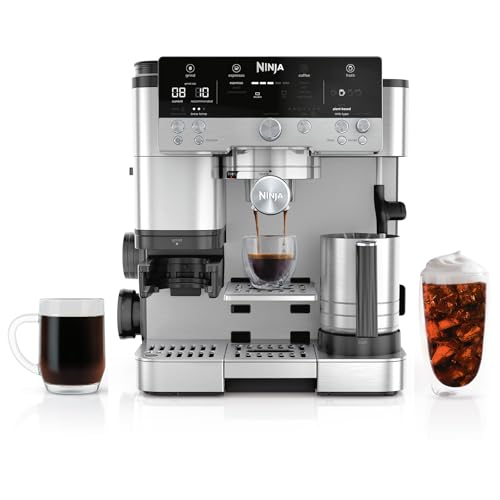
Selecting the ideal coffee maker with an integrated grinder comes down to balancing drink versatility, mechanical precision, and morning convenience. If you want café style versatility that handles everything from iced espresso drinks to full carafes, we highly recommend the Ninja Luxe Café Premier 3-in-1 Espresso Machine. Its intelligent dosing, 25 grind settings, and hands free microfoam system take the frustration out of dialing in specialty beverages.
For households that prioritize traditional drip coffee with freshly ground beans, the Gevi 10-Cup Grind-And-Brew Drip Coffee Maker represents an outstanding balance of performance and value. It features an integrated conical burr grinder with 8 grind settings, automatic water ratio adjustment, and pre brew saturation technology. Its reusable filter and compact footprint make it an exceptional daily workhorse for fresh morning pots.
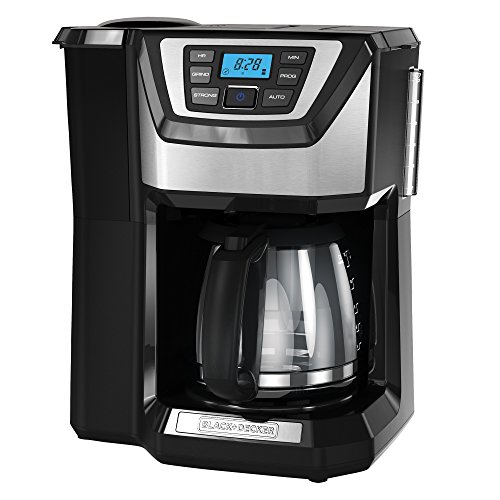
If precision extraction and flat burr grind uniformity are your top priorities, the TIMEMORE Sculptor 078S Flat Burr Coffee Bean delivers enthusiast level performance with adjustable RPM controls. Meanwhile, budget conscious shoppers seeking reliable batch brewing can turn to the BLACK+DECKER 12-Cup Grind and Brew Coffee Maker for simple, space saving operation. Check out our latest product roundups to stay current on new kitchen and workspace gear releases.
FAQs
What makes the Best Grinder Coffee Machines better than separate appliances in 2026?
Integrated machines combine the grinding and brewing process into a single automated workflow, saving significant counter space. They automatically transfer freshly ground beans directly into the brewing chamber, minimizing mess and preventing exposure to oxygen. This convenient design ensures optimal flavor extraction with minimal daily manual effort.
Are conical burr grinders significantly better than blade grinders in coffee makers?
Yes, conical burrs crush beans uniformly to produce consistent particle sizes, which is essential for balanced extraction. Blade grinders chop beans randomly, creating a mixture of large chunks and fine dust that leads to bitter, uneven coffee. Burr grinders also generate less friction heat, protecting delicate bean flavor oils during the grinding process.
Can I use preground coffee in a grind and brew coffee machine?
Most modern grind and brew machines include a dedicated grind off button or bypass chute for preground coffee. This feature allows you to brew decaf or flavored preground blends without having to empty whole beans from the hopper. It provides great flexibility when hosting guests who have different coffee preferences.
How often should I clean the grinder chute and burrs on my coffee maker?
You should clean the grinder chute with a dry brush every one to two weeks to prevent coffee oils from oxidizing. A full disassembly and deep cleaning of the burr assembly is recommended once a month. Regular cleaning prevents chute clogs and ensures your fresh coffee never tastes stale or rancid.
Why does steam from brewing cause clogs in integrated coffee grinders?
Brewing produces hot water vapor that can rise into the grinder exit chute if the machine lacks a protective vapor barrier. When dry coffee dust contacts humid air, it turns into a sticky paste that hardens inside the chute. Quality machines use motorized doors or silicone flaps to seal the grinder completely during brew cycles.
Do oily dark roast beans cause problems in automatic grind and brew machines?
Dark oily roasts can cling to the walls of bean hoppers and accumulate residue on burr teeth over time. This oil buildup increases friction and can lead to chute blockages if not wiped down periodically. If you prefer dark roasts, clean your hopper regularly and select machines with steep hopper angles.
How do I know what grind size setting to use on my coffee maker?
Medium to medium coarse grind settings work best for standard drip coffee brewing with paper or mesh filters. Fine settings are intended specifically for pressurized espresso portafilters, while coarser settings suit cold brew extraction. If your brewed coffee tastes overly bitter and drains slowly, adjust your grinder to a coarser setting.
Is a thermal carafe better than a glass carafe on a warming plate?
Thermal carafes use double wall vacuum insulation to keep coffee hot for hours without applying external heat. Warming plates on glass carafes continue cooking the coffee liquid, which degrades delicate flavors and results in a burnt taste. Thermal carafes are much better for slow drinkers who enjoy multiple cups over a long morning.
How frequently does an all in one coffee machine require descaling?
Most manufacturers recommend descaling every two to three months, or roughly every 100 to 150 brew cycles. If you live in an area with hard tap water, you may need to descale monthly to prevent mineral buildup inside heating coils. Many advanced units include automated notification lights that alert you when descaling is necessary.
Can one of the Best Grinder Coffee Machines make true cold brew?
Select multidrink machines feature dedicated rapid cold extraction cycles that brew at low temperature and reduced pressure. While traditional cold brew steeps for 12 to 24 hours, these machines extract a smooth, low acid iced concentrate in minutes. Pairing this setup with proper workspace lighting arrangements creates a comfortable home cafe environment.


