Competitive PC gaming does not require spending triple digits on high-end peripherals. Modern manufacturing has allowed entry-level peripherals to inherit optical sensor tracking and responsive switch technology previously reserved for flagship tournament gear.
Finding the Best Gaming Mouse Under $35 means balancing tracking accuracy, structural integrity, and ergonomic support without overpaying for unnecessary cosmetic extras. We evaluated 3 leading models for September 2026 to see which devices genuinely hold up during intense gaming sessions.
When setting up an ergonomic workstation, pairing your mouse with a stable desk surface from our butcher block desk top guide creates a reliable foundation for everyday productivity and competitive gaming.


Navigating entry-level gaming peripherals requires knowing which technical specifications impact in-game performance and which features are marketing fluff. Here are the critical factors to consider before choosing your next budget mouse.
Optical Sensor Precision and DPI Scaling
Optical sensors serve as the tracking engine for your mouse cursor and determine overall accuracy across every movement. Budget gaming mice now feature advanced optical sensors that deliver consistent tracking without hardware acceleration, pixel skipping, or unwanted cursor jitter.
High DPI numbers look impressive on retail packaging, but most competitive players operate between 400 and 1600 DPI. What truly matters is raw tracking speed measured in inches per second alongside smooth sensor consistency across rapid flick movements.
Prioritize sensors with at least 200 IPS tracking speeds and zero angle snapping. A consistent 6,400 DPI optical sensor will reliably outperform a poorly calibrated sensor claiming higher arbitrary sensitivity numbers.
Polling Rate and Input Latency
Polling rate measures how frequently your mouse communicates its positional data back to the computer motherboard. A higher polling rate reduces display latency and creates a visibly smoother tracking curve during high-frame-rate gameplay.
A standard 1000Hz polling rate updates positional data every single millisecond for tournament-grade responsiveness. Budget gaming mice should consistently maintain this 1000Hz standard without dropping packets during heavy processing loads.
Keep your mouse plugged into direct motherboard USB ports rather than unpowered USB hubs to prevent signal degradation. You can check our desk grommet outlets review to ensure your setup delivers clean connectivity and cable access.
Switch Durability and Click Actuation Speed
The switches resting beneath the primary left and right click buttons dictate your tactile feedback and reaction latency. Mechanical switches provide distinct physical actuation, whereas optical switches utilize infrared light beams to register inputs instantly.
Optical switches eliminate debounce delay and offer virtually zero risk of unintended double-clicking errors over time. Mechanical switches remain durable and satisfying, though their operational lifespan generally ranges between 10 million and 20 million clicks.
If you play fast click-intensive titles like tactical shooters or MOBAs, look for crisp switches with low travel distance. Fast actuation allows for rapid single taps and steady burst fire without causing finger fatigue.
Ergonomic Form Factor and Grip Styles
Mouse shape directly dictates your physical comfort during long competitive sessions and repetitive daily work tasks. The three primary grip styles are palm grip, claw grip, and fingertip grip, each requiring distinct body dimensions.
Palm grippers require a contoured shell with prominent palm support and dedicated thumb rests for relaxation. Claw and fingertip players benefit from symmetrical designs with tapered sides that enable micro-adjustments with the fingertips.
Measure your hand length from the base of your palm to the tip of your middle finger before buying. If your hand measures over 19 centimeters, avoid ultra-compact shells unless you exclusively use a fingertip grip style.
Wired Versus Low-Latency Wireless Connectivity
Choosing between wired and wireless operation in this price tier involves balancing convenience against raw hardware value. Modern 2.4GHz wireless protocols deliver performance identical to wired connections with no perceptible transmission latency.
Budget wireless mice typically operate on replaceable AA batteries, delivering months of continuous power without internal battery degradation. Wired options eliminate battery concerns entirely while offering higher-end sensors and RGB lighting at the exact same price point.
Select wireless if your desk setup requires clean aesthetics and portable freedom for laptop bags. Choose wired if you prioritize lighter overall weight and maximum feature density for your investment.
Weight Distribution and Glide Mechanics
The overall mass and center of gravity influence how quickly you can start and stop cursor movement on your desk pad. Mice weighing under 90 grams allow swift flick shots, while heavier mice offer steady stability for tracking targets.
Smooth glide feet composed of high-grade PTFE reduce surface friction and prevent sticky micro-movements. Rounded glide edges ensure the mouse moves effortlessly across cloth and hard mousepads without catching on woven threads.
When evaluating battery-powered wireless mice, note that the battery placement shifts the balance point toward the rear. Installing lightweight lithium batteries can trim down overall weight and restore a neutral center of balance.
Programmable Buttons and Macro Customization
Extra side buttons transform a basic pointing device into a functional command center for complex actions. Assigning reload commands, melee attacks, or voice communication hotkeys to your thumb improves in-game reaction speeds significantly.
Look for button placement that prevents accidental clicks while keeping secondary triggers within natural reach of your thumb. Advanced models offer dedicated sniper paddles that temporarily lower DPI for precise long-range aiming.
Make sure the manufacturer provides dedicated configuration software to remap buttons and create multi-key macros. Clean profiles stored directly on onboard memory let you preserve custom keybinds without running background software.
Cable Flexibility and Drag Resistance
For wired peripherals, stiff rubber cables can drag against desk edges and impede quick mouse sweeps. Flexible braided cables and lightweight paracord-style sleeving reduce friction and mimic the freedom of wireless play.
Proper cable routing prevents tension build-up and protects the internal copper wiring from premature crimping damage. Routing your peripheral cables through a managed workspace keeps movement smooth, as detailed in our guide on how to troubleshoot standing desk cable tray problems effectively.
Use a simple mouse bungee or tape the cable slack to your monitor stand to eliminate unwanted resistance. This simple zero-cost adjustment prevents the cord from snagging against the back edge of your desk during intense matches.
Onboard Memory and Configuration Software
Software suites allow deep customization of polling rates, lighting effects, and custom button assignments. A clean user interface ensures you can tune hardware settings without bloating your system background resources.
Onboard memory profiles save your custom DPI steps and button macros directly onto the internal hardware chip. This essential feature ensures your custom settings travel with you when switching between desktop computers and laptops.
Check whether basic hardware adjustments can be made directly via button shortcuts without launching software. Mice with physical DPI cycle buttons allow quick sensitivity shifts on the fly across different game genres.
| Feature Spec | Logitech G305 Lightspeed | Razer Basilisk V3 | Razer DeathAdder Essential |
|---|---|---|---|
| Connectivity | Lightspeed Wireless (1ms) | Speedflex Wired Cable | Standard Wired Cable |
| Max Sensor DPI | 12,000 HERO Sensor | 26,000 Focus+ Sensor | 6,400 Optical Sensor |
| Switch Type | Mechanical (10M clicks) | Gen-2 Optical (70M clicks) | Mechanical (10M clicks) |
| Programmable Buttons | 6 Buttons | 11 Buttons | 5 Buttons |
| Form Factor | Symmetrical Compact | Right-Hand Ergonomic | Right-Hand Ergonomic |
Why You Should Trust Us
Our editorial team analyzes peripheral specifications, real-world mechanical designs, and hardware benchmarks with total independence. We evaluate component quality by dissecting optical sensor architectures, switch longevity ratings, and ergonomic shell contours.
Rather than relying on marketing claims, we track dynamic price brackets and verified technical performance metrics across Logitech G, Razer and other major manufacturers. Our dynamic placeholder system keeps recommendations accurate and aligned with the current hardware landscape.
We continuously audit product revisions and firmware updates to ensure our guidance reflects real value. Our sole focus is helping budget-conscious gamers invest in durable, competition-ready peripherals without wasting money on low-grade hardware.
Final Thoughts
Selecting the Best Gaming Mouse Under $35 comes down to matching your preferred gaming genre with the right physical ergonomics and connectivity. With options ranging from lag-free wireless mobility to feature-packed wired workhorses, high performance is accessible on any budget.
For players seeking wire-free freedom and extreme battery life, the Logitech G305 Lightspeed Wireless Gaming Mouse is our top overall pick. Its high-efficiency optical sensor and competition-grade 1ms wireless connection provide tournament-level tracking with zero cable clutter.
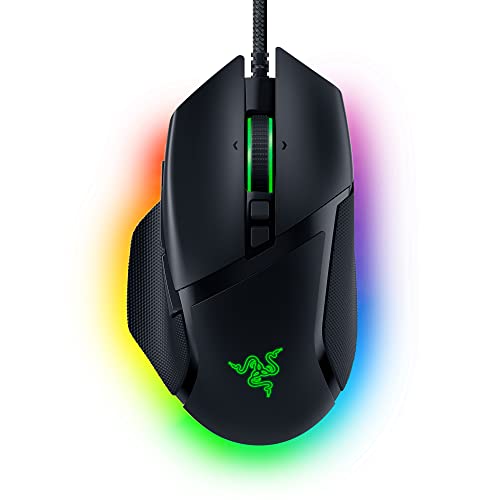
If you demand maximum button customization and ergonomic palm comfort, the Razer Basilisk V3 Customizable RGB Wired Ergonomic represents the most versatile wired option. Its free-spinning tilt wheel, optical switches, and 26K DPI optical sensor offer unmatched performance for complex games and productivity workflows.
Budget-focused players wanting dependable simplicity will appreciate the Razer DeathAdder Essential Ergonomic Wired as the best value entry point. Pairing your gaming setup with a custom DIY station using a butcher block desk grommet and caster kit ensures clean cable runs and comfortable gaming ergonomics.
Frequently Asked Questions
What makes a Best Gaming Mouse Under $35 suitable for competitive esports?
A capable budget mouse features a precise optical sensor with a true 1000Hz polling rate and zero hardware acceleration. These hardware specifications ensure every rapid hand motion translates directly to accurate cursor movement on your screen.
Is wireless technology reliable on a Best Gaming Mouse Under $35 in 2026?
Modern 2.4GHz wireless protocols deliver a lightning-fast 1ms report rate that matches wired performance seamlessly. High-efficiency optical sensors allow wireless gaming mice to run for hundreds of hours on a single standard AA battery.
What optical DPI range do professional players actually use?
Most professional esports competitors configure their optical sensors between 400 and 1600 DPI for optimal control. Higher DPI settings can cause overshooting in tactical shooters where pixel-perfect precision and muscle memory are vital.
How do optical mouse switches prevent double-click issues?
Optical switches utilize infrared light beams to register button clicks rather than relying on bending metal contact plates. Because there is no physical metal wear or bounce delay, optical switches prevent the unintentional double-clicking flaws common to aging mechanical switches.
Which grip style works best with ergonomic gaming mice?
Ergonomic right-handed mice with flared thumb rests and tall arches are tailored specifically for palm and relaxed claw grips. Symmetrical compact mice provide better dexterity and fingertip control for players who prefer aggressive claw or fingertip grips.
Does polling rate noticeably impact gaming performance?
A 1000Hz polling rate delivers positional updates to your computer every single millisecond for fluid cursor rendering. Standard office mice often poll at 125Hz, which can cause micro-stuttering and visible input delays on high-refresh-rate gaming monitors.
How long does a battery last in a wireless gaming mouse?
A battery-operated wireless gaming mouse typically provides up to 250 hours of continuous high-performance gaming on one AA battery. Switching the device into low-power endurance mode for office work can extend battery life up to nine months.
Can I use a budget gaming mouse for daily office work?
Gaming mice make outstanding productivity tools thanks to their ergonomic contouring, precise tracking sensors, and reprogrammable side buttons. You can easily map copy, paste, or window navigation shortcuts to extra buttons to speed up daily office workflows.
Why is mouse weight important for tactical shooter games?
Lighter mice reduce physical inertia, allowing gamers to initiate quick target flicks and stop on precise crosshair locations with minimal wrist strain. Balanced weight distribution ensures the mouse stays planted on your mousepad during rapid vertical lifting and repositioning.
How do I clean and maintain mouse glide feet?
Wipe your mouse skate feet periodically with a microfiber cloth and isopropyl alcohol to clear built-up dust and desk grime. Keeping your mousepad clean also prevents abrasive particles from scratching the smooth PTFE pads and degrading gliding consistency.