

Emergency medical technicians face brutal working conditions when winter storms hit city streets and highway corridors. Responding to vehicle collisions on black ice or navigating unplowed driveways requires specialized footwear that protects against frostbite, moisture, and dangerous slips. Ordinary station footwear fails rapidly once temperatures plummet and freezing slush accumulates around emergency scenes.
Finding the Best EMT Boots for Winter means balancing heavy thermal insulation against the agility needed to climb into ambulances and sprint across uneven terrain. Modern duty footwear incorporates advanced waterproof liners, composite protective caps, and temperature-stable rubber compounds that maintain flexibility on frozen asphalt. Exploring our professional field equipment guides will help you navigate the critical technical trade-offs between bulk and mobile performance.
We evaluated 7 leading options for September 2026 to determine which boots withstand demanding twelve-hour winter shifts. From polishable leather uniform requirements to rapid-entry side zippers, our detailed breakdown ensures your feet remain warm, dry, and stable in extreme environments.



Thermal Insulation Gram Weights and Activity Levels
Insulation in tactical winter footwear is primarily measured in grams per square meter of synthetic fiber like Thinsulate. Low-bulk ratings between 200 and 400 grams provide moderate warmth suitable for active calls where responders move frequently between heated rigs and outdoor scenes. These lighter packages prevent excessive perspiration while still stopping rapid ambient heat loss during short exposures.
Boots packing 800 to 1200 grams of insulation cater directly to stationary assignments and severe sub-zero environments. Standing on frozen ground at prolonged extrication scenes conducts warmth away from your feet faster than air cooling alone. However, excessive insulation can trap perspiration during indoor patient transfers, leading to damp socks that eventually chill your feet once you step back outside.
When selecting your insulation weight, evaluate your regional winter climate and the balance of time spent driving versus working in unheated spaces. If your shifts involve constant high-intensity movement, pair 400-gram boots with moisture-wicking wool socks for optimal thermal regulation. Reserve heavy 1200-gram packages for rural response zones where prolonged exposure to deep snowdrifts is virtually guaranteed.
Waterproof Membranes and Pathogen Resistance
Winter moisture presents a dual hazard for emergency personnel who encounter freezing slush mixed with biological fluids on call sites. High-performance membranes utilize microscopic pores small enough to block liquid water droplets yet large enough to allow vaporized sweat to escape. Without an impermeable barrier, melted road slush will saturate the boot upper and destroy the thermal efficiency of your internal insulation.
In emergency response environments, full boot waterproofing must also resist hydrocarbons, road salts, and bodily fluids encountered during trauma calls. Inspect the gusseting along the tongue and side zipper to verify that the waterproof liner extends to the top of the collar. Low gussets allow water to flood into the interior when stepping into hidden roadside puddles or snowdrifts.
Look for seam-sealed construction paired with hydrophobic leather coatings that cause surface moisture to bead and roll off. Inspect internal boot booties regularly for micro-tears, as friction from regular movement can wear thin spots over time. Applying dedicated silicone or fluoropolymer water repellents to clean exterior leather preserves membrane breathability throughout messy winters.
Cold-Weather Rubber Compounds and Tread Architecture
Standard tactical outsoles harden significantly when ambient temperatures drop below freezing, transforming flexible rubber into rigid plastic with minimal surface grip. Winter-specific compounds utilize specialized polymer blends that retain suppleness on sub-zero pavement, ensuring the lugs conform to microscopic surface textures. Outsole compliance directly dictates your safety when carrying stretchers across black ice or slick metal vehicle steps.
Lug design must channel liquid slush, mud, and loose snow away from the center of the foot to maintain continuous ground contact. Deep, widely spaced multi-directional perimeter lugs prevent snow from packing into a smooth, frictionless block under your heel. Micro-siping, which consists of razor-thin cuts across flat tread blocks, creates biting edges that grip wet ice under body weight.
Prioritize ASTM slip-resistant certifications validated across wet and oily testing baselines for emergency response work. Adhering to ergonomic workplace comfort standards helps emergency personnel prevent the debilitating musculoskeletal injuries associated with abrupt surface slips. Replace boots as soon as lug depths wear down past fifty percent, because shallow tread cannot clear packed snow effectively.
Protective Safety Toes and Thermal Bridging
Emergency medical calls involve unpredictable physical hazards, including falling gurneys, shifting vehicle wreckage, and heavy medical equipment cases. Safety toes provide indispensable impact and compression resistance under strict safety standards like ASTM F2413. However, the material composition of the protective cap heavily influences foot temperature during winter operations.
Traditional steel toe caps act as direct thermal bridges, conducting ambient cold directly into the toe box and drawing radiant body heat away. In contrast, composite toes manufactured from carbon fiber, fiberglass, or dense resin provide identical impact ratings without transmitting external temperatures. Composite construction keeps the forefoot significantly warmer during extended standby assignments on snow-covered ground.
Ensure the internal toe box provides sufficient volume to wiggle your toes freely while wearing thick winter socks. Restricted toes suffer from reduced capillary blood circulation, which dramatically accelerates the onset of numbness and localized cold injuries. A thumb-width clearance between your longest toe and the protective cap provides the ideal thermal buffer zone.
Side Zippers and Rapid Deployment Reliability
First responders must transition from dormitory quarters to active response vehicles within seconds of a station dispatch call. Side-zip closures allow personnel to establish a precise lace tension once and subsequently enter or exit boots instantly. During winter months, this rapid deployment capability prevents responders from struggling with stiff, iced laces during early morning alarms.
Harsh winter conditions test zipper hardware through exposure to road salt, grit, and frozen moisture that can seize track teeth. Premium industrial zippers like YKK feature oversized polymer teeth that resist jamming far better than delicate metal coil alternatives. A robust interior storm flap behind the zipper track blocks cold drafts and prevents slush from penetrating through the teeth.
Maintain your boot hardware by flushing dirt and corrosive road chemicals out of the zipper mechanism using warm water. Applying paraffin wax or silicone lubricant along the zipper teeth prevents freezing and ensures fluid movement in sub-zero weather. Always secure the hook-and-loop retention strap over the zipper pull tab to eliminate accidental unzipping during patient extractions.
Shaft Height and Ankle Stability on Uneven Ground
Winter emergencies frequently force personnel to walk across obscured terrain, snow-filled ditches, and slick roadside embankments while bearing heavy loads. An eight-inch or nine-inch boot shaft provides critical structural bracing that limits lateral ankle rolling under sudden weight shifts. Taller shafts also elevate the waterproof barrier well above street gutters and deep snowdrifts.
The upper collar must balance firm support with necessary articulation to facilitate safe driving and pedal modulation inside emergency vehicles. Flexible Achilles cutouts and padded collar channels prevent binding across the back of the leg when kneeling beside patients. Tightly secured tall uppers also act as physical gaskets that stop snow and debris from falling into the footbed.
Pair eight-inch tactical boots with elastic blousing bands or tuck uniform pant cuffs securely to create an overlapping snow barrier. If your jurisdiction experiences severe blizzards, choosing a nine-inch shaft provides superior protection against freezing slush entering your footwear. Shorter six-inch alternatives remain easier to flex but surrender critical snow-depth protection during active outdoor rescues.
Midsole Cushioning and Insulation from Cold Surfaces
Standing on frozen concrete garage bays and icy highway lanes subjects first responders to relentless conductive heat loss through the soles. Thick midsoles manufactured from molded ethylene-vinyl acetate or polyurethane create an essential insulating barrier between your feet and the ground. High-density compounds resist bottoming out under heavy loads while absorbing punishing structural vibrations during long shifts.
Cold temperatures cause standard foam footbeds to firm up, diminishing their shock absorption characteristics and increasing lower back fatigue. Advanced tactical footwear addresses this issue by integrating specialized thermal insoles lined with reflective foil or felt layers. These inserts bounce radiant foot heat back upward while absorbing mechanical shock throughout the entire gait cycle.
Focusing on occupational health and family safety means protecting joints from the repetitive shock of jumping out of elevated ambulance modules. Replace factory stock insoles with aftermarket cold-rated orthotics if you suffer from plantar fasciitis or high arches during winter shifts. Ensure that replacement insoles do not crowd the toe box, which could compromise blood flow and freeze your toes.
Polishable Leather Standards and Department Uniform Compliance
Most emergency medical services and municipal fire departments enforce strict dress codes mandating clean, polishable black leather footwear. Meeting these administrative standards during winter can prove challenging when de-icing salts and dirty slush continually coat leather uppers. Full-grain leather toes and heel counters allow personnel to maintain a professional appearance without sacrificing rugged field performance.
Boots built with combination uppers pair polishable leather toe caps with high-denier ballistic nylon side panels to save weight. Ballistic nylon offers exceptional tear resistance against sharp vehicle metal while allowing moisture vapor to escape more freely than solid leather. However, nylon weaves require dedicated water-repellent sprays to stop moisture saturation during prolonged downpours or heavy snowfall.
Regularly strip away corrosive winter road salt using a mild vinegar solution before it permanently stains or dries out your leather uppers. Apply beeswax-based shoe creams rather than liquid synthetic polishes, as natural waxes condition leather fibers and establish a durable barrier against moisture. Regular leather conditioning prevents cracking across flex points where the boot bends repeatedly during crouching.
Winter Duty Boot Specification Comparison
Selecting the appropriate footwear requires matching insulation ratings and structural features to your specific department environment and regional winter severity. The comparison table below highlights how different configurations perform across key operational metrics.
| Insulation Level | Primary Environment | Safety Toe Type | Optimal Shaft Height | Primary Advantage |
|---|---|---|---|---|
| Uninsulated / Mesh Lined | Mild Winters / Station Duty | Soft Toe / Composite | 6 to 8 Inches | Maximum Breathability |
| 200g to 400g Synthetic | Sub-Freezing / Active Urban EMS | Composite Cap | 8 Inches | Balanced Warmth and Agility |
| 600g to 800g Synthetic | Severe Cold / Rural Rescue | Composite Cap | 8 to 9 Inches | High Thermal Retention |
| 1200g Heavy Thinsulate | Extreme Arctic / Deep Snowdrifts | Steel / Composite | 9 Inches | Maximum Frostbite Defense |
Carefully analyze the balance between environmental protection and weight before purchasing heavy-duty winter duty footwear. Moving swiftly with patients requires a stable platform that guards against cold without encumbering your natural gait during emergency responses.
Why You Should Trust Us
Our review process relies on systematic spec analysis, objective material evaluation, and rigorous comparison of commercial first-responder footwear standards. We cross-reference verified manufacturing specifications, ASTM safety certifications, outsole slip-resistance ratings, and customer durability feedback from real-world medical personnel. By assessing material engineering rather than marketing claims, we provide transparent evaluations tailored specifically to public safety duties.
We systematically monitor changes in membrane technologies, thermal insulation polymers, and outsoles across reputable manufacturers like Thorogood, ROCKY, and 5.11. Our comparisons account for diverse operational realities, differentiating the needs of high-volume metropolitan paramedics from rural responders operating in deep snowpacks. We remain independent and objective, structuring our assessments around physical safety metrics and long-term durability on the job.
Final Thoughts
Equipping yourself with appropriate winter boots protects your personal health and ensures patient safety during high-stakes extrications on icy roads. For the best overall balance of cold-weather thermal management, certified slip resistance, and agile field mobility, we recommend the 5.11 Tactical Mens ATAC 2.0 8-Inch Insulated. Its 400 grams of insulation, ASTM-rated winter rubber outsole, and waterproof membrane deliver comprehensive protection tailored specifically for active emergency personnel.
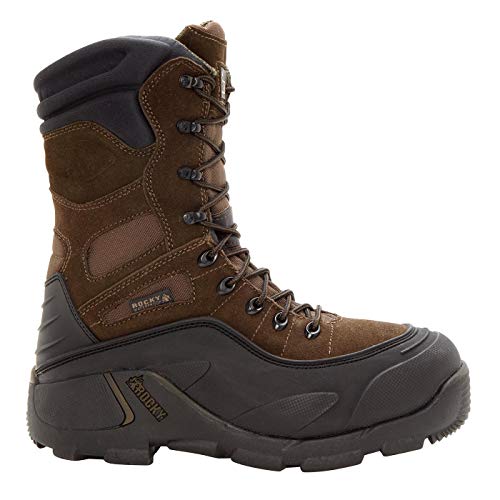
When operating in severe arctic conditions with prolonged exposure to deep snow and frozen terrain, the ROCKY Blizzard Stalker Steel Toe Waterproof 1200G represents the premier heavy-duty option. The massive 1200-gram Thinsulate package and waterproof construction shield your feet from freezing ambient temperatures during extended rural rescues. If your agency enforces strict ceremonial uniform standards requiring a high-gloss finish, the Thorogood GEN-Flex2 8” Side-Zip Black Tactical delivers exceptional storm-welt construction and polishable leather durability.
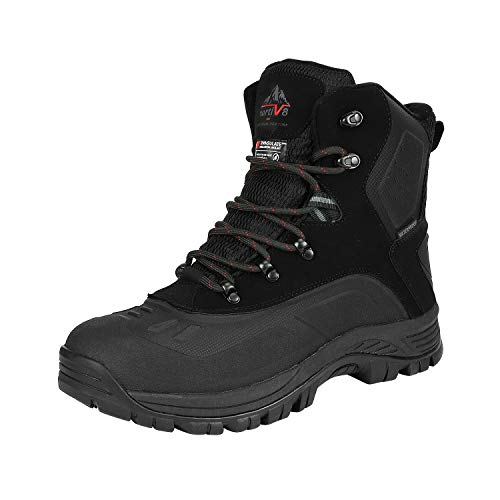
Budget-conscious first responders looking for dependable everyday traction and ankle protection can rely on the NORTIV 8 Men’s Military Tactical Boot for dependable all-terrain support. Female responders seeking an ergonomic, slip-resistant platform tailored to narrower foot shapes will appreciate the reliable side-zip construction of the CENNID Women’s Tactical Work Boots EMT EMS. For additional insights on equipment upkeep and operational gear, explore our first responder vehicle resources to keep your mobile setup prepared for winter.
Take time to break in new winter duty boots before your first major blizzard shift to prevent hotspots and blisters. Regularly inspect your outsoles for embedded gravel and treat leather uppers with protective conditioners to prolong service life through many winter seasons.
FAQs
What insulation level is ideal for Best EMT Boots for Winter in 2026?
For most municipal emergency responders, 400 grams of synthetic insulation offers the ideal compromise between outdoor warmth and indoor breathability. This weight keeps feet comfortable during roadside extrications while preventing excessive sweating inside heated hospital corridors. Personnel facing sub-zero rural conditions should consider 800 to 1200 grams for extreme thermal protection.
Are composite safety toes warmer than steel toes during winter shifts?
Yes, composite toes provide vastly superior thermal performance in freezing environments compared to steel caps. Steel acts as a thermal conductor, channeling ambient cold directly into the toe box and cooling your forefoot rapidly. Composite materials do not conduct heat, preserving foot warmth without sacrificing critical ASTM impact and compression protection.
How do I prevent side zippers from freezing or jamming in winter slush?
Prevent zipper failures by cleaning the teeth with warm water after shifts to remove dried road salt and abrasive grit. Coat the tracks with paraffin wax, beeswax, or food-grade silicone spray to repel moisture and stop ice from bonding to the teeth. Always close the hook-and-loop security tab over the zipper pull to keep out blowing snow.
Can tactical boots resist penetration from bloodborne pathogens and road chemicals?
Boots equipped with specialized waterproof membranes and sealed internal booties provide an effective physical barrier against hazardous liquids. However, first responders must verify whether specific boot models carry certified pathogen resistance standards. Periodically clean exterior leather with sanitizing wipes and conditioning treatments to prevent chemical degradation of the hide.
What tread pattern works best for walking on ice and packed snow?
The most effective winter treads incorporate soft, temperature-stable rubber compounds featuring siped lug blocks that create biting traction edges. Deep perimeter channels allow slush and soft snow to clear outward under foot pressure, preventing hydroplaning over slick pavement. Look for ASTM slip-resistant labels specifically formulated to grip wet and icy surfaces.
How much space should I leave in winter duty boots for heavy socks?
You should leave approximately a half-size of additional volume, or a thumb-width of space beyond your longest toe, when fitting winter boots. Boots that fit too tightly compress thermal sock fibers, destroying their insulating loft and constricting capillary blood circulation to the toes. Constricted blood flow significantly accelerates numbness and increases your susceptibility to cold weather injuries.
How can I protect polishable uniform leather from corrosive winter road salt?
Wipe down your boots with a solution of equal parts white vinegar and warm water immediately after exposure to salted streets. Once the leather dries, apply a natural wax polish to replenish lost oils and create an impermeable shield against future moisture. Routine conditioning prevents the brittle cracking that salt damage causes along dynamic flex points.
Why is an eight-inch shaft preferred over low-cut boots for winter operations?
An eight-inch shaft provides superior mechanical ankle stabilization when navigating uneven roadside ditches and snow-covered debris fields. The elevated collar also prevents freezing slush from cascading over the top of the boot when stepping into hidden roadside puddles. This height interfaces seamlessly with uniform trousers to form a continuous barrier against freezing wind and wet elements.
Can I wear dedicated snow-hiking boots on ambulance duty?
Dedicated snow-hiking boots frequently lack the polishable leather finish, fluid-barrier protection, and quick-donning side zippers required by public safety agencies. Additionally, oversized hiking soles can be clumsy on narrow ambulance pedals, potentially creating driving hazards during emergency transports. Consult our comprehensive gear index for footwear options that balance winter warmth with strict departmental uniform regulations.
Do insulated insoles make a noticeable difference in tactical duty boots?
Insulated insoles provide an exceptional thermal upgrade by interrupting conductive heat loss from frozen ground into the bottom of your feet. Footbeds constructed with wool felt, shearling, or radiant foil layers reflect body warmth back toward your feet while absorbing walking impacts. Ensure the added insole thickness does not uncomfortably squeeze your toes against the top of the toe box.


