Sedentary daily routines and joint stiffness often make traditional high impact exercise difficult to maintain consistently. Whole body vibration therapy provides an accessible alternative by stimulating rapid muscular contractions with minimal joint strain. These platforms allow users to activate core stabilizers and boost circulation within brief daily sessions.
Selecting the right setup among Best Consumer Grade Vibration Exercise Machines in September 2026 requires looking past marketing claims. Shoppers frequently misjudge platform motion styles, continuous motor durability, and actual displacement ranges when making their initial selection. Choosing an incompatible frequency profile can lead to frustrating workouts or ineffective therapeutic recovery.
Exploring our comprehensive health and family wellness resources helps clarify how passive movement tools support active recovery routines. This guide analyzes 10 leading options across structural durability, frequency modulation, and user safety. Use these insights to find a machine that matches your physical conditioning goals.





Vibration Motion Mechanics and Drive Types
Vibration platforms operate using distinct mechanical movement patterns that produce different physiological responses in the body. Pivotal or oscillating platforms rock side to side around a central fulcrum, mimicking the alternating motion of natural human walking. Linear platforms move straight up and down uniformly, delivering direct vertical acceleration across both feet simultaneously.
Tri-planar or 3D systems combine horizontal and vertical displacement to challenge multi-directional balance. Selecting the proper motion depends entirely on whether your primary objective is joint friendly lymphatic drainage, deep muscle recruitment, or balance rehabilitation. Oscillating motion creates larger pelvic tilts that engage the core, while linear vibration targets bone mineral density through rapid vertical loading.
Evaluate motor configurations carefully when comparing models in product specifications. True dual motor machines provide independent control over horizontal oscillation and vertical pulses, allowing tailored intensity combinations. Single motor units simulate multi-axis movement using mechanical linkages that often restrict frequency customization.
A practical rule of thumb is to choose oscillating platforms for low impact circulation and weight loss support. Select precise linear or multi-drive units if your focus centers on athletic conditioning or neuromuscular training. Matching the mechanical drive to your physical capability ensures sustainable long term use without excessive joint jarring.
Frequency Range and Hertz Calibration
Vibration frequency is measured in Hertz, which indicates the total number of vibration cycles generated per second. Low frequencies between 5 Hz and 15 Hz are primarily therapeutic, promoting lymphatic circulation, muscle relaxation, and balance training. Frequencies between 20 Hz and 45 Hz stimulate rapid involuntary muscle contractions that enhance tone and bone density.
Consumer grade machines often label speed settings with arbitrary numbers from 1 to 99 rather than true calibrated Hertz values. Look closely at technical spec sheets to confirm the actual mechanical frequency output of the motor across its speed range. A machine boasting 120 speed steps might only span a narrow 8 Hz to 14 Hz operational window.
Consulting our structured equipment selection guides can help you decipher technical fitness hardware specifications before purchasing. Genuine therapeutic platforms provide explicit Hertz ranges and steady cycle delivery without bogging down under heavy loads. Consistent frequency output ensures that your neuromuscular system receives the intended stimulus during every minute of use.
Verify that the low speed settings drop low enough for gentle recovery routines without vibrating uncomfortably through your head. A versatile machine should support smooth progression from soothing lymphatic drainage to rigorous strength conditioning without abrupt frequency jumps.
Amplitude Depth and Peak Displacement
Amplitude refers to the maximum vertical or lateral distance the platform plate travels during each vibration cycle. High amplitude machines deliver between 8 mm and 13 mm of peak displacement, producing strong physical movement that actively challenges balance. Low amplitude units keep displacement between 1 mm and 3 mm, prioritizing rapid micro vibrations over large physical movements.
On pivotal oscillating platforms, the effective amplitude varies depending on foot placement relative to the central pivot point. Placing your feet near the outer edges maximizes physical displacement and increases the muscular workload significantly. Keeping your stance close to the center reduces amplitude for gentle joint mobilization and sensitive balance sessions.
Compare peak to peak displacement figures rather than single direction measurements when assessing product listings. High amplitude paired with low frequency provides powerful core activation without high mechanical stress on delicate joint capsules. Conversely, high frequency with low amplitude delivers safe, targeted stimulation ideal for bone density support and nerve therapy.
Always verify that the platform surface provides clear visual markings or textured foot zones. Defined footing indicators allow you to reproduce exact stance widths and calibrate workout intensity precisely across successive exercise sessions.
| Motion Category | Typical Amplitude | Target Frequency | Primary Wellness Benefit |
|---|---|---|---|
| Pivotal Oscillation | 8 mm to 13 mm | 5 Hz to 15 Hz | Lymphatic drainage, mobility, and core balance |
| Linear Vertical | 1 mm to 3 mm | 20 Hz to 45 Hz | Bone density stimulation and neuromuscular recovery |
| 3D Tri-Planar | 2 mm to 6 mm | 15 Hz to 35 Hz | Dynamic muscular conditioning and joint stability |
| Curved Ergonomic | 9 mm to 12 mm | 8 Hz to 18 Hz | Foot arch support and deep tissue stimulation |
Motor Power Output and Continuous Duty Rating
The drive motor forms the mechanical core of any vibration platform, dictating continuous power delivery and long term reliability. Motors rated between 150 Watts and 400 Watts provide sufficient torque to maintain steady vibration cycles under substantial body weight. Undersized motors often slow down or overheat when a user stands away from the center of the platform.
Differentiate between peak surge wattage claims and true continuous duty power ratings when evaluating technical specifications. High quality direct current motors operate quietly and maintain constant frequency regardless of user movement or added resistance band load. Robust motor construction also prevents internal thermal throttling during extended ten to fifteen minute workout intervals.
Pairing reliable exercise hardware with supportive ergonomic living furniture creates a dedicated space for daily restorative health habits. A well built motor assembly minimizes operational hum and isolates internal mechanical vibrations away from sensitive electronic display components.
Prioritize machines engineered with brushless motors or reinforced internal drive cams for extended operational life. A reliable motor should maintain smooth, consistent oscillations without producing burning odors or rhythmic speed drops during demanding standing sessions.
Platform Surface Geometry and Ergonomic Footbeds
The structural shape and material coating of the footbed directly influence user comfort and mechanical force transmission. Modern platforms feature either traditional flat rectangular plates or advanced curved contours that cradle the natural arch of the human foot. Curved designs disperse downward pressure more evenly, reducing localized foot fatigue during extended standing exercises.
Examine the top deck material to ensure it uses high density anti slip silicone or durable non slip ABS composites. Textured acupressure nubs and integrated magnetic stones can stimulate plantar reflex points to relieve chronic foot soreness and tension. Smooth plastic surfaces become slippery when moisture accumulates, creating safety risks during dynamic workout sessions.
Platform width should comfortably accommodate shoulder width stances to ensure proper anatomical alignment during squats and lunges. Platforms narrower than 20 inches can restrict foot placement options and reduce the effective amplitude range available to taller users. Generous surface dimensions provide adequate space for seated poses, planks, and assisted stretching routines.
Choose an ergonomic curved deck if you suffer from plantar fasciitis or joint discomfort during flat standing exercises. The subtle lateral elevation supports proper ankle alignment and prevents awkward outward foot rolling while vibrating.
Structural Weight Capacity and Base Anchoring
A vibration machine must maintain complete physical stability on the floor while delivering strong mechanical oscillations upward. Premium consumer platforms feature reinforced internal steel frames rated to support user weights between 330 lbs and 450 lbs. Sturdy construction prevents frame flexing, which can absorb motor power and diminish therapeutic vibration delivery.
Base design is critical for preventing the machine from walking across tile, laminate, or hardwood floors during high speed operation. Heavy duty rubber suction cups or dense silicone leveling feet grip the floor tightly to absorb stray lateral force. Machines lacking secure base dampening create excessive floor rattle and can mar delicate household flooring over time.
Assess the total unit weight when balancing floor stability against room to room portability. Ultra lightweight units under 15 lbs may drift during high intensity programs, while platforms weighing 20 to 30 lbs stay planted securely. Integrated side handles or low profile built in rollers make repositioning heavier platforms effortless after completing your workout.
Always verify that the manufacturer specifies an authentic working load capacity rather than a static holding limit. A platform with substantial weight headroom operates smoothly without straining internal bearings or mechanical suspension joints.
Upright Handrails and Balance Support Configurations
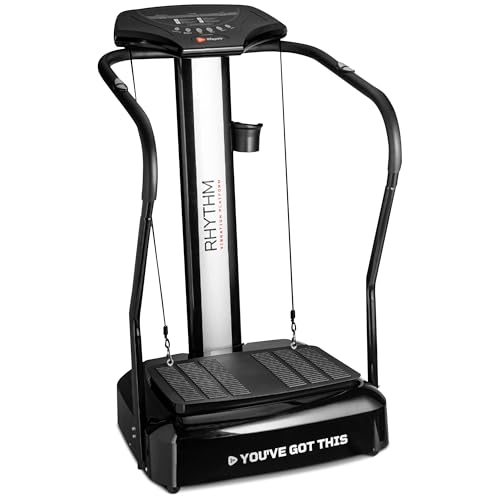
Vibration platforms are available as standalone compact floor pads or full height units equipped with integrated upright columns and handrails. Compact flat boards slide under beds or sofas easily, making them ideal for space constrained home environments. Full upright machines provide physical stabilization handrails that are essential for seniors or individuals recovering from mobility impairments.
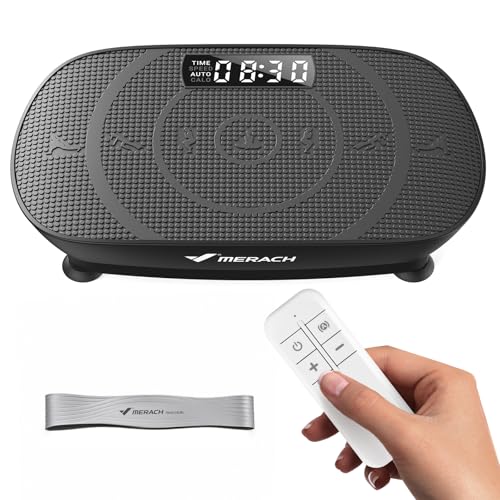
Standalone boards rely on user balance or nearby household furniture for stabilization during high speed oscillation. Adding upper body resistance bands expands exercise variety on flat boards, allowing simultaneous arm curls and shoulder presses. However, resistance cords cannot substitute for the rigid mechanical support of structural steel handrails during balance loss.
Upright columns frequently incorporate pulse sensors, secondary control consoles, and tablet mounts for enhanced workout tracking. These structural additions increase the total equipment footprint and require dedicated floor space in your home gym or living area. Weigh your personal stability requirements against available room dimensions before choosing between these two form factors.
If you or a family member experience dizziness, vertigo, or severe joint weakness, select a platform with rigid handrails. The tactile security of dual grab handles builds confidence and prevents accidental falls during standing balance routines.
Acoustic Noise Damping and Residential Isolation
Operating a high frequency vibration machine in an apartment or shared home requires effective acoustic noise dampening. Quiet consumer units utilize whisper quiet DC motors and precision internal bearings that operate below 40 decibels. The primary source of household noise is often structural floor resonance rather than the internal motor assembly itself.
Vibrational energy transferring directly into subflooring can cause annoying hums in adjoining rooms or lower level living spaces. Look for machines bundled with dense silicone dampening floor mats designed to isolate vibrational waves before they penetrate the floor. High quality internal dampening springs also isolate motor casing noise from the outer decorative plastic shell.
Inspect product reviews for mentions of mechanical clicking, plastic rattling, or excessive suction cup squeaking during use. Solid internal construction with minimal loose fasteners ensures whisper quiet operation during early morning or late night sessions. Low operational noise allows you to listen to podcasts or watch television comfortably while exercising.
Consider placing your vibration platform on a dense rubber equipment mat if you reside in a multi story apartment building. Secondary floor padding isolates vertical frequencies effectively and protects sensitive floor finishes from high speed micro friction.
Integrated Technology and User Control Interfaces
Effortless control interfaces enhance workout consistency by allowing seamless adjustments without breaking your exercise posture. Ergonomic wireless remote controls, wearable wrist remotes, or smart touch consoles let you modify speed settings instantly. Bending down to reach deck mounted buttons while the platform shakes can disrupt your balance and interrupt your exercise rhythm.
Clear LED or LCD displays should present real time feedback on elapsed workout duration, active speed levels, and selected program modes. Modern smart platforms also feature integrated Bluetooth audio speakers that sync with smartphones for streaming music or guided classes. Some advanced units include automatic step sensing sensors that adjust motor speed dynamically based on your physical movement patterns.
Evaluate the quality and variety of pre programmed workout routines included in the platform firmware. Pre-set interval programs alternate between low and high frequencies automatically to stimulate metabolic burn and maximize circulatory response. Intuitive controls ensure that both tech savvy athletes and older adults can navigate program settings without frustration.
Opt for platforms with responsive remote controllers that operate on radio frequency rather than narrow infrared line of sight. Reliable remotes respond instantly from any standing angle, keeping your hands free to hold balance cords or support rails.
Why You Should Trust Us
Our product analysis process relies on thorough evaluation of mechanical specifications, engineering designs, and verified user feedback. We systematically examine structural frame blueprints, motor continuous output ratings, and amplitude displacement measurements across consumer fitness categories. Our goal is to cut through promotional jargon and deliver honest, data driven guidance for home wellness equipment.
We compare operational safety certifications, weight load tolerances, and acoustic noise ratings across leading residential manufacturers. We monitor long term mechanical reliability patterns and component failure rates to identify equipment that withstands regular daily use. This structured review approach ensures our recommendations reflect authentic build quality, therapeutic efficacy, and exceptional value.
Our editorial team updates performance comparisons continuously to reflect firmware revisions, motor upgrades, and new hardware releases. We remain entirely independent, focusing strictly on functional performance metrics and verified consumer experiences. You can rely on our comprehensive guides to make confident, informed fitness equipment investments for your home.
Final Thoughts
Investing in whole body vibration hardware provides an efficient way to enhance daily circulation, ease muscle tension, and build core stability. The right machine matches your physical mobility level, available floor space, and desired therapeutic intensity. Reviewing our general wellness product reviews provides additional context for optimizing your daily physical fitness setup at home.
For users who require maximum balance support and comprehensive full body training, the Lifepro Rhythm Vibration Plate Exercise Machine is our top overall recommendation. Its sturdy upright column, integrated dual handrails, and wide 99 speed spectrum make it exceptionally safe for seniors and rehabilitating adults. The built in heart rate monitors and preset auto routines deliver a complete low impact workout station.
If space efficiency and affordability are your top priorities, the MERACH CV30 Pro Curved Vibration Plate Exercise represents the best overall value. Its unique curved silicone footbed cradles the foot arch securely while delivering deep 11 mm amplitude stimulation. The intelligent automatic step sensing mode and compact quiet motor make it ideal for quick movement breaks in home offices.
For advanced therapeutic recovery and targeted neuromuscular conditioning, the VT007 Vibration Plate Exercise Machine stands out for dedicated health applications. Its true linear vibration mechanism and precise 10 to 40 Hz frequency control deliver calibrated vertical pulses for bone density and nerve stimulation. Choose the platform configuration that best aligns with your daily health routine and physical wellness goals.
Frequently Asked Questions
How do Best Consumer Grade Vibration Exercise Machines work?
These machines utilize internal electric motors to oscillate or vibrate a stable standing plate rapidly. As the platform moves, your muscles undergo rapid involuntary contractions to maintain balance and stabilize your posture. This continuous muscular engagement stimulates blood flow, activates core stabilizers, and encourages lymphatic drainage with minimal joint impact.
How many minutes per day should I use a vibration exercise plate?
Most manufacturers and fitness experts recommend starting with sessions lasting 10 to 15 minutes per day. Because the rapid vibrations stimulate thousands of muscle contractions per minute, short sessions provide substantial physical benefits. Beginners should start with 5 to 10 minutes at low speeds before gradually increasing duration and intensity.
Can using a vibration platform assist with lymphatic drainage and circulation?
Yes, low frequency vibration stimulates rhythmic muscle contractions that act as a mechanical pump for the lymphatic system. This gentle pumping action promotes fluid movement, reduces fluid retention in the lower limbs, and enhances overall venous circulation. Regular ten minute sessions can significantly ease leg heaviness and post workout soreness.
What is the difference between oscillating and linear vibration platforms?
Oscillating platforms rock back and forth like a seesaw around a central pivot, creating higher amplitude movement that mimics walking. Linear platforms move straight up and down in a uniform plane, delivering higher frequency micro vibrations with lower displacement. Oscillating plates excel at core activation and weight loss, while linear plates target bone density and neuromuscular training.
Are vibration plates safe for seniors and individuals with joint pain?
Vibration platforms are generally safe and beneficial for seniors because they deliver low impact exercise that avoids joint pounding. Models equipped with sturdy upright handrails provide crucial balance support and stability during standing sessions. However, individuals with severe osteoporosis, recent joint replacements, or spinal disc issues should consult a physician before starting.
Do vibration machines make excessive noise in upstairs apartments?
Modern residential vibration machines operate below 40 to 50 decibels, producing very little direct motor noise. However, vibrational energy can transfer into floorboards if the machine is placed directly on bare hardwood or tile floors. Incorporating acoustic isolation materials like those discussed in our office acoustic noise reduction guide and using a dense rubber floor mat eliminates vibration transfer.
How does curved platform design compare to traditional flat footbeds?
Curved platform decks contour naturally to the arch of the human foot, providing better ergonomic support during standing exercises. This curved geometry disperses downward pressure across the entire sole and reduces localized strain on the plantar fascia. Flat platforms offer uniform surface area but can feel rigid during deep squatting or extended standing routines.
Can you lose weight by standing on a vibration plate every day?
Standing on a vibration plate elevates your metabolic rate and burns more calories than passive sitting or standing still. When combined with dynamic exercises like squats, lunges, and push ups, vibration training accelerates calorie expenditure and builds lean muscle. Consistent daily use paired with balanced nutrition supports healthy, sustainable weight management over time.
What safety precautions should be taken when using a vibration plate?
Always maintain a slight bend in your knees while standing on an active platform to prevent vibrational force from traveling into your skull. Never lock your joints rigidly, and avoid placing your head or neck directly on the vibrating surface. Beginners should position the machine near a sturdy wall or choose a unit with integrated handrails for balance support.
What is the most versatile speed configuration in Best Consumer Grade Vibration Exercise Machines for 2026?
The most adaptable platforms offer broad frequency control spanning gentle low speed recovery modes and high intensity muscle stimulation. Machines with 99 or more granular speed increments allow you to fine tune intensity to your exact comfort level. Preset automated programs that cycle through varied frequencies provide engaging interval workouts without manual adjustments.