

Nighttime navigation, automotive repairs, and rugged wilderness excursions demand dependable illumination that leaves your hands completely free. Navigating dark environments becomes significantly safer and more efficient when your light source moves naturally with your direct line of sight.
Finding high-performance gear among 7 Best Bright Headlamps in September 2026 requires looking beyond exaggerated marketing claims. Many casual buyers mistakenly prioritize raw advertised numbers while ignoring crucial factors like beam shape, sustained output, and long-term wearing comfort.
Whether you are preparing for nighttime trail runs or troubleshooting mechanical equipment in tight crawlspaces, selecting the proper lighting gear ensures optimal clarity. Explore our comprehensive guides for in-depth equipment breakdowns and practical recommendations.
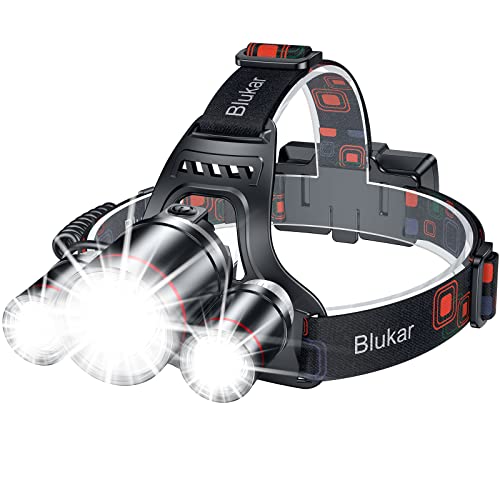

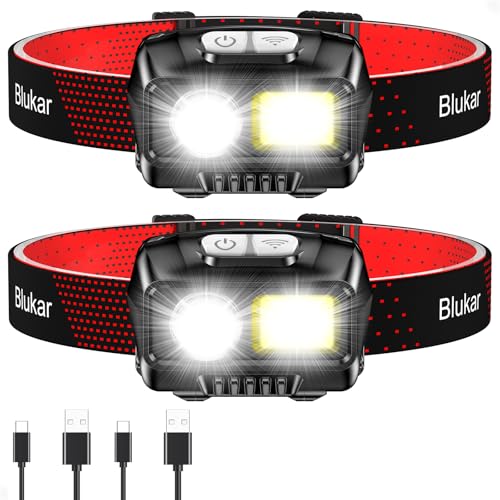


Selecting the ideal illumination tool requires balancing raw power with battery longevity, thermal stability, and overall physical comfort. Our comprehensive analysis breaks down the fundamental specifications you need to evaluate before making an informed purchasing choice.
True Lumen Output and Sustained Brightness
Luminous flux measures the total volume of visible light produced by an LED emitter in all directions. Manufacturers often showcase peak burst numbers that only last for thirty to sixty seconds before active thermal regulation lowers the output. Understanding the difference between burst output and sustained operational lumens prevents unpleasant surprises during extended night activities.
When evaluating lumen specifications, look for ANSI FL1 standard ratings that indicate how long a light maintains its brightness. A unit capable of maintaining 500 constant lumens for several hours provides better utility than a light that drops from 2000 lumens to 150 lumens after two minutes. Regulated driver circuits that deliver consistent brightness throughout the battery cycle are far superior to unregulated alternatives.
As a rule of thumb, close-up tasks like tent setup or reading require only 30 to 100 lumens to avoid blinding reflections. Fast-paced activities like trail running or nighttime cycling demand 300 to 800 sustained lumens for adequate forward visibility. Reserve ultra-high burst modes above 1500 lumens for brief navigational scans or locating distant trail markers.
Premium units incorporate intelligent regulation that gently scales back illumination rather than abruptly plunging you into complete darkness. This gradual transition allows your eyes to adapt naturally while alerting you that a recharge will soon be required. Always compare regulated step-down charts rather than single headline numbers when shopping.
Optical Design and Beam Profile (Spot vs Flood)
The optical arrangement determines how effectively an LED emitter projects light across your field of view. Spot optics utilize smooth parabolic reflectors or focused total internal reflection lenses to throw concentrated beams across long distances. In contrast, wide flood optics provide smooth peripheral coverage that mimics natural daylight across your immediate work area.
Working on mechanical repairs or setting up camp requires wide, uniform flood lighting without a harsh central hotspot that causes visual fatigue. Conversely, route finding on technical terrain requires a piercing spotlight with several hundred meters of throw distance to spot obstacles early. Advanced models incorporate dual-beam optics or optical zoom collars to offer both lighting profiles in a single unit.
Consider whether your primary use case involves stationary tasks or fast movement through dynamic outdoor environments. For mechanical projects and working on vehicles, check out our insights on auto & vehicles gear for related workspace illumination advice. Selecting a hybrid optical setup provides the greatest operational versatility across diverse scenarios.
Optical clarity is also influenced by lens coatings and reflector quality that minimize optical distortion. High-end polycarbonate and coated glass lenses preserve beam intensity while resisting scratches from low-hanging branches or abrasive dust. Inspect the beam pattern on a plain wall to verify that it provides a clean transition between the central hotspot and the peripheral spill.
Battery Capacity and Runtime Management
Battery capacity determines how many hours of functional light your gear can deliver before requiring a trip to the charger. Internal lithium-ion packs and modular rechargeable cells are measured in milliampere-hours, directly dictating operational stamina. Balancing battery size with total head-mounted weight is an essential consideration for every active user.
Lightweight headbands typically utilize integrated 1200mAh to 1500mAh lithium polymer batteries that prioritize featherweight comfort for short excursions. Heavy-duty industrial and outdoor units rely on high-capacity 18650 or 21700 lithium-ion cells that offer 3000mAh to 5000mAh of sustained energy. While larger cells add physical bulk, they deliver exceptional runtimes that span multiple nights without recharging.
A reliable calculation for runtime planning is to estimate your average power draw across medium brightness settings. A quality 18650 cell can effortlessly power a 200-lumen medium beam for ten to twelve hours of continuous operation. For multi-day expeditions, always choose units that allow quick cell swapping rather than sealed internal batteries.
Modern digital battery indicators with multi-segment LED readouts provide vital awareness of remaining energy reserves. Knowing your exact power level prevents accidental shutoffs in remote backcountry locations or cramped mechanical work environments. Always verify battery status before heading out into low-visibility settings.
Charging Interface and Dual-Fuel Capabilities
Modern illumination gear has largely transitioned to universal USB-C ports for rapid power delivery and widespread cable compatibility. This universal standard eliminates the need to pack proprietary charging cords when traveling or camping in remote locations. Fast-charging protocols can replenish large battery packs within two to four hours from portable power banks.
Dual-fuel technology allows headlamps to operate on both rechargeable lithium battery packs and standard alkaline or lithium primary disposable batteries. This flexibility is invaluable during extended power outages or remote wilderness trips where electrical outlets are unavailable. Having the option to insert standard AAA cells provides an immediate emergency backup plan.
When evaluating charging ports, ensure the rubber protective boot forms a tight, waterproof seal against moisture and fine debris. Some advanced units integrate waterproof internal USB-C sockets that resist liquid ingress even if the outer port cover accidentally pops open. This engineering redundancy prevents catastrophic internal short circuits during severe rainstorms.
Look for devices that support pass-through charging, allowing the light to operate while connected to an external battery pack. This feature lets you extend runtime indefinitely for stationary workspace tasks or overnight photography sessions. Verify whether the light supports all brightness levels or restricts output while plugged in.
Ergonomics, Weight Distribution, and Headband Construction
Overall comfort and weight distribution dictate whether you can wear a headlamp for hours without experiencing tension headaches. A light that weighs less than three ounces can sit comfortably on a simple single-strap elastic headband without bouncing during runs. Heavier models weighing five ounces or more require an overhead crown strap to distribute mass evenly across the skull.
The bracket mounting system should allow smooth vertical tilting across at least 45 to 90 degrees of adjustment. A secure ratcheting hinge ensures the beam stays locked at your chosen angle even during vigorous movement or jarring trail descents. Poorly constructed friction hinges often loosen over time, causing the beam to sag downward unexpectedly.
Breathable, moisture-wicking elastic materials prevent sweat accumulation and skin irritation during strenuous physical tasks. Some premium headbands include integrated silicone sweat channels that divert moisture away from your eyes and forehead. Detachable and washable straps ensure your gear remains fresh and hygienic after intensive summer workouts.
Many heavy-duty models feature right-angle designs where the flashlight body clips into a quick-release silicone or steel bracket. This modular construction allows you to instantly detach the light for use as a handheld flashlight, pocket work light, or magnetic utility lamp. Versatile mounting options dramatically increase the practical utility of your gear.
Thermal Regulation and Proximity Safety Sensors
High-output LEDs generate substantial thermal energy that must be dissipated efficiently to prevent permanent component damage. Aluminum alloy bodies act as natural heat sinks, conducting thermal energy away from delicate internal circuitry and optical components. Advanced temperature regulation circuits automatically throttle power when internal temperatures cross critical safety thresholds.
Without intelligent thermal throttling, a compact light generating thousands of lumens could overheat and damage its internal lithium battery cell. Modern driver circuits employ real-time temperature monitoring to modulate output smoothly without abrupt visual flickering. This active thermal control ensures maximum LED lifespan and protects the user from excessive housing temperatures.
High-end models also feature integrated proximity sensors positioned directly next to the primary optical emitter. If the sensor detects a solid object within a few inches, it instantly reduces output to prevent burning holes in clothing or gear bags. This safety feature prevents accidental heat damage when the device activates unintentionally inside a tightly packed backpack.
Always look for headlamps with lockout modes to complement thermal safety features during transit. A simple electronic button lockout or a quarter-turn mechanical tailcap disconnect prevents accidental activation in your luggage. Safe storage practices protect both your battery life and your surrounding travel gear.
Environmental Sealing, Durability, and Impact Resistance
Outdoor gear must withstand harsh weather conditions, accidental drops onto granite rocks, and exposure to airborne dust. The Ingress Protection rating system provides standardized ratings for water and solid particle resistance across all electronics. Understanding IP ratings helps you select equipment that can endure the exact environmental demands of your adventures.
An IPX4 rating provides basic splash resistance suitable for light drizzle, while IPX6 ratings withstand powerful high-pressure water jets from heavy storms. For complete peace of mind, IP68 rated gear offers total dust-tight sealing and continuous submersion in water beyond one meter of depth. Heavy-duty aluminum housings also deliver drop resistance ratings up to two meters onto hard surfaces.
When working indoors or in specialized hobby areas, matching your lighting to the task environment is just as important as choosing the best floor lamps for offices for focused desk work. Choosing industrial-grade metal construction ensures your equipment survives accidental drops from ladders, scaffolding, or workbench tops without cracking.
Inspect the lens bezel, battery cap O-rings, and bracket clips for robust manufacturing tolerances. Anodized aerospace aluminum provides superior scratch and corrosion resistance compared to basic molded plastic housings. Investing in rugged construction guarantees your illumination tool will function reliably through years of demanding field use.
Auxiliary Lighting Modes and Red Light Preservation
Monochromatic red LED lighting is an indispensable feature for preserving natural night vision during astronomical observation or reading trail maps. Human eyes require up to thirty minutes to develop dark adaptation, which a single flash of white light instantly destroys. Red light delivers sufficient contrast for close-range tasks while keeping your rod photoreceptors fully sensitized to the dark.
In addition to night vision preservation, red light does not attract swarms of flying insects during humid summer camping trips. It also prevents blinding your campmates during late-night conversations around the fire or inside shared expedition tents. Dedicated red flashing modes serve as highly visible emergency beacon signals during roadside breakdowns or outdoor rescue situations.
Secondary high-CRI (Color Rendering Index) white emitters are another valuable auxiliary lighting feature found in advanced headlamps. These warm, diffused LEDs reveal accurate colors and textures, making them ideal for delicate electrical wiring, first aid, or reading books. Evaluating auxiliary light modes ensures your tool adapts smoothly to diverse tasks without overpowering your immediate field of vision.
Dedicated buttons or direct-access shortcuts to secondary auxiliary modes prevent accidental blinding white flashes in pitch-black environments. High-quality interfaces allow you to power on directly into low red light without cycling through blinding white turbo modes. Seamless mode selection is essential for tactical, wildlife, and group camping scenarios.
User Interface and Motion Sensor Operation
A clumsy user interface that requires clicking through six different modes to turn off the light quickly becomes frustrating in the field. Modern headlamps feature intuitive single-button or dual-button layouts with long-press instant shutoff capabilities. Smart memory functions ensure the device turns back on in your previously selected brightness level rather than defaulting to maximum output.
Hands-free infrared motion sensors allow you to toggle the light on and off with a simple wave of your hand. This feature is particularly valuable when wearing thick winter gloves or when your hands are coated in grease from mechanical repairs. Having the option to enable or disable sensor mode ensures tree branches or close obstacles do not trigger unintentional switching.
Stepless dimming interfaces offer granular brightness control, allowing you to fine-tune illumination precisely to your current task requirements. By smoothly ramping between maximum power and ultra-low moonlight modes, you conserve battery energy and minimize visual fatigue. Intuitive controls make operation second nature even in high-stress emergency situations.
Button placement and tactile feedback are critical when operating lighting gear in freezing temperatures or complete darkness. Enlarged, textured switches can be located and pressed effortlessly while wearing heavy insulated winter gloves. Testing switch responsiveness ensures you can change modes quickly without removing your headwear.
| Feature Category | Entry-Level Lightweight | Mid-Range Outdoor | Heavy-Duty Industrial |
|---|---|---|---|
| Lumen Range | 200 to 500 Lumens | 800 to 2000 Lumens | 2000 to 3000+ Lumens |
| Housing Material | Molded ABS Polymer | Polymer & Aluminum | Anodized Aero-Grade Aluminum |
| Battery Source | Integrated 1200mAh Li-Po | 18650 Li-Ion / USB-C | 21700 Li-Ion / Dual-Power |
| Waterproof Rating | IPX4 to IPX5 | IPX6 to IP68 | IP68 Submersible |
| Ideal Use Cases | Jogging, Dog Walking, DIY | Backpacking, Night Hiking | Search & Rescue, Auto Repair |
Why You Should Trust Us
Our gear recommendations are built upon rigorous technical analysis, manufacturer specification verification, and comparative engineering evaluations. We carefully evaluate luminous flux curves, driver efficiency, ingress protection ratings, and optical lens materials across competing brands. By prioritizing verifiable technical performance over promotional marketing buzzwords, we provide readers with dependable buying advice.
We consistently track real-world user experiences across varied operating conditions, from sub-zero mountain trails to humid automotive repair garages. Our review framework examines sustained brightness regulation, switch durability, and bracket longevity to determine how well equipment holds up over years of use. This balanced data approach ensures that only exceptionally reliable products earn a spot in our guides.
Editorial independence remains at the core of our publishing process, and our rankings are never influenced by outside brand sponsorships. We continuously update our comparative guides to reflect new battery chemistries, optical innovations, and firmware improvements. Our commitment is to deliver transparent, objective information that helps you choose the perfect hands-free light for your specific needs.
Final Thoughts
For demanding outdoor adventurers and professionals requiring maximum durability, the Nitecore HC65 UHE Headlamp stands out as our top overall recommendation. Its rugged aero-grade aluminum chassis, IP68 submersible sealing, and versatile triple-output LED layout provide unbeatable performance in extreme environments. The combination of intense primary illumination and dedicated reading and red auxiliary lights handles virtually any task with ease.
If you need exceptional lightweight performance on an accessible budget, the Blukar LED Headlamp Rechargeable delivers outstanding everyday value. Weighing under three ounces, it combines stepless dimming, responsive motion sensor controls, and dependable USB-C charging for casual jogging, camping, and home DIY projects. It proves that you do not need to spend heavily to acquire dependable hands-free illumination.
For heavy-duty trade work and automotive mechanics requiring maximum illumination and magnetic mounting versatility, the Fenix HM71R Headlamp, 2700 Lumen Super Bright is a premier industrial choice. Its right-angle detachable design, massive 2700-lumen spotlight, and integrated magnetic base allow it to transition effortlessly between a headband and a stationary work light. Those interested in additional specialized tool categories can explore our Uncategorized hub for broader gear insights.
Alternatively, users who value adjustable focusing optics and dual-power battery flexibility should consider the Coast XPH34R 2700 Lumen USB-C Rechargeable-Dual or the proximity-sensing OLIGHT Perun 3 Headlamp Rechargeable, Red Light. Investing in a high-caliber lighting tool guarantees safety, clarity, and dependable performance whenever darkness falls.
FAQs
How many lumens do you actually need for Best Bright Headlamps in 2026?
For standard camp chores and close-up reading, 50 to 100 lumens provides plenty of clarity without blinding glare. Fast-paced trail running and technical night hiking typically require 300 to 600 sustained lumens to spot obstacles in advance. Outputs exceeding 1500 lumens are best used for short search bursts to locate distant trail markers or navigate unfamiliar terrain.
What is the primary difference between floodlight and spotlight beams?
Floodlight beams disperse light evenly across a wide angle to illuminate your immediate surroundings without a distracting center hotspot. Spotlights use specialized parabolic reflectors or focused lenses to throw a tight beam across hundreds of meters. Many modern headlamps offer hybrid optical designs that combine both beam types for maximum versatility.
How does cold winter weather affect headlamp battery performance?
Freezing temperatures slow down the electrochemical reactions inside lithium-ion batteries, temporarily reducing effective capacity and output voltage. You can mitigate this cold weather drain by keeping spare rechargeable cells inside an insulated jacket pocket close to your body heat. Some cold-weather adventurers also utilize remote battery packs worn beneath winter outerwear.
Why is red light mode important on outdoor headlamps?
Monochromatic red light preserves your eyes’ natural dark adaptation, allowing you to read maps or walk around camp without destroying your night vision. It also prevents dazzling your companions during late-night group activities and does not attract swarms of insects. Additionally, red flashing modes serve as vital distress signals during roadside emergencies.
What is the advantage of a right-angle detachable headlamp design?
Right-angle headlamps can be removed from their headband brackets and used as versatile handheld flashlights or clipped onto chest straps. Many right-angle models also feature magnetic tailcaps, allowing you to attach them directly to steel automotive surfaces for hands-free work. This modular multi-purpose construction provides immense utility across diverse trade and outdoor tasks.
How do infrared motion sensors work on modern headlamps?
Infrared motion sensors detect the physical movement of your hand passing within a few inches of the front lens bezel. This feature allows you to power the light on or off without touching buttons when your hands are muddy, oily, or covered in thick winter gloves. Quality headlamps allow you to disable this sensor mode to prevent accidental switching in thick brush.
What does an IP68 waterproof rating mean for rugged headlamps?
An IP68 ingress protection rating signifies that the device is completely dust-tight and fully protected against solid particle ingress. It also means the headlamp can withstand continuous immersion in water beyond one meter of depth under specified pressure conditions. This level of environmental sealing ensures dependable operation during torrential downpours and accidental water drops.
Can I use standard alkaline batteries in rechargeable headlamps?
Dual-fuel headlamps are specifically engineered to accept both dedicated rechargeable lithium battery packs and standard disposable alkaline or lithium AAA cells. However, standard rechargeable models with sealed internal batteries cannot accept disposable primary cells. Always check manufacturer specifications before attempting to insert alternative battery types.
How does thermal regulation protect high-lumen headlamps?
Thermal management circuits continuously monitor the internal temperature of the LED emitter and driver board during operation. When heat reaches critical thresholds, the intelligent circuit automatically steps down the brightness level to prevent hardware damage. This active throttling ensures safe casing temperatures and prolongs the operational lifespan of the internal components.
How can I prevent my headlamp from accidentally turning on inside a backpack?
Most advanced models incorporate an electronic lockout mode activated by holding down the primary power switch for several seconds. For lights with removable battery compartments, you can also perform a mechanical lockout by twisting the tailcap a quarter turn counter-clockwise. Locking your light during transit prevents dead batteries and eliminates fire hazards caused by trapped heat.


