

Cultivating healthy plants without soil requires containers that handle constant moisture, nutrient salts, and root expansion. Choosing the right basin prevents catastrophic water leaks and protects delicate root systems from destructive pathogens.
We examined 4 top options for September 2026, analyzing resilient offerings from Tuff Stuff, Kiicii, Buyitt and more across diverse growing methods. Whether you assemble a compact indoor shelf system or a sprawling greenhouse network, the right container ensures consistent biological stability.
Sturdy platforms are just as essential for indoor gardening as they are for tidy workspaces. If you plan to set up a butcher block desk top for heavy indoor plant staging, selecting heavy-duty basins prevents structural warping and water damage.


Food-Safe Plastic Materials and Chemical Leaching
The chemical composition of your hydroponic basin directly influences the safety and purity of your edible crops. Low-grade plastics can leach plasticizers, bisphenols, and heavy metals into nutrient solutions when exposed to prolonged water contact.
High-density polyethylene, polypropylene, and certified food-grade resins represent the gold standard for clean cultivation. Look for resin identification codes stamped onto the bottom of the container to verify food contact safety.
Uncertified utility totes often contain recycled industrial scrap that degrades rapidly under acidic fertilizer conditions. Always inspect manufacturer food-safety certifications before using commercial containers for leafy greens or fruiting vegetables.
Light Opacity and Algae Suppression
Algae growth consumes dissolved oxygen, throws nutrient balance off course, and fouls water pumps inside your reservoir. Microscopic photosynthetic organisms thrive whenever light penetrates through container walls into the wet root zone.
Solid black, opaque tan, or deeply pigmented containers block photosynthetic light transmission completely. Translucent plastic tubs allow ambient light to fuel green slime blooms along the interior reservoir surface.
A simple flashlight test helps verify whether your container material provides adequate optical density. Shine a bright light against the outer wall in a dark room; if light filters through the plastic, paint or wrap the exterior before planting.
Structural Rigidity and Water Weight Capacity
Water weighs more than eight pounds per gallon, placing enormous outward pressure on the sidewalls of any basin. Thin storage bins frequently bulge, bow outward, and crack under the sheer mass of several gallons of nutrient fluid.
Reinforced upper rims, ribbed sidewalls, and molded bottom channels distribute hydrostatic pressure evenly across the structure. Heavy wall thickness prevents sudden seam failures that could flood your indoor grow space and ruin flooring.
When evaluating basin strength, look for reinforced exterior corners and structural gussets along the top edge. Basins with sturdy lip designs support heavy net pots filled with wet clay pebbles without sagging downward.
Hydroponic Method Compatibility
Different hydroponic techniques impose unique physical demands on your growing tubs and nutrient reservoirs. Deep Water Culture systems require deep basins with stable lids, while passive setups rely on air space above dropping water levels.
Dutch bucket systems demand tall, narrow containers equipped with bottom siphon ports to facilitate continuous irrigation cycles. Shallow bus tubs excel for microgreen flood trays, germination nurseries, or compact benchtop ebb-and-flow setups.
Match your tub selection to your intended plumbing configuration, irrigation frequency, and root architecture. Selecting specialized designs like Bato buckets saves significant DIY modification time and prevents plumbing leaks.
Reservoir Volume and Root Zone Clearance
Reservoir volume determines how quickly nutrient concentrations, water temperatures, and pH levels drift between maintenance checks. Larger water volumes act as thermal and chemical buffers, making your growing system far more forgiving to manage.
A helpful rule of thumb is allocating at least one to two gallons of reservoir volume per small leafy plant. Large fruiting crops like tomatoes, squash, and cucumbers require three to five gallons of dedicated root space per vine.
Generous vertical depth provides ample clearance for root masses to expand without choking submersible pumps. Adequate head space also prevents roots from clogging return plumbing lines and causing unexpected overflow spills.
Drainage, Siphon Fittings, and Plumbing Customization
Clean drainage routing prevents stagnant nutrient zones and root rot in recirculating or run-to-waste systems. Your tub material must withstand drilling with hole saws without splintering, cracking, or developing micro-fissures.
Polypropylene and flexible polyethylene containers yield smooth, burr-free circular cuts for rubber grommets and bulkhead fittings. Brittle polystyrene tubs tend to shatter under drill pressure, creating persistent leak points around drain ports.
Built-in siphon elbows, such as those in commercial Dutch buckets, maintain a shallow reservoir reserve during pump outages. This safety reserve keeps root tips hydrated even if your power supply or irrigation timer temporarily fails.
Lid Fit, Stacking Stability, and Aeration Ports
Snug-fitting lids prevent airborne dust, pest insects, and stray plant debris from contaminating your nutrient solution. Loose covers also allow rapid evaporation, which drives up salt concentrations and damages delicate root hairs.
Rigid lids support the physical weight of heavy net pots, sprawling vines, and dense expanding foliage. Lids with molded stacking grooves allow you to nest spare tubs neatly during system cleanouts and off-season storage.
Dedicated airline cutouts or grommet ports prevent air tubing from getting pinched by tight container lids. Smooth tubing access preserves full airflow to your airstones, sustaining the high dissolved oxygen levels roots need.
Material Flexibility and Chemical Resistance
Hydroponic nutrient solutions contain mineral salts, low-level acids, and organic supplements that attack vulnerable plastic compounds. Low-quality plastics become brittle over time, leading to sudden stress cracking during routine reservoir maintenance.
Industrial-grade tubs formulated from chemically inert polymers resist corrosion from harsh pH adjusters and sanitizers. Flexible materials absorb minor bumps and vibrations from water pumps without fracturing under continuous mechanical stress.
UV-stabilized plastics provide essential longevity if your hydroponic system operates under intense high-output grow lights or direct sunlight. Standard storage plastics degrade under ultraviolet exposure, turning yellow, chalky, and brittle within months.
Cleaning Maintenance and Bacterial Biofilm Control
Smooth, non-porous interior surfaces prevent mineral scale accumulation and stop bacterial biofilms from anchoring inside the tub. Rough plastic textures trap organic residues, providing breeding grounds for pathogenic pythium root rot between crop cycles.
Rounded internal corners and seamless one-piece moldings make scrub-downs fast, thorough, and effortless between growing batches. Avoid containers with intricate internal ridges or crevices that resist standard chemical sanitization procedures.
Maintaining clean surfaces is just as important for plant health as it is to clean and care for your stackable chair in clean living environments. Regular sterilization with food-grade hydrogen peroxide or mild bleach preserves fresh, sterile growing conditions.
| Tub Style | Ideal System Type | Typical Volume | Key Material Advantage | Best Crop Match |
|---|---|---|---|---|
| Dutch Bato Bucket | Drip Recirculating | 11 Liters | Integrated siphon elbow drainage | Tomatoes, peppers, cucumbers |
| Commercial Bus Tub | Kratky or Flood Tray | 13 Liters | Food-grade PP with stacking lid | Microgreens, lettuce, herbs |
| Heavy Utility Basin | Main Reservoir or Biofilter | Small to Medium | Ultra-flexible crack resistance | All system nutrient holding |
| Modular Herb Planter | Passive Kratky Planter | Compact Benchtop | Opaque light-blocking walls | Windowsill culinary greens |
Why You Should Trust Us
Our indoor gardening evaluation process relies on objective material analysis, structural engineering principles, and verified horticultural science. We assess resin safety codes, wall thicknesses, and light transmission ratings to ensure every recommendation protects your plants and your home.
Rather than relying on superficial marketing claims, we verify manufacturer specifications across chemical resistance, drainage adaptability, and hydrostatic load ratings. We cross-reference plumbing dimensions and fitting tolerances so you avoid frustrating assembly mismatches and catastrophic water leaks.
Just as responsible facility managers maintain your office first aid kit for reliable emergency readiness, we prioritize safety-first equipment recommendations. Our objective ratings highlight dependable construction, food-grade materials, and long-term functional value.
Final Thoughts
Selecting the right container sets the foundation for vigorous plant development, trouble-free plumbing, and consistent harvest yields. The ideal tub matches your available space, chosen growing method, and specific plant root volume requirements.
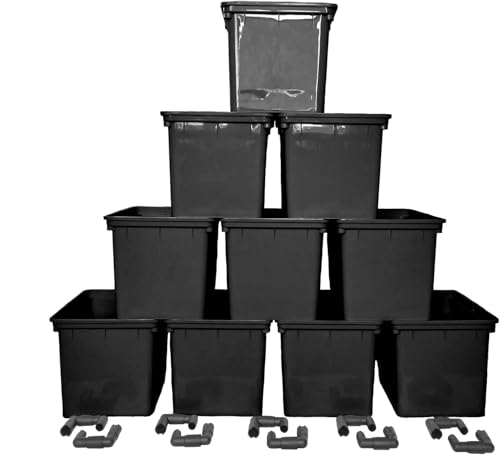
For large vining crops like greenhouse tomatoes and sweet peppers, we recommend the 10-Pack Dutch Bucket Hydroponic System. Its built-in siphon elbows, food-grade durability, and modular expandability make it an exceptional choice for serious growers.
If you need an ultra-tough basin for central nutrient reservoirs or heavy aquaponic bio-filters, the Tuffstuff KMM101 Aquaponics Tub, Small delivers outstanding structural strength. For compact starter setups, microgreens, or organizing plumbing pumps, the Buyitt 3-Pack 13 L Plastic Commercial Bus Tub offers versatile food-safe utility at great value.
Beginners seeking a turnkey windowsill garden will appreciate the simple, light-blocking design of the Kiicii Kratky Method Hydroponic Planter Kit. Pairing durable containers with organized cable routing helps you troubleshoot standing desk cable tray problems and maintain an uncluttered indoor growing oasis.
Frequently Asked Questions
What makes Best Tubs for Hydroponics superior to standard storage totes in 2026?
Specialized hydroponic tubs feature UV-stabilized, food-grade resins and superior wall thickness to withstand heavy water weight. They offer complete light opacity to prevent algae blooms and resist chemical degradation from acidic fertilizers.
Can you use clear plastic storage tubs as hydroponic reservoirs?
Clear plastic tubs permit light to penetrate directly into your nutrient solution, sparking aggressive algae blooms and root diseases. If you must use clear bins, wrap them thoroughly in dark duct tape or reflective foil to block all light transmission.
How many gallons of water should a hydroponic tub hold per plant?
Small greens like lettuce, spinach, and herbs thrive with one to two gallons of nutrient solution per plant. Larger fruiting crops like tomatoes, peppers, and cucumbers require three to five gallons per plant to ensure sufficient root space.
Which plastic resin codes are safe for growing edible vegetables?
Plastics stamped with resin identification codes 2, 4, and 5 are widely considered the safest for edible hydroponic gardening. These materials do not leach harmful phthalates, bisphenol compounds, or toxic plasticizers into water.
How do you drill drainage holes in plastic tubs without cracking them?
Use sharp hole saws or step drill bits running at moderate drill speeds to make clean, circular cuts. Placing a scrap block of wood behind the drilling surface prevents plastic flexing and stops tear-out fissures from forming.
Why is lid rigidity critical for Deep Water Culture and Dutch bucket setups?
A flimsy lid will bow downward under the combined weight of wet grow media, net pots, and heavy mature plants. Rigid lids keep your plants upright, prevent root crowns from submerging improperly, and maintain tight light seals.
How often should you clean and sterilize your hydroponic tubs?
Clean your nutrient reservoirs thoroughly every two to three weeks during regular water changes to remove salt scale. Perform a complete sterilization scrub with food-grade sanitizers between crop harvest cycles to eradicate harmful pathogens.
Do black hydroponic tubs absorb too much heat from indoor grow lights?
Black tubs can absorb radiant heat from powerful grow lights, potentially raising water temperatures above the ideal range. Placing white reflective covers over the lid or wrapping the basin exterior keeps water cool while blocking algae.
How do you prevent water leaks when connecting multiple Dutch buckets together?
Ensure your drain pipes maintain a continuous downward slope toward the main return reservoir to prevent backpressure. Use high-quality rubber grommets or threaded bulkhead fittings and inspect all connections under full water pressure before planting.
Can commercial plastic bus tubs be used for Kratky microgreen setups?
Food-grade commercial bus tubs provide an ideal shallow footprint for growing high-density microgreens and wheatgrass. Their smooth surfaces make post-harvest cleaning effortless, and grooved lids allow secure stacking during dark germination phases.


