

Chair upholstery demands a delicate balance between driving power and tactile precision. Stripping away worn fabrics and stretching new velvet or vinyl across solid wood frames quickly tests the limits of basic household tools. Having the right fastening equipment prevents puckered edges, split hardwood, and bruised palms across afternoon restoration sessions.
In our September 2026 market evaluation, we examined 7 top-tier tools from established brands like Arrow Fastener, meite, YEAHOME and more. Many novice woodworkers ruin intricate trim by using overly bulky framing staplers that cannot navigate recess channels or tight corners. You can explore our foundational furniture and comfort guide to see how structural seating frames benefit from proper fastener selection.
Choosing between manual hand tackers and air-powered pneumatic units depends heavily on your project scope and physical endurance. This guide clarifies gauge ratings, crown measurements, and clearance geometries so you can invest with complete confidence. We help you avoid frequent misfires, inadequate staple penetration, and costly fabric tears on your favorite family heirlooms.


Power Source: Manual Versus Pneumatic Systems
Deciding between a manual hand squeezer and a compressed air system fundamentally defines your upholstery workflow. Manual staplers provide absolute portability without noisy hoses, making them ideal for quick dining seat replacements in a home apartment. However, driving dozens of staples into seasoned kiln-dried maple will rapidly exhaust forearm tendons and cause inconsistent depth.
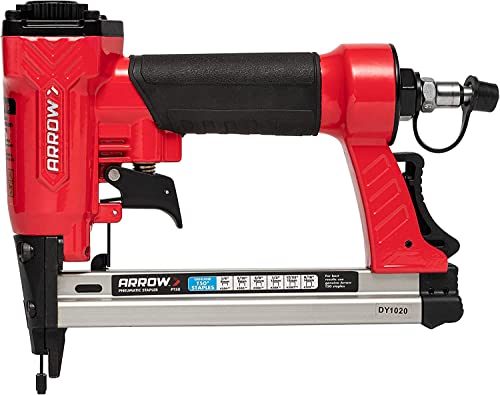
Pneumatic upholstery staplers rely on constant air pressure from a workshop compressor to seat every fastener flush instantly. The featherlight trigger pull eliminates hand fatigue entirely, enabling steady fabric tensioning while you secure delicate patterns. The trade-off involves managing an air hose around chair legs and maintaining an active air compressor within earshot.
For a single occasional chair seat recover, a high-leverage manual model will easily complete the assignment without auxiliary equipment. When tackling complex armchairs, channel tufting, or complete living room suites, pneumatic equipment delivers professional speed and uniform tension. Consider your workspace noise tolerance and project frequency before committing to a specific operating format.
Wire Gauge and Crown Size Selection
Fastener dimensions govern both holding power and fabric preservation across different furniture styles. Traditional heavy-duty manual guns frequently utilize thick T50 staples with flat wire that grips robust webbing securely. Fine furniture upholstery, conversely, often demands thinner 21-gauge or 22-gauge wire with specialized crown widths to prevent severing delicate threads.
Crown width refers to the top horizontal span of the staple bridging across your fabric surface. A wider crown of 3/8-inch or 1/2-inch distributes retention tension across woven textiles without punching straight through decorative layers. If your staple wire is excessively thick, it will split fragile antique chair rails and leave unsightly visual scarring along exposed trim.
Always match the fastener series to both your tool magazine and the structural wood species of your chair frame. For general chair repairs, standard T50 wire offers versatile utility across house wrap, insulation, and thick upholstery fabrics. For specialized tufting or thin velvets, dedicated 71-series or 80-series fine wire fasteners provide clean holding power without visible surface bulk.
Nose Extension and Tight Corner Clearance
Standard flat-nosed utility staplers struggle when you need to fasten webbing deep within recessed chair crevices. An extended nose configuration protrudes one to two inches past the tool housing, giving you clear sightlines into narrow wooden joints. This specialized snout ensures the staple crown seats perfectly flat rather than canting sideways against contoured chair profiles.
Navigating the tight junction where a chair arm meets the backrest requires pinpoint tool placement under tension. When a wide tool body obstructs your view, staples frequently glance off hardwood curves and fail to anchor properly. A tapered extended nose lets you press directly into corner creases without snagging or crushing surrounding foam padding.
Evaluate whether your furniture designs feature decorative serpentine frames, deep fluting, or recessed welt channels before buying. While a flush-nosed model works nicely on flat drop-in seat boards, complex carved furniture demands long-nose clearance. Choosing an extended nose tool prevents accidental frame marring and saves hours of frustrating staple pulling.
Penetration Depth and Power Adjustment
Wood density varies dramatically between vintage oak dining chairs and modern composite plywood seat platforms. A staple gun without variable power controls can drive fasteners completely through thin fabric into soft pine, severing woven backing threads. Conversely, underpowered strikes leave staple crowns protruding, which creates painful snags and loosens tightly stretched material over time.
Manual staple guns achieve force variation through internal spring-tensioning knobs or dual-power toggle switches on the body. Flipping to low power allows clean fastening into delicate softwoods without fabric blowout, while high power tackles dense birch frames. Pneumatic staplers achieve similar depth calibration by adjusting the regulator dial on your attached air compressor line between 70 and 90 PSI.
Perform sample strikes on an unseen section of your chair frame before fastening your finished upholstery layers. Adjust your tension knob or line pressure until the staple crown rests perfectly flush against a test swatch of fabric. Precise calibration ensures maximum mechanical grip without slicing fragile weave structures or denting soft decorative borders.
Magazine Capacity, Reloading Speed, and Jam Clearance
Continuous rhythm matters immensely when pulling tight fabric corners, making magazine design a central consideration. Quality upholstery staplers feature bottom-loading or rear-sliding magazines that accept full fastener strips ranging from 100 to 180 units. High-capacity channels minimize mid-project interruptions, allowing you to secure complex curved folds before tension slips from your fingers.
Fastener jams inevitably happen when striking hidden nails, knot holes, or dense hardwood grain boundaries within older frames. Quick-release latches allow you to clear stuck staple legs within seconds without disassembling the entire mechanical firing chamber. Clear viewing windows along the magazine track also alert you before the chamber runs completely dry during critical pulling maneuvers.
When evaluating magazines, look for hardened steel guide rails that resist deformation from accidental drops or heavy workshop usage. Flimsy plastic followers can twist under spring pressure, leading to persistent misfeeds and double-staple jams mid-strike. A smooth, solid-action latch mechanism keeps your upholstery project moving forward smoothly without unnecessary frustration.
Grip Ergonomics, Weight Balance, and Hand Strain
Reupholstering a set of six dining chairs requires driving hundreds of individual fasteners into awkward angles. A poorly balanced tool with an overly stiff squeeze handle induces painful palm blistering and repetitive strain injuries. Ergonomic over-molded rubber grips dampen kinetic shock and help maintain a secure grip when your hands grow tired or sweaty.
Tool balance dictates how accurately you can place staples when working underneath chair rails or inside inverted frames. Pneumatic tools typically feature lightweight cast aluminum bodies that weigh less than two pounds, distributing weight evenly across your wrist. In contrast, heavy all-steel manual tackers provide substantial inertia, yet their front-heavy distribution can quickly fatigue smaller hands during prolonged vertical use.
If you opt for a manual tacker, examine the trigger handle pivot location relative to your grip fingers. Forward-pivot levers require significantly less squeeze force than traditional rear-lever designs, protecting your knuckles during extended sessions. For individuals managing arthritis or grip fatigue, an air-powered model paired with a quiet workshop compressor delivers unmatched comfort.
Clean Exhaust Direction and Fabric Protection
Pneumatic tools require periodic oil lubrication to keep internal pistons, O-rings, and valves operating smoothly over years of use. However, conventional forward-facing air exhausts can spray minute oil droplets and moisture directly onto delicate upholstery textiles. Premium upholstery staplers incorporate rear-facing exhaust deflectors or integrated silencers that channel exhaust air safely away from your fabric.
In oil-free pneumatic models, internal components utilize specialized self-lubricating synthetic seals that completely eliminate the need for regular oiling. This design eliminates the threat of grease spots ruining antique damask, light linen, or untreated leather hides. Directing pressurized discharge air backward also keeps dust and wood shavings from blowing into your eyes while working close up.
Always pair your air tool with an inline moisture filter if you operate an oil-lubricated compressor in humid workshop environments. Keeping your workspace pristine protects your upholstery investment, much like installing quality wall panels for workshop acoustics shields your home from compressor noise. A clean exhaust system guarantees that pristine fabrics remain completely spotless throughout the entire fastening process.
Tool Construction, Housing Materials, and Durability
Upholstery workshops expose fastening tools to high-impact drops, vibration, and continuous mechanical stress over hundreds of operating cycles. Tools featuring all-steel housings heat-treated in high-temperature furnaces resist cracking, warping, and bending under high spring tension. Similarly, die-cast aluminum pneumatic housings provide rigid strength while keeping overall tool weight manageable during overhead chair fastening.
Internal components such as the driver blade and bumper absorb immense kinetic shock with every single actuation cycle. Hardened steel driver blades prevent chipping or dulling when encountering dense wood knots, while synthetic bumpers cushion piston rebound. Substandard components quickly lead to skipped cycles, deformed staple crowns, and premature internal mechanical failure during critical renovation tasks.
Inspect the quality of exterior finishes, opting for chrome plating or durable powder coatings that actively resist oxidation. In damp garage workshops or basements, unplated steel parts can develop surface rust that transfers directly onto clean upholstery fabric. Investing in robust commercial-grade construction ensures your staple gun remains ready for projects across decades of active service.
Safety Mechanisms and Dual-Actuation Systems
Power fastening tools generate significant driving velocity capable of puncturing fingers or deflecting off concealed hardware. Manual staple guns should incorporate positive handle-locking latches that secure the trigger flush against the frame during tool storage. This safety lock prevents accidental discharge when digging into a crowded toolbox or transporting gear between work areas.
Pneumatic upholstery staplers typically employ dual-trigger safety systems or mechanical contact nose bars to prevent unintended firing. A dual-trigger configuration requires pulling a secondary release lever before the primary valve opens, preventing misfires if the tool brushes against clothing. Contact trip mechanisms require pressing the nose firmly against the wooden frame before the internal driver blade can actuate.
When working with delicate fabrics, verify that contact safeties do not leave permanent indentation rings or scuffs on soft materials. Many high-end upholstery staplers use light secondary trigger latches instead of aggressive spring-loaded contact tips for this very reason. Balancing accidental discharge prevention with fabric surface protection ensures both personal workshop safety and blemish-free furniture results.
| Staple Gun Category | Typical Fastener Gauge | Crown Width Profile | Primary Power Source | Best Application for Chairs |
|---|---|---|---|---|
| Extended-Nose Pneumatic | 21 or 22 Gauge | 3/8 Inch to 1/2 Inch | Air Compressor (70-90 PSI) | Deep crevices, piping channels, ornate wooden curves |
| Standard Pneumatic T50 | Heavy-Duty Wire | 3/8 Inch Crown | Air Compressor (70-100 PSI) | High-volume webbing, dense seat frames, base dust covers |
| Multi-Fastener Manual | T50, JT21, Brad Nails | Varies by Magazine Tray | Manual Hand Spring Lever | Quick dining cushion swaps, light decorative trim |
| All-Steel Manual Tacker | Heavy-Duty T50 Wire | 3/8 Inch Crown | High-Leverage Hand Squeeze | Flat seat boards, heavy burlap, structural support bands |
Why You Should Trust Us
Our review methodology centers on rigorous technical analysis of mechanical tolerances, drive consistency, and ergonomic balance. We systematically evaluated dynamic performance metrics across 7 leading fastening tools to determine which models reliably seat staples into furniture-grade hardwoods. Our research prioritizes real-world workshop conditions, assessing how tool geometry, magazine reliability, and handle clearance affect fabric stretching accuracy.
Rather than relying on generic manufacturer claims, we examine verified fastener compatibility, operating pressure thresholds, and structural casing integrity. We cross-reference fastener gauge specifications against common furniture textiles, evaluating how different crown widths interact with delicate foam and heavy webbing. Our recommendations remain completely independent and objective, focusing strictly on engineering quality and practical restoration utility.
Product availability and feature sets evolve, which is why our database updates continuously using real-time information systems. We constantly monitor performance feedback from professional upholsterers and dedicated woodworkers to track long-term durability and common failure modes. For broader workshop setups and comfortable seating adjustments, you can also consult our comprehensive ergonomic workspace guides.
Final Thoughts
Selecting the right fastening tool transforms chair upholstery from an exhausting struggle into a satisfying, professional restoration experience. For artisans and dedicated DIYers seeking maximum reach and smooth pneumatic performance, we highly recommend the meite Upholstery Staple Gun with Extended Nose. Its long nose easily accesses tight frame corners, while the quiet rear exhaust safeguards clean fabrics from oil contamination.
If you prefer compressed air efficiency but want to utilize ubiquitous T50 fasteners, the Populo Pneumatic Staple Gun, Air Staple Gun T50 represents an outstanding choice. It delivers strong driving force into seasoned hardwoods without physical strain, making it great for dining set revamps. Alternatively, the oil-free design of the Arrow PT50 Oil-Free Pneumatic Staple Gun provides dependable air power while eliminating fabric staining risks entirely.
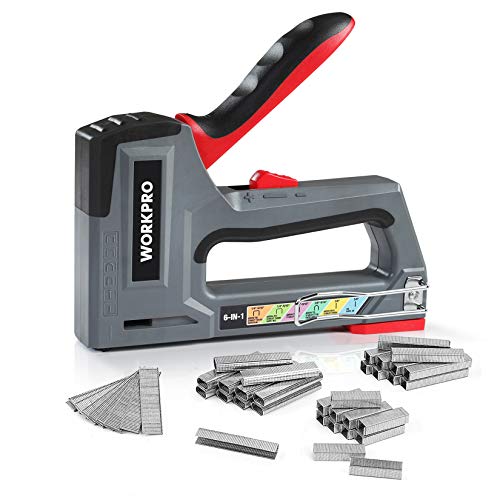
For craftspeople requiring maximum portability and versatile multi-fastener capabilities without an air compressor, the WORKPRO 6-in-1 Staple Gun stands out as an exceptional value pick. Its dual-power switch handles varying frame densities effortlessly, while the handle-lock saves valuable drawer space. For traditional workshop durability, the all-steel Arrow T50 Heavy Duty Staple Gun Kit with 3750 delivers timeless mechanical strength across multiple home restoration duties.
When choosing your tool, balance your physical comfort against the density of your furniture timber and total fastener volume. A well-chosen staple gun ensures pristine fabric lines, tight corners, and lasting structural durability for your restored chairs. Pair your newly upholstered creations with cozy accents like stylish office area rugs to bring your completed room design together beautifully.
FAQs
What makes a staple gun suitable for chair upholstery?
A proper upholstery stapler must drive fasteners flush without punching through delicate decorative textiles. It requires either fine wire capability or precise depth controls to prevent damaging hardwood frames. Compact nose geometry is also crucial for reaching recessed webbing channels and tight corner creases.
Can I use a standard construction staple gun for chair upholstery?
Standard construction staplers often feature broad, bulky noses that cannot reach into tight chair corners cleanly. Their high-impact drive mechanisms may also sever fragile fabrics or split delicate antique wood moldings. Dedicated upholstery tools utilize finer wire gauges and slender profiles designed specifically for furniture restoration.
What gauge staples work best for furniture fabric restoration?
Fine-wire 21-gauge and 22-gauge staples are considered the gold standard for securing top fabrics and decorative trims. They hold textiles securely without cutting individual woven threads or creating visible surface lumps. Heavier T50 wire remains ideal for anchoring structural jute webbing and foundational burlap layers.
What is the top-rated option among Best Staple Guns for Chair Upholstery in 2026?
The leading option among Best Staple Guns for Chair Upholstery in 2026 is the extended-nose pneumatic model from meite. Its fifty-millimeter protruding nose easily maneuvers around deep tufting and complex wooden carvings. The tool combines effortless trigger actuation with dependable magazine feeding for rapid furniture re-covering.
Why are extended-nose staple guns preferred for antique chairs?
Antique seating frequently incorporates intricate carvings, deep fluting, and narrow welt cord channels along the frame edges. An extended nose allows the tool snout to reach into these restricted areas without scuffing the surrounding timber. It provides clear visibility, ensuring staples seat flush against the wood rather than canting diagonally.
How do I prevent staples from tearing through delicate upholstery fabric?
Regulate your driving force by lowering pneumatic line pressure or dialing down manual spring tension before stapling. Always use wide-crown fasteners that spread mechanical clamping tension across a broader surface area of textile weave. Testing depth calibration on scrap material prevents unexpected cutouts on expensive furniture velvets.
Is a pneumatic staple gun worth buying for just one chair project?
If you already possess a small workshop air compressor, adding an affordable pneumatic stapler drastically reduces hand fatigue. Driving hundreds of fasteners manually into seasoned oak or maple can cause severe palm and wrist strain. However, for a single simple dining chair pad, a quality manual staple gun remains perfectly adequate.
What air compressor pressure is required for pneumatic upholstery staplers?
Most pneumatic upholstery tools operate optimally between 70 and 90 PSI of consistent compressed air pressure. Setting pressure higher than recommended risks overdriving staples and causing premature wear on internal rubber bumpers. Setting line pressure too low results in protruding fastener crowns that require manual hammer tapping.
How do I clear a jammed staple safely during a project?
Always disconnect the air compressor line or engage the manual handle lock before inspecting the magazine chamber. Release the magazine latch, slide back the follower rail, and use needle-nose pliers to remove any buckled wire. Never pull the trigger while peering directly into the fastener nose channel.
Can manual staple guns penetrate solid oak or maple chair frames?
High-leverage manual staplers can drive staples into dense hardwoods when set to their highest power position. However, users must apply firm downward body weight over the tool head to counteract mechanical handle recoil. Using shorter staple legs, such as 1/4-inch or 5/16-inch, also ensures complete flush penetration into dense timber.


